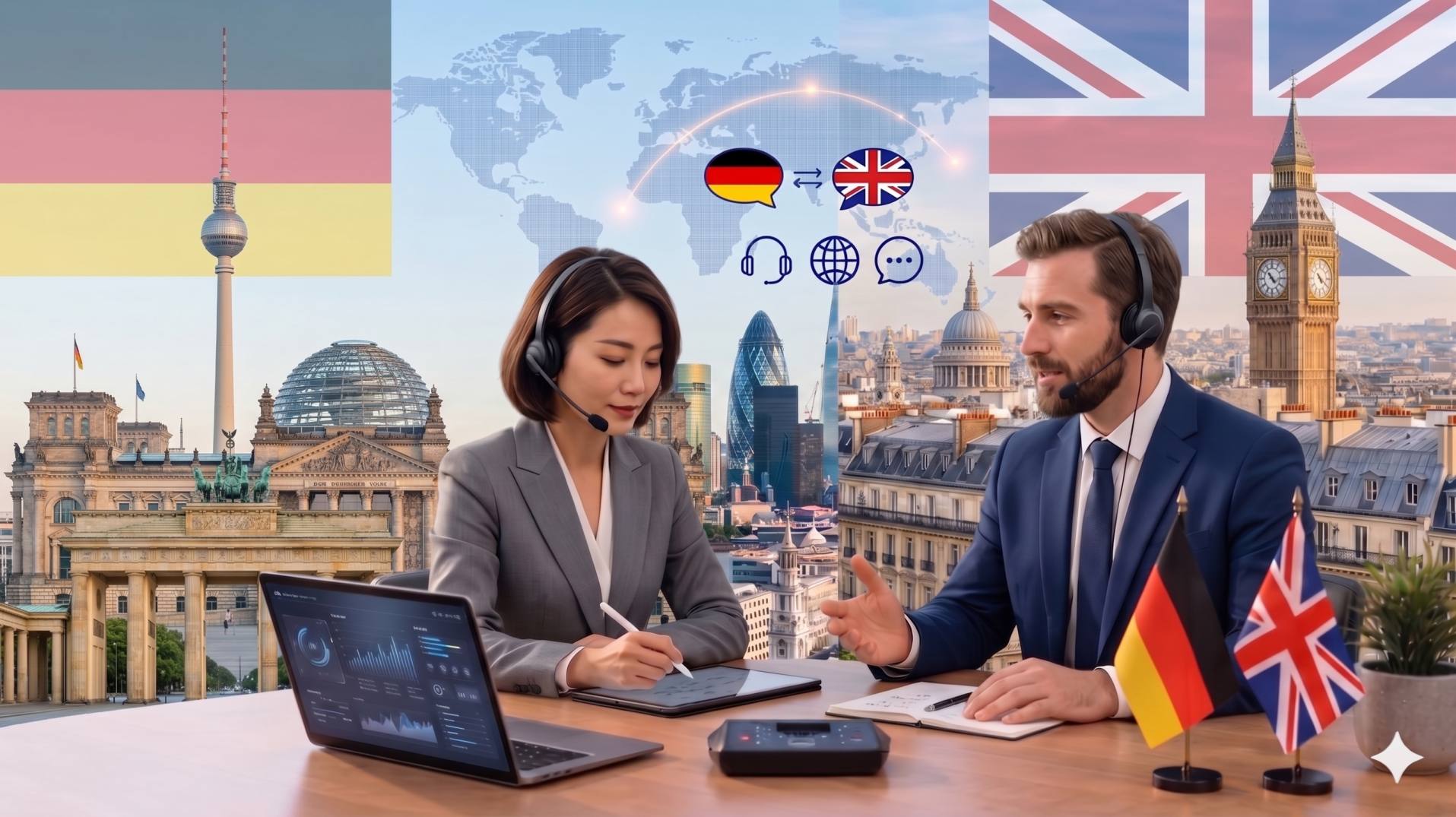
Securing a qualified Greek interpreter in Glasgow is paramount for effective communication across vital sectors, from legal proceedings and healthcare appointments to business negotiations and immigration matters. In a city as dynamic and internationally connected as Glasgow, the need for precise and culturally sensitive linguistic support cannot be overstated. This is particularly true when navigating the complexities of the UK’s legal framework, the National Health Service (NHS), and the intricate requirements of government bodies. Our services ensure that individuals and organisations in Glasgow have access to accredited professionals who bridge language barriers with accuracy and integrity, upholding the highest standards of service delivery. For residents and visitors requiring medical assistance, key NHS trusts serving the Glasgow area include NHS Greater Glasgow and Clyde and NHS 24, both of which rely on professional interpretation to ensure equitable patient care.
Translation vs Interpretation: Ensuring Clarity and Accuracy
While often used interchangeably, translation and interpretation are distinct disciplines, each requiring specialised skills and adherence to professional standards. Understanding this difference is crucial for selecting the right service for your needs. Interpretation involves the real-time, spoken rendition of a message from one language to another. This demands not only fluency in both the source and target languages but also exceptional listening skills, memory retention, and the ability to convey nuances, tone, and cultural context accurately. A professional Greek interpreter in Glasgow must be adept at handling live conversations, whether in a courtroom, a hospital ward, or a business meeting. Conversely, translation deals with the written word, converting documents, websites, or other textual materials from one language to another. This process allows for more time for research, editing, and proofreading to ensure absolute precision. For legal documents, medical records, or business contracts, a skilled Greek translator in Glasgow is essential to guarantee that the written information is conveyed faithfully and without error, adhering to UK legal and professional standards.
Legal Defence, Immigration, and Courtroom Interpretation
The UK’s justice system is built on principles of fairness and access to justice for all. For individuals who do not speak English as a first language, the availability of competent interpreters is a fundamental right, particularly within the remit of His Majesty’s Courts and Tribunals Service (HMCTS). Navigating legal proceedings, from initial police interviews to appearances before judges in the Sheriff Courts, High Courts, or tribunals, requires interpreters who are not only linguistically proficient but also deeply familiar with legal terminology and procedures. Professional Greek interpreters play a critical role in ensuring that defendants, witnesses, and victims can fully understand proceedings and express themselves clearly. This is vital for the integrity of the justice process and adherence to the principles of natural justice. Professional bodies such as the National Register of Public Service Interpreters (NRPSI) and the Diploma in Public Service Interpreting (DPSI) set rigorous standards for interpreters working in the public sector, including the legal field. These qualifications ensure that interpreters possess the necessary skills, ethical understanding, and knowledge of UK law to operate effectively within HMCTS settings. For immigration matters, interpreters are indispensable when dealing with the UK Visas and Immigration (UKVI), the First-tier Immigration Tribunal, and various legal aid services. Accurate interpretation ensures that applications, appeals, and hearings are conducted fairly, allowing individuals to present their cases effectively and understand decisions made by the authorities. The Royal Courts of Justice in London, while not local to Glasgow, sets the precedent for judicial standards across the UK, underscoring the importance of accurate interpretation in all legal forums.
Healthcare and NHS Patient Safety
Patient safety and effective communication are cornerstones of the National Health Service (NHS) in the UK. For Greek-speaking patients in Glasgow, access to professional interpreters is not merely a matter of convenience but a critical component of receiving safe and equitable healthcare. Misunderstandings arising from language barriers can lead to diagnostic errors, incorrect treatment, medication mistakes, and a breakdown in the patient-doctor relationship. The NHS Greater Glasgow and Clyde, along with other regional health boards, is committed to upholding the NHS England Language Access guidelines, which mandate the provision of qualified interpreters for patients who require them. Professional Greek interpreters working within NHS settings must possess a thorough understanding of medical terminology, ethical considerations such as confidentiality, and the specific cultural contexts that may influence a patient’s health beliefs and practices. Adherence to the UK General Data Protection Regulation (UK GDPR) is also paramount, ensuring that patient information is handled with the utmost discretion and security. The Care Quality Commission (CQC), the independent regulator of health and social care in England, also sets standards that implicitly require effective communication for safe and high-quality care, a principle that extends across the UK’s healthcare systems. By providing certified Greek interpreters, healthcare providers in Glasgow can ensure that all patients, regardless of their linguistic background, receive the highest standard of care, fostering trust and improving health outcomes.
Technical Interpretation Modalities
The effectiveness of interpretation hinges on selecting the appropriate modality for the specific context. Professional Greek interpreters in Glasgow are proficient in various techniques, each suited to different communication scenarios:
- Simultaneous Interpretation: This is the most demanding form, where the interpreter speaks the rendition of the source speech almost concurrently with the speaker, typically with only a few seconds’ delay. It requires sophisticated equipment (booths, microphones, headsets) and is commonly used in conferences, large meetings, and international forums where seamless flow of information is critical.
- Consecutive Interpretation: Here, the interpreter speaks after the source speaker has finished a segment of their speech or thought. This requires excellent memory and note-taking skills (using a system like the AIIC – International Association of Conference Interpreters – recommended methods). It is suitable for smaller meetings, interviews, and legal consultations where direct dialogue is important.
- Escort Interpretation: Also known as liaison interpretation, this involves facilitating communication between two or more parties in a more informal setting, such as business meetings, site visits, or social events. The interpreter acts as a bridge, ensuring smooth and natural conversation.
- Remote Interpretation (ROH): With advancements in technology, remote simultaneous and consecutive interpretation are increasingly common. This allows clients to access interpreters via telephone or video conferencing platforms, offering flexibility and cost-effectiveness, especially for urgent or less frequent language needs. Professional bodies like the Chartered Institute of Linguists (CIOL) also provide guidance on best practices for remote services, ensuring quality and security.
Choosing the correct modality ensures that the communication objectives are met efficiently and effectively, whether for a high-level corporate negotiation or a sensitive medical consultation.
Economic and Social Fabric of Glasgow
Glasgow, a city renowned for its industrial heritage, vibrant culture, and forward-looking economy, thrives on its international connections. The presence of a skilled Greek interpreter in Glasgow is integral to supporting the city’s diverse economic and social landscape. From fostering international trade to ensuring equitable access to public services, linguistic support is a critical enabler.
Corporate and Industry
Glasgow’s economy is increasingly diversified, with strengths in financial services, life sciences, advanced manufacturing, and creative industries. International companies operating in or trading with Greece require accurate interpretation and translation services for business meetings, contract negotiations, marketing materials, and technical documentation. Professional Greek interpreters facilitate smooth communication, build trust, and prevent costly misunderstandings, thereby supporting the city’s global business ambitions. The presence of organisations like Scottish Development International highlights the city’s focus on global commerce, where linguistic proficiency is key.
Tourism
As a major tourist destination, Glasgow attracts visitors from across the globe, including Greece. Providing high-quality interpretation services enhances the visitor experience, making attractions, hotels, and services more accessible. For Greek-speaking tourists, having access to interpreters can be crucial in emergencies or when navigating complex travel arrangements, contributing to Glasgow’s reputation as a welcoming city.
Legal Infrastructure
Glasgow boasts a robust legal sector, with numerous law firms, barristers, and legal aid services. The demand for Greek interpreters is significant within this sector, covering areas such as commercial law, family law, criminal defence, and immigration. Ensuring that Greek-speaking individuals have access to justice through qualified interpreters is a testament to the city’s commitment to inclusivity and the rule of law, as overseen by institutions like His Majesty’s Courts and Tribunals Service (HMCTS).
NHS Healthcare
The National Health Service (NHS) in Glasgow serves a diverse population, including a Greek-speaking community. Professional interpreters are essential for ensuring that these patients can communicate effectively with healthcare professionals, understand diagnoses, treatment plans, and consent to procedures. This is vital for patient safety and the provision of equitable care across all NHS facilities, including those managed by NHS Greater Glasgow and Clyde.
Local Infrastructure and Transport
Glasgow’s infrastructure supports its role as a major economic and cultural hub in Scotland. The city benefits from excellent transport links, including Glasgow Airport, a major international gateway, and extensive rail and road networks. For Greek visitors and business professionals, navigating these systems is made easier with readily available interpretation services. Whether it’s seeking directions, understanding public transport announcements, or arranging business travel, a professional Greek interpreter can provide invaluable assistance. The city’s commitment to accessibility extends to its public services, ensuring that essential information is available to all residents and visitors, regardless of their primary language. This includes support for navigating local council services provided by Glasgow City Council, further integrating the Greek-speaking community into the civic life of the city.
In conclusion, the need for a reliable Greek interpreter in Glasgow is multifaceted, underpinning the city’s success in legal, healthcare, business, and social spheres. Our commitment is to provide accredited, professional interpretation services that uphold the highest standards of accuracy, confidentiality, and cultural sensitivity, ensuring that language barriers do not impede access to justice, healthcare, or economic opportunity in this vibrant Scottish city. Contact us today to discuss your specific interpretation requirements and experience the difference that professional linguistic support can make.