Securing a qualified Greek interpreter in Stoke-on-Trent is paramount for effective communication across diverse sectors within the UK’s professional landscape. Whether navigating the complexities of His Majesty’s Courts and Tribunals Service (HMCTS), ensuring patient safety within the National Health Service (NHS), or facilitating international business dealings, the need for precise and culturally sensitive interpretation is undeniable. For residents and institutions in Stoke-on-Trent, access to accredited Greek interpreters is vital for upholding legal rights, ensuring equitable healthcare access, and fostering robust economic ties. This service is particularly crucial for individuals interacting with key NHS trusts serving the city, such as the University Hospitals of North Midlands NHS Trust and the Midlands Partnership University NHS Foundation Trust, where clear communication is fundamental to patient care and outcomes, adhering strictly to NHS England’s Language Access guidelines and UK GDPR principles.
Translation vs Interpretation
While often used interchangeably, translation and interpretation are distinct linguistic disciplines, each requiring specialised skills and adherence to professional standards. Interpretation involves the real-time, spoken rendering of a message from one language to another. This is critical in live interactions, such as legal proceedings, medical consultations, or business meetings. A professional Greek interpreter in Stoke-on-Trent must possess not only fluency in both Greek and English but also a deep understanding of cultural nuances, legal terminology, and the specific context of the communication. Conversely, translation deals with the written word, converting documents, texts, or websites from one language to another. The accuracy and fidelity required for legal documents, medical records, or corporate reports necessitate a skilled Greek translator in Stoke-on-Trent who can meticulously ensure that the original meaning, tone, and intent are preserved in the target language. Both professions are governed by stringent standards within the UK, with bodies like the Chartered Institute of Linguists (CIOL) and the National Register of Public Service Interpreters (NRPSI) setting benchmarks for professional conduct and qualifications.
Legal Defence, Immigration, and Courtroom Interpretation
The UK justice system relies heavily on the impartiality and accuracy of interpreters to ensure fair trials and uphold the rule of law. For individuals involved in legal matters in Stoke-on-Trent who speak Greek, access to qualified interpreters is not a luxury but a fundamental right. His Majesty’s Courts and Tribunals Service (HMCTS) mandates the provision of qualified interpreters for all court and tribunal hearings where a party’s understanding of English is limited. This includes criminal courts, civil courts, family courts, and various tribunals, such as the First-tier Immigration Tribunal. A professional Greek interpreter working within this framework must adhere to the strict ethical codes and professional standards set by bodies like the NRPSI. These interpreters are trained to remain neutral, to interpret everything said without omission or addition, and to convey the precise meaning and tone of the speaker. This is crucial in cases ranging from minor civil disputes to serious criminal charges, where misinterpretation can have profound consequences on legal outcomes. Furthermore, for individuals navigating the UK’s immigration system, the Home Office and UK Visas and Immigration (UKVI) require accurate interpretation during interviews and proceedings. This ensures that applicants can fully understand the questions posed and articulate their responses effectively, thereby guaranteeing a fair assessment of their case. Law firms in Stoke-on-Trent and across the UK frequently engage specialist Greek interpreters to represent their clients’ interests effectively in these high-stakes environments, ensuring compliance with UK legal standards and the principles of natural justice.
Healthcare and NHS Patient Safety
Effective communication is the cornerstone of safe and effective healthcare. Within the NHS, particularly in a diverse city like Stoke-on-Trent, ensuring that patients who speak Greek can fully understand their diagnosis, treatment options, and medical advice is a critical responsibility. The Care Quality Commission (CQC), the independent regulator of health and social care services in England, places significant emphasis on patient communication and experience. NHS trusts are legally and ethically obligated to provide interpretation services to patients who require them, as outlined in NHS England’s Language Access guidelines. For Greek-speaking patients interacting with the University Hospitals of North Midlands NHS Trust or the Midlands Partnership University NHS Foundation Trust, a qualified Greek interpreter ensures that medical professionals can accurately convey information and that patients can express their concerns and ask questions freely. This not only improves patient understanding and adherence to treatment but also significantly reduces the risk of medical errors and enhances overall patient safety. Adherence to UK GDPR is also paramount, ensuring that sensitive patient information is handled with the utmost confidentiality, even when an interpreter is involved. Professional interpreters working within the NHS are trained to understand medical terminology and the sensitive nature of healthcare interactions, providing a vital link between patients and clinicians.
Technical Interpretation Modalities
The effectiveness of interpretation hinges on selecting the appropriate modality for the specific situation. Professional Greek interpreters in Stoke-on-Trent are proficient in various techniques to meet diverse communication needs:
- Consecutive Interpretation: This is commonly used in one-on-one meetings, doctor’s appointments, or legal consultations. The interpreter listens to a segment of speech, then renders it into the target language once the speaker pauses. This allows for a natural flow of conversation.
- Simultaneous Interpretation: This is the most demanding form, often employed in conferences, large meetings, or courtrooms where speed and efficiency are critical. The interpreter speaks almost concurrently with the speaker, using specialised equipment such as soundproof booths and headsets. This requires intense concentration and rapid cognitive processing.
- Escort Interpretation: Also known as liaison interpretation, this is used for informal settings, tours, or business negotiations where the interpreter acts as a cultural bridge, facilitating smooth communication between parties. The interpreter often travels with the client.
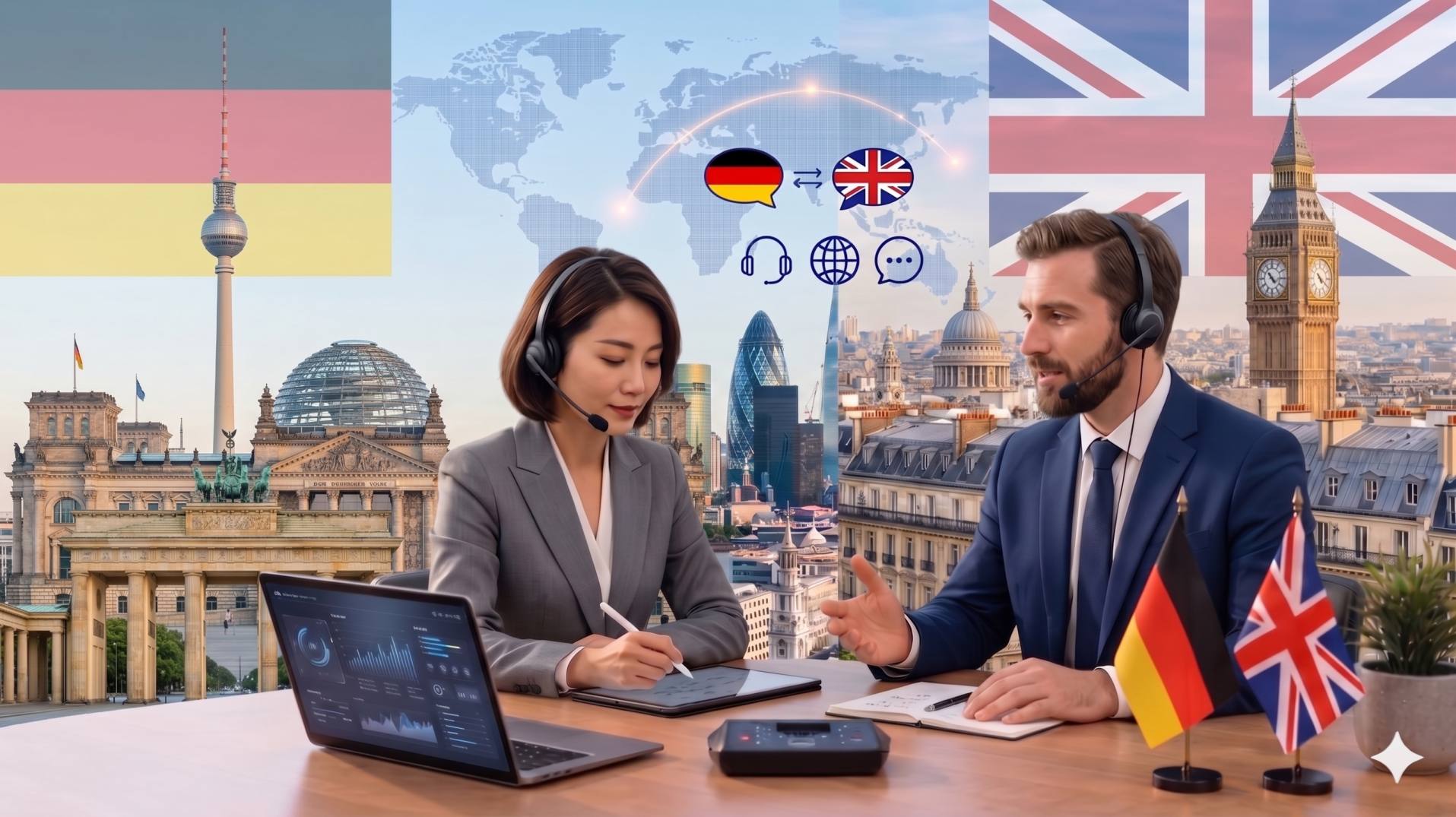
- Remote Interpretation (Telephone/Video): With advancements in technology, remote interpretation has become increasingly common. This modality allows clients to connect with a Greek interpreter via phone or video conferencing platforms, offering flexibility and cost-effectiveness for various situations, including remote medical consultations or business calls. This is particularly useful for accessing specialist interpreters not readily available locally.
Each modality requires specific skills and training, and professional interpreters are adept at choosing and applying the most suitable method to ensure clarity and accuracy.
Economic and Social Fabric of Stoke-on-Trent
Stoke-on-Trent, a city with a rich industrial heritage, is continually evolving, with a growing professional services sector and a diverse population. The presence of skilled Greek interpreters is integral to the city’s economic vitality and social cohesion.
Corporate and Industry
The city’s economic landscape includes manufacturing, advanced engineering, and a burgeoning creative sector. For businesses in Stoke-on-Trent engaged in international trade or seeking to attract foreign investment, professional Greek translation and interpretation services are indispensable. This facilitates negotiations, contract finalisations, and the smooth operation of joint ventures. Ensuring that all parties, including Greek-speaking employees or business partners, understand critical operational information and company policies is vital for productivity and compliance with UK employment law.
Tourism
Stoke-on-Trent is renowned for its pottery heritage, attracting visitors from around the globe. While English is the primary language, providing information and services in Greek can enhance the experience for Greek-speaking tourists, supporting the local tourism economy. This could involve translated visitor guides, information at heritage sites, or interpretation services for guided tours, thereby promoting cultural exchange and economic benefit.
Legal Infrastructure
The city is served by a network of legal professionals, including solicitors and barristers who handle a wide range of cases. The presence of a reliable Greek interpreter in Stoke-on-Trent ensures that individuals with limited English proficiency can access justice, understand their legal rights, and participate fully in proceedings before HMCTS. This underpins the principle of equal access to justice within the UK legal framework.
NHS Healthcare
As previously highlighted, the NHS trusts serving Stoke-on-Trent, such as the University Hospitals of North Midlands NHS Trust and the Midlands Partnership University NHS Foundation Trust, cater to a diverse population. The availability of qualified Greek interpreters is essential for providing equitable and high-quality healthcare, ensuring that all patients receive clear communication regarding their health and treatment, in line with CQC standards and NHS England’s Language Access guidelines.
Local Infrastructure and Transport
Stoke-on-Trent benefits from a well-connected infrastructure, facilitating the movement of people and goods. Major road networks, including the M6 motorway, provide excellent links to the rest of the UK, making it accessible for interpreters to travel to client locations or for remote interpretation services to be easily deployed. The city also has a railway station offering services to major cities like London, Manchester, and Birmingham. This connectivity ensures that professional Greek interpreters can efficiently serve clients across the region and beyond. Public transport within the city, comprising bus services, further supports accessibility for both clients and interpreters. For businesses and public services in Stoke-on-Trent, this robust infrastructure means that accessing specialised linguistic support, whether in person or remotely, is a straightforward process, contributing to the efficiency of operations and the seamless integration of diverse communities.
Conclusion
For any organisation or individual in Stoke-on-Trent requiring precise and professional linguistic support, engaging a qualified Greek interpreter in Stoke-on-Trent is a critical step towards ensuring clarity, compliance, and success. From the courtroom to the hospital ward, and from the boardroom to community services, the role of a skilled interpreter is indispensable. We provide certified Greek interpretation services that meet the highest professional standards, ensuring that communication barriers are overcome effectively and ethically, in full accordance with UK law and professional guidelines. Contact us today to discuss your specific interpretation needs and experience the difference that expert linguistic support can make.