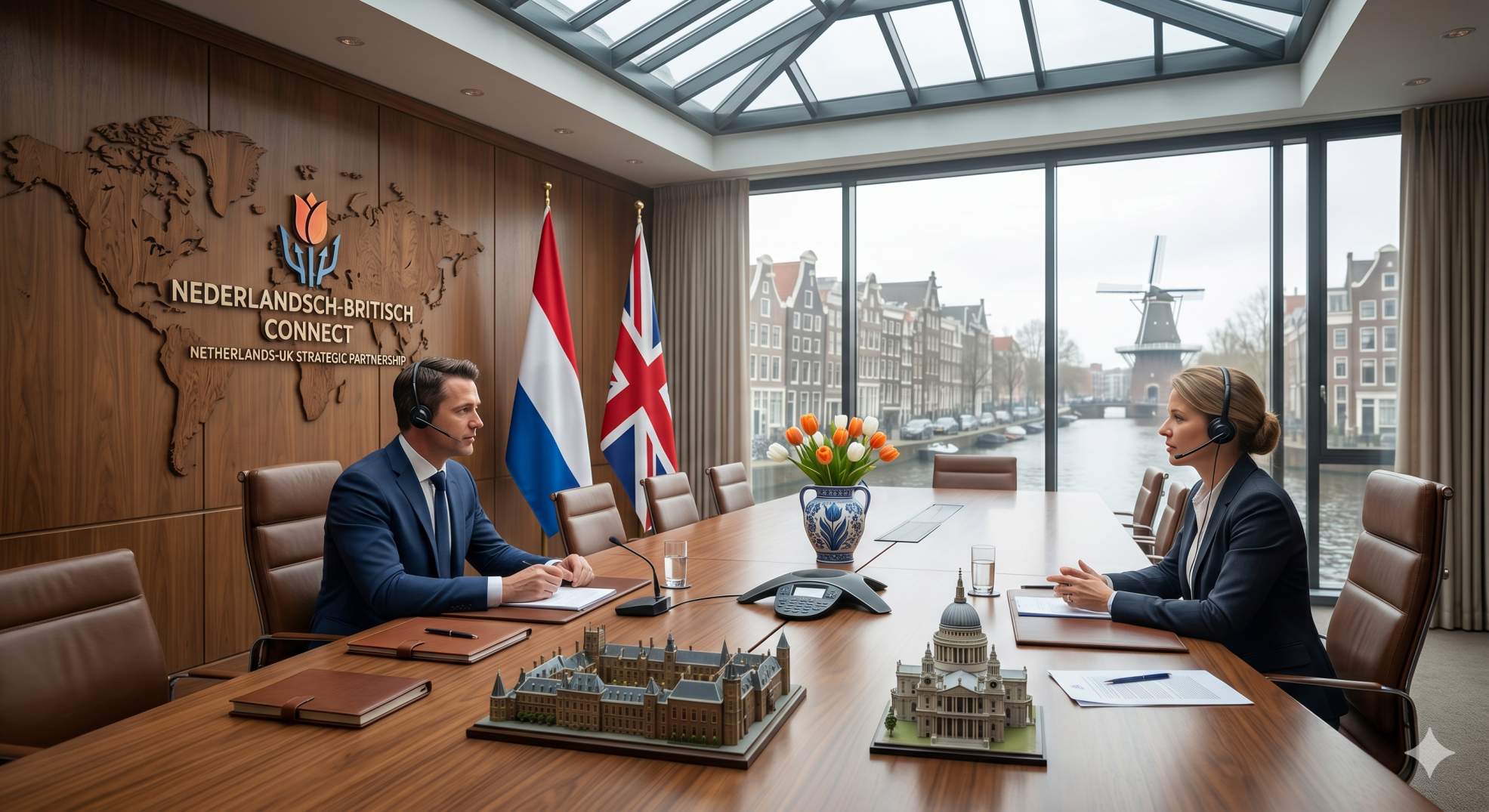
Securing a qualified Greek interpreter in Swindon is paramount for ensuring clear communication across diverse sectors, from legal proceedings and healthcare appointments to business negotiations and public services. In a dynamic economic hub like Swindon, the need for accurate linguistic support is ever-present, bridging cultural divides and upholding the integrity of vital interactions. This is particularly crucial when engaging with Swindon’s key healthcare providers, such as the Great Western Hospitals NHS Foundation Trust and the Wiltshire Health and Care NHS Trust, where patient safety and understanding are non-negotiable. Professional interpretation services ensure that all parties, regardless of their native tongue, can fully participate and comprehend critical information, adhering strictly to UK standards and regulations.
Translation vs Interpretation
While often used interchangeably, translation and interpretation are distinct linguistic disciplines, each requiring specialised skills and adhering to different professional standards within the UK. Interpretation involves the real-time, oral conversion of spoken language from one language to another. This demands not only a profound understanding of both the source and target languages but also exceptional listening skills, memory retention, cultural nuance, and the ability to think quickly under pressure. A Greek translator in Swindon, conversely, works with written text, converting documents, websites, or other written materials from Greek to English or vice versa. This process allows for more deliberation, research, and editing to ensure accuracy and stylistic fidelity. For legal documents, medical records, or official correspondence, professional translation is essential. However, for live interactions such as court hearings, medical consultations, or business meetings, a highly skilled Greek interpreter is indispensable. The professional bodies governing these fields in the UK, such as the Chartered Institute of Linguists (CIOL) and the National Register of Public Service Interpreters (NRPSI), set rigorous standards for both translators and interpreters, ensuring competence and ethical practice across all public service domains.
Legal Defence, Immigration, and Courtroom Interpretation
The UK’s justice system, administered by His Majesty’s Courts and Tribunals Service (HMCTS), mandates that all individuals have the right to understand proceedings and communicate effectively, regardless of their language proficiency. For Greek speakers involved in legal matters in Swindon, access to a qualified Greek interpreter in Swindon is not merely a convenience but a fundamental right. This applies to a wide spectrum of legal contexts, including criminal defence, civil litigation, family law, and administrative hearings before bodies like the First-tier Tribunal. The accuracy and impartiality of interpreters are critical to ensuring fair trials and just outcomes. Professional interpreters working within the legal sphere must adhere to strict codes of conduct, often requiring accreditation from bodies like the NRPSI or holding qualifications such as the Diploma in Public Service Interpreting (DPSI). These qualifications ensure interpreters possess the necessary linguistic skills, legal terminology knowledge, and ethical understanding to operate within the demanding environment of UK courts and tribunals. Immigration law, a significant area requiring specialised interpretation, involves complex procedures managed by the Home Office and UK Visas and Immigration (UKVI). Greek nationals navigating visa applications, asylum claims, or deportation proceedings rely heavily on interpreters to articulate their cases accurately before immigration officers and tribunals. The integrity of these processes hinges on the interpreter’s ability to convey information precisely, without omission or addition, thereby upholding the principles of natural justice. The Royal Courts of Justice and local HMCTS centres across the UK depend on a pool of accredited interpreters to facilitate these essential communications, ensuring that language barriers do not impede access to justice.
Healthcare and NHS Patient Safety
Effective communication is the cornerstone of safe and effective healthcare. Within Swindon’s NHS framework, the provision of professional Greek interpretation services is vital for ensuring that all patients receive equitable and high-quality care. The Great Western Hospitals NHS Foundation Trust and other local NHS providers are committed to adhering to NHS England’s Language Access guidelines, which stipulate the need for competent interpreters when language barriers exist. This is not only a matter of patient comfort but a critical component of clinical governance and patient safety, as mandated by the Care Quality Commission (CQC). Misunderstandings arising from inadequate interpretation can lead to diagnostic errors, incorrect treatment administration, medication errors, and a general breakdown in the patient-practitioner relationship. Professional Greek interpreters working within the NHS must possess not only linguistic fluency but also a thorough understanding of medical terminology, ethical considerations, and the sensitive nature of healthcare interactions. They are bound by confidentiality agreements and the principles of impartiality, ensuring that patient information is protected in line with UK GDPR regulations. The ability of a Greek-speaking patient to accurately describe symptoms, understand treatment plans, and provide informed consent directly impacts their health outcomes. Therefore, engaging interpreters accredited by recognised bodies or those who have undergone rigorous NHS-specific training is essential for all healthcare providers in Swindon and beyond.
Technical Interpretation Modalities
The nature of the communication task dictates the most appropriate interpretation modality. For a Greek interpreter in Swindon, proficiency in various techniques is essential to meet the diverse needs of clients. Consecutive interpretation is commonly used in one-to-one settings, such as medical consultations or small business meetings, where the interpreter speaks after the source speaker has finished their utterance. This allows for a more natural flow of conversation and detailed understanding. Simultaneous interpretation, often employed in larger conferences, legal proceedings, or international summits, requires the interpreter to speak concurrently with the source speaker, typically using specialised equipment like soundproof booths and headsets. This is a highly demanding skill that requires intense concentration and rapid processing. Escort interpretation, also known as liaison interpretation, facilitates communication in social or business settings, such as factory tours, site visits, or informal meetings, where the interpreter acts as a cultural and linguistic bridge. Finally, with the rise of remote working and digital communication, remote interpretation services, including telephone interpreting (OPI) and video remote interpreting (VRI), have become increasingly prevalent. These modalities offer flexibility and cost-effectiveness, allowing clients to access qualified Greek interpreters regardless of geographical location, provided they have reliable internet access and appropriate technology. Each modality requires a distinct skill set and often specific technical knowledge, underscoring the need for interpreters to be versatile and highly trained.
Economic and Social Fabric of Swindon
Swindon’s economic landscape is a vibrant tapestry woven from diverse industries and a growing population, necessitating robust linguistic support services. The presence of a skilled Greek interpreter is invaluable in facilitating seamless communication within this dynamic environment.
Corporate and Industry
Swindon boasts a significant presence in sectors such as advanced manufacturing, automotive, digital technology, and financial services. Major employers and burgeoning SMEs alike require clear communication for international partnerships, client relations, and internal operations. A professional Greek interpreter in Swindon can facilitate crucial business meetings, contract negotiations, and technical training sessions, ensuring that UK businesses can effectively engage with Greek-speaking partners, suppliers, or employees. This fosters stronger international trade links and supports the local economy’s growth. The Chamber of Commerce often supports businesses looking to expand their reach, and linguistic services are key to such endeavours.
Tourism
While not a primary tourist destination, Swindon attracts visitors for business, events, and its proximity to attractions like the Cotswolds. For Greek tourists or business travellers, having access to interpreters can enhance their experience and ensure they can navigate local services, from accommodation and transport to cultural sites and dining. This contributes to a positive impression of the city and encourages repeat visits or business opportunities.
Legal Infrastructure
Swindon’s legal sector, serving a substantial population, relies on the efficient functioning of His Majesty’s Courts and Tribunals Service (HMCTS) and local solicitor firms. The need for accurate interpretation in legal matters, as previously discussed, is critical. Greek speakers involved in any legal process, from property transactions to criminal proceedings, require interpreters accredited by bodies such as the NRPSI to ensure their rights are protected and that proceedings are conducted fairly. This underpins the rule of law within the community.
NHS Healthcare
The healthcare needs of Swindon’s diverse population are met by the Great Western Hospitals NHS Foundation Trust and associated primary care services. Ensuring that Greek-speaking patients can communicate effectively with medical professionals is a priority for patient safety and quality of care. Professional interpreters facilitate accurate diagnoses, informed consent, and adherence to treatment plans, aligning with the CQC’s standards for accessible healthcare. The NHS Business Services Authority also plays a role in ensuring services are accessible across the board.
Local Infrastructure and Transport
Swindon’s strategic location in Wiltshire, with excellent transport links, makes it an accessible hub for professional services. Its position on the Great Western Main Line provides fast rail connections to London, Bristol, and other major cities, facilitating the movement of interpreters and clients. The M4 motorway also offers convenient road access. The city’s own public transport network, managed by local authorities, ensures that residents and visitors can navigate the area effectively. For businesses and public services in Swindon, the availability of reliable interpretation services, supported by robust local infrastructure, ensures that communication flows smoothly, contributing to the overall efficiency and inclusivity of the city’s operations. The Swindon Borough Council oversees much of this local infrastructure, aiming to provide accessible services to all residents.
In conclusion, the demand for a professional Greek interpreter in Swindon is multifaceted, spanning critical legal, healthcare, and commercial sectors. Ensuring access to qualified, accredited interpreters is not merely about language conversion; it is about upholding justice, ensuring patient safety, facilitating economic growth, and fostering an inclusive community. By engaging certified professionals who adhere to UK standards and ethical codes, organisations in Swindon can confidently navigate linguistic complexities and achieve their objectives with clarity and precision.