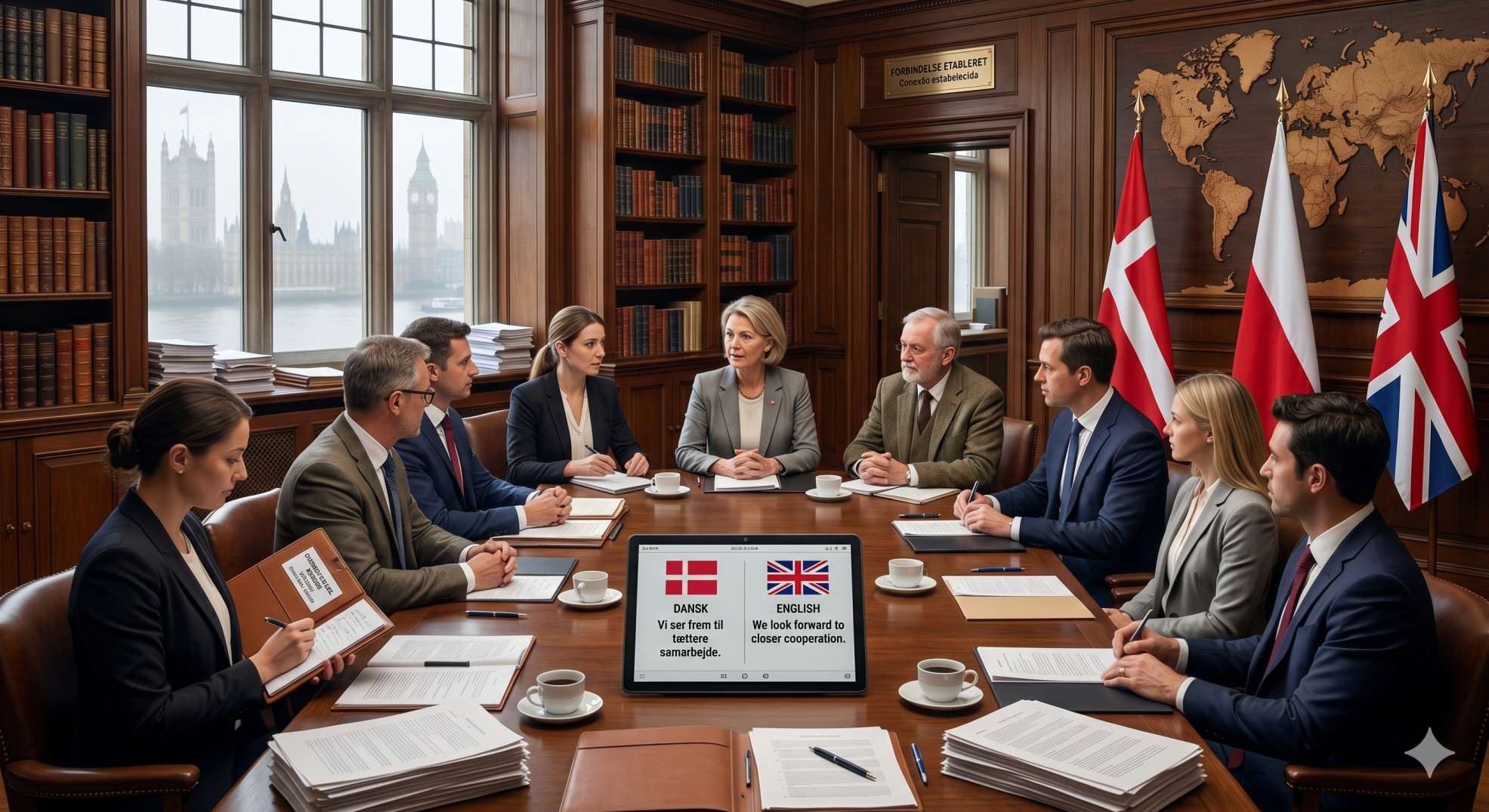
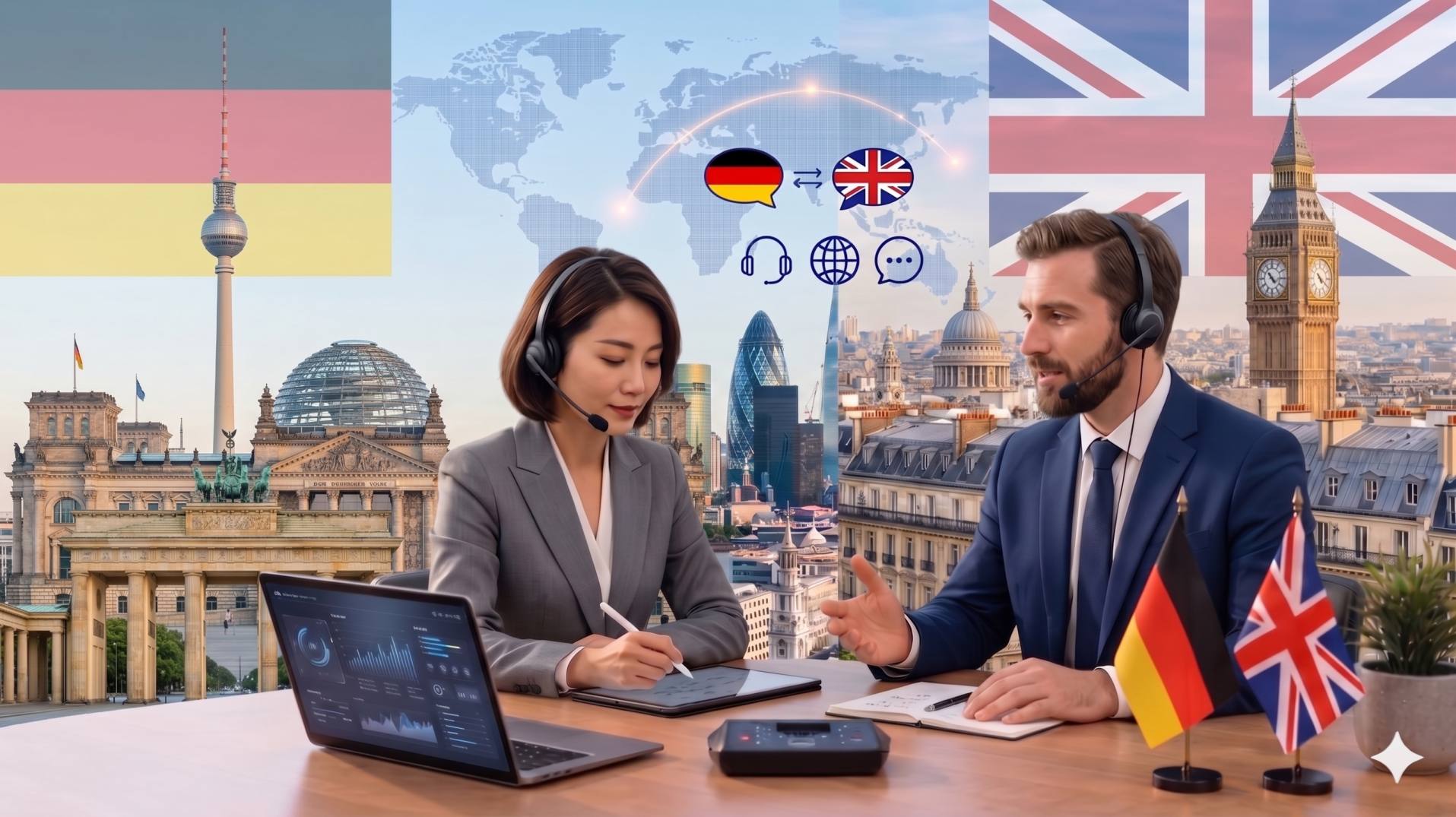
Securing a qualified Hebrew interpreter in Cheltenham is paramount for effective communication across diverse sectors, from legal proceedings and healthcare to business and immigration. Cheltenham, a vibrant spa town in Gloucestershire, relies on robust communication channels to serve its residents and attract businesses. Ensuring accurate and culturally sensitive interpretation is not merely a matter of convenience but a critical requirement for upholding legal standards, patient safety, and business integrity within the United Kingdom. This service is essential for individuals and organisations interacting with UK institutions, including His Majesty’s Courts and Tribunals Service (HMCTS), the National Health Service (NHS), and various government departments. For residents and visitors requiring Hebrew language support, connecting with accredited professionals is key. For instance, access to healthcare services is facilitated by trusts such as NHS Gloucestershire (though specific trust names serving Cheltenham directly may vary and are often integrated into larger regional structures, this link represents the primary ICB for the area) and potentially specialist services managed by national bodies or neighbouring trusts, all of which are committed to adhering to NHS England’s language access guidelines. Ensuring that every patient, regardless of their primary language, receives clear and understandable information is a cornerstone of UK healthcare policy.
Translation vs Interpretation
While often used interchangeably, translation and interpretation are distinct linguistic disciplines, each requiring specialised skills and adherence to professional standards. Interpretation involves the real-time, oral conversion of spoken or signed language from one language to another. This is crucial in live settings such as courtrooms, medical consultations, or business meetings. A professional Hebrew interpreter in Cheltenham must possess not only fluency in both Hebrew and English but also a deep understanding of the cultural nuances, legal frameworks, and professional terminologies relevant to the UK context. Conversely, translation deals with the written word, converting documents, texts, or websites from one language to another. This process allows for more time for reflection, research, and editing to ensure accuracy. For legal documents, medical records, or business contracts, a certified Hebrew translator in Cheltenham ensures that the written information is conveyed precisely and legally sound. Both services are vital for bridging language barriers, but their application differs significantly based on the medium of communication. The demand for a skilled Hebrew translator in Cheltenham is as high as for interpreters, particularly within the legal and corporate sectors where precise documentation is essential.
Legal Defence, Immigration, and Courtroom Interpretation
The UK justice system operates on principles of fairness and accessibility, making qualified legal interpretation indispensable. For individuals facing legal challenges or engaging with immigration processes, accurate communication is not just a procedural requirement but a fundamental right. Hebrew interpreters play a critical role in ensuring that all parties, including defendants, witnesses, and legal representatives, fully understand proceedings. This is particularly important in cases involving the His Majesty’s Courts and Tribunals Service (HMCTS), where misunderstandings can have severe consequences. Professional interpreters must be registered with bodies such as the National Register of Public Service Interpreters (NRPSI) or hold qualifications like the Diploma in Public Service Interpreting (DPSI), ensuring they meet rigorous standards of competence, ethics, and confidentiality. These qualifications are recognised across the UK legal landscape, including by the Home Office and UK Visas and Immigration (UKVI) for immigration matters. In immigration tribunals, such as the First-tier Tribunal (Immigration and Asylum Chamber), clear communication is vital for presenting cases accurately and ensuring justice. The role of a Hebrew interpreter extends to police interviews, Crown Court trials, and family law proceedings, all governed by strict UK legal protocols. The accuracy and impartiality of the interpreter are paramount, safeguarding the integrity of the legal process and upholding the rights of individuals within the UK legal framework. Professional bodies like the NRPSI provide a benchmark for the quality and reliability expected of interpreters working within these sensitive environments.
Healthcare and NHS Patient Safety
Patient safety and effective communication are cornerstones of the UK’s National Health Service (NHS). For Hebrew-speaking patients in Cheltenham, accessing healthcare services requires interpreters who can facilitate clear and accurate communication between patients and medical professionals. This is crucial for accurate diagnosis, informed consent, and adherence to treatment plans, all of which are vital for positive health outcomes. The NHS is committed to providing equitable access to care for all patients, as outlined in NHS England’s guidelines on language services. Interpreters working within the NHS must not only be linguistically proficient but also understand medical terminology and adhere to strict confidentiality requirements, in line with UK GDPR regulations. The Care Quality Commission (CQC) also emphasises the importance of effective communication in its inspections, ensuring that healthcare providers meet the needs of all patients. Specialist NHS trusts serving Cheltenham, such as those under the umbrella of the Gloucestershire Integrated Care Board (ICB), are responsible for ensuring that language support is available. For example, NHS Gloucestershire works to ensure services are accessible. In critical situations, such as emergency room visits or complex surgical procedures, the role of a qualified Hebrew interpreter is indispensable for patient safety. They bridge the communication gap, ensuring that patients understand their conditions, treatment options, and post-operative care instructions, thereby empowering them to make informed decisions about their health. The professional standards expected of NHS interpreters align with those set by bodies like the NRPSI, ensuring a high level of competence and ethical conduct.
Technical Interpretation Modalities
The effectiveness of interpretation hinges on selecting the appropriate modality for the specific context. A professional Hebrew interpreter in Cheltenham can offer a range of services tailored to different needs:
- Simultaneous Interpretation: This is often used in conferences, large meetings, or parliamentary settings where the interpreter speaks almost concurrently with the speaker, typically using specialised equipment like booths and headsets. It requires intense concentration and rapid processing, making it ideal for situations where time is critical and the audience is large.
- Consecutive Interpretation: Here, the interpreter waits for the speaker to pause before rendering the message in the target language. This is common in smaller meetings, legal depositions, or one-on-one consultations, allowing for a more natural conversational flow and detailed explanations.
- Escort Interpretation: This involves accompanying a client to meetings, tours, or social events, providing interpretation as needed throughout the engagement. It is often used in business negotiations or during visits by international delegations, facilitating smooth interpersonal communication.
- Remote Interpretation (ROH): With advancements in technology, remote simultaneous or consecutive interpretation is increasingly common. This allows clients to connect with interpreters via video or telephone conferencing platforms, offering flexibility and cost-effectiveness, especially for urgent or ad-hoc requests. This modality is supported by robust platforms that ensure secure and high-quality audio transmission, adhering to UK data protection standards.
Each modality requires a distinct skill set and preparation. For instance, simultaneous interpretation demands exceptional mental agility, while consecutive interpretation requires strong note-taking skills. Regardless of the mode, a professional Hebrew interpreter in Cheltenham ensures that the nuances of the original message are preserved, maintaining the integrity of the communication.
Economic and Social Fabric of Cheltenham
Cheltenham boasts a diverse economic landscape and a rich social tapestry, where effective communication plays a vital role in its continued prosperity and inclusivity. Understanding the local economic drivers and social structures helps in appreciating the demand for professional Hebrew interpretation and translation services.
Corporate and Industry
Cheltenham is a significant economic hub, particularly known for its strong presence in the finance, technology, and professional services sectors. Many national and international companies have established offices or operations in and around the town. For these businesses, engaging with international clients, partners, or employees who speak Hebrew requires professional language support. This includes translating marketing materials, technical documentation, contracts, and facilitating business meetings or negotiations. The presence of a skilled Hebrew interpreter in Cheltenham supports the town’s role as a centre for commerce and innovation, ensuring that businesses can operate seamlessly in a globalised market. Adherence to UK business standards and legal requirements is crucial, and accurate translation services ensure compliance and foster strong commercial relationships.
Tourism
As a renowned spa town with a vibrant cultural scene, Cheltenham attracts visitors from across the globe. Its Regency architecture, festivals (such as the Cheltenham Literature Festival and the Cheltenham Jazz Festival), and surrounding natural beauty make it a popular tourist destination. Hebrew-speaking tourists may require assistance with information, bookings, or navigating local services. Providing high-quality interpretation and translation services, including multilingual information resources, enhances the visitor experience and supports the local tourism economy. This can range from translating hotel brochures and visitor guides to providing on-site interpretation for guided tours or cultural events, ensuring that all visitors feel welcomed and well-catered for.
Legal Infrastructure
Cheltenham possesses a well-developed legal infrastructure, with numerous law firms and legal services catering to both local and national needs. These firms often handle cases involving international clients or complex cross-border issues, necessitating the expertise of Hebrew interpreters and translators. Whether it’s for immigration law, commercial disputes, or family matters, the ability to communicate effectively in Hebrew is crucial for ensuring justice and providing comprehensive legal advice. The local legal community relies on accredited professionals who understand the intricacies of UK law and the specific requirements of bodies like HMCTS and the Home Office. The availability of reliable Hebrew language services supports the town’s reputation as a centre for legal excellence.
NHS Healthcare
The healthcare system in Cheltenham, primarily served by NHS Gloucestershire, is committed to providing accessible and high-quality care to all residents. As mentioned earlier, ensuring that Hebrew-speaking patients can communicate effectively with healthcare providers is a priority. This involves providing access to qualified interpreters for consultations, hospital stays, and medical procedures. The integration of language services into the healthcare framework is essential for patient safety, informed consent, and overall patient satisfaction. The demand for Hebrew interpretation within the NHS context underscores the importance of linguistic diversity and cultural competency in healthcare delivery, aligning with national NHS standards and UK GDPR principles.
Local Infrastructure and Transport
Cheltenham’s infrastructure and transport links are vital for its connectivity and economic activity. The town benefits from good road networks, including proximity to the M5 motorway, facilitating travel to major UK cities like Bristol, Birmingham, and London. Public transport options include a comprehensive bus network and a railway station connecting to national rail services. For businesses requiring interpretation services, accessibility is key. Professional interpreters can travel to clients across Cheltenham and the surrounding Gloucestershire region, or provide remote services, ensuring that language support is readily available regardless of location. The efficiency of local transport networks supports the timely delivery of interpretation services for critical appointments in courts, hospitals, or business premises. Furthermore, the town’s infrastructure supports the integration of remote interpretation technologies, allowing for seamless communication solutions that transcend geographical barriers and enhance the efficiency of professional services operating within or engaging with Cheltenham.
Conclusion
In Cheltenham, the need for professional, accurate, and culturally competent Hebrew interpretation and translation services is undeniable. From navigating the complexities of the UK legal system with HMCTS and the Home Office, ensuring patient safety within the NHS, to fostering robust business relationships, the role of a qualified Hebrew interpreter in Cheltenham is indispensable. By engaging certified professionals who adhere to UK standards and ethical codes, individuals and organisations can ensure clear, effective, and confidential communication. Whether you require immediate assistance for a court hearing, a sensitive medical consultation, or a crucial business negotiation, securing expert Hebrew language support is a strategic investment in successful outcomes and seamless interaction within the UK’s professional landscape.