
Securing a qualified Italian interpreter in Derby is paramount for effective communication across critical sectors, from legal proceedings and healthcare appointments to business negotiations and public services. In a city like Derby, with its diverse population and established professional landscape, the demand for accurate and culturally sensitive interpretation is significant. This service ensures that individuals who speak Italian as their primary language can fully understand and participate in vital interactions, upholding their rights and facilitating seamless operations for UK institutions. For residents and visitors requiring medical assistance, services are supported by NHS trusts such as Southern Derbyshire Crematorium and Derbyshire Community Health Services NHS Trust, both of whom adhere to stringent language access policies to ensure patient safety and equitable care.
Translation vs. Interpretation: Understanding the Nuances
While often used interchangeably, translation and interpretation are distinct disciplines, each requiring specialised skills and adhering to different professional standards. An Italian translator in Derby works with written text, converting documents, reports, websites, and other written materials from Italian to English or vice versa. This process demands meticulous attention to detail, a deep understanding of linguistic nuances, and often, subject-specific knowledge to ensure accuracy and fidelity to the original meaning. Professional translators in the UK typically adhere to standards set by bodies like the Chartered Institute of Linguists (CIOL). Conversely, an Italian interpreter in Derby facilitates spoken communication in real-time. This involves listening to a speaker in one language and rendering their message accurately and fluently in another. The interpreter must not only possess exceptional linguistic proficiency but also strong short-term memory, cultural awareness, and the ability to remain neutral and objective. Professional interpreters in the UK are often accredited by organisations such as the National Register of Public Service Interpreters (NRPSI) or hold qualifications like the Diploma in Public Service Interpreting (DPSI), ensuring they meet the rigorous standards required for public service settings, including legal and healthcare environments.
Legal Defence, Immigration, and Courtroom Interpretation
The UK’s legal system is built on principles of justice and fairness, which necessitate clear communication for all parties involved, regardless of their language proficiency. For Italian speakers navigating the complexities of UK law, access to a qualified Italian interpreter in Derby is not merely a convenience but a fundamental right. This is particularly critical in matters before His Majesty’s Courts and Tribunals Service (HMCTS), including criminal trials, civil litigation, family law proceedings, and employment tribunals. Interpreters play a vital role in ensuring that defendants, witnesses, and litigants can understand charges, present their cases, and comprehend court decisions. The Ministry of Justice, through HMCTS, mandates the provision of interpreters where needed, with standards often guided by the NRPSI. In immigration matters, the Home Office and UK Visas and Immigration (UKVI) require accurate interpretation during interviews and appeals. The First-tier Immigration Tribunal also relies heavily on professional interpreters to ensure fair hearings. Accredited interpreters, holding qualifications like the DPSI or being registered with the NRPSI, are essential for maintaining the integrity of these legal processes. They must adhere to a strict code of conduct, ensuring confidentiality, impartiality, and accuracy, thereby safeguarding the rights of Italian-speaking individuals within the UK justice system. The accuracy provided by a professional interpreter prevents miscarriages of justice and ensures that all parties are treated equitably under UK law.
Healthcare and NHS Patient Safety
Patient safety and equitable access to healthcare are cornerstones of the National Health Service (NHS). For Italian-speaking patients in Derby, effective communication with medical professionals is crucial for accurate diagnosis, treatment, and overall well-being. The Care Quality Commission (CQC), the independent regulator of health and social care in England, emphasizes the importance of effective communication in delivering high-quality care. NHS England’s Language Access guidelines mandate that healthcare providers must ensure that patients with limited English proficiency have access to appropriate language support. This includes providing qualified Italian interpreters for consultations, hospital admissions, and emergency care. The NHS Business Services Authority supports the provision of language services, ensuring compliance with national standards. In Derby, this means that NHS trusts such as the Southern Derbyshire Crematorium and Derbyshire Community Health Services NHS Trust must provide access to professional Italian interpreters. These interpreters are vital for explaining complex medical information, discussing treatment options, obtaining informed consent, and ensuring that patients understand discharge instructions. Adherence to UK GDPR principles also means that patient confidentiality must be maintained by interpreters, who are bound by professional codes of ethics. The use of unqualified interpreters or family members can lead to misunderstandings, errors in treatment, and breaches of confidentiality, potentially compromising patient safety and leading to adverse outcomes. Therefore, engaging a certified Italian interpreter in Derby for all healthcare interactions is essential for upholding patient rights and ensuring the highest standards of care within the NHS.
Technical Interpretation Modalities
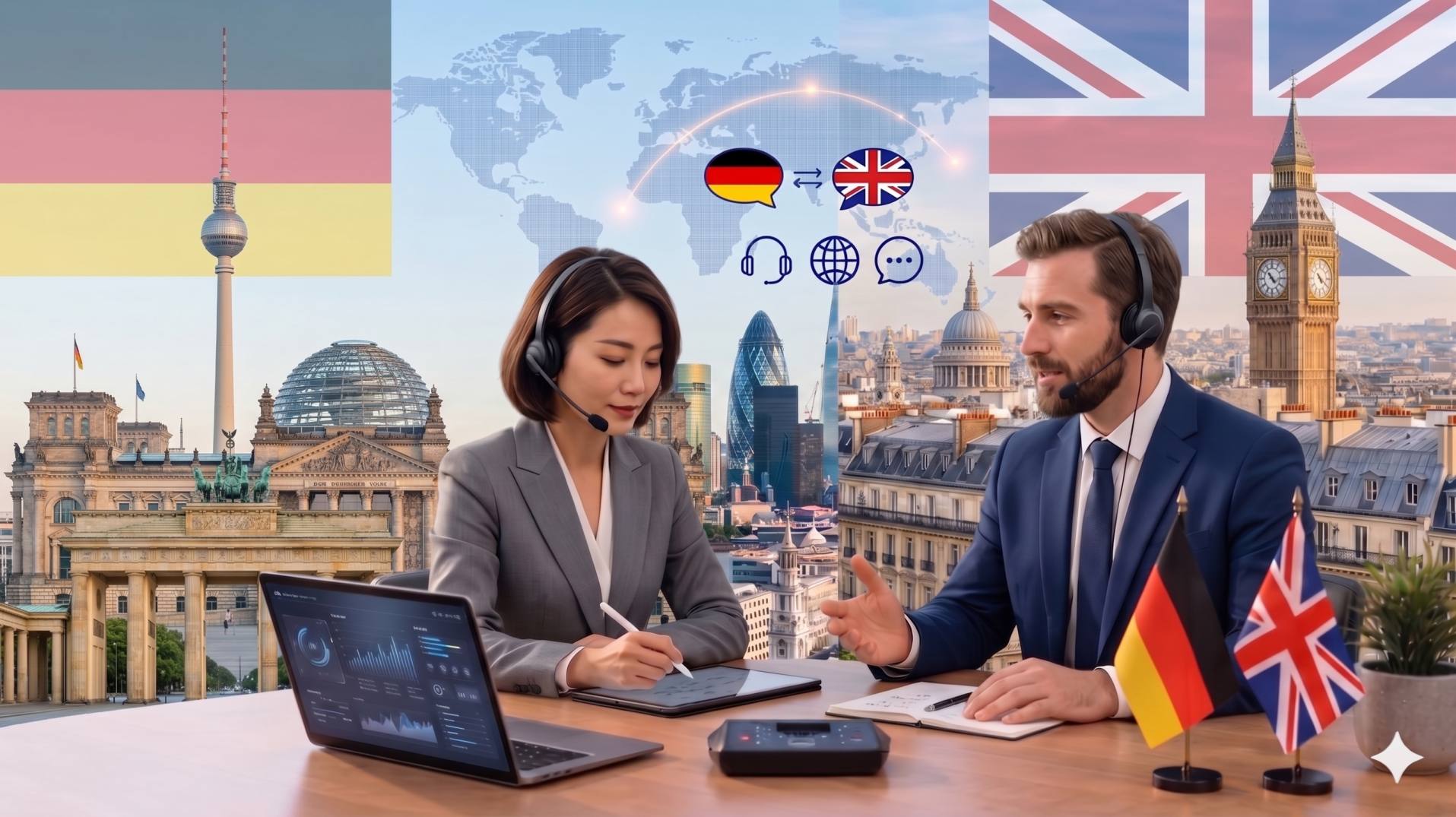
The effectiveness of interpretation hinges on selecting the appropriate modality for the specific context. For an Italian interpreter in Derby, understanding these modalities is key to providing seamless communication. Simultaneous interpretation is used in settings where participants need to communicate in real-time, such as conferences, large meetings, or live broadcasts. The interpreter, often working from a soundproof booth with specialized equipment, listens to the speaker and interprets their message with minimal delay, typically within a few seconds. This requires immense concentration and rapid processing. Consecutive interpretation is more common in smaller meetings, one-on-one discussions, or legal depositions. Here, the interpreter speaks after the source speaker has finished a segment of their speech or a complete sentence. This allows for more deliberate phrasing and a deeper focus on accuracy, though it naturally extends the duration of the interaction. Escort interpretation, also known as liaison interpretation, facilitates communication between two or more parties who speak different languages in informal settings, such as business meetings, site visits, or social events. The interpreter acts as a bridge, conveying messages back and forth, often with a more conversational tone. Finally, remote interpretation has become increasingly prevalent, utilising telephone or video conferencing technology. This modality offers flexibility and cost-effectiveness, allowing interpreters to connect with clients regardless of geographical location. For remote services, ensuring a stable internet connection and appropriate audio equipment is crucial for maintaining clarity and professionalism. Each modality requires a distinct skill set and preparation, and a professional interpreter will advise on the most suitable option based on the client’s needs and the event’s nature.
Economic and Social Fabric of Derby
Derby, a city with a rich industrial heritage and a forward-looking economy, benefits significantly from the presence of skilled linguists who can bridge communication gaps. The ability to engage with international partners, serve a diverse local population, and access global markets is enhanced by professional interpretation and translation services.
Corporate and Industry
Derby’s economy is historically linked to manufacturing, particularly in the aerospace and automotive sectors, with major employers like Rolls-Royce and Toyota having a significant presence. For these and other businesses operating in Derby, effective communication with international suppliers, clients, and workforce members is essential. An Italian interpreter in Derby can facilitate crucial business meetings, contract negotiations, technical training sessions, and international collaborations. This ensures that business objectives are clearly understood, potential misunderstandings are minimised, and strong professional relationships can be built, contributing to the city’s economic competitiveness on a global scale. Professional standards, often benchmarked by organisations like the International Association of Conference Interpreters (AIIC) for conference settings, ensure that corporate clients receive a high level of service.
Tourism
While not its primary economic driver, tourism plays a role in Derby’s economy, attracting visitors interested in its industrial history, the nearby Peak District National Park, and cultural attractions. For Italian tourists visiting Derby, having access to Italian-speaking services, whether in hotels, restaurants, or visitor centres, enhances their experience. While not always requiring formal interpretation, the availability of translation for signage and information materials, and the presence of interpreters for organised tours or specific events, can significantly boost the visitor economy. This contributes to Derby’s reputation as a welcoming destination.
Legal Infrastructure
Derby possesses a robust legal infrastructure, including numerous law firms and access to HMCTS facilities. These legal professionals frequently encounter clients and cases involving individuals who speak Italian. The need for accurate legal interpretation is therefore substantial, covering everything from initial client consultations and document review to courtroom appearances. Law firms in Derby that specialise in areas such as personal injury, corporate law, or immigration services rely on qualified Italian interpreters to ensure they can effectively represent their clients and comply with legal obligations. The Law Society promotes professional standards, and the use of NRPSI-qualified interpreters aligns with these expectations for justice and client care.
NHS Healthcare
As previously detailed, the NHS is a critical service provider in Derby. The city is served by various NHS trusts and primary care services, catering to a diverse population. The requirement for Italian interpretation within the healthcare setting is driven by the need to ensure that all patients, regardless of their language, receive safe, effective, and person-centred care. This includes general practitioners, hospital specialists, mental health services, and community health teams. The NHS Language Services framework and the CQC‘s focus on communication underscore the importance of professional interpreters in maintaining patient trust and adherence to treatment plans. The Derby City Council Public Health department also works to ensure health information is accessible to all communities.
Local Infrastructure and Transport
Derby’s infrastructure supports its economic and social functions, and professional interpretation services are integral to ensuring these systems are accessible to all residents and visitors. The city benefits from good transport links, including a major railway station connecting it to London, Birmingham, and other key UK cities. Road networks, such as the A38, A50, and proximity to the M1, facilitate movement within the region and beyond. For businesses and public services operating in Derby, understanding the needs of an Italian-speaking population is crucial. This includes providing information in Italian on public transport services, council services, and emergency procedures. The Derby City Council plays a key role in coordinating local services, and ensuring language access is a component of effective public service delivery. Professional interpreters can assist in community engagement initiatives, public consultations, and ensuring that vital information reaches all segments of the population. The presence of a reliable Italian interpreter in Derby thus underpins the effective functioning of the city’s infrastructure and its commitment to inclusivity.
Conclusion
In conclusion, the demand for a professional Italian interpreter in Derby spans across the legal, healthcare, corporate, and public service sectors. Ensuring accurate, confidential, and culturally appropriate communication is not only a matter of compliance with UK regulations and professional standards but is fundamental to upholding individual rights, ensuring patient safety, and fostering robust economic and social engagement. Whether you require an Italian translator in Derby for written documents or a certified interpreter for live interactions within HMCTS courts, the Home Office, NHS trusts like Derbyshire Community Health Services NHS Trust, or corporate boardrooms, engaging accredited professionals is essential. We provide expert Italian interpretation and translation services tailored to the specific needs of Derby’s professional landscape. Contact us today to discuss your requirements and ensure seamless communication for your organisation.