
Securing a qualified Italian interpreter in Huddersfield is paramount for effective communication across diverse sectors, from legal proceedings to critical healthcare interactions. Huddersfield, a vibrant West Yorkshire town, relies on robust linguistic support to bridge communication gaps, ensuring that all residents and visitors can access essential services. This is particularly vital within the National Health Service (NHS), where clear understanding can be a matter of life and death. Key NHS trusts serving the Huddersfield area, such as the Calderdale and Huddersfield NHS Foundation Trust and the Mid Yorkshire Teaching NHS Trust, are committed to providing language assistance to patients with limited English proficiency, adhering to strict NHS England guidelines. This commitment extends to ensuring that all communication, including that involving Italian speakers, meets the highest standards of accuracy and cultural sensitivity, underpinned by UK data protection laws like UK GDPR.
Understanding the Nuances: Translation vs. Interpretation
While often used interchangeably, translation and interpretation are distinct linguistic disciplines, each requiring specialised skills and adhering to different professional standards. An Italian translator in Huddersfield works with written text, converting documents, contracts, websites, and other written materials from Italian to English or vice versa. This process allows for meticulous review, editing, and proofreading to ensure absolute accuracy and stylistic fidelity. Conversely, an Italian interpreter in Huddersfield facilitates spoken communication in real-time. This involves listening to a speaker in one language and rendering their message accurately and fluently in another. The interpreter must possess not only linguistic proficiency but also a deep understanding of cultural nuances, subject matter, and the specific context of the interaction. Professional bodies like the Chartered Institute of Linguists (CIOL) and the International Association of Conference Interpreters (AIIC) set high standards for both translators and interpreters, ensuring professionalism and ethical conduct. For those seeking to become accredited interpreters in the UK, qualifications such as the National Register of Public Service Interpreters (NRPSI) or the Diploma in Public Service Interpreting (DPSI) are highly regarded, particularly within public service sectors.
Legal Defence, Immigration, and Courtroom Interpretation
The UK’s justice system, overseen by His Majesty’s Courts and Tribunals Service (HMCTS), demands absolute clarity and impartiality. For Italian speakers involved in legal matters, whether as defendants, witnesses, or parties to a civil dispute, access to a qualified Italian interpreter in Huddersfield is a fundamental right. This ensures that proceedings before HMCTS, including those at the Magistrates’ Courts, County Courts, and the higher courts, are fair and accessible. Immigration law is another critical area where expert interpretation is indispensable. Individuals navigating the complexities of visa applications, asylum claims, or appeals before the First-tier Immigration Tribunal require precise communication with UK Visas and Immigration (UKVI) officials and their legal representatives. Solicitors and barristers specialising in immigration law frequently engage professional interpreters to ensure their clients fully understand the legal processes and can effectively present their cases. The Home Office mandates clear communication in all immigration-related interactions. Professional interpreters working in this field often hold qualifications recognised by the NRPSI or DPSI, demonstrating their competence in legal terminology and ethical practice. The Royal Courts of Justice and other judicial centres across the UK rely on a network of accredited interpreters to uphold the principles of justice. The National Register of Public Service Interpreters (NRPSI) maintains a list of qualified interpreters, ensuring that legal professionals can find individuals who meet stringent standards for accuracy, impartiality, and confidentiality, which are crucial in sensitive legal contexts.
Healthcare and NHS Patient Safety
Patient safety within the NHS is a cornerstone of UK healthcare policy, and effective communication is integral to achieving this. For Italian-speaking patients in Huddersfield, accessing healthcare services without a language barrier is essential for accurate diagnosis, treatment, and informed consent. The Care Quality Commission (CQC), the independent regulator of health and social care in England, emphasises the importance of accessible communication in its inspections and ratings. NHS trusts, including the Calderdale and Huddersfield NHS Foundation Trust, are legally and ethically bound to provide interpretation services for patients who require them. This is in line with NHS England’s Language Access guidelines, which stipulate that language support should be readily available. An Italian interpreter in Huddersfield plays a vital role in GP surgeries, hospital appointments, emergency departments, and mental health services. They ensure that patients understand medical advice, treatment options, and their rights, while also enabling healthcare professionals to gather accurate patient histories and provide culturally competent care. Compliance with UK GDPR is also critical, ensuring that patient confidentiality is maintained during interpretation sessions. The Mid Yorkshire Teaching NHS Trust, which also serves the wider region, similarly prioritises language access to ensure equitable care for all its patients. The use of unqualified interpreters or relying on family members can lead to misunderstandings, errors in diagnosis, and compromised patient safety, which is why professional, accredited interpreters are indispensable.
Technical Interpretation Modalities
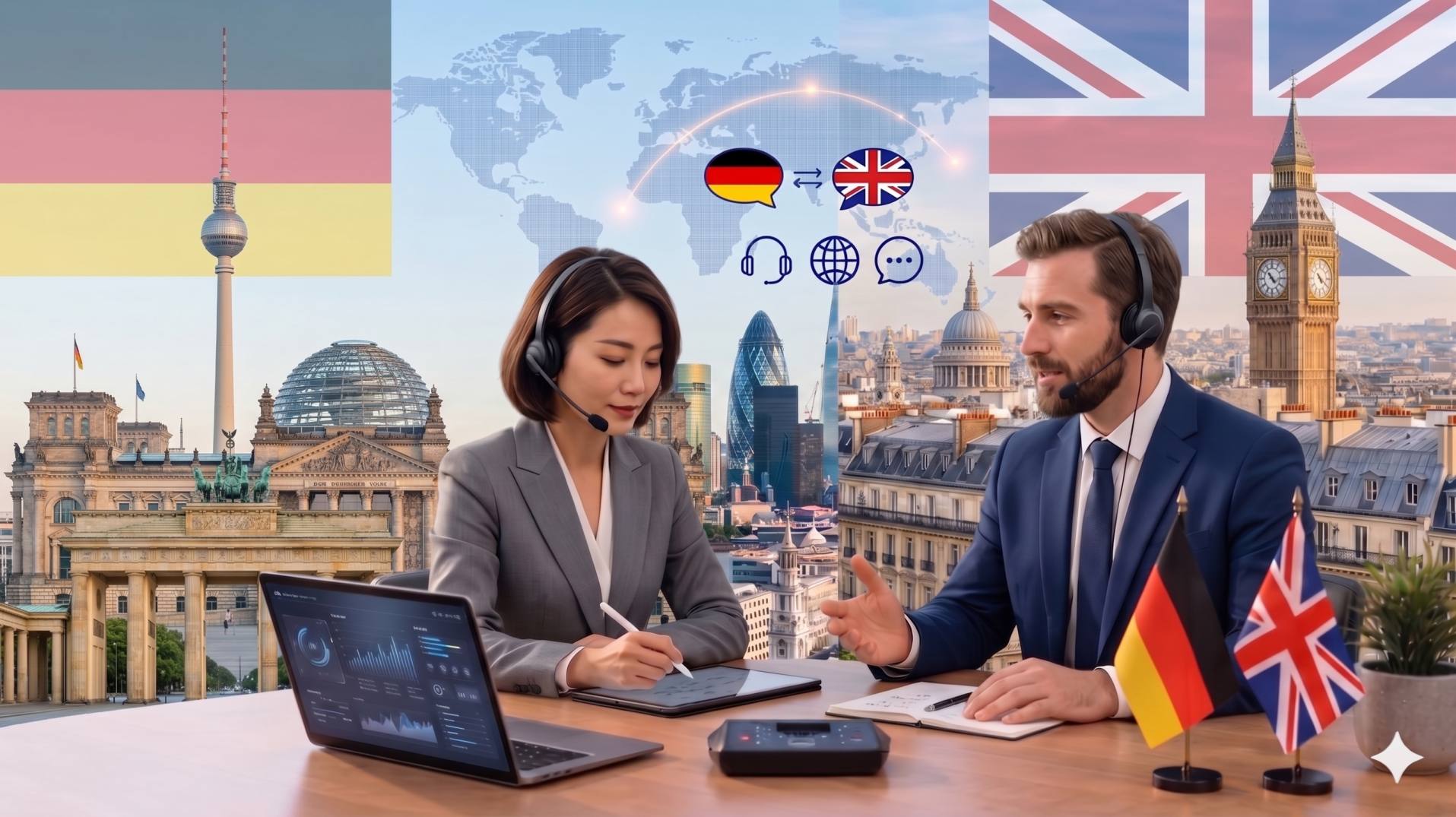
The effectiveness of an Italian interpreter in Huddersfield is often determined by the modality of interpretation employed, which must be suited to the specific situation. Simultaneous interpretation is commonly used in conferences, large meetings, or parliamentary settings where speakers talk continuously, and the interpreter conveys the message with minimal delay, often using specialised equipment like booths and headsets. This requires intense concentration and rapid processing. Consecutive interpretation is more suited to smaller meetings, interviews, or legal depositions, where the interpreter listens to a segment of speech, pauses, and then renders the message in the target language. This allows for more deliberate phrasing and clarification. Escort interpretation, also known as liaison interpretation, is often used in business negotiations, site visits, or social gatherings. The interpreter acts as a cultural bridge, facilitating smooth communication between parties who may not share a common language, often providing informal translations and cultural insights. For remote interactions, remote interpretation services, including telephone interpreting (OPI) and video remote interpreting (VRI), have become increasingly prevalent. These services leverage technology to connect clients with interpreters anywhere in the world, offering flexibility and cost-effectiveness, particularly for urgent or infrequent language needs. Professional interpreters are trained in all these modalities, ensuring they can adapt to the demands of diverse settings, from high-stakes courtrooms to routine medical consultations, always adhering to the professional standards set by bodies like the CIOL and the AIIC.
Economic and Social Fabric of Huddersfield
Corporate and Industry
Huddersfield boasts a diverse economic landscape, with strengths in manufacturing, engineering, and the creative industries. For businesses operating internationally or engaging with Italian partners, reliable Italian interpretation and translation services are crucial. This includes facilitating communication during contract negotiations, product launches, technical support, and international trade fairs. The presence of a skilled Italian interpreter in Huddersfield supports local businesses in expanding their global reach and fostering stronger international relationships. Professional bodies like the Department for Business and Trade encourage export growth, and linguistic support is a key enabler for UK companies looking to engage with markets like Italy.
Tourism
While not a primary tourist hub, Huddersfield attracts visitors for its historical architecture, cultural events, and as a gateway to the Yorkshire Dales. Italian tourists and business visitors contribute to the local economy. Ensuring they have access to information and services in their native language enhances their experience and encourages repeat visits. Local hotels, restaurants, visitor information centres, and event organisers can benefit from Italian language support, whether through translated materials or on-site interpretation services, making Huddersfield more welcoming to international guests.
Legal Infrastructure
Huddersfield has a well-established legal sector, with numerous law firms serving local and regional clients. These firms often handle cases involving international elements, including family law, commercial disputes, and criminal defence, where Italian speakers may be involved. Access to accredited Italian interpreters is vital for these firms to represent their clients effectively before His Majesty’s Courts and Tribunals Service (HMCTS) and other legal bodies. The availability of qualified interpreters ensures that justice is accessible to all, regardless of their linguistic background, upholding the principles of fairness and due process within the UK legal framework.
NHS Healthcare
As previously highlighted, the healthcare sector in Huddersfield, primarily served by the Calderdale and Huddersfield NHS Foundation Trust and the wider Mid Yorkshire Teaching NHS Trust, places a strong emphasis on patient-centred care. The presence of a significant Italian-speaking population necessitates readily available, professional interpretation services. This ensures that all patients receive high-quality care, understand their health conditions, and can participate actively in their treatment decisions, aligning with the core values of the NHS and the regulatory standards set by the CQC.
Local Infrastructure and Transport
Huddersfield benefits from good transport links, including a major railway station connecting it to cities like Leeds, Manchester, and London, and proximity to major motorways such as the M62. This connectivity facilitates the movement of people and goods, supporting both business and leisure travel. For international visitors and professionals, clear signage and information in multiple languages, including Italian where appropriate, can enhance their experience. The availability of professional Italian interpreters also supports businesses and public services that rely on these transport networks, ensuring smooth operations and accessibility for all users. The Kirklees Council, responsible for local governance, plays a role in maintaining and developing this infrastructure, aiming to serve a diverse population effectively.
Conclusion
For any organisation or individual in Huddersfield requiring precise and confidential communication with Italian speakers, engaging a professional Italian interpreter in Huddersfield is not merely a convenience but a necessity. Whether navigating the complexities of the UK legal system, ensuring patient safety within the NHS, or fostering international business relationships, the role of a qualified interpreter is indispensable. By adhering to the rigorous standards set by UK professional bodies and regulatory authorities, these linguists provide a vital service that upholds fairness, promotes understanding, and supports the vibrant economic and social life of Huddersfield and beyond. We urge law firms, NHS trusts, government agencies, and businesses to prioritise professional linguistic support to guarantee effective communication and compliance with UK standards.