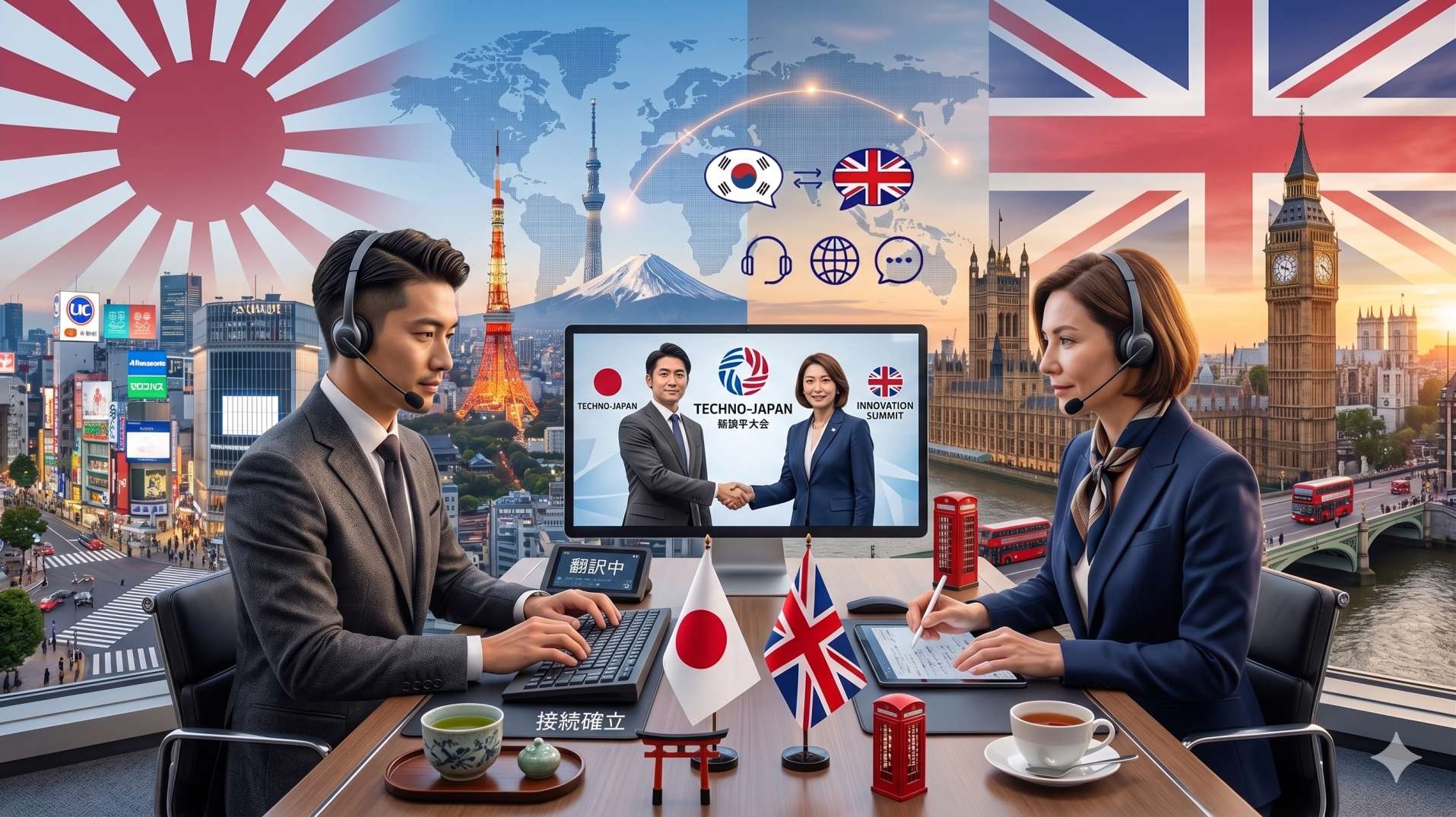

Securing a highly qualified Japanese interpreter in Cheltenham is paramount for effective communication across diverse sectors, from legal proceedings and healthcare consultations to international business dealings. Cheltenham, a vibrant spa town in Gloucestershire, benefits from a robust professional services ecosystem, and the need for accurate, culturally sensitive language support is growing. This demand extends to ensuring that all parties, regardless of their primary language, can fully understand and participate in critical discussions, adhering strictly to UK professional standards and legal frameworks. For residents and businesses in Cheltenham requiring Japanese language assistance, particularly within the NHS, accessing accredited professionals is key to patient safety and equitable care. The Gloucestershire Hospitals NHS Foundation Trust, serving Cheltenham General Hospital and the surrounding areas, and the Wye Valley NHS Trust, which also provides services to some parts of Gloucestershire, both operate under stringent NHS England Language Access guidelines, underscoring the necessity for qualified interpreters.
Translation vs Interpretation: Precision in Language Services
While often used interchangeably, translation and interpretation are distinct linguistic disciplines, each requiring specialised skills and adherence to professional standards. A Japanese translator in Cheltenham works with written text, converting documents, reports, websites, and other materials from Japanese to English or vice versa. This process demands meticulous attention to detail, an understanding of stylistic nuances, and often, subject-specific knowledge to ensure accuracy and fidelity to the original meaning. Professional translators in the UK typically hold qualifications from bodies like the Chartered Institute of Linguists (CIOL) or have demonstrated equivalent expertise. Conversely, a Japanese interpreter in Cheltenham facilitates spoken communication in real-time. This involves listening to a speaker in one language and rendering their message accurately and fluently in another. The role of an interpreter is dynamic, requiring not only linguistic proficiency but also cultural awareness, impartiality, and the ability to manage complex communication flows, especially in high-stakes environments such as legal settings or medical consultations. Professional interpreters are often accredited by organisations such as the National Register of Public Service Interpreters (NRPSI) or hold the Diploma in Public Service Interpreting (DPSI), ensuring they meet the rigorous standards expected by UK public bodies.
Legal Defence, Immigration, and Courtroom Interpretation
The UK’s legal system, governed by principles of natural justice and fairness, mandates that all individuals have access to justice, irrespective of their language proficiency. For Japanese speakers involved in legal matters in Cheltenham, securing a qualified interpreter is not merely a convenience but a fundamental right. His Majesty’s Courts and Tribunals Service (HMCTS) requires interpreters to be impartial, accurate, and bound by a strict code of conduct. This is particularly crucial in criminal and civil court proceedings, family law cases, and tribunals. Interpreters working within this domain must possess a deep understanding of legal terminology and procedures, often holding qualifications like the DPSI or being registered with the NRPSI. The Home Office, through UK Visas and Immigration (UKVI), also relies heavily on professional interpreters for asylum interviews, visa applications, and other immigration-related processes. Ensuring accurate interpretation in these sensitive situations is vital for the integrity of the immigration system and for individuals seeking to navigate the complexities of UK immigration law. The First-tier Immigration Tribunal, for instance, will often require certified interpreters to ensure all evidence and arguments are correctly understood. A professional Japanese interpreter in Cheltenham can provide essential support for solicitors and their clients engaging with the UK legal framework, from initial consultations to appearances before HMCTS.
Healthcare and NHS Patient Safety
Patient safety and equitable access to healthcare are cornerstones of the National Health Service (NHS). For Japanese-speaking patients in Cheltenham, effective communication with healthcare professionals is critical for accurate diagnosis, treatment, and overall well-being. The NHS England Language Access guidelines stipulate that patients have the right to access interpretation services when needed, ensuring that language barriers do not impede the quality of care received. This is particularly relevant for services provided by the Gloucestershire Hospitals NHS Foundation Trust, which operates Cheltenham General Hospital. Interpreters working within the NHS must not only be linguistically competent but also understand medical terminology and the sensitive nature of healthcare interactions. They are expected to adhere to strict confidentiality agreements and professional codes of conduct, often verified through bodies like the NRPSI. Compliance with UK GDPR is also essential, ensuring that patient data and sensitive personal information are handled with the utmost care and security. The Care Quality Commission (CQC) also plays a role in ensuring that healthcare providers meet the needs of all patients, including those with limited English proficiency. A skilled Japanese interpreter in Cheltenham can bridge the communication gap, enabling patients to articulate their symptoms, understand treatment plans, and make informed decisions about their health, thereby enhancing patient safety and satisfaction within the NHS framework.
Technical Interpretation Modalities
The effectiveness of interpretation hinges on selecting the appropriate modality for the specific context. For a Japanese interpreter in Cheltenham, understanding these different modes is crucial for delivering optimal results. Simultaneous interpretation is commonly used in conferences, large meetings, or courtrooms where the interpreter conveys the message almost instantaneously while the speaker is still talking, often using specialised equipment. Consecutive interpretation is employed in smaller settings, such as business negotiations, medical appointments, or legal interviews, where the interpreter speaks after the source speaker has finished a segment of speech. Escort interpretation (also known as liaison interpretation) facilitates communication between parties speaking different languages in social or business settings, such as accompanying clients on tours or during informal meetings. In the modern era, remote interpretation, including telephone interpreting (OPI) and video remote interpreting (VRI), has become increasingly prevalent, offering flexibility and cost-effectiveness, especially for routine appointments or when on-site interpreters are unavailable. Professional organisations like the Association of Interpreters and Translators (AIIC) provide guidance on best practices for various interpretation modes, ensuring quality and ethical standards are maintained across all service types.
Economic and Social Fabric of Cheltenham
Cheltenham boasts a dynamic economic landscape, characterised by a blend of established industries and emerging sectors. The town’s prosperity is underpinned by a strong professional services sector, a growing technology presence, and its appeal as a tourist destination. Understanding this local context is vital for providing tailored language services.
Corporate and Industry
Cheltenham is home to a significant number of businesses, including those in finance, technology, and professional services. Many of these organisations engage in international trade or collaborate with Japanese companies. The need for accurate translation of business documents, contracts, and marketing materials, as well as professional interpretation for meetings, conferences, and negotiations, is therefore substantial. A qualified Japanese interpreter in Cheltenham can facilitate seamless communication, fostering stronger business relationships and supporting the town’s economic growth. Adherence to UK business law and professional standards is non-negotiable in these interactions.
Tourism
As a renowned spa town and host of major events like the Cheltenham Festival, the town attracts a considerable number of international visitors, including those from Japan. Providing Japanese language support, whether through translated visitor information, multilingual staff, or on-site interpretation services, enhances the visitor experience and boosts the local tourism economy. This aligns with the UK’s broader strategy to promote tourism and cultural exchange.
Legal Infrastructure
Cheltenham possesses a well-established legal community, with numerous law firms and access to courts and tribunals. The presence of Japanese nationals or businesses involved in legal disputes or requiring legal advice necessitates the availability of specialised legal interpreters and translators. These professionals must be familiar with UK legal terminology and procedures, working in compliance with HMCTS regulations and professional standards set by bodies like the NRPSI.
NHS Healthcare
The healthcare sector in Cheltenham, primarily served by the Gloucestershire Hospitals NHS Foundation Trust, is a critical area where language services are indispensable. Ensuring that Japanese-speaking patients can communicate effectively with medical staff is vital for their health outcomes and aligns with the NHS’s commitment to providing accessible and equitable care to all residents, in line with NHS England’s Language Access Policy and UK GDPR requirements.
Local Infrastructure and Transport
Cheltenham benefits from good transport links, including road and rail networks, facilitating the movement of people and goods. The town is served by major road networks such as the M5 motorway, and its railway station provides connections to London and other key UK cities. This infrastructure supports the accessibility of professional services, including Japanese interpretation and translation, to businesses and individuals not only within Cheltenham but also across the wider Gloucestershire region and beyond. Reliable transport infrastructure is essential for interpreters travelling to client sites, whether for court appearances, hospital visits, or corporate meetings, ensuring punctuality and professionalism in line with UK service expectations.
Conclusion
In conclusion, the need for professional Japanese interpreter in Cheltenham services is multifaceted, spanning critical areas such as legal defence, immigration, healthcare, and international business. Ensuring access to qualified, accredited interpreters and translators is fundamental to upholding justice, safeguarding patient safety, and fostering economic prosperity within the UK’s regulatory framework. By engaging with certified professionals who understand the nuances of both languages and the specific requirements of UK institutions like HMCTS and the NHS, individuals and organisations in Cheltenham can overcome language barriers and achieve their objectives with confidence and accuracy. For any requirement, from a certified Japanese translator in Cheltenham for official documents to a skilled interpreter for sensitive legal or medical consultations, seeking out NRPSI-registered or DPSI-qualified professionals is the benchmark for quality and reliability.