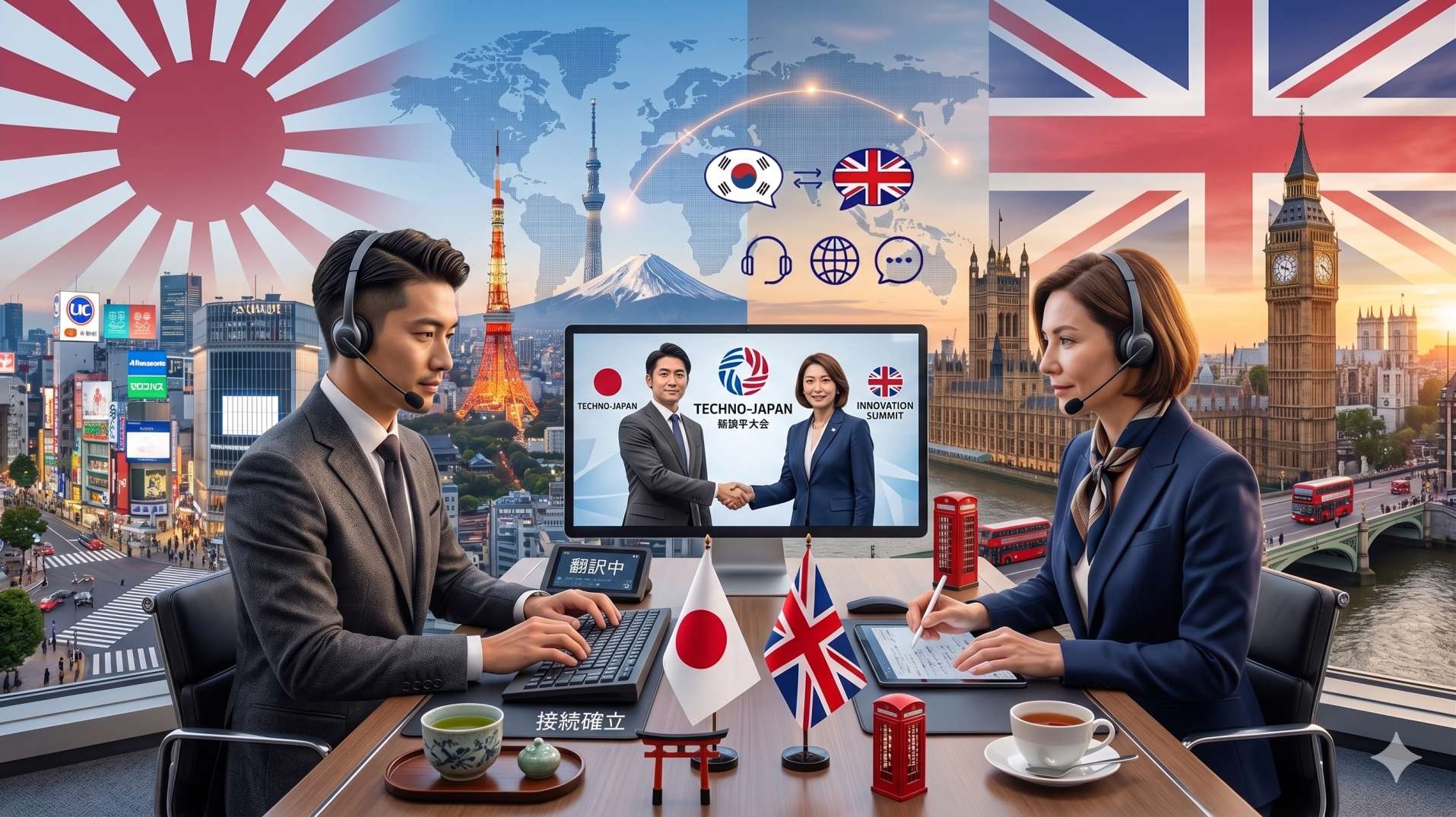
Securing a qualified Japanese interpreter in Glasgow is paramount for effective communication across critical sectors within the United Kingdom. Whether engaging with the National Health Service (NHS), navigating the complexities of His Majesty’s Courts and Tribunals Service (HMCTS), or facilitating international business dealings, the need for precise and culturally nuanced interpretation is non-negotiable. Glasgow, a vibrant hub of commerce and culture in Scotland, requires specialised linguistic support to bridge communication gaps, ensuring that all parties, regardless of their primary language, receive equitable access to services and justice. For residents and visitors requiring Japanese language services, connecting with accredited professionals is key to upholding standards of care, legal due process, and business integrity. This is particularly vital when interacting with leading NHS providers such as NHS Greater Glasgow and Clyde and NHS 24, where accurate understanding can directly impact patient safety and outcomes.
Translation vs Interpretation
While often used interchangeably, translation and interpretation are distinct linguistic disciplines, each requiring specialised skills and training. Understanding this difference is crucial when seeking professional language support in Glasgow. Interpretation involves the live rendition of spoken or signed communication from one language to another. This requires not only fluency in both the source and target languages but also an acute awareness of cultural context, non-verbal cues, and the ability to think and react instantaneously. A professional Japanese translator in Glasgow, conversely, works with written text, converting documents, websites, or other written materials from one language to another. This process allows for more time for research, editing, and refinement to ensure accuracy and stylistic fidelity. For legal proceedings, medical consultations, or business negotiations, where immediate understanding is critical, a skilled Japanese interpreter is indispensable. The professional standards for interpreters in the UK are rigorously maintained by bodies like the National Register of Public Service Interpreters (NRPSI), ensuring that practitioners meet stringent qualifications for accuracy, impartiality, and confidentiality.
Legal Defence, Immigration, and Courtroom Interpretation
The UK’s legal system, administered through His Majesty’s Courts and Tribunals Service (HMCTS), relies heavily on clear communication to ensure justice is served. For individuals who do not speak English as a primary language, access to qualified interpreters is a fundamental right. In Glasgow, Japanese interpreters play a vital role in various legal contexts, including criminal and civil court proceedings, family law matters, and tribunal hearings. These interpreters must adhere to strict codes of conduct, maintaining impartiality and confidentiality as mandated by professional bodies such as the NRPSI and the Diploma in Public Service Interpreting (DPSI). The Home Office and UK Visas and Immigration (UKVI) also require certified Japanese interpretation for asylum claims, visa applications, and other immigration-related interviews. Failure to provide accurate interpretation can have severe consequences, potentially leading to miscarriages of justice or the denial of essential legal protections. Professional interpreters ensure that all parties, including defendants, witnesses, legal representatives, and judges, can fully understand the proceedings and contribute effectively. The First-tier Immigration Tribunal, for instance, often requires specialist interpreters to handle complex cases involving individuals from diverse linguistic backgrounds.
Healthcare and NHS Patient Safety
Patient safety and equitable access to healthcare are cornerstones of the UK’s National Health Service (NHS). In Glasgow, where a diverse population relies on services provided by trusts such as NHS Greater Glasgow and Clyde, the availability of professional Japanese interpreters is critical. Medical consultations, diagnostic procedures, and treatment plans all require clear communication between healthcare professionals and patients. Misunderstandings arising from language barriers can lead to diagnostic errors, incorrect medication dosages, non-compliance with treatment, and significant distress for patients and their families. The NHS adheres to strict guidelines regarding language access, as outlined by NHS England Language Access guidelines, ensuring that patients have access to competent interpreters when needed. Professional interpreters working within the NHS must not only possess linguistic proficiency but also a thorough understanding of medical terminology and the sensitive nature of healthcare interactions. They are bound by confidentiality agreements and the UK General Data Protection Regulation (UK GDPR), ensuring patient privacy is maintained. Regulatory bodies like the Care Quality Commission (CQC) also emphasise the importance of effective communication in assessing the quality and safety of healthcare services. For Japanese-speaking patients in Glasgow, access to accredited interpreters facilitates informed consent, shared decision-making, and ultimately, better health outcomes.
Technical Interpretation Modalities
The effectiveness of interpretation hinges on selecting the appropriate modality for the specific situation. Professional Japanese interpreters in Glasgow are proficient in various techniques, each suited to different environments and communication needs. Simultaneous interpretation is commonly used in conferences, large meetings, or courtrooms where speakers talk continuously. The interpreter, often working from a soundproof booth with specialised equipment, renders the speech into the target language with minimal delay. Consecutive interpretation is employed in smaller settings, such as one-on-one meetings, medical appointments, or interviews, where the speaker pauses after a segment of speech, allowing the interpreter to convey the message. This method requires excellent note-taking skills and memory. Escort interpretation, also known as liaison interpretation, facilitates communication between two or more parties who speak different languages in informal settings, such as business meetings, site visits, or social events. The interpreter acts as a bridge, ensuring smooth dialogue and cultural understanding. Increasingly, remote interpretation services are becoming prevalent, utilising telephone or video conferencing technology. This modality offers flexibility and cost-effectiveness, particularly for urgent or infrequent language needs, connecting clients in Glasgow with interpreters anywhere in the world. Regardless of the modality, adherence to professional standards set by organisations like the Chartered Institute of Linguists (CIOL) ensures quality and reliability.
Economic and Social Fabric of Glasgow
Glasgow’s dynamic economy and rich cultural tapestry necessitate robust linguistic support to foster international connections and ensure inclusivity. The city’s growth as a centre for finance, technology, and creative industries, coupled with its appeal as a tourist destination, means that professional Japanese interpretation and translation services are in high demand.
Corporate and Industry Engagement
As a major economic hub in Scotland, Glasgow attracts significant international investment and hosts numerous multinational corporations. Japanese companies looking to establish or expand their presence in the city, or UK-based firms engaging in trade with Japan, require expert Japanese interpreters for crucial business interactions. This includes contract negotiations, product launches, technical consultations, and internal communications. High-calibre interpretation ensures that business objectives are clearly understood, fostering strong partnerships and mitigating risks associated with miscommunication. Professional bodies like the International Association of Conference Interpreters (AIIC) set global standards that many UK-based interpreters strive to meet, ensuring a high level of service for corporate clients.
Tourism and Cultural Exchange
Glasgow’s vibrant arts scene, historical landmarks, and world-class sporting facilities draw tourists from across the globe, including a growing number from Japan. For hotels, museums, tour operators, and event organisers, providing Japanese language support enhances the visitor experience, encouraging repeat business and positive word-of-mouth referrals. Interpreters can facilitate guided tours, assist with visitor inquiries, and ensure that cultural nuances are respected, making Japanese tourists feel welcome and valued. This contributes directly to Glasgow’s reputation as an internationally welcoming city.
Legal Infrastructure
The city’s comprehensive legal infrastructure, encompassing solicitors’ firms, corporate legal departments, and branches of national law firms, frequently requires Japanese language services. Matters ranging from international commercial disputes to personal legal advice for Japanese residents or visitors necessitate the expertise of qualified interpreters. These professionals ensure that legal advice is accurately conveyed and that clients fully understand their rights and obligations within the UK legal framework, overseen by institutions like the Royal Courts of Justice in London, which sets precedents for the entire UK judicial system.
NHS Healthcare Access
As detailed previously, the provision of accessible and high-quality healthcare is a priority for Glasgow. The presence of a Japanese-speaking population, whether residents, students, or temporary visitors, requires the NHS to ensure that language is not a barrier to receiving care. Specialist interpreters are essential for consultations within NHS Greater Glasgow and Clyde facilities and other healthcare settings, ensuring that all patients receive appropriate medical attention and information in line with UK healthcare standards.
Local Infrastructure and Transport
Glasgow’s robust infrastructure supports its role as a major Scottish city and international gateway. The city is well-served by public transport networks, including extensive bus services, a subway system, and major railway stations connecting it to the rest of the UK. Glasgow Airport (GLA) offers international flights, facilitating travel for business and leisure. For Japanese visitors and professionals, clear signage and information, often requiring translation and interpretation services, are vital for navigating the city efficiently. The availability of Japanese interpreters ensures that individuals can access transport information, book accommodation, and manage their travel logistics seamlessly. This infrastructure, combined with readily available professional language services, makes Glasgow an accessible and attractive location for Japanese individuals and businesses.
Conclusion
For any organisation or individual in Glasgow requiring precise and professional communication with Japanese speakers, engaging a qualified Japanese interpreter in Glasgow is essential. From the critical demands of legal proceedings within HMCTS and immigration matters handled by the Home Office, to ensuring patient safety and understanding within the NHS, the need for expert linguistic services cannot be overstated. We provide accredited Japanese interpretation and translation services tailored to the unique requirements of the UK professional landscape, ensuring clarity, accuracy, and cultural sensitivity. Contact us today to discuss your specific needs and secure the highest standard of Japanese language support in Glasgow and across the UK.