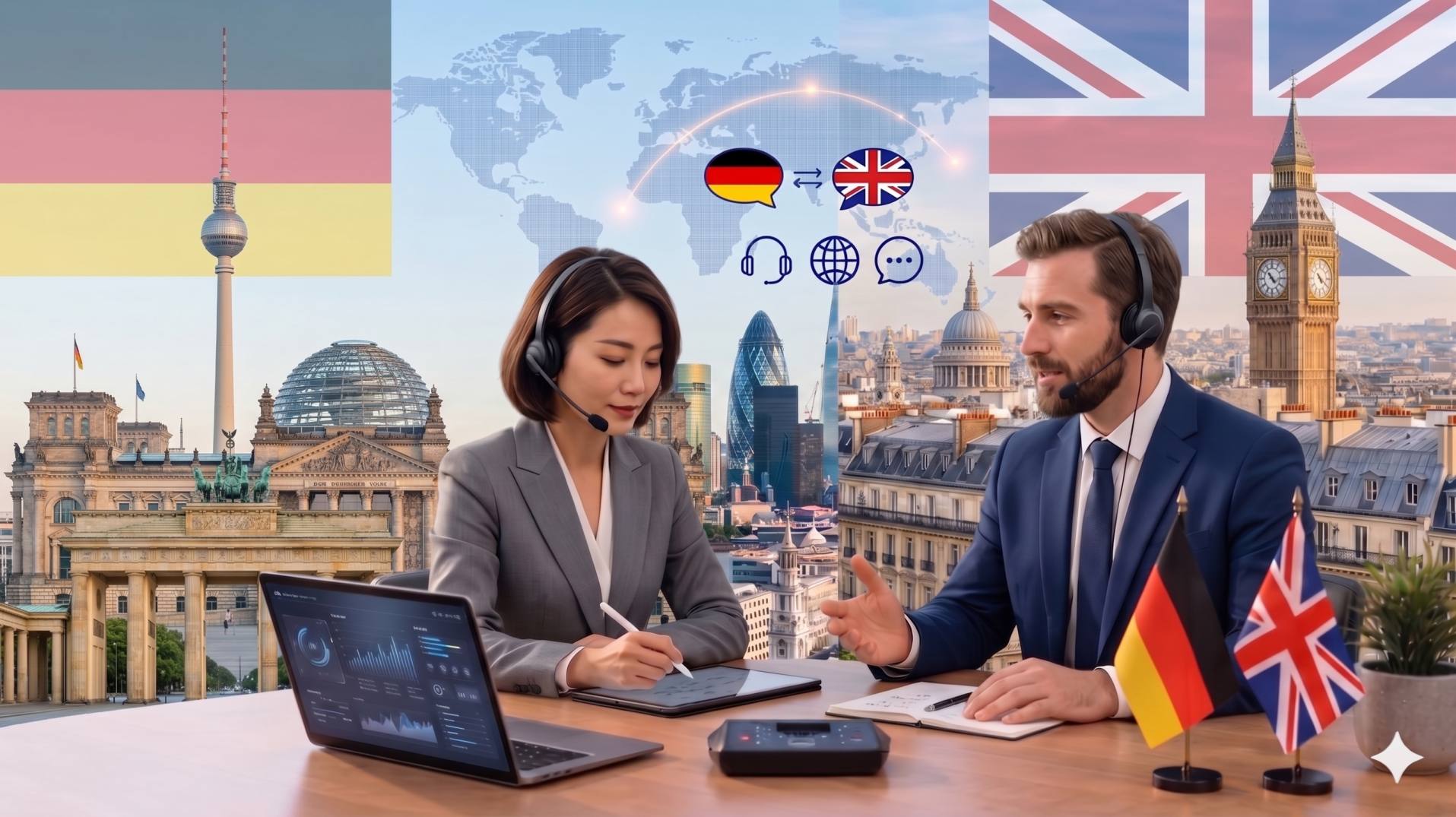
Securing a qualified Japanese interpreter in Harlow is paramount for effective communication across critical sectors within the UK’s professional landscape. Whether engaging with His Majesty’s Courts and Tribunals Service (HMCTS), navigating the complexities of the National Health Service (NHS), or facilitating international business dealings, the need for precise and culturally nuanced interpretation is non-negotiable. Harlow, situated within the economically vibrant East of England, benefits from a growing professional services sector that increasingly requires specialised linguistic support. This is particularly true for Japanese speakers, where cultural understanding combined with linguistic accuracy ensures that legal proceedings, medical consultations, and business negotiations are conducted with the utmost integrity and clarity. For residents and businesses in Harlow, accessing these vital services means connecting with professionals who understand both the local UK context and the intricacies of the Japanese language. The local NHS trusts serving Harlow, such as East Suffolk and North Essex NHS Foundation Trust and Hertfordshire and West Essex Integrated Care Board (which oversees local commissioning), play a crucial role in patient care, underscoring the demand for language services that comply with NHS England’s Language Access guidelines and UK GDPR.
Translation vs Interpretation: Ensuring Clarity in Communication
While often used interchangeably, translation and interpretation are distinct linguistic disciplines, each requiring specialised skills and adherence to professional standards. A Japanese translator in Harlow works with written text, converting documents, contracts, websites, and official correspondence from Japanese to English or vice versa. This process demands meticulous attention to detail, ensuring accuracy in terminology, grammar, and style, often requiring subject matter expertise. Professional bodies like the Chartered Institute of Linguists (CIOL) set high standards for translators, ensuring that the written word accurately reflects the original intent. Conversely, a Japanese interpreter in Harlow facilitates spoken communication in real-time. This involves listening to a speaker in one language and rendering their message accurately and fluently in another. The role of an interpreter is dynamic, requiring not only linguistic proficiency but also cultural awareness, impartiality, and the ability to manage communication flow effectively. For critical settings such as legal hearings or medical appointments, the interpreter’s role is indispensable in bridging communication gaps and ensuring that all parties understand each other fully. Professional interpreters often hold qualifications recognised by bodies such as the National Register of Public Service Interpreters (NRPSI) or the Diploma in Public Service Interpreting (DPSI), signifying their competence in public service settings.
Legal Defence, Immigration, and Courtroom Interpretation
The UK’s legal system, governed by principles of natural justice and fairness, mandates that all individuals, regardless of their linguistic background, have access to justice. For Japanese speakers involved in legal matters in Harlow and across the UK, the presence of a qualified Japanese interpreter in Harlow is essential. This is particularly critical in proceedings before His Majesty’s Courts and Tribunals Service (HMCTS), including criminal courts, civil courts, family courts, and various tribunals. Interpreters ensure that defendants, witnesses, and legal representatives can fully understand proceedings, evidence, and legal advice. The HMCTS relies heavily on accredited interpreters to uphold the integrity of the judicial process. Furthermore, immigration law is a significant area where Japanese interpretation services are vital. Individuals navigating the UK’s immigration system, interacting with the Home Office and UK Visas and Immigration (UKVI), or appearing before the First-tier Immigration Tribunal require interpreters to articulate their cases effectively. The Home Office has stringent requirements for documentation and communication, making accurate interpretation crucial for successful applications and appeals. Professional interpreters working in this field must adhere to strict codes of conduct, often regulated by bodies like the NRPSI, ensuring confidentiality, impartiality, and accuracy. This commitment to professional standards is vital for maintaining trust and ensuring that legal outcomes are based on clear and accurate communication, rather than language barriers.
Healthcare and NHS Patient Safety
Patient safety and effective communication are cornerstones of the UK’s National Health Service (NHS). For Japanese-speaking patients in Harlow, accessing healthcare services requires reliable interpretation to ensure they can fully understand diagnoses, treatment options, and medical advice. The NHS is committed to providing equitable care to all patients, as outlined in NHS England’s Language Access guidelines. This commitment necessitates the availability of qualified interpreters for a wide range of medical interactions, from GP appointments and hospital visits to complex surgical procedures and mental health consultations. The Care Quality Commission (CQC), the independent regulator of health and social care in England, emphasises the importance of effective communication in ensuring patient safety and quality of care. Interpreters play a crucial role in facilitating this communication, ensuring that patients can provide informed consent, ask questions, and express concerns without impediment. Adherence to UK GDPR is also paramount, ensuring that patient confidentiality is maintained at all times. Professional Japanese interpreters working within the NHS must possess not only linguistic skills but also a thorough understanding of medical terminology and the ethical considerations involved in healthcare settings. This ensures that sensitive medical information is conveyed accurately and respectfully, fostering trust between patients and healthcare providers. The availability of a skilled Japanese interpreter in Harlow directly contributes to better health outcomes and a more positive patient experience within the local healthcare system.
Technical Interpretation Modalities
The effective delivery of interpretation services relies on employing the appropriate modality to suit the specific context and requirements of the communication. For a Japanese interpreter in Harlow, understanding these modalities is key to providing seamless linguistic support. Consecutive interpretation is commonly used in one-on-one meetings, doctor-patient consultations, or small group discussions. The interpreter listens to a segment of speech, waits for the speaker to pause, and then renders the message in the target language. This method allows for a natural flow of conversation but can extend the duration of the interaction. Simultaneous interpretation is employed in larger settings such as conferences, formal presentations, or court hearings where time is critical. The interpreter, often working from a soundproof booth with specialised equipment, listens to the speaker through a headset and interprets their speech into a microphone with minimal delay, typically only a few seconds behind the original speaker. This requires intense concentration and highly developed skills. Escort interpretation (also known as liaison interpretation) is often used for business meetings, factory tours, or social events. The interpreter acts as a cultural bridge, facilitating communication between parties who do not share a common language, often moving with the client. Finally, remote interpretation, facilitated by telephone or video conferencing platforms, has become increasingly prevalent. This modality offers flexibility and cost-effectiveness, allowing access to interpreters regardless of geographical location, provided a stable internet connection is available. Each modality requires a different skill set and preparation, and a professional interpreter will advise on the most suitable option for the client’s needs.
Economic and Social Fabric of Harlow
Harlow’s economic and social landscape is shaped by a blend of historical industrial roots and a forward-looking approach to business and community development. Understanding this local context is crucial for professional service providers, including Japanese interpreters and translators, to effectively serve their clients.
Corporate and Industry Presence
Historically, Harlow was a centre for manufacturing and industry, and while some of that has evolved, the town continues to attract and host a diverse range of businesses. The presence of technology, logistics, and service-based companies means there is a consistent demand for professional communication support. Japanese companies looking to establish or expand their operations in the UK, or UK-based firms engaging with Japanese markets, require expert linguistic services. This includes everything from contract negotiations and technical documentation to internal communications and market research. A skilled Japanese interpreter in Harlow can facilitate these crucial business interactions, ensuring that cultural nuances are respected and business objectives are met efficiently. The proximity to London and major transport links further enhances Harlow’s appeal to international businesses, increasing the need for specialised language services.
Tourism and Cultural Exchange
While not a primary tourist destination, Harlow and its surrounding areas offer attractions and experiences that can draw international visitors. As global travel resumes, fostering cultural exchange and supporting tourism requires accessible communication. For Japanese tourists or business visitors, having access to interpreters can significantly enhance their experience and facilitate smoother interactions, whether for leisure or professional purposes. Local businesses, hotels, and visitor information centres can benefit from having access to translation services for promotional materials and interpretation for direct visitor assistance, contributing to a more welcoming environment.
Legal Infrastructure
Harlow is served by a network of legal professionals and courts, including those under the purview of His Majesty’s Courts and Tribunals Service (HMCTS). The town’s legal infrastructure supports a range of civil and criminal matters. For Japanese nationals or businesses involved in legal disputes, requiring legal advice, or participating in court proceedings, access to qualified Japanese legal interpreters and translators is indispensable. This ensures that all parties understand their rights, obligations, and the proceedings themselves, upholding the principles of justice. The HMCTS operates within a framework that prioritises fair access to justice, making professional linguistic support a critical component of the legal ecosystem.
NHS Healthcare Provision
The healthcare system in Harlow is robust, with local NHS trusts and primary care services providing essential medical care to the community. As mentioned, trusts like East Suffolk and North Essex NHS Foundation Trust and the commissioning bodies overseen by Hertfordshire and West Essex Integrated Care Board are vital. For Japanese-speaking patients, accessing these services without communication barriers is a fundamental right. Professional Japanese interpreters ensure that patients can communicate effectively with doctors, nurses, and other healthcare professionals, leading to more accurate diagnoses, appropriate treatment plans, and improved patient satisfaction. Compliance with NHS England’s Language Access guidelines and UK GDPR is essential, and qualified interpreters are key to meeting these standards.
Local Infrastructure and Transport
Harlow’s strategic location and well-developed infrastructure are significant assets for businesses and residents alike. Excellent transport links, including proximity to major road networks like the M11 and A12, and efficient rail services connecting to London and Stansted Airport, facilitate business travel and logistics. This connectivity is crucial for companies operating internationally, including those with ties to Japan. For Japanese businesses considering Harlow as a base, the ease of access for personnel and goods is a major consideration. Furthermore, the availability of reliable interpretation and translation services complements this infrastructure, ensuring that communication flows as smoothly as physical transport. Whether it’s coordinating international shipments, hosting visiting Japanese delegations, or participating in global supply chains, professional linguistic support is an integral part of leveraging Harlow’s logistical advantages. The town’s commitment to ongoing development, including improvements to local amenities and business parks, further solidifies its position as an attractive location for diverse economic activities requiring seamless cross-cultural communication.
Conclusion
In conclusion, the demand for professional Japanese interpreter in Harlow services is driven by the town’s dynamic economic environment, its integration into the UK’s legal and healthcare systems, and its strategic location. Ensuring clear, accurate, and culturally sensitive communication is not merely a convenience but a necessity for legal compliance, patient safety, and successful business operations. Whether you are a law firm requiring interpretation for HMCTS proceedings, an NHS trust serving Japanese-speaking patients, a corporation engaging with Japanese partners, or an individual navigating UK immigration processes, engaging certified and experienced Japanese interpreters is paramount. We provide expert linguistic solutions tailored to the specific needs of the UK professional services market, ensuring that language barriers are overcome, and your objectives are met with precision and professionalism.
Additional Local Resources
- His Majesty’s Courts and Tribunals Service (HMCTS)
- National Health Service (NHS)
- Home Office
- Care Quality Commission (CQC)
- East Suffolk and North Essex NHS Foundation Trust
- Hertfordshire and West Essex Integrated Care Board
- National Register of Public Service Interpreters (NRPSI)
- Chartered Institute of Linguists (CIOL)