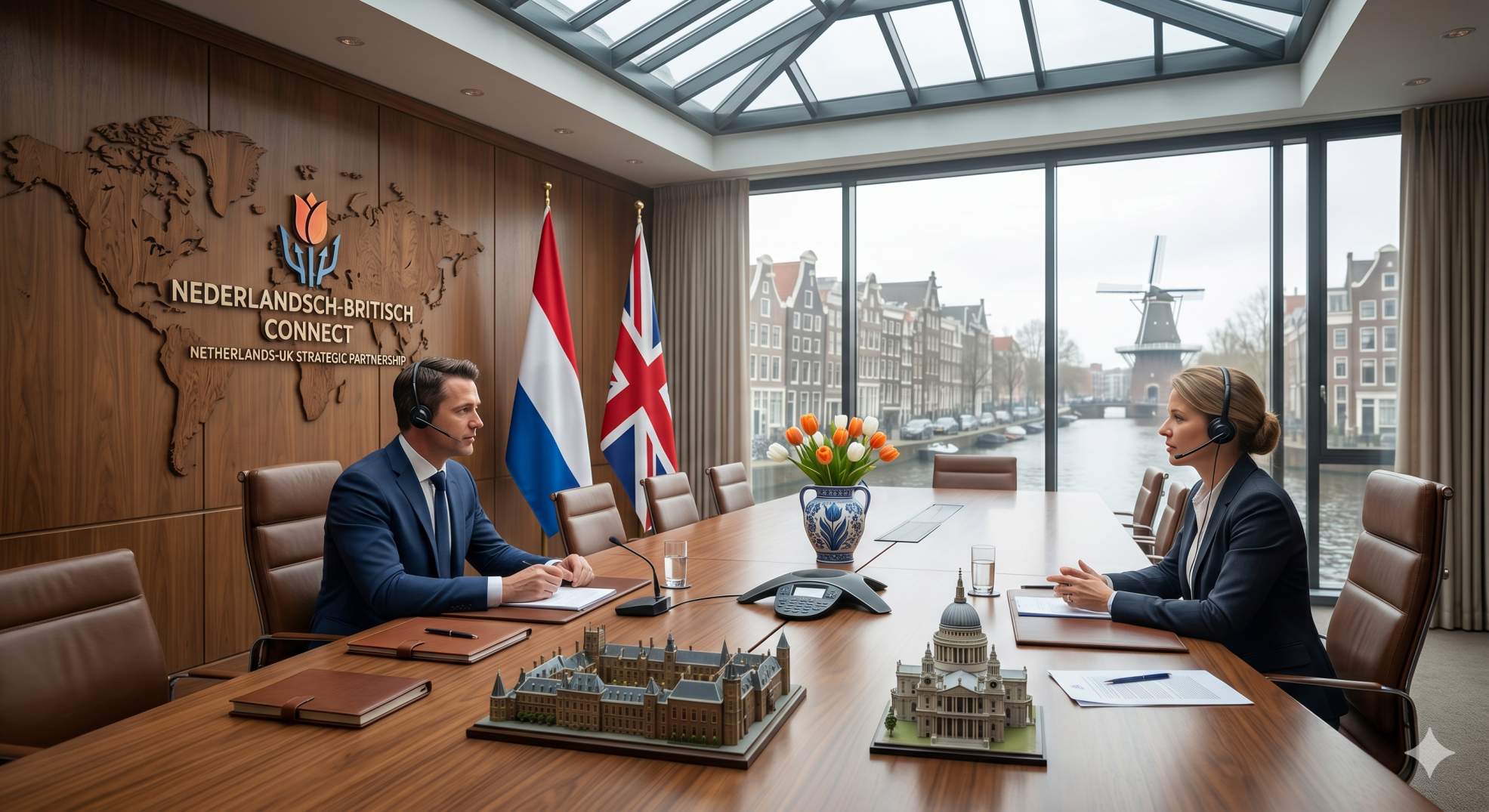
Securing a highly qualified Japanese interpreter in Oxford is paramount for ensuring clear communication and upholding professional standards across critical sectors within the UK. Whether navigating the complexities of the legal system, facilitating vital healthcare interactions, or supporting international business ventures, the need for precise, culturally nuanced interpretation cannot be overstated. In Oxford, a city renowned for its academic excellence and burgeoning professional services, access to accredited interpreters is essential for organisations and individuals alike. This service is vital for institutions such as Oxford Health NHS Foundation Trust and Oxford University Hospitals NHS Foundation Trust, ensuring that all patients, regardless of their linguistic background, receive equitable and effective care, in line with NHS England’s Language Access guidelines.
Translation vs Interpretation: Understanding the Nuances
While often used interchangeably, translation and interpretation are distinct disciplines, each requiring specialised skills and adhering to different professional standards. A Japanese translator in Oxford works with written text, converting documents, reports, websites, and other materials from Japanese to English or vice versa. This process demands meticulous attention to detail, a deep understanding of linguistic nuances, and often, subject-matter expertise to ensure accuracy and fidelity to the original meaning. Professional translators in the UK typically adhere to standards set by bodies like the Chartered Institute of Linguists (CIOL). On the other hand, a Japanese interpreter in Oxford facilitates spoken communication in real-time. This involves listening to a speaker in one language and rendering their message accurately and fluently in another. The interpreter must not only possess exceptional linguistic proficiency but also a keen ability to interpret tone, intent, and cultural context, often under pressure. Professional interpreters in the UK are frequently accredited by organisations such as the National Register of Public Service Interpreters (NRPSI) or hold qualifications like the Diploma in Public Service Interpreting (DPSI), ensuring they meet the rigorous demands of public service interpreting, including legal and healthcare settings.
Legal Defence, Immigration, and Courtroom Interpretation
The UK’s legal framework relies heavily on clear and accurate communication, especially in matters involving individuals who do not speak English as a first language. For a Japanese interpreter in Oxford, this means providing services in a variety of legal contexts, from initial police interviews to complex courtroom proceedings. The His Majesty’s Courts and Tribunals Service (HMCTS) mandates the provision of interpreters to ensure fair trials and access to justice for all. This includes cases heard in Magistrates’ Courts, Crown Courts, and various tribunals, such as the First-tier Immigration Tribunal. Interpreters working in these environments must be registered with bodies like the NRPSI or hold recognised qualifications, demonstrating their competence and adherence to a strict code of conduct. This ensures impartiality, confidentiality, and accuracy, which are fundamental to the integrity of the justice system. Furthermore, immigration law is a significant area where Japanese interpretation is crucial. Solicitors and barristers representing clients in immigration matters, visa applications, and appeals to the UK Visas and Immigration (UKVI), part of the Home Office, require interpreters who understand the specific terminology and procedural requirements. The Home Office itself often requires certified interpretation for asylum claims and other immigration-related interviews. A professional Japanese interpreter in Oxford can bridge these linguistic divides, ensuring that clients fully understand their rights, the proceedings, and can effectively communicate their case, thereby upholding the principles of natural justice and the rule of law as enshrined in UK legal practice.
Healthcare and NHS Patient Safety
Patient safety and effective communication are cornerstones of the National Health Service (NHS). In Oxford, where a diverse population accesses healthcare services, the role of a qualified Japanese interpreter in Oxford is indispensable. The Care Quality Commission (CQC), the independent regulator of health and social care in England, emphasises the importance of effective communication in providing safe and high-quality care. For Japanese-speaking patients interacting with clinicians at Oxford University Hospitals NHS Foundation Trust or Oxford Health NHS Foundation Trust, accurate interpretation ensures they can articulate their symptoms, understand diagnoses, and adhere to treatment plans. Misunderstandings due to language barriers can lead to serious medical errors, delayed treatment, and reduced patient satisfaction. Professional interpreters working within the NHS must not only be linguistically proficient but also understand medical terminology and ethical considerations, such as confidentiality, as mandated by UK GDPR and NHS professional standards. They are trained to facilitate communication in various healthcare settings, including GP appointments, hospital consultations, emergency room visits, and mental health services. The NHS England Language Access policy underscores the commitment to providing language support to ensure equitable access to healthcare for all patients. This includes ensuring that interpreters are appropriately qualified and vetted, often through registers like the NRPSI, to guarantee the highest standards of service. The integration of Japanese interpretation services within Oxford’s healthcare system is therefore not merely a matter of convenience but a critical component of patient safety and the delivery of equitable, person-centred care.
Technical Interpretation Modalities
Effective interpretation relies on selecting the appropriate modality to suit the context and communication needs. A professional Japanese interpreter in Oxford can offer a range of services, each tailored to specific situations. Simultaneous interpretation is commonly used in conferences, large meetings, and live broadcasts where the interpreter conveys the message almost instantaneously as the speaker talks, often using specialised equipment like booths and headsets. This requires intense concentration and rapid processing. Consecutive interpretation is more suitable for smaller meetings, interviews, or one-on-one discussions. Here, the interpreter listens to a segment of speech, then renders it in the target language once the speaker pauses. This allows for a more natural conversational flow. Escort interpretation, also known as liaison interpretation, facilitates communication between parties speaking different languages in informal settings, such as business negotiations, site visits, or social events. The interpreter acts as a cultural bridge, ensuring smooth interaction. Increasingly, remote interpretation services are becoming vital, especially given the geographical spread and the need for rapid response. This can be delivered via telephone (Video Remote Interpreting – VRI) or audio conferencing platforms, allowing interpreters to connect with clients anywhere, providing flexibility and cost-effectiveness while maintaining professional standards. For businesses and institutions in Oxford, understanding these modalities is key to selecting the right interpretation service to meet their specific communication objectives, whether for international trade, legal consultations, or patient care.
Economic and Social Fabric of Oxford
Oxford’s unique position as a global centre for education, research, and innovation significantly shapes its economic and social landscape, creating a consistent demand for professional linguistic services, including Japanese interpretation and translation. The city’s dynamic environment necessitates seamless communication across diverse sectors.
Corporate and Industry
Oxford is home to a thriving ecosystem of businesses, particularly in the science, technology, and advanced manufacturing sectors. Many of these companies engage in international collaborations, research partnerships, and trade with Japan. For these organisations, a skilled Japanese translator in Oxford is essential for translating technical documentation, research papers, patents, and marketing materials. Furthermore, during international business meetings, negotiations, or site visits involving Japanese partners, professional Japanese interpreters are crucial for fostering strong business relationships and ensuring that agreements are clearly understood and accurately documented, adhering to UK commercial law and best practices. The presence of institutions like the University of Oxford’s commercialisation arm further stimulates this cross-border activity.
Tourism
As a world-renowned tourist destination, Oxford attracts millions of visitors annually, including a significant number from Japan. The hospitality sector, including hotels, museums, attractions, and retail outlets, benefits greatly from having access to Japanese interpretation and translation services. This can range from translating visitor information and signage to providing interpreters for guided tours or assisting Japanese tourists with specific needs. Enhancing the visitor experience through clear communication contributes positively to Oxford’s reputation as a welcoming and accessible city, boosting the local tourism economy. Organisations such as Visit Oxfordshire play a role in promoting the region, and accessible communication is key to their success.
Legal Infrastructure
Oxford possesses a robust legal infrastructure, with numerous law firms, chambers, and legal advisory services catering to both local and international clients. The city’s connection to the wider UK legal system, including the proximity to London’s legal hubs and the presence of local courts, means that Japanese interpretation services are frequently required. This is particularly true for firms specialising in international law, corporate law, intellectual property, and immigration. Ensuring that Japanese-speaking individuals involved in legal proceedings, whether as clients, witnesses, or parties to a contract, have access to qualified interpreters registered with bodies like the NRPSI is fundamental to upholding justice and ensuring compliance with UK legal standards. The His Majesty’s Courts and Tribunals Service (HMCTS) operates locally, necessitating these services.
NHS Healthcare
The healthcare sector in Oxford, anchored by the renowned Oxford University Hospitals NHS Foundation Trust and Oxford Health NHS Foundation Trust, serves a diverse population. The need for Japanese interpretation services is critical to ensure that Japanese-speaking patients can fully engage with their healthcare providers, understand medical advice, and participate in their treatment decisions. This commitment to equitable access aligns with NHS England’s Language Access guidelines and the requirements of the CQC for safe and effective care. Professional interpreters play a vital role in bridging communication gaps, ensuring patient safety, and fostering trust between patients and the NHS.
Local Infrastructure and Transport
Oxford’s infrastructure and transport networks are crucial for facilitating the movement of people and goods, and by extension, the need for effective communication. The city is well-connected by road and rail, with major routes like the A34 providing access to the wider UK network, including London and its international airports. The main railway station offers frequent services to London Paddington and other key destinations. For businesses requiring Japanese interpretation or translation services, the ease of access to Oxford means that interpreters can readily travel to client sites, or clients can easily reach interpreter hubs. Furthermore, the development of digital infrastructure supports remote interpretation services, allowing for seamless communication regardless of physical location. The Oxfordshire County Council’s transport strategy aims to improve connectivity, which indirectly supports the professional services sector by making the region more accessible. Reliable transport and robust digital networks are foundational to the efficient operation of professional services, including the provision of expert Japanese interpretation in Oxford.
Conclusion
In conclusion, the demand for a professional Japanese interpreter in Oxford is driven by the city’s vibrant economic, academic, and social landscape. From ensuring justice within the UK’s legal system and facilitating critical NHS patient care to supporting international business collaborations, the need for accurate and culturally sensitive interpretation is paramount. Organisations and individuals requiring these specialised linguistic services can be assured that adherence to UK professional standards, as upheld by bodies like the NRPSI and CIOL, guarantees the highest levels of competence and integrity. For any organisation in Oxford or across the UK seeking to bridge linguistic divides with confidence, engaging a certified Japanese interpreter in Oxford is a strategic imperative for success and compliance.