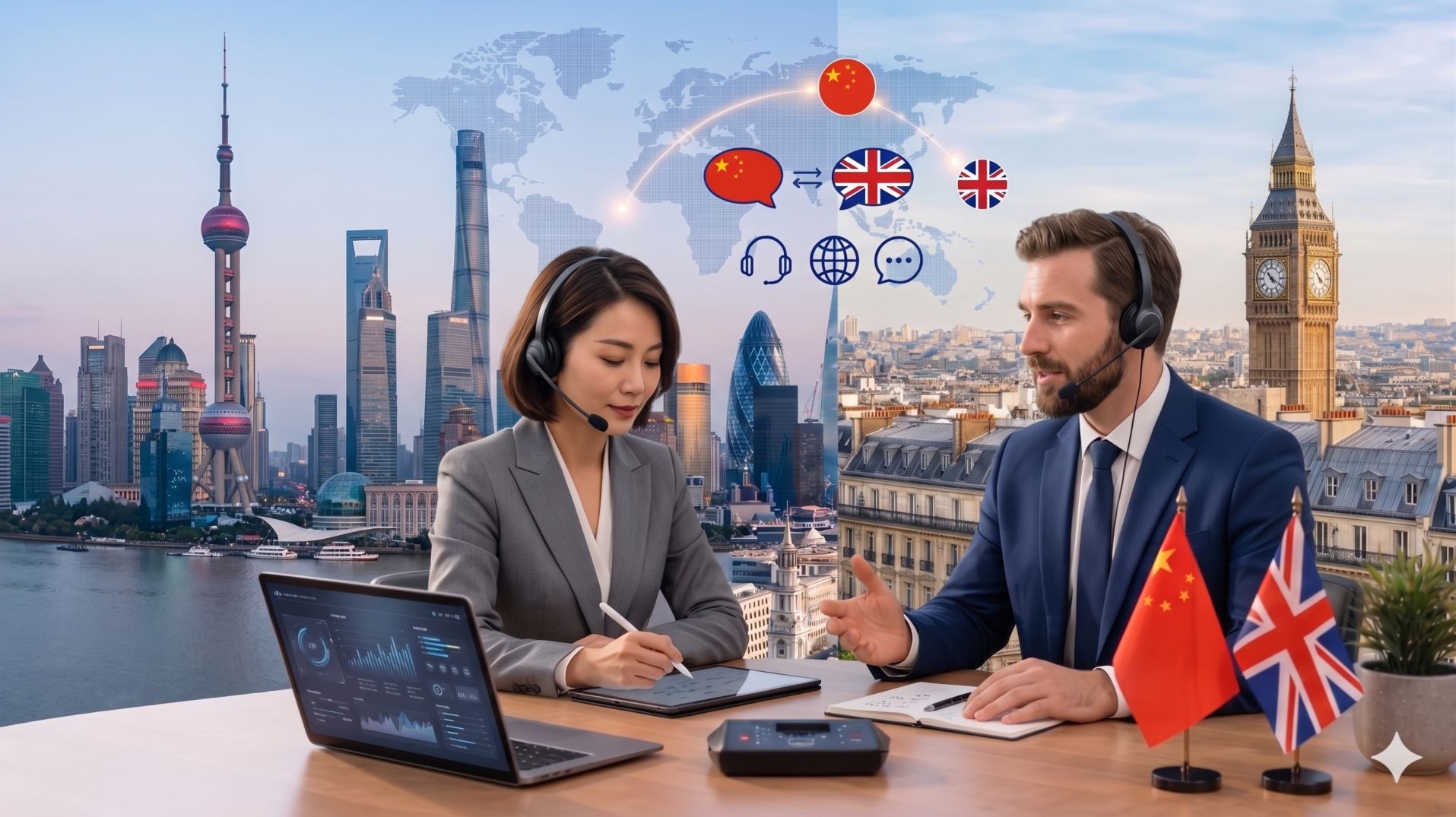
Securing a qualified Japanese interpreter in Sunderland is paramount for effective communication across critical sectors, including legal proceedings, healthcare appointments, and business negotiations within the United Kingdom. Sunderland, a city with a rich industrial heritage and a forward-looking economy, increasingly requires specialised linguistic support to bridge cultural and language divides. For residents and businesses interacting with vital public services, access to accurate interpretation is not merely a convenience but a fundamental right, particularly when engaging with the City Hospitals Sunderland NHS Foundation Trust or the Sunderland Royal Hospital, both integral to the region’s healthcare provision. This document outlines the essential considerations for engaging professional Japanese interpretation and translation services, focusing on UK legal frameworks, healthcare standards, and the specific needs of the Sunderland community.
Translation vs Interpretation: Understanding the Nuances
While often used interchangeably, translation and interpretation are distinct linguistic disciplines, each requiring specialised skills and adhering to different professional standards within the UK. A Japanese translator in Sunderland works with written text, converting documents, contracts, websites, and other written materials from Japanese to English or vice versa. This process demands meticulous attention to detail, a deep understanding of both source and target languages, and often, subject-specific knowledge to ensure accuracy and cultural appropriateness. Professional translators in the UK typically adhere to standards set by bodies like the Chartered Institute of Linguists (CIOL), ensuring the fidelity and quality of the translated output. Conversely, a Japanese interpreter in Sunderland facilitates spoken communication in real-time. This involves listening to a speaker in one language and rendering their message accurately and fluently in another. The interpreter must possess not only linguistic proficiency but also exceptional short-term memory, cultural awareness, and the ability to remain neutral and objective. For critical settings such as courtrooms or medical consultations, interpreters must often meet stringent certification requirements, such as those mandated by the Ministry of Justice through the National Register of Public Service Interpreters (NRPSI), or possess qualifications like the Diploma in Public Service Interpreting (DPSI). Understanding this distinction is the first step for any UK organisation or individual seeking linguistic support in Sunderland.
Legal Defence, Immigration, and Courtroom Interpretation
The UK’s legal system places a strong emphasis on access to justice, which inherently includes the right to understand proceedings and communicate effectively, regardless of language barriers. For Japanese speakers involved in legal matters in Sunderland, securing a qualified Japanese interpreter in Sunderland is non-negotiable. This applies to a wide spectrum of legal contexts, from initial police interviews conducted under caution to complex civil litigation and criminal trials heard before His Majesty’s Courts and Tribunals Service (HMCTS). Interpreters working within the UK justice system must meet rigorous standards of impartiality, confidentiality, and accuracy. Many are accredited by the NRPSI or hold the DPSI qualification, signifying their competence in public service interpreting. These professionals are trained to handle the specific terminology and procedural nuances of UK law, ensuring that evidence is presented accurately and that defendants fully comprehend the charges and proceedings against them. In immigration cases, where individuals may be seeking asylum or applying for visas through UK Visas and Immigration (UKVI), the role of the interpreter is equally critical. Misunderstandings can have profound consequences, impacting asylum claims or the outcome of appeals before the First-tier Immigration Tribunal. Professional interpreters ensure that statements are conveyed faithfully, upholding the principles of fairness and due process mandated by UK law. Furthermore, legal professionals, including solicitors and barristers in Sunderland, rely on these interpreters to conduct client interviews, cross-examine witnesses, and present arguments effectively in court. The Ministry of Justice provides guidance on the standards expected for interpreters in court settings, underscoring the importance of professional qualifications and adherence to ethical codes. For any legal entity in Sunderland requiring Japanese language support, engaging NRPSI-registered or DPSI-qualified interpreters guarantees a level of professionalism and reliability essential for navigating the complexities of the UK legal landscape.
Healthcare and NHS Patient Safety
Patient safety and effective communication are cornerstones of the National Health Service (NHS) in the UK. For Japanese-speaking patients in Sunderland, accessing healthcare services without a language barrier is a fundamental right, supported by NHS England’s Language Access Policy and UK data protection regulations like the UK General Data Protection Regulation (UK GDPR). The Care Quality Commission (CQC), the independent regulator of health and social care services in England, emphasises effective communication as a key aspect of high-quality care. Therefore, NHS trusts serving Sunderland, such as the City Hospitals Sunderland NHS Foundation Trust and the wider Sunderland Royal Hospital, must provide access to qualified interpreters when needed. A professional Japanese interpreter in Sunderland plays a vital role in ensuring that patients understand diagnoses, treatment options, medication instructions, and consent forms. Equally, they enable healthcare professionals to gather accurate patient histories and provide sensitive explanations, fostering trust and improving health outcomes. Interpreters working within the NHS are expected to adhere to strict codes of conduct, maintaining confidentiality and impartiality, and possess a thorough understanding of medical terminology and cultural nuances relevant to Japanese patients. While some NHS trusts may have in-house bilingual staff, the complexity and sensitivity of medical consultations often necessitate the involvement of professionally qualified interpreters, particularly those holding the DPSI in Health or equivalent qualifications. The NHS England guidelines on language services highlight the importance of providing appropriate interpretation and translation services to ensure equitable access to care. For healthcare providers in Sunderland, engaging certified Japanese interpreters is crucial for upholding patient rights, ensuring compliance with regulatory standards, and delivering safe, effective, and person-centred care. This commitment extends to ensuring that all patient data is handled in accordance with UK GDPR principles.
Technical Interpretation Modalities
The effectiveness of interpretation hinges on selecting the appropriate modality for the specific context. Professional Japanese interpreters in Sunderland are proficient in various techniques, each suited to different communication scenarios. Consecutive interpretation is commonly used in one-to-one meetings, medical consultations, or legal interviews. The interpreter listens to a segment of speech, then delivers the interpreted message once the speaker has finished. This allows for a more natural conversational flow but requires the speaker to pause periodically. Simultaneous interpretation is employed in more formal settings like conferences, large meetings, or court proceedings where speed and efficiency are critical. The interpreter listens to the speaker through a headset and renders the interpretation into the target language with minimal delay, often speaking into a microphone in a soundproof booth. This requires highly specialised skills and equipment. Escort interpretation, also known as liaison interpretation, facilitates communication between parties speaking different languages in less formal settings, such as business negotiations, site visits, or social events. The interpreter acts as a cultural bridge, interpreting conversations back and forth. Remote interpretation, including telephone interpreting (OPI) and video remote interpreting (VRI), has become increasingly prevalent, offering flexibility and cost-effectiveness. This modality is particularly useful for situations where face-to-face interpretation is impractical or unavailable, such as remote medical consultations or urgent legal advice. For businesses and public services in Sunderland, understanding these modalities is key to selecting the right service. For instance, a business meeting might benefit from escort or consecutive interpretation, while a large public address would require simultaneous interpretation. Remote options offer a valuable solution for ad-hoc needs or when specialist interpreters are not locally available. Regardless of the modality, the core requirement remains the engagement of a qualified and experienced Japanese interpreter in Sunderland who adheres to UK professional standards.
Economic and Social Fabric of Sunderland
Sunderland’s economic landscape is a dynamic blend of traditional industries and emerging sectors, creating a diverse need for professional linguistic services. Understanding this local context is crucial for tailoring interpretation and translation solutions.
Corporate and Industry
Historically known for its manufacturing and shipbuilding, Sunderland has evolved into a hub for advanced manufacturing, automotive, digital, and service industries. Companies operating in these sectors, whether local enterprises or international corporations with a presence in the region, often engage in cross-border collaborations, supply chain management, and international marketing. This necessitates accurate translation of technical documentation, business proposals, and marketing materials, as well as skilled interpretation for meetings with Japanese partners, suppliers, or clients. Professional Japanese translators and interpreters ensure that business communications are precise, culturally sensitive, and compliant with UK business practices and regulations. The presence of organisations like the Sunderland Chamber of Commerce highlights the active business community that can benefit from such services.
Tourism
Sunderland is increasingly attracting tourists, with attractions ranging from its coastline and heritage sites to its cultural venues. While English is the primary language, providing multilingual information and services can enhance the visitor experience for Japanese tourists. This can involve translating brochures, website content, and signage into Japanese. While not always requiring a live interpreter, professional Japanese translation services ensure that information is accurate and appealing, contributing to Sunderland’s reputation as a welcoming destination. The Visit Sunderland initiative plays a key role in promoting the city, and accessible information in multiple languages can broaden its appeal.
Legal Infrastructure
Sunderland possesses a robust legal infrastructure, comprising numerous law firms, legal aid services, and access to HMCTS facilities. These legal entities frequently encounter clients or cases involving individuals who speak Japanese. Whether dealing with personal injury claims, family law matters, or criminal defence, the need for certified Japanese interpreters is significant. Law firms specialising in immigration law, in particular, require reliable interpreters to assist clients with visa applications, asylum claims, and appeals before the First-tier Immigration Tribunal. Adherence to the standards set by the NRPSI and the DPSI ensures that legal professionals can rely on the accuracy and impartiality of the interpretation provided, upholding the principles of justice within the UK legal framework.
NHS Healthcare
The National Health Service (NHS) is a vital service for all residents of Sunderland. As mentioned, trusts like City Hospitals Sunderland NHS Foundation Trust and the broader Sunderland Royal Hospital serve a diverse population. Ensuring that Japanese-speaking patients can communicate effectively with doctors, nurses, and other healthcare professionals is critical for accurate diagnosis, treatment, and patient well-being. This requires access to qualified medical interpreters who understand both the language and the cultural context of healthcare. Compliance with NHS England’s language access guidelines and UK GDPR is paramount. Professional interpretation services are essential for maintaining patient safety and ensuring equitable access to healthcare for all members of the Sunderland community.
Local Infrastructure and Transport
Sunderland benefits from a well-developed local infrastructure that supports both its residents and its economic activities. The city’s transport network, including road, rail, and public bus services managed by local authorities and transport providers, facilitates movement within the city and connections to the wider North East region and beyond. For businesses requiring interpretation services, this infrastructure ensures that interpreters can reach various locations efficiently, whether for on-site meetings, factory visits, or court appearances. The Sunderland City Council oversees many aspects of local infrastructure, aiming to foster a connected and accessible environment. The availability of reliable transport links also supports the integration of diverse communities and facilitates access to essential services, including legal and healthcare provisions, for all residents, including those who require Japanese interpretation. The city’s connectivity is further enhanced by its proximity to major road networks like the A19 and A1, as well as regional airports and ports, underscoring its role as a significant economic centre in the North East of England.
Conclusion
In conclusion, the need for professional, qualified Japanese interpreter in Sunderland services is multifaceted, spanning critical legal, healthcare, and business domains. Adherence to UK professional standards, such as those set by the NRPSI and the DPSI, is essential for ensuring accuracy, confidentiality, and impartiality. Whether you are a legal firm navigating complex immigration cases, an NHS trust committed to patient safety, or a business seeking to expand its international reach, engaging certified Japanese interpreters and translators is a crucial investment. We provide expert linguistic solutions tailored to the specific requirements of Sunderland and the broader UK market, ensuring seamless communication and fostering trust across all professional interactions. Contact us today to discuss your Japanese interpretation and translation needs.
Additional Local Resources
- Sunderland City Council
- City Hospitals Sunderland NHS Foundation Trust
- Sunderland Integrated Care Partnership
- His Majesty’s Courts and Tribunals Service (HMCTS)
- National Register of Public Service Interpreters (NRPSI)
- Diploma in Public Service Interpreting (DPSI)
- UK Visas and Immigration (UKVI)
- Sunderland Chamber of Commerce