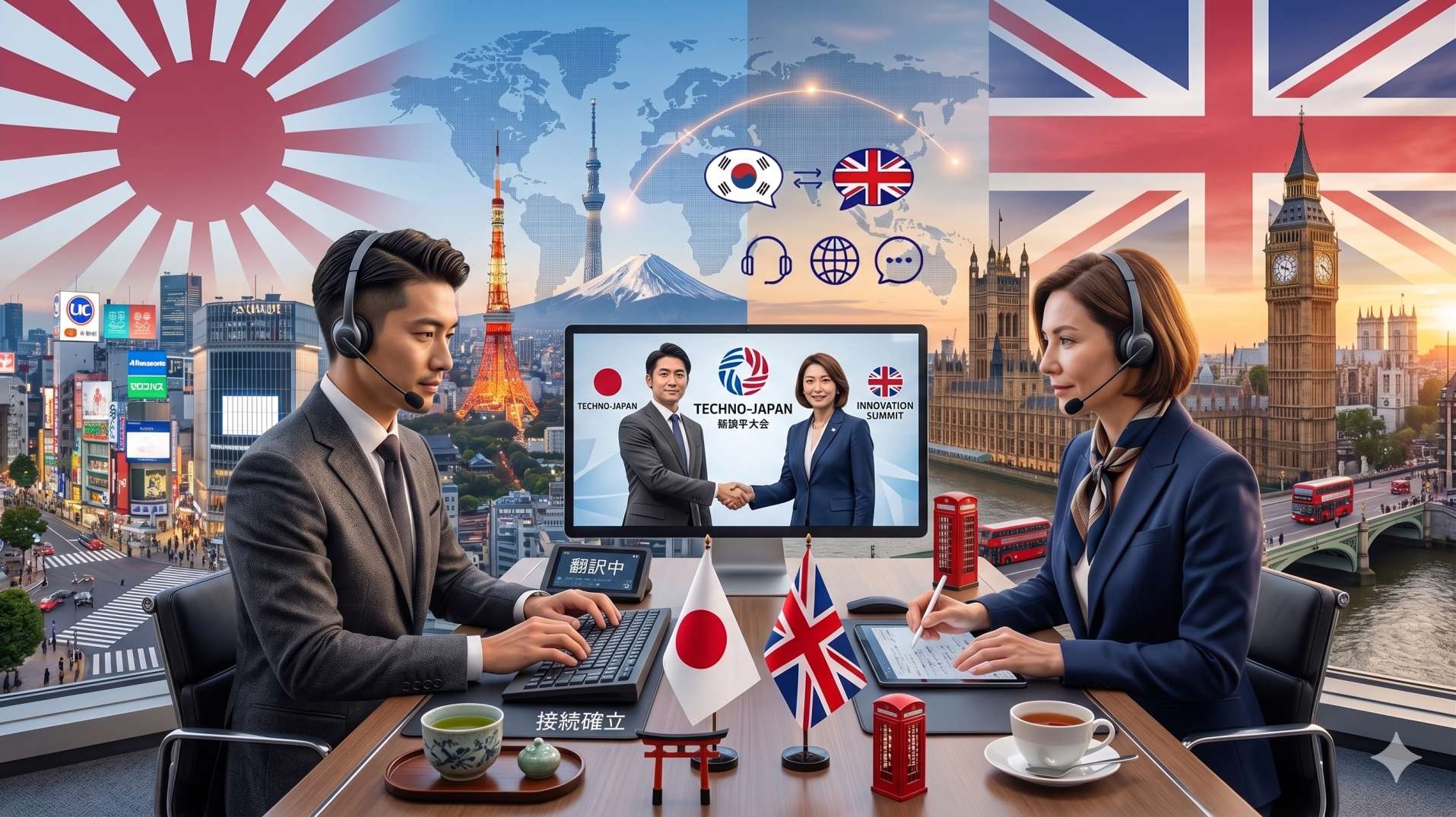
Securing a qualified Japanese interpreter in York is paramount for effective communication across diverse sectors, from legal proceedings to critical healthcare consultations. In a city like York, with its rich historical tapestry and growing professional services sector, the need for precise linguistic support is ever-present. Whether you are engaging with His Majesty’s Courts and Tribunals Service (HMCTS), navigating the complexities of the National Health Service (NHS) with trusts such as the York and Scarborough Teaching Hospitals NHS Foundation Trust or the York Medical Group, or facilitating international business, the accuracy and cultural nuance provided by a professional interpreter are indispensable. This document outlines the critical role of Japanese interpretation and translation services within the UK’s regulatory, healthcare, and economic landscape, specifically focusing on the needs within York and its surrounding areas.
Translation vs Interpretation
While often used interchangeably, translation and interpretation are distinct linguistic disciplines, each requiring specialised skills and adherence to professional standards. A Japanese translator in York works with written documents, converting text from Japanese to English or vice versa. This process allows for meticulous review, editing, and proofreading to ensure accuracy and fidelity to the original meaning. Translators often specialise in specific fields, such as legal, medical, technical, or financial texts, requiring a deep understanding of the terminology and conventions within those domains. For instance, translating legal contracts or medical reports necessitates not only linguistic proficiency but also an awareness of UK legal and medical frameworks. Conversely, a Japanese interpreter in York facilitates spoken communication in real-time. This involves listening to a speaker in one language and rendering their message accurately and fluently in another. The interpreter must possess exceptional listening skills, a strong command of both languages, and the ability to convey not just the words but also the tone, intent, and cultural context. This is crucial in live settings like courtrooms, medical appointments, business meetings, and conferences, where immediate understanding is vital. Professional bodies such as the Chartered Institute of Linguists (CIOL) and the National Register of Public Service Interpreters (NRPSI) set the standards for both professions, ensuring that practitioners meet rigorous qualification and ethical requirements. The distinction is critical when engaging services; a legal firm requiring a sworn affidavit translation will need a certified translator, while a police interview will require a NRPSI-registered public service interpreter.
Legal Defence, Immigration, and Courtroom Interpretation
The UK’s legal system, governed by principles of natural justice and the right to a fair trial, mandates that individuals who do not speak English fluently have access to qualified interpreters. For Japanese speakers involved in legal matters in York, this means access to interpreters certified by recognised bodies. His Majesty’s Courts and Tribunals Service (HMCTS) oversees a vast array of legal proceedings, from criminal trials in the Crown Court to civil disputes in the County Court and tribunal hearings. In these environments, the role of a Japanese interpreter is not merely facilitative but is a cornerstone of due process. Interpreters working within the criminal justice system, for example, must adhere to strict codes of conduct, often requiring qualifications such as the Diploma in Public Service Interpreting (DPSI), particularly in modules relevant to law. The Home Office and its UK Visas and Immigration (UKVI) department also rely heavily on accurate interpretation for interviews, asylum claims, and other immigration-related procedures. Ensuring that a Japanese national fully understands the questions posed by immigration officers and can articulate their responses clearly is fundamental to the integrity of the immigration process. The First-tier Immigration Tribunal, where appeals against immigration decisions are heard, also requires skilled interpreters to ensure fairness. Professional interpreters are typically vetted and registered with bodies like the NRPSI, which maintains a register of qualified public service interpreters who have met stringent examination and vetting standards. This ensures that interpreters possess the necessary linguistic skills, ethical understanding, and knowledge of legal terminology to operate effectively within the demanding environment of UK courts and tribunals. The Royal Courts of Justice in London, and indeed all courts and tribunals under HMCTS jurisdiction across the UK, depend on this professional infrastructure to uphold justice for all.
Healthcare and NHS Patient Safety
Patient safety and effective communication are paramount within the National Health Service (NHS). For Japanese-speaking patients in York, accessing healthcare services requires interpreters who can bridge the language gap, ensuring accurate diagnosis, informed consent, and appropriate treatment. The Care Quality Commission (CQC), the independent regulator of health and social care services in England, places a strong emphasis on effective communication as a key aspect of high-quality care. NHS England has established guidelines for language services, underscoring the legal and ethical obligation to provide interpretation and translation services to patients who need them. This is not only a matter of good practice but is also underpinned by legislation, including the UK General Data Protection Regulation (UK GDPR), which mandates the protection of sensitive personal data, including health information, and requires that individuals understand how their data is being used and managed. For Japanese patients, this means having access to qualified interpreters during consultations with General Practitioners (GPs), specialists, nurses, and other healthcare professionals. This is particularly critical in emergency situations, when discussing complex medical conditions, or when obtaining consent for surgical procedures. The York Medical Group, and indeed all NHS providers in the region, are expected to have robust systems in place to book qualified interpreters when required. The York and Scarborough Teaching Hospitals NHS Foundation Trust, serving the wider York area, also requires professional interpreters for inpatient and outpatient care, ensuring that all patients, regardless of their linguistic background, receive safe and effective treatment. Professional interpreters in the medical field often hold qualifications like the DPSI (Health) or equivalent, demonstrating their competence in medical terminology and ethical practice within the NHS context.
Technical Interpretation Modalities
The effectiveness of interpretation hinges on selecting the appropriate modality for the specific context. For Japanese interpretation services in York, several key modes are employed, each suited to different communication scenarios. Consecutive interpretation is common in one-on-one meetings, doctor’s appointments, or small business discussions. The interpreter listens to a segment of speech, then delivers the interpretation while the speaker pauses. This allows for a natural flow of conversation, albeit with slight delays. Simultaneous interpretation is used in larger settings such as conferences, lectures, or formal meetings where time is critical. The interpreter, typically working from a soundproof booth with specialised equipment, interprets the speech almost as it is being delivered, with only a few seconds’ delay. This requires a high degree of concentration and skill, often necessitating two interpreters working in tandem to avoid fatigue. Escort interpretation, also known as liaison interpretation, is employed in more informal settings, such as factory visits, site tours, or social events. The interpreter acts as a cultural bridge, facilitating communication between parties who do not share a common language, often moving with the client. Remote interpretation, facilitated by advances in technology, allows for interpretation to be delivered via telephone (Video Remote Interpreting – VRI) or over the internet. This modality has become increasingly vital, offering flexibility and cost-effectiveness, particularly for situations where an on-site interpreter is not feasible or required. For example, a law firm in York might use VRI for a preliminary consultation with a Japanese client, or an NHS trust might use it for routine follow-up appointments. Each modality demands specific skills and equipment, and professional interpreters will advise clients on the most suitable option to ensure clarity, accuracy, and efficiency in communication, adhering to the professional standards set by bodies like the International Association of Conference Interpreters (AIIC) for simultaneous and consecutive work.
Economic and Social Fabric of York
York’s economy is a dynamic blend of heritage industries, burgeoning professional services, and a significant tourism sector, all of which benefit from robust linguistic support. The presence of skilled Japanese interpreters and translators is integral to fostering international connections and ensuring equitable access to services within the city.
Corporate and Industry
York boasts a growing number of businesses in sectors ranging from technology and finance to advanced manufacturing. For companies engaged in international trade with Japan, or those with Japanese investment, the need for accurate business communication is paramount. This includes translating marketing materials, technical manuals, contracts, and facilitating negotiations or board meetings. Professional Japanese interpreters and translators ensure that business objectives are clearly understood, mitigating risks associated with miscommunication and fostering stronger international partnerships. Adherence to UK business law and professional standards is essential, and linguists familiar with these frameworks provide an invaluable service.
Tourism
As a world-renowned historic city, York attracts millions of tourists annually, including a significant number from Japan. The tourism sector, encompassing hotels, attractions, restaurants, and retail, relies on effective communication to provide a positive visitor experience. Japanese-speaking staff or readily available interpretation services can significantly enhance the experience for Japanese tourists, leading to increased satisfaction and repeat visits. Translating visitor information, signage, and promotional materials into Japanese is also crucial for accessibility and engagement. The Visit York tourism board plays a key role in promoting the city, and ensuring linguistic inclusivity is part of its remit.
Legal Infrastructure
York’s legal community, comprising numerous law firms and legal professionals, serves a diverse clientele. For firms handling cross-border cases, or those with Japanese clients involved in UK legal matters, access to qualified Japanese interpreters and translators is indispensable. This is vital for everything from initial client consultations and evidence gathering to appearances in His Majesty’s Courts and Tribunals Service (HMCTS). Ensuring compliance with legal procedures and ethical standards, as upheld by bodies like the Law Society of Scotland (though primarily for Scotland, illustrates the UK’s legal professional bodies) and the Law Society of England and Wales, requires precise linguistic support. The National Register of Public Service Interpreters (NRPSI) is a key resource for legal professionals seeking vetted interpreters.
NHS Healthcare
The provision of healthcare services in York, primarily through the York and Scarborough Teaching Hospitals NHS Foundation Trust and local primary care services, must be accessible to all residents. For the Japanese-speaking population, this necessitates the availability of professional interpreters. Accurate communication is critical for patient safety, diagnosis, treatment, and adherence to medication. The Care Quality Commission (CQC) mandates high standards of patient care, which includes effective communication. Ensuring that Japanese patients can fully understand their health conditions and treatment options, and can communicate their needs effectively to healthcare professionals, is a fundamental aspect of equitable healthcare delivery within the NHS framework.
Local Infrastructure and Transport
York’s infrastructure supports its economic and social functions, and effective interpretation services can enhance the experience of Japanese visitors and residents engaging with these systems. The city is well-connected by rail, with frequent services to major UK cities, and has a comprehensive bus network. For Japanese tourists or business travellers, having access to translation services for transport information, timetables, and customer support can be invaluable. Similarly, for Japanese residents navigating local services, from council offices to healthcare facilities, professional interpreters ensure smooth interactions. The City of York Council provides a wide range of public services, and ensuring these are accessible to non-English speakers is a key objective. The availability of qualified Japanese interpreters facilitates engagement with local government, housing services, and community initiatives, fostering greater social inclusion and integration within the York community. The National Rail Enquiries website and app, for example, provide essential travel information, and while often multilingual, professional interpretation can be crucial for complex travel planning or resolving issues.
Conclusion
In conclusion, the demand for professional Japanese interpreter in York services is multifaceted, driven by the city’s diverse economic activities, its role within the UK’s legal and healthcare systems, and its appeal as a tourist destination. Ensuring access to qualified, certified interpreters is not merely a matter of convenience but a fundamental requirement for upholding justice, ensuring patient safety, facilitating international business, and fostering social inclusion. Whether engaging with HMCTS, the NHS, the Home Office, or the corporate sector, investing in professional Japanese interpretation and translation services is an investment in clarity, accuracy, and successful outcomes. We provide expert linguistic solutions tailored to the specific needs of professionals and organisations in York and across the United Kingdom.