Securing a qualified Korean interpreter in Liverpool is paramount for effective communication across diverse professional sectors, from critical legal proceedings to vital healthcare interactions. Liverpool, a city with a dynamic economic landscape and a growing international presence, relies on accurate and culturally sensitive language services to bridge linguistic divides. Whether engaging with the Liverpool University Hospitals NHS Foundation Trust for complex medical needs or the Mersey Care NHS Foundation Trust for mental health services, the need for professional interpretation is undeniable. This guide explores the critical role of Korean interpreters and translators in Liverpool, highlighting their importance within the UK’s legal, healthcare, and business frameworks.
Translation vs Interpretation: Understanding the Nuances
While often used interchangeably, translation and interpretation are distinct linguistic disciplines, each requiring specialised skills and adherence to professional standards. A Korean translator in Liverpool works with written text, converting documents, reports, contracts, and other written materials from Korean to English or vice versa. This process demands meticulous attention to detail, a deep understanding of both source and target languages, and often, subject-specific knowledge to ensure accuracy and fidelity to the original meaning. Translators typically work offline, allowing for research and revision to achieve a polished final product. Professional translators in the UK often hold qualifications from bodies like the Chartered Institute of Linguists (CIOL) or possess recognised accreditations. The quality of translation is crucial for legal documents, technical manuals, and corporate communications, where even minor inaccuracies can have significant consequences.
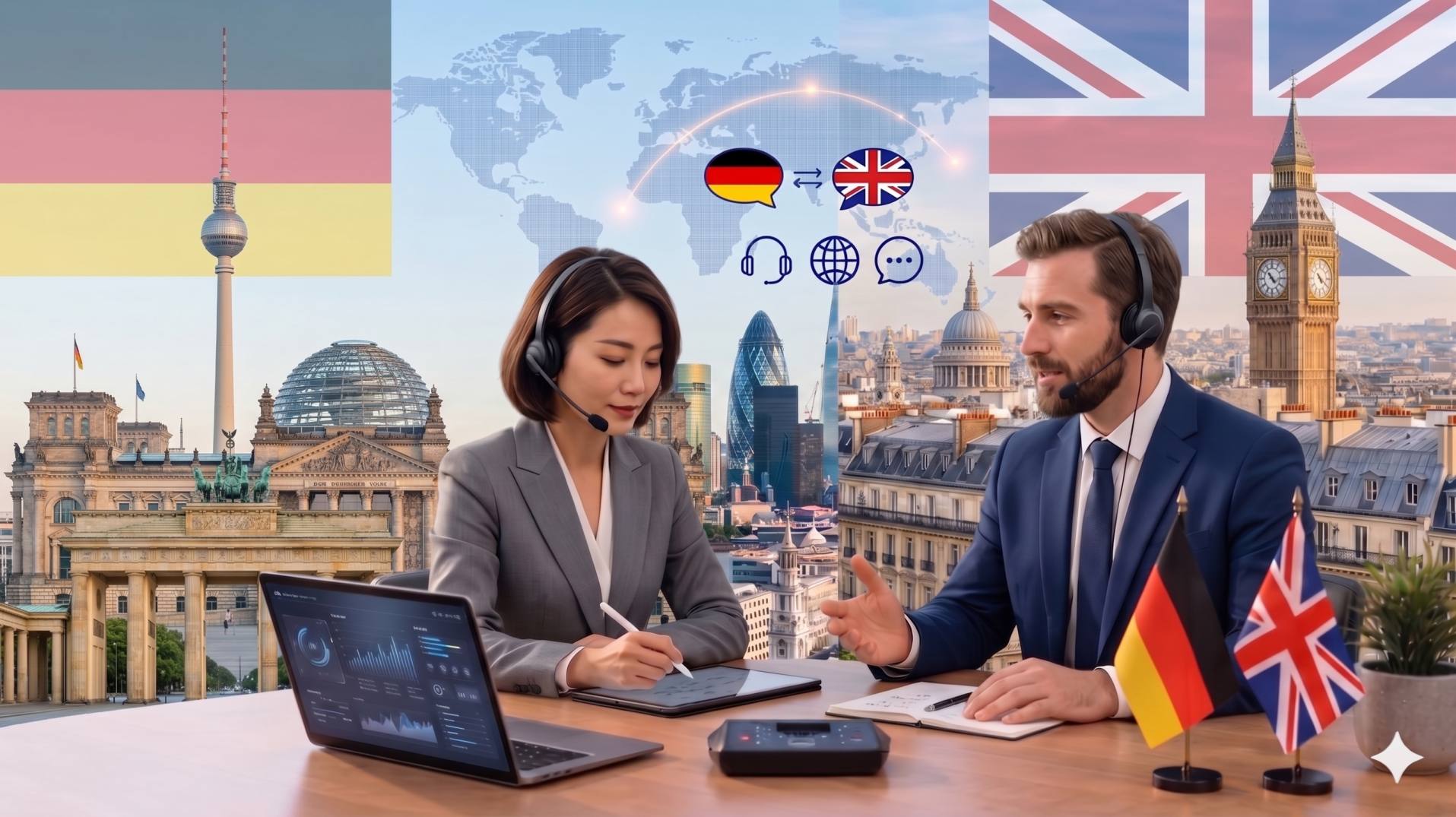
Conversely, a Korean interpreter in Liverpool facilitates spoken communication in real-time. This involves listening to a speaker in one language and rendering the message accurately and fluently in another. Interpretation demands exceptional listening comprehension, immediate recall, and the ability to convey not only the words but also the tone, nuance, and cultural context of the original message. Interpreters must possess strong interpersonal skills and the ability to remain neutral and objective, especially in sensitive settings like courtrooms or medical consultations. Professional standards for interpreters in the UK are often governed by organisations such as the National Register of Public Service Interpreters (NRPSI), ensuring a high level of competence and ethical conduct. The role of a Korean interpreter is indispensable in situations where immediate understanding is critical, such as live business negotiations, medical appointments, or legal hearings.
Legal Defence, Immigration, and Courtroom Interpretation
The UK’s justice system, administered by His Majesty’s Courts and Tribunals Service (HMCTS), mandates that all parties involved in legal proceedings have access to qualified interpreters when needed. For individuals who speak Korean, this means access to professional interpreters who understand the intricacies of UK law and courtroom etiquette. These interpreters are vital in ensuring fair trials and access to justice, as stipulated by principles of natural justice and the Equality Act 2010. They play a crucial role in various legal settings, including:
- Criminal Courts: Assisting defendants, witnesses, and victims in Crown Courts and Magistrates’ Courts under the purview of HMCTS.
- Civil Courts: Facilitating communication in family law, personal injury claims, and other civil disputes heard in courts like the County Court or the High Court.
- Immigration Tribunals: Supporting individuals appearing before the First-tier Tribunal (Immigration and Asylum Chamber), a critical part of the UK Visas and Immigration (UKVI) process, ensuring their cases are understood accurately.
- Police Interviews: Assisting Korean speakers during questioning by law enforcement agencies, ensuring their rights are protected and their statements are accurately recorded.
Professional interpreters working in the legal field must often hold qualifications recognised by bodies like the NRPSI or the Diploma in Public Service Interpreting (DPSI), demonstrating their proficiency in legal terminology and procedures. The accuracy provided by a skilled Korean interpreter is not merely a matter of convenience; it is a fundamental requirement for the integrity of the legal process. Without competent interpretation, individuals may be unable to understand charges, present their defence effectively, or comprehend court decisions, potentially leading to miscarriages of justice. The Home Office also relies on accurate interpretation for immigration applications and interviews, ensuring compliance with UK immigration law.
Healthcare and NHS Patient Safety
Patient safety and effective communication are cornerstones of the National Health Service (NHS). For Korean-speaking patients in Liverpool, accessing healthcare services requires interpreters who can bridge the language gap, ensuring they understand diagnoses, treatment plans, and medical advice. The NHS is committed to providing equitable access to care for all patients, regardless of their language, as outlined by NHS England’s Language Access guidelines. Professional Korean interpreters are essential in numerous healthcare settings:
- GP Consultations: Enabling clear communication between patients and their General Practitioners.
- Hospital Appointments: Facilitating understanding during consultations with specialists, diagnostic procedures, and ward rounds within trusts like Liverpool University Hospitals NHS Foundation Trust or Mersey Care NHS Foundation Trust.
- Emergency Services: Ensuring critical information is exchanged accurately in A&E departments and during ambulance calls.
- Mental Health Services: Providing vital support for patients receiving psychological therapies or psychiatric care.
- Maternity Services: Assisting expectant mothers and new parents in understanding antenatal care, birth plans, and postnatal support.
Interpreters working within the NHS must not only be linguistically proficient but also understand medical terminology and the sensitive nature of healthcare interactions. They must adhere to strict confidentiality requirements, in line with UK GDPR and NHS confidentiality policies. The Care Quality Commission (CQC), which monitors and inspects health and social care services, emphasises effective communication as a key aspect of high-quality care. A qualified Korean interpreter ensures that patients can actively participate in their healthcare decisions, give informed consent, and receive the best possible outcomes. The absence of professional interpretation can lead to diagnostic errors, medication mistakes, and a breakdown in the patient-provider relationship, directly impacting patient safety and the effectiveness of care delivered by NHS trusts in Liverpool.
Technical Interpretation Modalities
The effective delivery of Korean interpretation services in Liverpool relies on employing the appropriate modality for the specific situation. Each method offers distinct advantages:
- Simultaneous Interpretation: This is the most demanding form, where the interpreter speaks the target language almost concurrently with the source speaker, typically with a slight delay of a few seconds. It requires specialised equipment, such as soundproof booths and headsets, and is commonly used in large conferences, international meetings, and high-stakes legal proceedings where continuous communication is essential. The interpreter must possess exceptional concentration and rapid processing skills.
- Consecutive Interpretation: In this mode, the interpreter waits for the speaker to pause or finish a segment of speech before rendering the message in the target language. This is often used in smaller meetings, one-on-one discussions, medical consultations, and legal interviews. It allows for more natural turn-taking and is less reliant on technical equipment, though it can extend the duration of the interaction.
- Escort Interpretation (Liaison Interpretation): This involves the interpreter accompanying a client to various appointments, meetings, or social events, facilitating communication between parties. It is common in business negotiations, site visits, or diplomatic engagements where the interpreter acts as a cultural and linguistic bridge. The interpreter needs to be adaptable and possess strong interpersonal skills.
- Remote Interpretation (Video/Telephone): With advancements in technology, remote interpretation has become increasingly prevalent. This allows clients to connect with interpreters via video conferencing or telephone calls, offering flexibility and cost-effectiveness. It is particularly useful for situations where an in-person interpreter is not readily available or for routine appointments. However, the quality of connection and the interpreter’s ability to manage the remote environment are crucial for its success.
Choosing the correct modality ensures that the communication objectives are met efficiently and effectively, whether for a business delegation, a legal consultation, or a medical appointment involving Korean speakers in Liverpool. Professional interpreting agencies will advise on the most suitable approach based on the context, number of participants, and desired outcome.
Economic and Social Fabric of Liverpool
Liverpool’s vibrant economy and diverse population necessitate robust language support services. The city’s historical significance as a major port has evolved into a modern hub for various industries, attracting international investment and fostering a multicultural environment. A skilled Korean interpreter or translator is an invaluable asset for businesses and organisations operating within this dynamic landscape.
Corporate and Industry Engagement
Liverpool boasts a strong presence in sectors such as advanced manufacturing, creative and digital industries, and professional services. International companies looking to establish or expand their operations in the city, or local businesses engaging with Korean partners, require accurate communication. This includes translating business proposals, contracts, marketing materials, and technical documentation. Furthermore, Korean executives visiting Liverpool for trade missions, investment opportunities, or partnership discussions will rely on professional interpreters to navigate meetings, negotiations, and site visits. The Liverpool Chamber of Commerce often facilitates such international connections, underscoring the need for reliable language services.
Tourism and Hospitality
As a UNESCO World Heritage site and a city renowned for its cultural attractions, music heritage, and sporting events, Liverpool attracts tourists from across the globe. While English is the primary language, providing information and services in Korean can significantly enhance the experience for Korean visitors. This can range from translating hotel brochures and restaurant menus to providing interpretation services for guided tours or at major events. Enhancing the visitor experience through accessible language services can boost the local tourism economy.
Legal Infrastructure
Liverpool possesses a well-established legal sector, with numerous law firms specialising in various areas, including corporate law, maritime law, and personal injury. These firms frequently engage with international clients or deal with cross-border legal matters. The presence of Korean businesses or individuals involved in legal disputes within the UK necessitates the availability of qualified Korean interpreters and translators. This ensures that legal advice is understood, court proceedings are accessible, and documentation is accurately translated, upholding the principles of justice administered by HMCTS.
NHS Healthcare Integration
The National Health Service in Liverpool, comprising major trusts like Liverpool University Hospitals NHS Foundation Trust and Mersey Care NHS Foundation Trust, serves a diverse population. As the Korean community in Liverpool grows, the demand for culturally competent healthcare interpretation increases. Ensuring that Korean-speaking patients can fully understand their medical conditions, treatment options, and healthcare instructions is vital for effective patient care and adherence to treatment plans. This integration of language services into healthcare delivery is a key component of equitable access to NHS services.
Local Infrastructure and Transport
Liverpool’s infrastructure plays a crucial role in facilitating business and daily life. The city is served by excellent transport links, including Liverpool John Lennon Airport, which connects to international destinations, and a comprehensive network of rail and road services. For international business travellers or delegates attending conferences, seamless travel and communication are essential. Professional Korean interpreters can assist with navigating transport hubs, business meetings, and social engagements, ensuring a smooth and productive experience. The availability of reliable interpretation services complements the city’s physical infrastructure, ensuring that communication flows as smoothly as transportation.
The presence of skilled Korean interpreters and translators in Liverpool is not merely a service; it is an essential component of the city’s economic vitality, social cohesion, and commitment to equitable access across all public services. Whether for legal matters before His Majesty’s Courts and Tribunals Service, critical healthcare interactions within the NHS, or complex business negotiations, professional language support ensures that barriers to communication are overcome, fostering trust, understanding, and successful outcomes.
Conclusion
In conclusion, the demand for a professional Korean interpreter in Liverpool is significant and multifaceted, underpinning the city’s engagement with international markets and its commitment to inclusive public services. From ensuring fair access to justice within UK courts and His Majesty’s Courts and Tribunals Service (HMCTS) to facilitating clear communication within the NHS trusts serving the region, the role of a qualified interpreter is indispensable. Businesses, legal professionals, healthcare providers, and government agencies in Liverpool can rely on expert Korean interpretation and translation services to navigate linguistic complexities effectively. Engaging certified professionals ensures accuracy, cultural sensitivity, and adherence to the highest UK professional standards, ultimately contributing to the success and well-being of the entire community. For your critical communication needs, securing a trusted Korean interpreter in Liverpool is a strategic imperative.