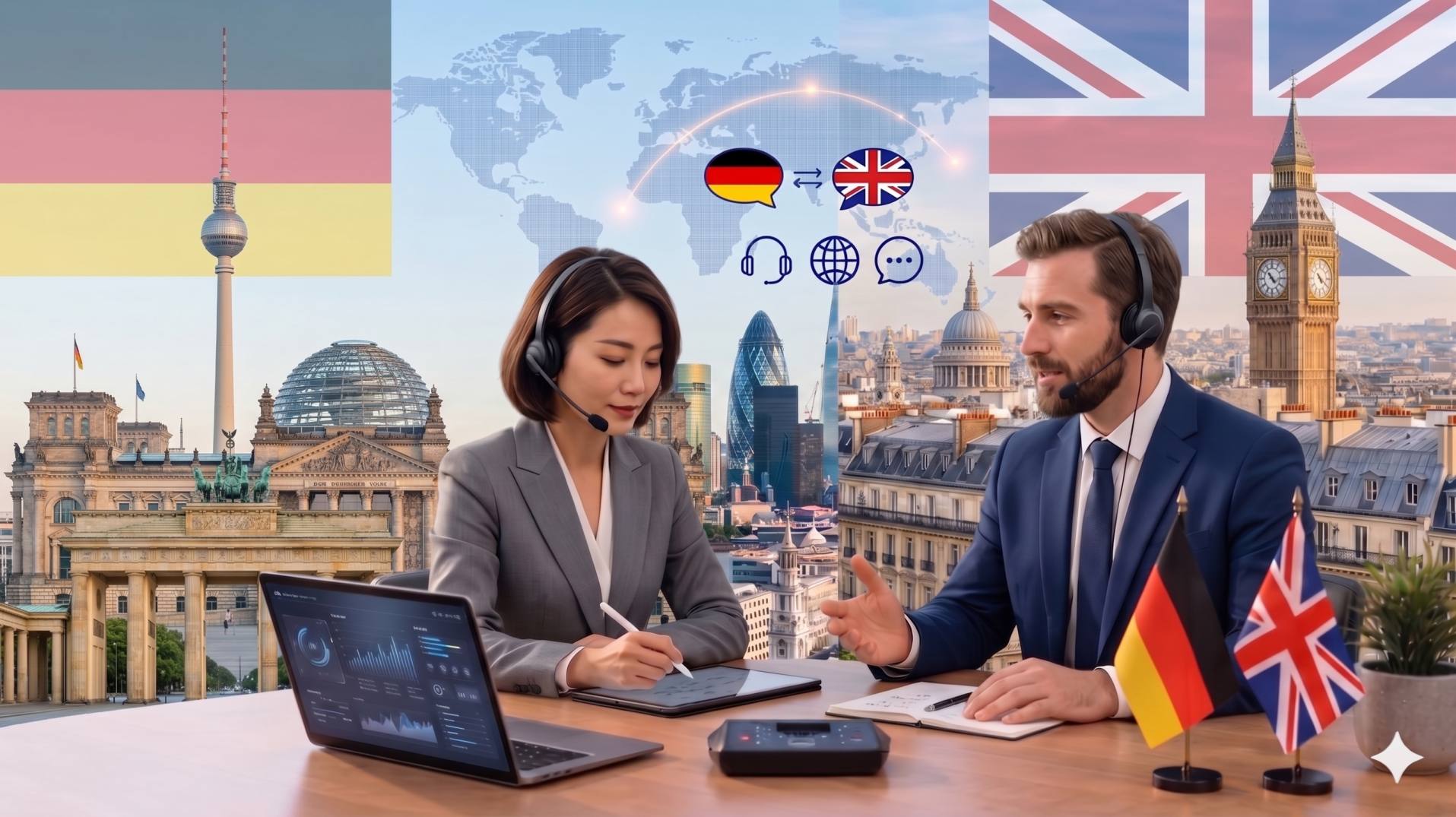
Securing a qualified and experienced Mandarin interpreter in Aberdeen City is paramount for effective communication across diverse sectors within the United Kingdom. Whether engaging with His Majesty’s Courts and Tribunals Service (HMCTS), navigating the complexities of the National Health Service (NHS), or facilitating international business relations, the need for precise linguistic and cultural mediation is undeniable. Aberdeen City, a vibrant hub in Scotland, requires specialised interpretation services that adhere to the stringent professional standards expected by UK institutions. This includes ensuring that all communication, particularly in sensitive areas like legal proceedings and healthcare, is handled with the utmost accuracy and confidentiality, respecting UK GDPR and professional codes of conduct. For residents and businesses in Aberdeen City, accessing reliable Mandarin interpretation ensures equitable access to justice, healthcare, and economic opportunities. Key NHS providers serving the region, such as NHS Grampian and potentially other collaborating health boards under the broader NHS Scotland framework, rely on professional interpreters to bridge language barriers, ensuring patient safety and effective treatment plans. This commitment to clear communication is a cornerstone of the UK’s public service ethos.
Translation vs Interpretation
While often used interchangeably, translation and interpretation are distinct linguistic disciplines, each requiring a unique skill set and adhering to different professional standards. A professional Mandarin translator in Aberdeen City works with written text, converting documents, websites, and other written materials from Mandarin to English or vice versa. This process demands meticulous attention to detail, an understanding of stylistic nuances, and often, specialised knowledge in fields such as law, medicine, or engineering to ensure accuracy and fidelity to the original meaning. Translators typically work asynchronously, allowing for research and revision. In contrast, an interpreter facilitates spoken communication in real-time. This requires not only fluency in both Mandarin and English but also exceptional listening skills, memory recall, cultural competency, and the ability to think quickly under pressure. Interpreters must maintain impartiality and confidentiality, adhering to ethical codes set by professional bodies like the National Register of Public Service Interpreters (NRPSI). For instance, in a legal setting, a Mandarin interpreter ensures that a defendant understands court proceedings or that a witness can provide testimony accurately before His Majesty’s Courts and Tribunals Service (HMCTS). Similarly, in a healthcare context, a Mandarin interpreter assists a patient in communicating their symptoms and understanding a diagnosis from an NHS clinician. The distinction is critical for procuring the correct service; engaging a translator for spoken communication or an interpreter for written documents would lead to inefficiencies and potential misunderstandings, undermining the very purpose of linguistic support.
Legal Defence, Immigration, and Courtroom Interpretation
The UK’s legal system, governed by principles of natural justice and the right to a fair trial, mandates that all individuals, regardless of their language proficiency, have access to justice. For Mandarin speakers involved in legal matters within Aberdeen City and across the UK, the role of a qualified Mandarin interpreter is indispensable. His Majesty’s Courts and Tribunals Service (HMCTS) requires interpreters to possess specific qualifications and adhere to strict codes of conduct, often verified through registration with bodies like the NRPSI or holding qualifications such as the Diploma in Public Service Interpreting (DPSI). These interpreters are crucial in various legal forums, including criminal courts, civil litigation, family law proceedings, and tribunals. They ensure that defendants understand charges, that witnesses can provide evidence clearly, and that legal counsel can communicate effectively with their Mandarin-speaking clients. The accuracy of interpretation in these settings is not merely about conveying words but about preserving the legal meaning and intent, directly impacting the outcome of cases. The Home Office and UK Visas and Immigration (UKVI) also rely heavily on professional interpreters for asylum interviews, visa applications, and other immigration-related procedures. Misinterpretation in these sensitive contexts can have profound consequences for individuals seeking to remain in the UK. Furthermore, the First-tier Immigration Tribunal and Upper Tribunal often require skilled interpreters to ensure that applicants fully understand the proceedings and can present their case effectively. Professional bodies like the National Register of Public Service Interpreters (NRPSI) and the Chartered Institute of Linguists (CIOL), which offers the DPSI qualification, set the benchmark for professional standards in public service interpreting, ensuring that interpreters working in legal environments are competent, ethical, and reliable. Engaging interpreters registered with these bodies provides assurance to legal professionals and government agencies that the highest standards of accuracy and impartiality are maintained, upholding the integrity of the UK’s justice system.
Healthcare and NHS Patient Safety
Patient safety and equitable access to healthcare are fundamental tenets of the UK’s National Health Service (NHS). For Mandarin-speaking patients in Aberdeen City and throughout Scotland, effective communication with healthcare professionals is vital for accurate diagnosis, appropriate treatment, and overall well-being. NHS Grampian, along with other NHS trusts, is committed to providing language support services to ensure that all patients can understand their medical conditions, treatment options, and discharge instructions. This commitment is guided by national policies and regulations, including the Care Quality Commission (CQC)‘s emphasis on effective communication and adherence to UK GDPR principles for data protection and patient confidentiality. Professional Mandarin interpreters play a critical role in bridging the communication gap in various healthcare settings, from GP surgeries and hospital wards to specialist consultations and mental health services. They facilitate doctor-patient consultations, ensuring that patients can articulate their symptoms, concerns, and medical history accurately, and that clinicians can explain diagnoses, treatment plans, and medication regimens clearly. The use of unqualified or untrained interpreters, such as family members, can lead to serious misunderstandings, errors in medication, and compromised patient care. Therefore, NHS trusts increasingly rely on accredited interpreters who are registered with bodies like the NRPSI or hold recognised qualifications, ensuring they possess the necessary linguistic skills, cultural understanding, and ethical grounding to operate within the sensitive healthcare environment. The NHS England Language Access guidelines also underscore the importance of professional interpretation services to ensure that language barriers do not impede access to high-quality care, aligning with the broader UK objective of providing accessible and effective healthcare for all residents. Accurate interpretation in healthcare settings is not just a matter of convenience; it is a critical component of patient safety, clinical effectiveness, and upholding the fundamental rights of individuals to understand and participate in their own healthcare decisions, as mandated by UK law and professional standards.
Technical Interpretation Modalities
The effective delivery of Mandarin interpretation services in Aberdeen City and beyond relies on understanding and applying various technical modalities, each suited to different contexts and communication needs. The choice of modality significantly impacts the flow of information and the overall effectiveness of the interaction. Simultaneous interpretation is perhaps the most technically demanding, requiring interpreters to listen, comprehend, and speak in Mandarin or English virtually at the same time, often with only a few seconds’ delay. This is typically used in large conferences, international meetings, or parliamentary sessions where efficiency and real-time communication are paramount. It requires specialised equipment, such as soundproof booths and headsets, and highly skilled interpreters working in pairs. Consecutive interpretation involves the interpreter listening to a speaker, taking notes, and then rendering the message in the target language once the speaker has finished a segment. This is common in smaller meetings, legal depositions, medical consultations, and one-on-one discussions where a more deliberate pace is acceptable and direct interaction between speakers is desired. Escort interpretation, also known as liaison interpretation, is used to facilitate communication between two or more parties who speak different languages in informal settings, such as business negotiations, site visits, or social events. The interpreter acts as a cultural bridge, not only conveying words but also explaining cultural nuances to foster understanding. Finally, remote interpretation, facilitated by advancements in technology, allows interpreters to provide services via telephone (Video Remote Interpreting – VRI) or audio conferencing platforms. This modality offers flexibility and cost-effectiveness, particularly for situations where an on-site interpreter is not feasible or necessary, such as routine medical appointments or brief business calls. Regardless of the modality, professional interpreters adhere to the standards set by UK professional bodies, ensuring accuracy, impartiality, and confidentiality, whether working in a courtroom for HMCTS, a hospital for NHS Grampian, or a corporate boardroom.
Economic and Social Fabric of Aberdeen City
Aberdeen City, renowned as the ‘Energy Capital of Europe’, possesses a dynamic economic landscape and a rich social tapestry that benefits significantly from robust international communication. The presence of a skilled Mandarin interpreter is increasingly valuable in supporting its diverse economic activities and fostering social cohesion.
Corporate and Industry Engagement
The city’s strong ties to the oil and gas sector, alongside growing interests in renewable energy, technology, and finance, attract international investment and partnerships. Mandarin-speaking business professionals, investors, and delegations frequently engage with Aberdonian enterprises. Professional Mandarin interpretation services are essential for facilitating high-level negotiations, technical discussions, and collaborative projects with Chinese companies. This ensures that contracts are clearly understood, technical specifications are accurately conveyed, and business relationships are built on a foundation of trust and mutual comprehension, adhering to UK commercial law and best practices. The ability to communicate effectively in Mandarin can unlock new market opportunities and strengthen Aberdeen’s position in the global economy.
Tourism and Cultural Exchange
Aberdeen City and its surrounding regions offer unique historical sites, stunning natural beauty, and a vibrant cultural scene that attracts visitors from around the world, including a growing number from Mandarin-speaking countries. Professional Mandarin interpreters can enhance the visitor experience by providing guided tours, assisting with travel arrangements, and facilitating communication in hotels, restaurants, and retail environments. This not only improves the experience for tourists but also supports the local tourism economy. Cultural exchange programmes and events also benefit from skilled interpreters, fostering greater understanding and appreciation between different communities within Aberdeen and promoting its unique heritage on an international stage.
Legal Infrastructure and Access to Justice
As a significant legal centre in Scotland, Aberdeen City hosts numerous law firms and legal professionals who serve a diverse clientele. Mandarin-speaking individuals and businesses operating within or interacting with the UK legal system require access to qualified interpreters for matters ranging from corporate law and property transactions to immigration and family law. Ensuring that Mandarin speakers can fully understand proceedings before His Majesty’s Courts and Tribunals Service (HMCTS) and effectively communicate with their legal representatives is a matter of fundamental legal right. The availability of accredited interpreters registered with bodies like the NRPSI is crucial for maintaining the integrity of the justice system and ensuring equal access to legal services for all residents, aligning with the principles of UK justice.
NHS Healthcare Services
The National Health Service (NHS) in Aberdeen City, primarily represented by NHS Grampian, serves a population with diverse linguistic backgrounds. Mandarin-speaking patients require clear communication to access and benefit from healthcare services. Professional Mandarin interpreters are vital for ensuring that patients understand medical advice, treatment plans, and health information, thereby promoting better health outcomes and patient safety. This aligns with the NHS’s commitment to providing equitable care to all, regardless of language, and adheres to the stringent standards of patient confidentiality and data protection mandated by UK GDPR. The availability of qualified interpreters supports the effective functioning of local NHS trusts and enhances the overall health and well-being of the Mandarin-speaking community within Aberdeen City.
Local Infrastructure and Transport
Aberdeen City boasts a well-developed infrastructure that supports its economic and social functions, including a comprehensive transport network. Efficient communication is key to navigating and utilising these resources effectively. For Mandarin speakers, access to professional interpretation services can facilitate interactions with transport providers, local authorities, and service centres. Whether it is understanding public transport schedules, engaging with taxi services, or communicating with local council services, a qualified Mandarin interpreter can bridge language gaps. The city’s transport links, including its airport and port, handle significant international traffic, making Mandarin interpretation valuable for businesses involved in logistics, import/export, and international travel. Furthermore, local government services, accessible via the Aberdeen City Council website and offices, often require clear communication for residents accessing civic services, permits, or information. Professional interpretation ensures that all residents, including the Mandarin-speaking community, can fully engage with and benefit from the city’s infrastructure and public services, fostering a more inclusive and connected community.
Conclusion
For businesses, legal professionals, healthcare providers, and government agencies in Aberdeen City and across the United Kingdom, engaging a professional Mandarin interpreter in Aberdeen City is not merely a logistical requirement but a strategic imperative. It ensures compliance with UK legal and professional standards, enhances patient safety within the NHS, facilitates robust economic partnerships, and upholds the principles of equal access to justice and public services. By prioritising accurate, culturally sensitive, and confidential interpretation, organisations can build trust, foster stronger relationships, and achieve their objectives effectively. We are committed to providing expert Mandarin interpretation services that meet the highest standards of professionalism and linguistic precision, supporting the diverse needs of Aberdeen City’s dynamic community and its connections to the wider UK economy.