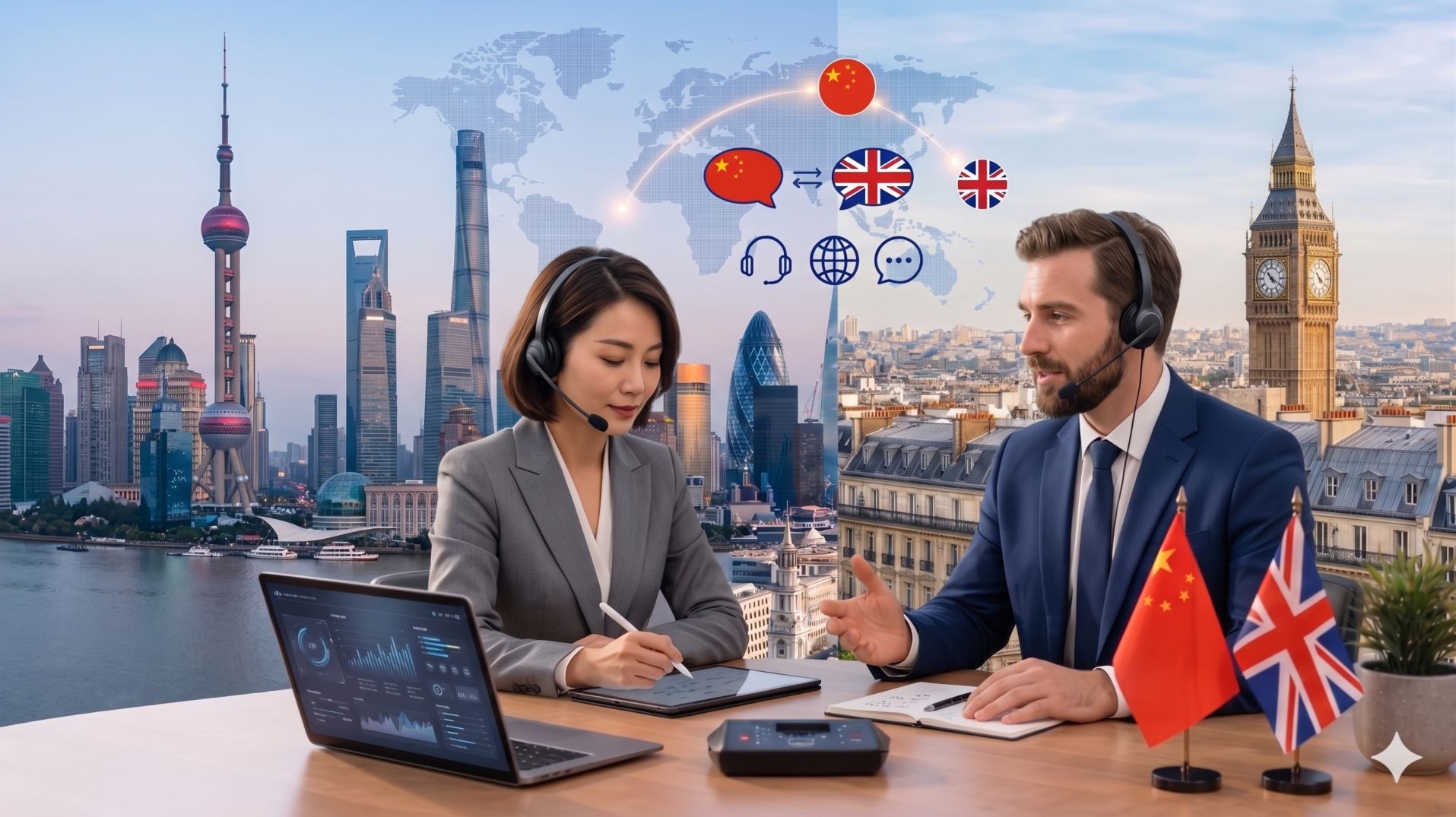
Securing a qualified Mandarin interpreter in Cheshire West and Chester is paramount for effective communication across diverse sectors, from legal proceedings and healthcare to international business and public services. In a region like Cheshire West and Chester, which benefits from robust economic activity and a commitment to inclusive public services, the need for accurate, culturally sensitive, and professionally accredited language support cannot be overstated. This is particularly true when engaging with Mandarin-speaking individuals, whether they are clients, patients, or business partners. Ensuring seamless communication relies on understanding the nuances of interpretation and translation, and engaging with professionals who adhere to the highest UK standards. For residents and businesses in Cheshire West and Chester, access to reliable Mandarin interpretation services is facilitated by a network of qualified professionals who understand the specific requirements of UK institutions, including His Majesty’s Courts and Tribunals Service (HMCTS) and the National Health Service (NHS). For instance, the Chesterfield Royal Hospital NHS Foundation Trust and the Mid Cheshire Hospitals NHS Foundation Trust, both serving the Cheshire West and Chester area, rely on professional interpreters to ensure equitable access to care for all patients, regardless of their linguistic background. This commitment to accessibility is a cornerstone of the UK’s public service ethos.
Translation vs Interpretation
While often used interchangeably, translation and interpretation are distinct linguistic disciplines, each requiring specialised skills and adhering to different professional standards within the UK. Understanding this difference is crucial for corporate buyers, law firms, and public sector organisations seeking language services. Interpretation involves the live, spoken rendition of a message from one language to another. This can occur in real-time during meetings, court hearings, or medical appointments. A Mandarin interpreter in Cheshire West and Chester must possess not only fluency in Mandarin and English but also a deep understanding of cultural contexts, subject-specific terminology, and the ethical codes governing interpretation in the UK. Professional bodies such as the National Register of Public Service Interpreters (NRPSI) and the Chartered Institute of Linguists (CIOL) set rigorous standards for public service interpreters, ensuring their competence and ethical conduct. Conversely, translation deals with the written word, converting documents, websites, or other textual materials from one language to another. A Mandarin translator in Cheshire West and Chester will focus on accuracy, style, and the preservation of meaning in written texts, often requiring specialised knowledge in fields such as law, medicine, or finance. Both disciplines are vital for businesses operating in a globalised economy and for public services aiming to serve a diverse population. For instance, a legal firm might require a Mandarin translator for contracts and court documents, while simultaneously needing a Mandarin interpreter for client consultations or courtroom appearances.
Legal Defence, Immigration, and Courtroom Interpretation
The administration of justice in the United Kingdom is built on principles of fairness and equal access, which necessitates robust language support for individuals who do not speak English as a first language. For Mandarin speakers involved in legal matters within Cheshire West and Chester, securing a qualified Mandarin interpreter is not merely a convenience but a fundamental right. His Majesty’s Courts and Tribunals Service (HMCTS) mandates the provision of interpreters in criminal and civil proceedings to ensure that all parties can understand the proceedings and present their case effectively. This includes cases heard in Magistrates’ Courts, Crown Courts, and various tribunals under the purview of HMCTS. The HM Courts and Tribunals Service oversees the operational aspects of these courts, and their commitment to accessibility is supported by a register of accredited interpreters. Professional interpreters working in this domain must often hold qualifications recognised by bodies like the NRPSI or possess the Diploma in Public Service Interpreting (DPSI), demonstrating their proficiency in legal terminology and courtroom etiquette. Immigration law is another critical area where Mandarin interpretation is essential. The UK Visas and Immigration (UKVI), part of the Home Office, handles applications and appeals related to immigration status. Individuals attending interviews or hearings with UKVI officials, or appealing decisions at the First-tier Immigration Tribunal, require interpreters to ensure their circumstances are accurately conveyed. The accuracy of an interpreter’s rendition can have profound consequences on the outcome of immigration cases. Furthermore, solicitors and barristers representing clients in Cheshire West and Chester must be confident that their Mandarin-speaking clients fully understand legal advice and proceedings. This requires interpreters who are not only linguistically competent but also understand the specific legal frameworks and procedures within the UK. The First-tier Immigration Tribunal, for example, relies heavily on the availability of skilled interpreters to ensure fair hearings for all applicants. The Association of Police and Court Interpreters (APCI) also plays a role in setting standards, and professional interpreters often belong to organisations like the International Association of Conference Interpreters (AIIC), which also covers public service roles.
Healthcare and NHS Patient Safety
Patient safety and equitable access to healthcare are fundamental principles of the National Health Service (NHS) in the UK. For Mandarin-speaking patients in Cheshire West and Chester, effective communication with healthcare professionals is vital for accurate diagnosis, treatment, and overall well-being. The Care Quality Commission (CQC), the independent regulator of health and social care services in England, emphasizes the importance of effective communication in providing high-quality care. This includes ensuring that patients with limited English proficiency can fully participate in their healthcare decisions. NHS trusts serving Cheshire West and Chester, such as the Mid Cheshire Hospitals NHS Foundation Trust and the Chesterfield Royal Hospital NHS Foundation Trust, are committed to providing language services to meet the needs of their diverse patient population. A professional Mandarin interpreter plays a crucial role in various healthcare settings, including GP surgeries, hospital wards, outpatient clinics, and emergency departments. They facilitate consultations, explain medical conditions and treatment plans, and ensure that patients understand consent forms and discharge instructions. The NHS England Language Access guidelines provide a framework for commissioning and providing language services, underscoring the need for qualified interpreters. Adherence to UK data protection laws, specifically the UK General Data Protection Regulation (UK GDPR), is also paramount. Interpreters must maintain strict confidentiality regarding patient information, ensuring that sensitive medical details are protected. Professional bodies like the NRPSI and CIOL offer qualifications and codes of conduct that interpreters adhere to, guaranteeing a high standard of service. The NHS Business Services Authority also plays a role in supporting NHS services, including aspects related to patient access. When engaging a Mandarin interpreter for healthcare settings, it is essential to ensure they are trained in medical terminology and understand the ethical considerations specific to healthcare, such as impartiality and patient advocacy within the bounds of interpretation.
Technical Interpretation Modalities
The effectiveness of a Mandarin interpreter in Cheshire West and Chester hinges not only on their linguistic skills but also on their ability to deploy the appropriate interpretation modality for the specific context. Different situations demand different approaches, and understanding these technical modalities is key for organisations to select the most suitable service. Consecutive interpretation is perhaps the most common in one-on-one meetings or smaller group discussions. The interpreter listens to a segment of speech, then renders it into the target language while the speaker pauses. This allows for a natural flow of conversation, making it ideal for client meetings, doctor’s appointments, or informal discussions. Simultaneous interpretation, on the other hand, is used in larger settings such as conferences, international summits, or formal presentations. Here, the interpreter speaks almost concurrently with the source speaker, often using specialised equipment like soundproof booths and headsets. This requires intense concentration and rapid processing, making it a highly specialised skill. For business delegations or tours where a Mandarin speaker needs to communicate with multiple people in various locations throughout the day, escort interpretation is the most practical. The interpreter travels with the client, facilitating communication in diverse settings, from factory visits to social events. This role often requires a degree of cultural mediation and logistical support. In recent years, remote interpretation has gained significant traction, especially with advancements in technology. This can take the form of Video Remote Interpreting (VRI) or Over-the-Phone Interpreting (OPI). VRI uses video conferencing tools, allowing the interpreter to see and hear the participants, which is beneficial for conveying non-verbal cues. OPI is useful for situations where video is not feasible or necessary. Remote interpretation offers flexibility, cost-effectiveness, and rapid deployment, making it a valuable option for many scenarios, including urgent medical consultations or brief business calls. Regardless of the modality, the professional standards set by UK bodies like the NRPSI and CIOL must be met, ensuring accuracy and confidentiality across all forms of interpretation.
Economic and Social Fabric of Cheshire West and Chester
Cheshire West and Chester is a region characterised by a dynamic economy, a rich cultural heritage, and a commitment to community well-being. Understanding its local economic and social fabric is essential for businesses and public services seeking to engage effectively with its diverse population, including Mandarin speakers. The presence of a skilled Mandarin interpreter is increasingly valuable in navigating this landscape.
Corporate and Industry
The borough boasts a diverse industrial base, with strengths in advanced manufacturing, digital technologies, and professional services. Major employers and a network of small and medium-sized enterprises (SMEs) contribute to a vibrant business environment. For companies involved in international trade, particularly with markets in East Asia, the ability to communicate effectively in Mandarin is a significant advantage. This can facilitate negotiations, enhance customer relations, and open up new market opportunities. Professional Mandarin interpreters are crucial for business meetings, trade fairs, and the translation of marketing materials and technical documentation, ensuring that UK businesses can compete effectively on a global stage. Organisations such as the Cheshire and Warrington Growth Company support local businesses, and their services can be enhanced by accessible language support for international partners.
Tourism
Cheshire West and Chester is a popular tourist destination, attracting visitors with its historic cities like Chester, its natural beauty, and its cultural attractions. The tourism sector relies on providing a welcoming experience for all visitors, regardless of their origin. Mandarin-speaking tourists represent a growing market segment. Providing information in Mandarin, whether through translated brochures, website content, or on-site interpretation services at attractions, can significantly enhance the visitor experience. This not only benefits the tourists but also boosts the local economy by encouraging longer stays and greater spending. Hotels, heritage sites, and visitor information centres can all benefit from having access to Mandarin interpretation and translation services.
Legal Infrastructure
The region is served by a comprehensive legal infrastructure, including courts and legal practices. As previously detailed, His Majesty’s Courts and Tribunals Service (HMCTS) operates within the area, requiring interpreters for a wide range of legal proceedings. Law firms in Cheshire West and Chester that handle international cases, family law, or immigration matters will frequently require the services of a Mandarin interpreter to assist their clients. The availability of accredited interpreters ensures that the legal system remains accessible and fair for all individuals, upholding the principles of justice as administered by UK courts and tribunals.
NHS Healthcare
The National Health Service (NHS) provides essential healthcare services to the residents of Cheshire West and Chester. The commitment to patient-centred care means that language barriers must be overcome to ensure everyone receives appropriate medical attention. NHS trusts, such as those mentioned earlier, work to provide language support, and the engagement of professional Mandarin interpreters is vital for effective patient-doctor communication, particularly in complex medical situations. This ensures that patients understand their diagnoses, treatment options, and post-care instructions, contributing to better health outcomes and patient satisfaction, in line with CQC standards and NHS England’s commitment to equitable access.
Local Infrastructure and Transport
Cheshire West and Chester benefits from a well-developed infrastructure, including road networks, public transport, and digital connectivity, which are crucial for both residents and businesses. The region is strategically located with excellent road links, including proximity to major motorways like the M56 and M6, facilitating the movement of goods and people. Public transport options include a comprehensive bus network and rail services connecting key towns within the borough and to major cities like Liverpool and Manchester. For businesses requiring the services of a Mandarin interpreter, this robust transport infrastructure ensures that interpreters can reach meeting venues, courts, or hospitals efficiently. The availability of reliable digital infrastructure also supports the growing trend of remote interpretation services, allowing for seamless communication regardless of physical location. The Cheshire West and Chester Council plays a vital role in maintaining and developing this infrastructure, ensuring the region remains accessible and connected. This connectivity is not just physical but also digital, supporting the integration of language services into the daily operations of businesses and public bodies across the region.
In conclusion, the demand for a professional Mandarin interpreter in Cheshire West and Chester is driven by the region’s economic vitality, its diverse population, and the UK’s commitment to accessible public services. Whether for legal defence in HMCTS courts, critical communication within the NHS, or facilitating international business relations, the role of a qualified interpreter is indispensable. Engaging accredited professionals ensures accuracy, cultural understanding, and adherence to the stringent standards set by UK professional bodies. For any organisation or individual requiring Mandarin interpretation services in this area, seeking out certified interpreters is the surest way to guarantee effective and reliable communication, fostering trust and achieving successful outcomes.