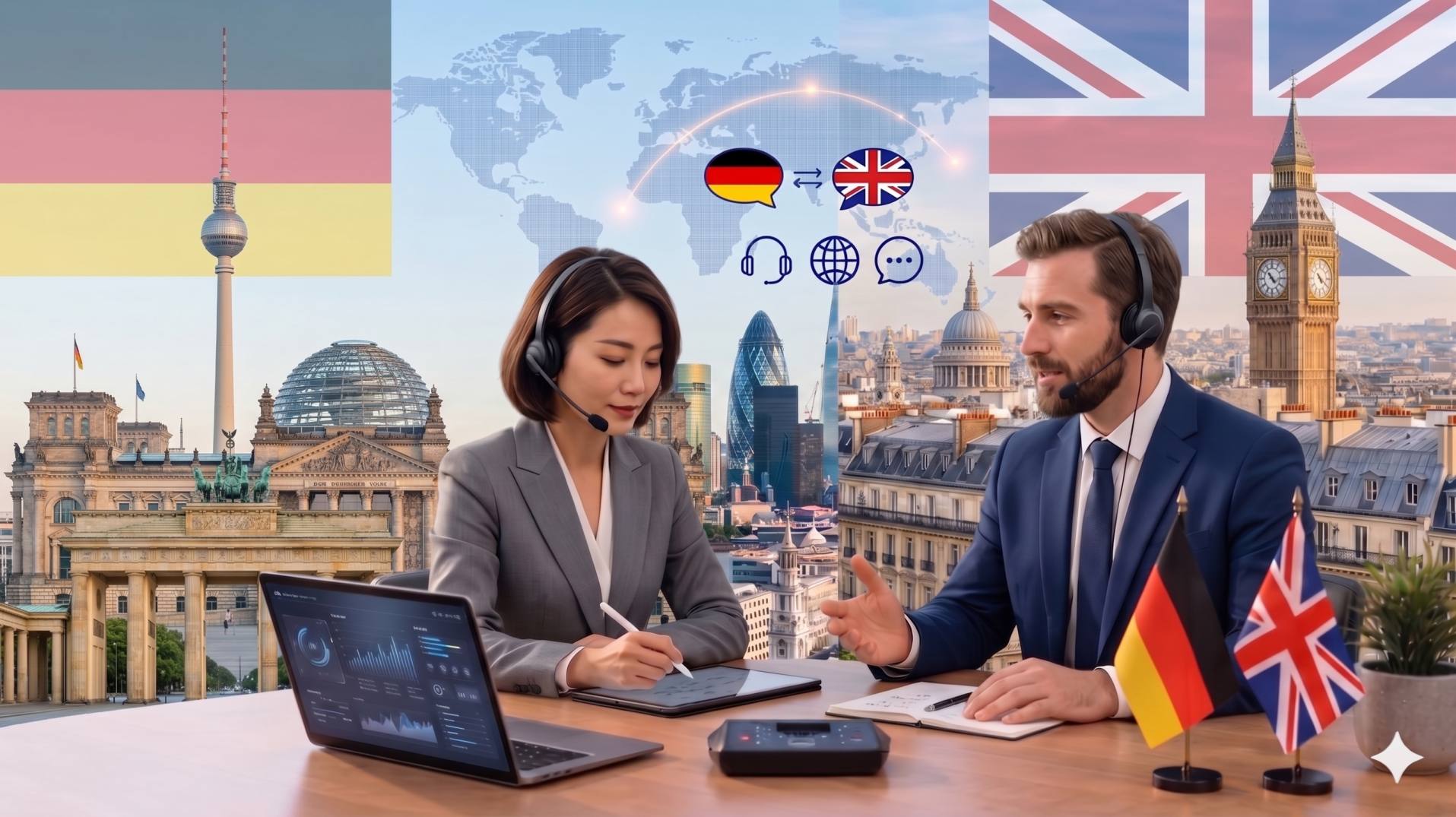

Securing a qualified Mandarin interpreter in Conwy is paramount for effective communication across diverse sectors within the United Kingdom. Whether engaging with the National Health Service (NHS), navigating the complexities of His Majesty’s Courts and Tribunals Service (HMCTS), or facilitating international business dealings, the need for precise and culturally nuanced linguistic support cannot be overstated. In Conwy, residents and businesses can access vital services supported by dedicated NHS trusts, including NHS 111 Wales, which provides essential health advice, and the Betsi Cadwaladr University Health Board, responsible for delivering a comprehensive range of healthcare services across North Wales, including the Conwy area. The availability of professional Mandarin interpretation ensures that language barriers do not impede access to justice, healthcare, or economic opportunities for Mandarin speakers residing in or interacting with the Conwy region and beyond.
Translation vs Interpretation
Understanding the distinction between translation and interpretation is fundamental when seeking linguistic assistance. While both involve the transfer of meaning from one language to another, they are distinct disciplines requiring different skill sets and methodologies. Translation typically refers to the written word, involving the conversion of documents, websites, or other textual materials from one language to another. This process demands meticulous attention to detail, a deep understanding of grammar, syntax, and cultural context, and often involves specialised software and extensive research to ensure accuracy and fidelity to the source text. A skilled translator ensures that the written output is not only linguistically correct but also culturally appropriate for the target audience.
Interpretation, on the other hand, deals with the spoken word. A Mandarin interpreter in Conwy facilitates real-time communication between individuals or groups speaking different languages. This requires not only fluency in both languages but also exceptional listening skills, memory retention, and the ability to convey meaning accurately and instantaneously. Interpreters must be adept at understanding nuances, tone, and non-verbal cues, adapting their delivery to suit the specific communication context. The role of a Mandarin interpreter is critical in settings where immediate understanding is essential, such as legal proceedings, medical consultations, or business negotiations. For those seeking to bridge written communication gaps, a professional Mandarin translator in Conwy can provide invaluable services for official documents, business correspondence, and marketing materials, ensuring clarity and professionalism in all written exchanges.
Legal Defence, Immigration, and Courtroom Interpretation
The UK legal system is built upon principles of fairness and access to justice for all, regardless of their linguistic background. For Mandarin speakers involved in legal matters in Conwy and across the United Kingdom, the provision of qualified interpreters is a statutory right. His Majesty’s Courts and Tribunals Service (HMCTS) mandates the use of accredited interpreters to ensure that all parties can understand proceedings and present their cases effectively. This is particularly crucial in criminal and civil court cases, family law matters, and administrative hearings before tribunals. The National Register of Public Service Interpreters (NRPSI) and the Diploma in Public Service Interpreting (DPSI) are key benchmarks for professional public service interpreters in the UK, signifying a high level of competence and adherence to a strict code of conduct.
Immigration law is another area where expert Mandarin interpretation is indispensable. The UK Visas and Immigration (UKVI) department, part of the Home Office, processes a vast number of applications, and clear communication is vital throughout the process. Mandarin speakers may require interpreters for visa interviews, asylum claims, and appeals heard before the First-tier Immigration Tribunal. Failure to provide adequate interpretation can lead to misunderstandings, incorrect submissions, and potentially adverse decisions. Law firms specialising in immigration and human rights law in the Conwy region and throughout the UK rely heavily on professional interpreters to represent their clients’ interests accurately. The Royal Courts of Justice and other judicial centres across the UK expect the highest standards of impartiality and accuracy from all legal interpreters.
The professional standards for public service interpreters are rigorously maintained. Bodies like the NRPSI ensure that interpreters possess the necessary linguistic skills, ethical understanding, and knowledge of legal terminology. This commitment to quality safeguards the integrity of the legal process and ensures that justice is served equitably. For any legal professional or individual requiring Mandarin interpretation for court appearances, police interviews, or legal consultations, engaging an interpreter registered with a recognised body is essential. This guarantees adherence to professional ethics, confidentiality, and a commitment to providing an accurate rendition of spoken language, thereby upholding the principles of natural justice.
Healthcare and NHS Patient Safety
Patient safety within the NHS is a cornerstone of healthcare delivery in the UK, and effective communication is integral to achieving this. For Mandarin-speaking patients in Conwy, accessing healthcare services without language barriers is a fundamental right. The NHS is committed to providing equitable care, and this includes ensuring that patients can fully understand their medical conditions, treatment options, and consent forms. The Care Quality Commission (CQC) oversees healthcare standards across England, and its regulations emphasise the importance of effective communication in patient care. NHS trusts are required to make reasonable adjustments to ensure that patients with communication needs, including those who speak Mandarin, can receive safe and effective treatment.
The Betsi Cadwaladr University Health Board, serving Conwy, has a responsibility to ensure that Mandarin-speaking patients can communicate effectively with healthcare professionals. This involves providing access to qualified interpreters for consultations, diagnostic procedures, and hospital stays. Adherence to NHS England’s Language Access guidelines and UK GDPR principles is crucial. These guidelines stipulate that language support should be provided free of charge to patients who require it, ensuring that cost is not a barrier to accessing essential medical information. Interpreters working within the NHS must not only be linguistically proficient but also possess an understanding of medical terminology and the sensitive nature of healthcare interactions.
The use of professional Mandarin interpreters in healthcare settings is vital for obtaining informed consent, explaining complex medical information, and ensuring patient comfort and trust. Misunderstandings can have serious consequences, leading to incorrect diagnoses, inappropriate treatments, or adverse drug reactions. Therefore, NHS trusts and healthcare providers in the Conwy area must prioritise the availability of qualified interpreters. The professional standards for medical interpreters often align with those set by bodies like NRPSI or require specific medical interpreting qualifications, ensuring a high level of competence and ethical practice. This commitment to clear communication directly contributes to improved patient outcomes and upholds the fundamental principle of patient-centred care within the NHS.
Technical Interpretation Modalities
The effective delivery of Mandarin interpretation services relies on employing the appropriate modality for the specific situation. Several technical methods are used, each suited to different communication environments and objectives. Simultaneous interpretation is perhaps the most demanding, where the interpreter speaks the translated message almost concurrently with the original speaker, often with only a few seconds’ delay. This is typically performed in a soundproof booth using specialised equipment and is ideal for large conferences, international summits, or parliamentary sessions where time is critical and continuous communication is required. The interpreter must possess exceptional concentration, rapid processing skills, and a comprehensive understanding of the subject matter.
Consecutive interpretation involves the interpreter listening to a segment of speech, then delivering the translated message once the speaker has finished their segment. This method is more common in smaller settings, such as business meetings, legal consultations, or one-on-one discussions. It allows for more natural pauses and opportunities for clarification, making it suitable for situations where detailed interaction and comprehension are key. The interpreter often takes notes to aid memory recall during longer speeches.
Escort interpretation, also known as liaison interpretation, is used for informal settings or during tours and visits. The interpreter acts as a cultural and linguistic bridge, facilitating communication between parties who may not share a common language. This can involve accompanying business delegations, guiding visitors, or facilitating social interactions. The interpreter’s role here is to ensure smooth communication and cultural understanding, often translating short utterances back and forth.
In recent years, remote interpretation has gained significant traction, particularly with advancements in technology. This modality allows interpreters to provide services from a distance, connecting via telephone (Video Remote Interpreting – VRI, or Over-the-Phone Interpreting – OPI) or specialised online platforms. Remote interpretation offers flexibility, cost-effectiveness, and rapid deployment, making it an invaluable resource for situations where on-site interpreters are not feasible or readily available. It is widely used in healthcare settings for remote consultations, in legal contexts for depositions, and for general business communication. Regardless of the modality, the core requirement remains the same: a highly skilled, professional Mandarin interpreter who adheres to strict ethical codes and delivers accurate, culturally sensitive communication.
Economic and Social Fabric of Conwy
Conwy, a historic town nestled in North Wales, boasts a rich tapestry of economic and social activity. Its strategic location and unique heritage contribute to a vibrant local economy that increasingly engages with international markets and diverse communities. Understanding the specific sectors and infrastructure within Conwy is crucial for appreciating the demand for specialised linguistic services, such as Mandarin interpretation.
Corporate and Industry
While Conwy may not be a major industrial hub, it supports a range of businesses, including manufacturing, technology, and professional services. As global trade continues to expand, local enterprises in Conwy may find themselves interacting with Chinese markets, suppliers, or clients. This necessitates clear communication for contract negotiations, product development, and supply chain management. Professional Mandarin interpretation and translation services are essential for businesses looking to establish or strengthen their presence in international markets, ensuring that all commercial agreements are understood and legally sound according to UK commercial law.
Tourism
Conwy is renowned for its stunning natural beauty, historical sites like Conwy Castle, and vibrant cultural scene, making it a significant tourist destination. The influx of international visitors, including those from Mandarin-speaking countries, presents opportunities and challenges for the local tourism sector. Hotels, restaurants, heritage sites, and tour operators can enhance their visitor experience by offering multilingual support. A Mandarin interpreter can facilitate communication with tourists, provide guided tours, and assist with any issues that may arise, thereby boosting customer satisfaction and encouraging repeat visits. This aligns with the broader UK tourism strategy to attract a diverse range of global visitors.
Legal Infrastructure
The legal landscape in Conwy is served by local solicitors’ firms and is subject to the overarching jurisdiction of His Majesty’s Courts and Tribunals Service (HMCTS). Mandarin speakers involved in legal matters, whether civil disputes, criminal proceedings, or family law cases, require access to qualified interpreters. The presence of a robust legal infrastructure, even at a local level, underscores the importance of professional Mandarin interpretation to ensure that all parties have a fair hearing and understand the legal processes. This includes interactions with local police forces, solicitors, and the courts themselves.
NHS Healthcare
As previously detailed, the NHS provides essential healthcare services to the residents of Conwy through trusts like the Betsi Cadwaladr University Health Board. The demographic diversity of the UK means that healthcare providers must be equipped to serve patients from all linguistic backgrounds. For Mandarin speakers, access to qualified interpreters is critical for everything from routine appointments and emergency care to complex surgical procedures and mental health support. The commitment to patient safety and equitable access to care within the NHS highlights the indispensable role of Mandarin interpreters in Conwy’s healthcare system.
Local Infrastructure and Transport
Conwy benefits from a developing infrastructure that supports its economic and social functions. The town is connected by road networks, including the A55 North Wales Expressway, facilitating travel and commerce within the region and to major cities like Liverpool and Manchester. Public transport options, including rail services, further enhance connectivity. For businesses and individuals requiring Mandarin interpretation, the accessibility of Conwy is a key factor. Whether for meetings at local business premises, consultations at healthcare facilities, or appearances at court, the transport links ensure that interpreters can reach their destinations efficiently. Furthermore, the increasing adoption of digital communication technologies means that remote interpretation services can seamlessly connect Mandarin speakers in Conwy with interpreters located anywhere in the UK or globally, overcoming geographical limitations and ensuring timely linguistic support.
The presence of reliable infrastructure, both physical and digital, underpins the ability of Conwy to integrate effectively into the wider UK economy and society. For professional services, including Mandarin interpretation, this means that clients in Conwy can expect a high standard of service delivery, whether in person or remotely. The local council, Conwy County Borough Council, plays a role in developing and maintaining this infrastructure, ensuring that the region remains a viable and attractive place for businesses and residents alike. Understanding these local dynamics is key to appreciating the full scope of services required and the professional standards that must be met by Mandarin interpreters operating in this area.
In conclusion, the need for a professional Mandarin interpreter in Conwy is multifaceted, spanning critical sectors such as legal, healthcare, and business. Ensuring access to qualified, accredited interpreters is not merely a matter of convenience but a fundamental requirement for upholding justice, patient safety, and economic participation within the United Kingdom. For any organisation or individual requiring expert linguistic services, engaging a certified Mandarin interpreter is a vital step towards effective and equitable communication. We are committed to providing unparalleled Mandarin interpretation services tailored to the specific needs of Conwy and its surrounding areas.