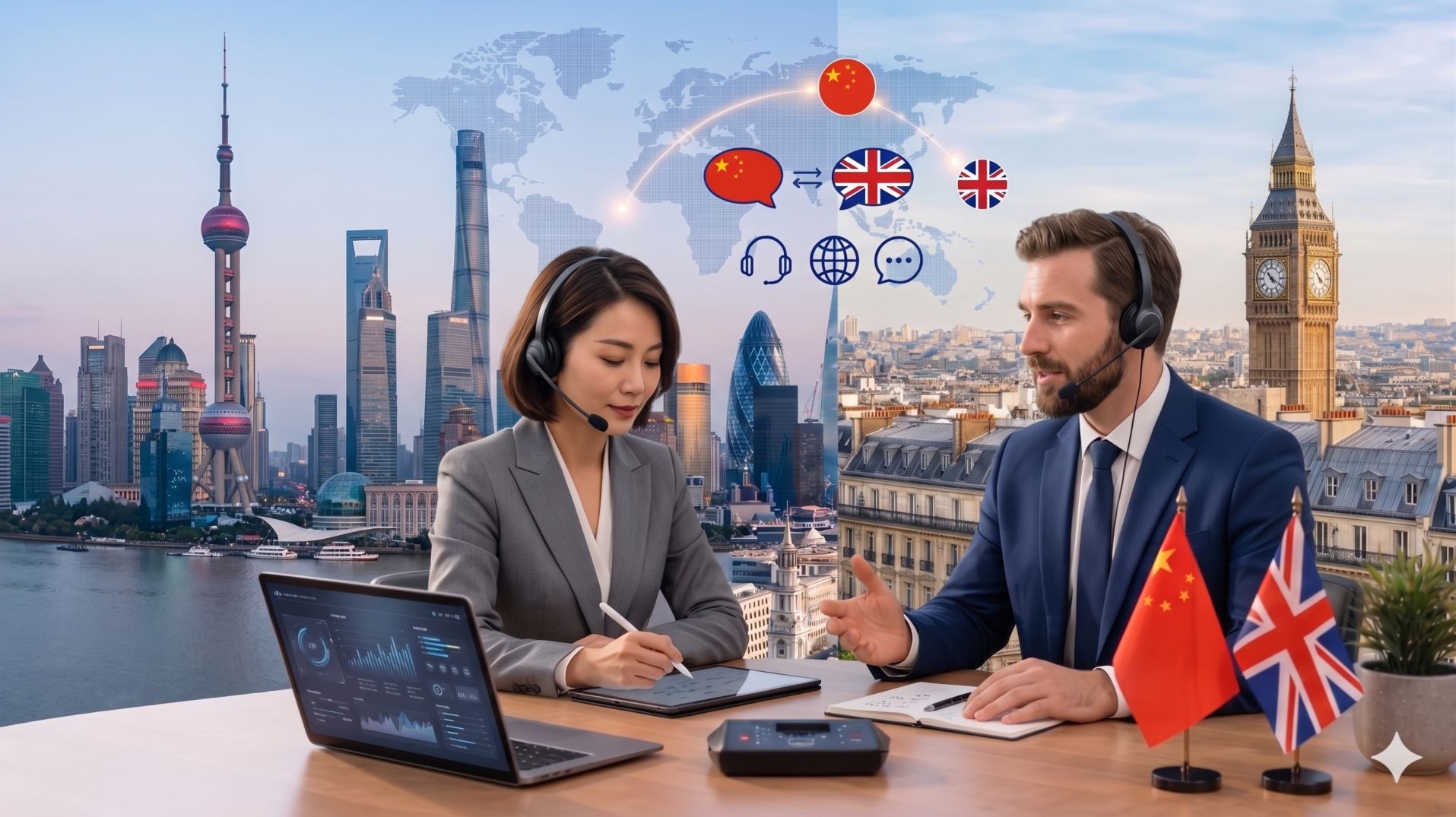
Securing a qualified Mandarin interpreter in Enfield is paramount for effective communication across diverse sectors, from legal proceedings and healthcare consultations to business negotiations and public services. Enfield, a vibrant and diverse borough in North London, benefits from a rich tapestry of cultures, necessitating specialised linguistic support to ensure all residents and businesses can access essential services and opportunities. For individuals and organisations requiring Mandarin language services, understanding the landscape of professional interpretation and translation is crucial. This guide explores the vital role of Mandarin interpreters in Enfield, highlighting their importance in upholding legal standards, ensuring patient safety within the NHS, and facilitating economic growth, all within the stringent regulatory framework of the United Kingdom. The borough is served by key NHS trusts, including Royal Free London NHS Foundation Trust and Whittington Health NHS Trust, both of which rely on accurate communication to deliver effective patient care.
Translation vs Interpretation: Understanding the Nuances
While often used interchangeably, translation and interpretation are distinct linguistic disciplines, each requiring specialised skills and training. A professional Mandarin translator in Enfield works with written text, converting documents, websites, and other written materials from Mandarin to English or vice versa. This process demands not only linguistic proficiency but also an understanding of cultural nuances, subject-specific terminology, and the ability to maintain the original text’s tone and intent. Conversely, a Mandarin interpreter facilitates spoken communication in real-time. This involves listening to a speaker in one language and rendering their message accurately and fluently in another. The role of an interpreter is dynamic, requiring quick thinking, exceptional memory, and the ability to remain neutral and impartial. For critical situations such as legal hearings or medical appointments, the distinction is vital. A certified Mandarin interpreter ensures that spoken words are conveyed precisely, preventing misunderstandings that could have significant consequences. Professional bodies like the National Register of Public Service Interpreters (NRPSI) and the Chartered Institute of Linguists (CIOL) set the standards for both translators and interpreters in the UK, ensuring a high level of competence and ethical conduct.
Legal Defence, Immigration, and Courtroom Interpretation
Access to justice is a cornerstone of the UK legal system, and for individuals who do not speak English fluently, a qualified Mandarin interpreter is indispensable. In the context of UK law, this means engaging interpreters who adhere to the rigorous standards set by bodies such as the NRPSI and possess qualifications like the Diploma in Public Service Interpreting (DPSI). These interpreters are vital in various legal settings, including criminal and civil courts, tribunals, police stations, and solicitor’s offices. His Majesty’s Courts and Tribunals Service (HMCTS) mandates the provision of interpreters to ensure fair trials and due process for all parties. This is particularly critical in immigration cases, where individuals may be navigating complex procedures with the Home Office and the First-tier Immigration Tribunal. A Mandarin interpreter ensures that evidence is presented accurately, witness testimonies are understood, and legal advice is comprehended fully. The accuracy provided by a professional interpreter prevents miscarriages of justice and upholds the integrity of the UK’s legal framework. Furthermore, interpreters play a crucial role in pre-trial preparations, assisting legal teams in understanding the nuances of their client’s situation and in preparing defence strategies. The His Majesty’s Courts and Tribunals Service (HMCTS) website provides information on accessing court services, including the need for interpreters.
Healthcare and NHS Patient Safety
Patient safety and equitable access to healthcare are fundamental principles of the National Health Service (NHS). In a diverse borough like Enfield, the need for Mandarin-speaking healthcare professionals and, crucially, qualified Mandarin interpreters is significant. The Care Quality Commission (CQC), the independent regulator of health and social care services in England, emphasises effective communication as a key aspect of high-quality care. Misunderstandings arising from language barriers can lead to diagnostic errors, incorrect treatment, medication mistakes, and a breakdown in the patient-clinician relationship. Professional Mandarin interpreters working within the NHS, such as those serving patients under the Royal Free London NHS Foundation Trust or Whittington Health NHS Trust, are trained to handle sensitive medical information with confidentiality and adhere to strict ethical codes. They facilitate clear communication during consultations, explain complex medical conditions and treatment plans, and ensure patients can provide informed consent. NHS England’s Language Access guidelines underscore the importance of providing language support to ensure all patients, regardless of their linguistic background, receive the best possible care. Compliance with UK GDPR is also paramount, ensuring that all patient data, including information shared through interpreters, is handled securely and confidentially. The NHS England website details its commitment to patient care and accessibility.
Technical Interpretation Modalities
The effectiveness of a Mandarin interpreter in Enfield depends not only on their linguistic skills but also on their ability to deploy the appropriate interpretation modality for the specific situation. Several techniques are employed, each suited to different contexts:
- Simultaneous Interpretation: This is the most demanding form, where the interpreter speaks almost concurrently with the source speaker, often using specialised equipment like booths and headsets. It is commonly used in large conferences, international meetings, and high-level negotiations where seamless flow of information is critical.
- Consecutive Interpretation: Here, the interpreter waits for the speaker to pause or finish a segment before rendering the message in the target language. This is suitable for smaller meetings, one-on-one discussions, and situations where detailed note-taking is involved. It is frequently used in legal settings and medical consultations.
- Escort Interpretation: Also known as liaison interpretation, this involves the interpreter accompanying a client to various appointments, tours, or meetings, facilitating communication between the client and the people they are interacting with. This is common for business delegations or individuals attending multiple meetings.
- Remote Interpretation (VRI/OPI): With advancements in technology, Video Remote Interpretation (VRI) and Over-the-Phone Interpretation (OPI) have become increasingly prevalent. These services allow interpreters to connect remotely via video or audio link, offering flexibility and rapid access to language support for situations where an on-site interpreter is not feasible or immediately available. This modality is particularly useful for urgent medical needs or brief consultations.
Choosing the correct modality ensures that the communication is efficient, accurate, and appropriate for the setting, whether it’s a formal court hearing, a business negotiation, or a doctor’s appointment.
Economic and Social Fabric of Enfield
Enfield’s diverse population and strategic location contribute to its dynamic economic and social landscape. Professional Mandarin interpretation services are integral to fostering inclusive growth and ensuring that all members of the community can participate fully.
Corporate and Industry
Enfield hosts a range of businesses, from multinational corporations to local enterprises. For companies engaged in international trade with China, or those with Chinese-speaking clients or employees, a Mandarin interpreter is essential for market entry, contract negotiations, client relationship management, and internal communications. Accurate interpretation builds trust and facilitates smoother business operations, contributing to economic prosperity within the borough and beyond. Professional bodies like the International Association of Conference Interpreters (AIIC) provide guidance on professional standards relevant to corporate settings.
Tourism
While Enfield may not be a primary tourist destination in the same vein as central London, it attracts visitors for various reasons, including business, family, and cultural events. Providing Mandarin interpretation services can enhance the experience for Chinese-speaking tourists, whether they are visiting local attractions, attending events, or utilising local services. This can indirectly boost local businesses and contribute to the area’s reputation as a welcoming destination.
Legal Infrastructure
Enfield’s legal infrastructure, like that across the UK, relies heavily on the accessibility of justice for all. The presence of qualified Mandarin interpreters is crucial for local law firms, legal aid services, and community advice centres. They ensure that individuals with limited English proficiency can access legal advice, understand court procedures, and participate effectively in legal proceedings, reinforcing the UK’s commitment to fairness and equality under the law. The Ministry of Justice oversees the administration of justice in England and Wales.
NHS Healthcare
As previously highlighted, the NHS trusts serving Enfield, such as Royal Free London NHS Foundation Trust and Whittington Health NHS Trust, are vital components of the local social fabric. Ensuring that Mandarin-speaking patients can communicate effectively with healthcare providers is not just a matter of service delivery but a critical aspect of public health and patient well-being. Professional interpreters bridge the communication gap, leading to better health outcomes and a more inclusive healthcare system.
Local Infrastructure and Transport
Enfield’s robust local infrastructure and transport links, including its road networks and proximity to major transport hubs, facilitate the movement of people and goods. For Mandarin-speaking professionals, business travellers, or residents navigating these systems, access to interpretation can be beneficial. Whether it’s understanding public transport information, engaging with local council services, or participating in community events, the availability of Mandarin interpretation services ensures that language is not a barrier to accessing and utilising local resources. The Enfield Council website provides information on local services and infrastructure.
Conclusion
In Enfield, the demand for professional Mandarin interpretation services is driven by the borough’s diverse community and its integration into the wider UK economic and social landscape. From ensuring fair access to justice within His Majesty’s Courts and Tribunals Service (HMCTS) and upholding patient safety in NHS trusts like the Royal Free London NHS Foundation Trust, to facilitating international business and supporting community cohesion, the role of a skilled Mandarin interpreter in Enfield is indispensable. Adherence to UK professional standards, as set by bodies like the NRPSI and CIOL, guarantees the quality, accuracy, and ethical conduct required in these critical fields. For organisations and individuals seeking reliable language support, engaging certified interpreters is an investment in clear communication, effective service delivery, and mutual understanding within the United Kingdom.