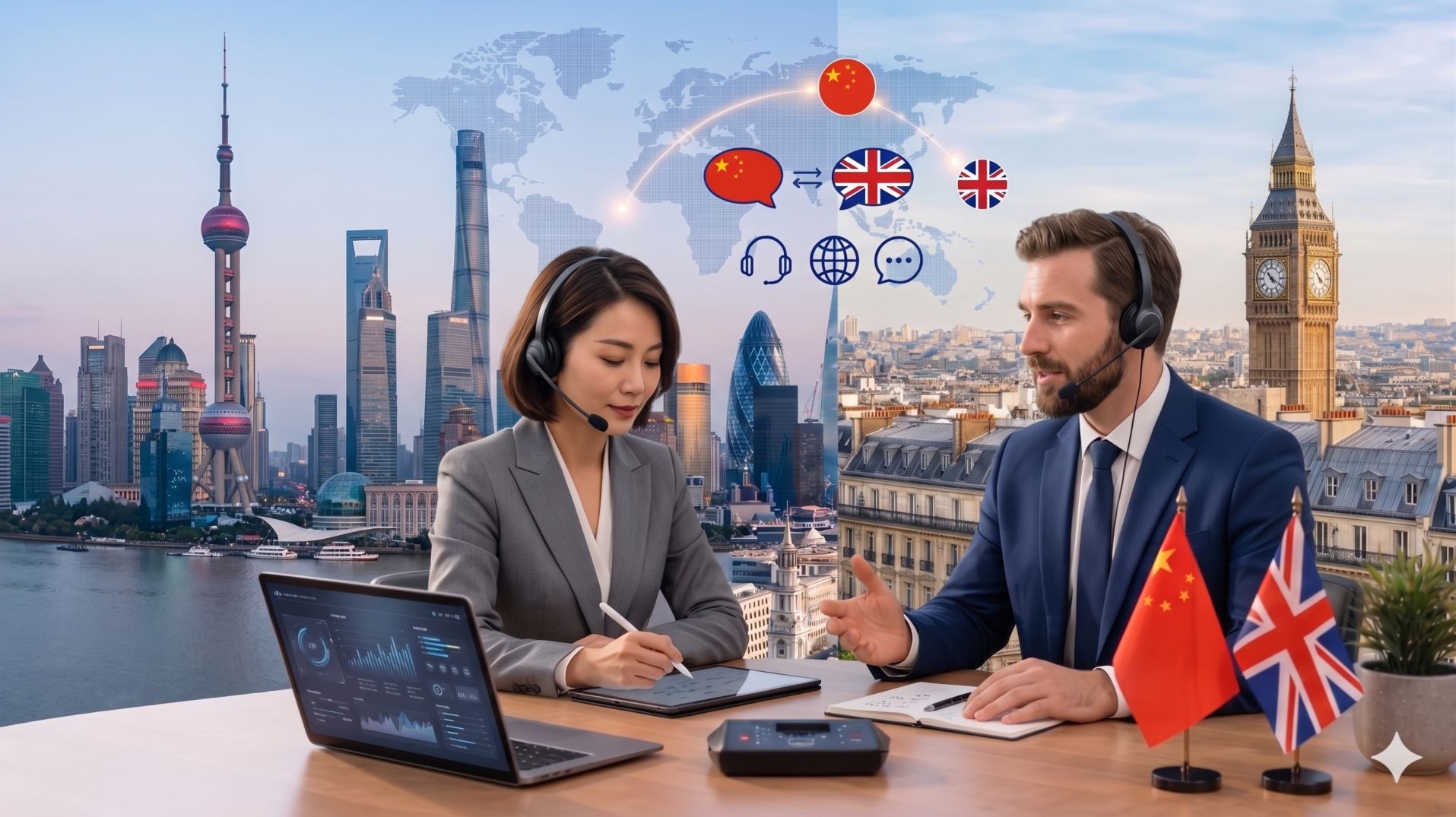

Securing a qualified Mandarin interpreter in Gwynedd is paramount for effective communication across diverse sectors, from legal proceedings and healthcare consultations to business negotiations and public services. In a region like Gwynedd, where linguistic diversity is increasingly important, the availability of professional, accredited interpreters ensures that all individuals, regardless of their primary language, can access essential services and participate fully in civic life. This is particularly critical when dealing with sensitive matters governed by UK law and standards. For residents and visitors requiring Mandarin interpretation, access to services is often facilitated through key NHS trusts such as Betsi Cadwaladr University Health Board and potentially other regional health services that may extend their reach or collaborate on specialist needs, ensuring that patient care is not compromised by language barriers. The National Health Service (NHS) operates under stringent guidelines for language access, as mandated by NHS England and overseen by the Care Quality Commission (CQC), to uphold patient safety and rights under UK GDPR.
Translation vs Interpretation
While often used interchangeably, translation and interpretation are distinct linguistic disciplines, each requiring specialised skills and adherence to professional standards. A Mandarin translator in Gwynedd works with written text, converting documents, websites, and other materials from Mandarin to English or vice versa. This process demands meticulous attention to detail, cultural nuance, and subject-specific terminology to ensure accuracy and fidelity to the original meaning. Professional translators often specialise in fields such as legal, medical, technical, or financial translation, adhering to standards set by bodies like the Chartered Institute of Linguists (CIOL). On the other hand, a Mandarin interpreter in Gwynedd facilitates spoken communication in real-time. This involves listening to a speaker in one language and conveying the message accurately and fluently in another. Interpretation requires not only linguistic proficiency but also strong cognitive skills, including memory, concentration, and the ability to remain neutral and objective. The professional standards for interpreters in the UK are rigorously maintained by organisations such as the National Register of Public Service Interpreters (NRPSI) and the Diploma in Public Service Interpreting (DPSI), ensuring that interpreters working in public services, including legal and healthcare settings, meet the highest benchmarks of competence and ethical conduct.
Legal Defence, Immigration, and Courtroom Interpretation
The UK legal system is built on principles of justice, fairness, and the right to a fair trial, all of which are fundamentally dependent on effective communication. For individuals who speak Mandarin, accessing legal advice and representation, and participating in legal proceedings, requires the services of highly skilled and accredited interpreters. His Majesty’s Courts and Tribunals Service (HMCTS) mandates the provision of qualified interpreters to ensure that all parties involved in a case can understand the proceedings and make their voices heard. This is crucial in criminal courts, civil litigation, family law matters, and various tribunals, including the First-tier Immigration Tribunal. A Mandarin interpreter working within the UK legal framework must adhere to strict codes of conduct, often requiring registration with bodies like the NRPSI or holding a recognised qualification such as the DPSI. These qualifications ensure a deep understanding of legal terminology, courtroom etiquette, and the ethical responsibilities inherent in providing impartial interpretation. The His Majesty’s Courts and Tribunals Service (HMCTS) works closely with language service providers and professional bodies to source qualified interpreters. Furthermore, in immigration cases, accurate interpretation is vital when dealing with the Home Office and UK Visas and Immigration (UKVI) officials, as well as during appeals heard at the First-tier Immigration Tribunal. The integrity of the legal process, from initial police interviews to final judgments delivered at the Royal Courts of Justice, hinges on the clarity and accuracy provided by professional interpreters. Law firms in Gwynedd and across the UK rely on these services to represent their Mandarin-speaking clients effectively, ensuring that no miscommunication leads to a miscarriage of justice. The Ministry of Justice oversees the broader legal system, reinforcing the importance of accessible justice for all.
Healthcare and NHS Patient Safety
Patient safety and effective healthcare delivery are cornerstones of the National Health Service (NHS) in the UK. Language barriers can pose significant risks to patient care, leading to misdiagnosis, incorrect treatment, and a breakdown in the patient-doctor relationship. Consequently, the NHS has established clear guidelines for providing language support to patients who do not speak English as their first language. For Mandarin-speaking patients in Gwynedd, accessing healthcare services requires the availability of qualified medical interpreters who understand both the linguistic nuances and the cultural context of healthcare. The Care Quality Commission (CQC), the independent regulator of health and social care in England, emphasises the importance of effective communication in ensuring high-quality care. NHS trusts, including those serving Gwynedd such as Betsi Cadwaladr University Health Board, are responsible for ensuring that appropriate interpretation services are available. This includes consultations with GPs, hospital appointments, emergency care, and mental health services. Professional Mandarin interpreters working in the NHS must not only be linguistically competent but also possess a thorough understanding of medical terminology and ethical considerations, such as confidentiality, as stipulated by UK GDPR. The NHS Business Services Authority also plays a role in supporting the operational aspects of the NHS, which includes facilitating access to essential services like interpretation. Adherence to NHS England’s Language Access guidelines ensures that all patients receive equitable care, regardless of their language proficiency, thereby upholding the fundamental right to health and well-being within the UK.
Technical Interpretation Modalities
The effectiveness of interpretation services hinges on selecting the appropriate modality to suit the specific context and requirements of the communication. Professional Mandarin interpreters in Gwynedd are proficient in various techniques, each designed for different scenarios. Simultaneous interpretation is commonly used in conferences, large meetings, and parliamentary settings where speakers talk continuously, and interpreters render the speech into another language with minimal delay, often using specialised equipment like booths and headsets. This requires exceptional concentration and rapid processing. Consecutive interpretation is employed in smaller meetings, one-on-one discussions, and legal or medical consultations where the speaker pauses after a segment of speech, allowing the interpreter to convey the message. This mode requires excellent note-taking skills and memory. Escort interpretation, also known as liaison interpretation, is typically used for business meetings, site visits, or social gatherings where the interpreter facilitates communication between parties who do not share a common language. The interpreter acts as a cultural bridge, ensuring smooth interaction. In recent years, remote interpretation has gained prominence, leveraging technology to connect interpreters with clients via phone or video conferencing. This modality offers flexibility and cost-effectiveness, particularly for situations where an on-site interpreter is not feasible or necessary. For remote services, ensuring secure connections and appropriate platforms is crucial, aligning with UK data protection standards. Professional bodies like the International Association of Conference Interpreters (AIIC), while international, set benchmarks that influence UK professional standards, alongside domestic bodies like the NRPSI, ensuring a global perspective on interpreter quality.
Economic and Social Fabric of Gwynedd
Gwynedd, a region of remarkable natural beauty and rich cultural heritage in North Wales, possesses a dynamic economic and social landscape. Understanding this local context is crucial for businesses and organisations seeking to engage effectively with its diverse population and leverage its unique opportunities. The presence of a Mandarin interpreter in Gwynedd plays a vital role in bridging communication gaps within this evolving environment, supporting economic growth, and fostering social cohesion.
Corporate and Industry
Gwynedd’s economy is a blend of traditional sectors and emerging industries. While agriculture and tourism remain significant, there is a growing presence of technology, manufacturing, and creative industries. For businesses operating in or looking to engage with Gwynedd, effective communication with international partners, suppliers, or a diverse workforce is essential. Mandarin-speaking business professionals or investors may find opportunities in sectors such as advanced manufacturing, renewable energy, or specialised food production. A Mandarin interpreter can facilitate crucial business negotiations, contract discussions, and market entry strategies, ensuring that UK business practices and legal frameworks are clearly understood. Professional interpreters adhering to standards set by bodies like the Chartered Institute of Linguists (CIOL) ensure that commercial agreements are robust and legally sound under UK law.
Tourism
Tourism is a cornerstone of Gwynedd’s economy, attracting visitors from across the UK and internationally to its stunning landscapes, historic castles, and vibrant cultural attractions. As global travel patterns evolve, attracting visitors from Mandarin-speaking markets presents a significant opportunity. Providing multilingual information and services, including Mandarin interpretation for guided tours, hotel services, and visitor centres, can enhance the visitor experience and boost local businesses. This aligns with the UK’s broader strategy to promote tourism and cultural exchange. Ensuring that visitor information is accessible and that tourist-facing staff can communicate effectively, potentially with the aid of interpreters, contributes to Gwynedd’s reputation as a welcoming destination.
Legal Infrastructure
The legal infrastructure within Gwynedd, as part of the wider UK system, requires accessible justice for all residents. This includes ensuring that individuals who speak Mandarin have access to legal advice and representation. Law firms in the region, when dealing with clients or cases involving Mandarin speakers, rely on accredited interpreters to navigate proceedings within His Majesty’s Courts and Tribunals Service (HMCTS), police stations, and other legal settings. The availability of qualified Mandarin interpreters is crucial for upholding the principles of justice and ensuring compliance with UK legal standards, as overseen by the Ministry of Justice. Professional bodies like the National Register of Public Service Interpreters (NRPSI) play a key role in certifying the competence of interpreters working in these sensitive areas.
NHS Healthcare
The National Health Service (NHS) in Gwynedd, primarily served by Betsi Cadwaladr University Health Board, is committed to providing equitable healthcare to all its patients. For the Mandarin-speaking population, this necessitates access to professional interpretation services. Whether for routine appointments, emergency care, or specialist consultations, accurate communication is vital for patient safety and effective treatment, in line with CQC standards and UK GDPR. The availability of Mandarin interpreters ensures that patients can fully understand their conditions, treatment options, and consent to procedures, thereby upholding their rights and ensuring the highest quality of care within the UK healthcare system.
Local Infrastructure and Transport
Gwynedd’s infrastructure, including its transport networks, plays a role in facilitating access to essential services and economic opportunities. While the region is known for its natural landscapes, its road and rail networks connect communities and provide access to key services, including healthcare facilities and legal centres. For businesses and individuals requiring Mandarin interpretation, understanding how to access these services, whether through remote interpretation platforms or by arranging for on-site interpreters to travel to specific locations, is important. The efficiency of local transport can impact the logistics of providing interpretation services, particularly for consecutive or escort interpretation assignments. Ensuring that interpreters are familiar with local geography and transport options can enhance the timeliness and reliability of their services across Gwynedd and its surrounding areas, supporting the seamless operation of businesses and public services.
Conclusion
In conclusion, the need for a professional Mandarin interpreter in Gwynedd is multifaceted, extending across critical sectors such as legal, healthcare, and business. Ensuring access to qualified and accredited interpreters is not merely a matter of convenience but a fundamental requirement for upholding justice, patient safety, and economic opportunity within the UK’s regulatory and institutional framework. By engaging certified professionals who adhere to the stringent standards set by UK bodies like the NRPSI and CIOL, organisations can guarantee clear, accurate, and confidential communication. Whether you require a Mandarin interpreter in Gwynedd for court proceedings, NHS consultations, Home Office interviews, or corporate engagements, investing in professional language services is an investment in effective communication and successful outcomes. Contact a reputable language service provider today to secure the expert interpretation services your organisation requires.