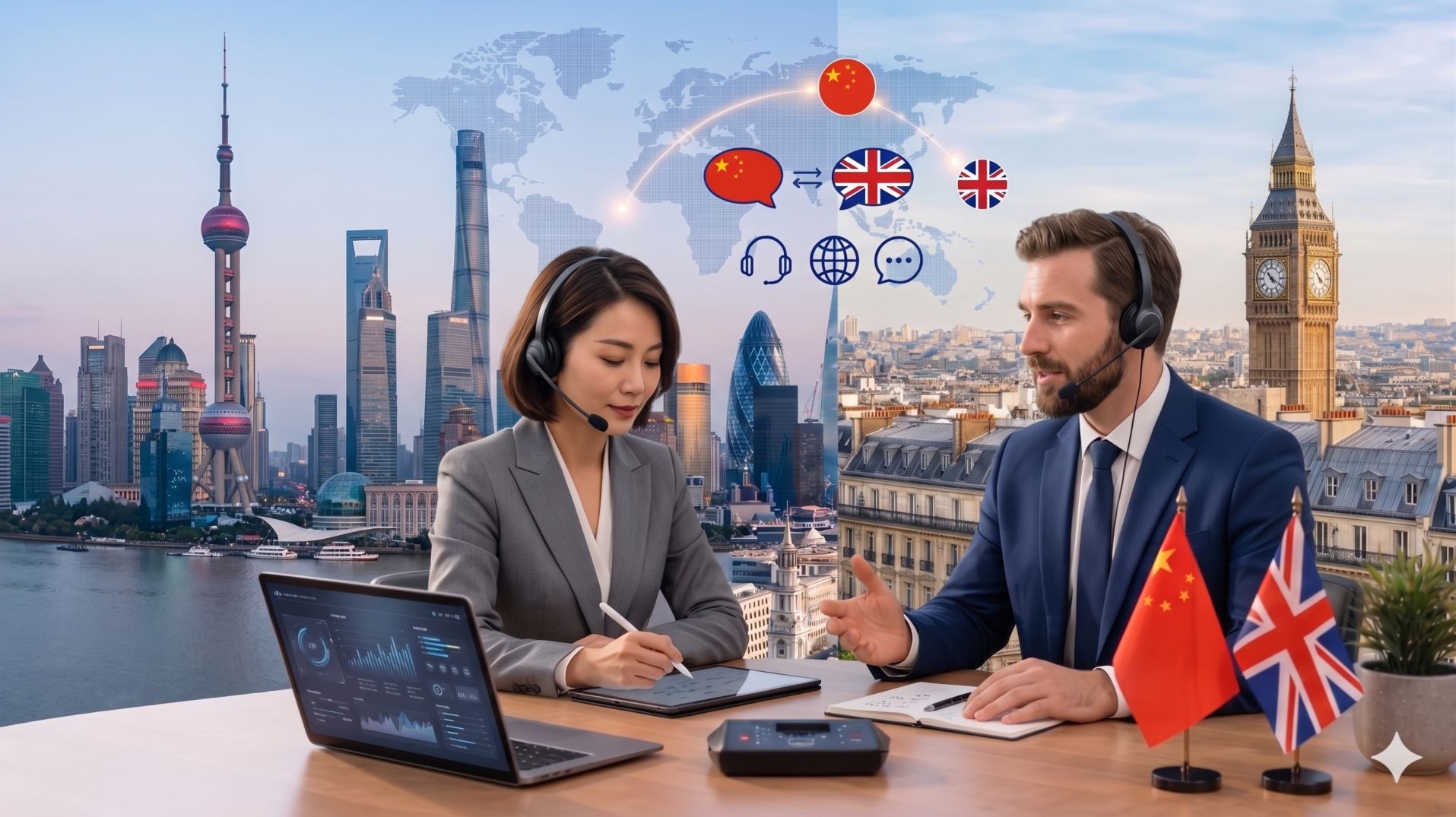
Securing a qualified Mandarin interpreter in Ipswich is paramount for effective communication across diverse sectors, from legal proceedings and healthcare appointments to business negotiations and public services. In a globalised economy, the demand for precise and culturally nuanced language services is at an all-time high, particularly within the UK’s professional landscape. Ipswich, a vibrant East Anglian hub, benefits from a growing international presence, necessitating reliable access to skilled interpreters who understand both the linguistic intricacies of Mandarin and the specific regulatory and cultural contexts of the United Kingdom. Whether you are engaging with the Suffolk and North East Essex Integrated Care Board or require services from The Ipswich Hospital (part of the East Suffolk and North Essex NHS Foundation Trust), ensuring clear communication is a cornerstone of service delivery and patient safety. This guide explores the critical role of Mandarin interpretation in Ipswich, focusing on its application within the UK’s legal, healthcare, and commercial frameworks, and highlighting the standards expected by UK professional bodies.
Translation vs Interpretation: Understanding the Nuances
While often used interchangeably, translation and interpretation are distinct linguistic disciplines, each requiring a unique skill set. Interpretation involves the real-time, spoken rendering of a message from one language to another. This can occur simultaneously (interpreting as the speaker talks), consecutively (interpreting after the speaker pauses), or via whispered interpretation. A proficient Mandarin translator in Ipswich, conversely, focuses on the written word, converting documents, contracts, websites, and other textual materials from Mandarin to English or vice versa. The accuracy and cultural appropriateness demanded in both fields are exceptionally high, but the pressure and immediacy of interpretation, especially in high-stakes environments like courtrooms or medical consultations, require a specific kind of expertise. For legal and medical contexts, the interpreter must not only possess fluency but also a deep understanding of the terminology specific to that field, as well as the legal and ethical obligations governing their practice within the UK. This includes adherence to codes of conduct set by bodies like the National Register of Public Service Interpreters (NRPSI), ensuring impartiality, confidentiality, and accuracy.
Legal Defence, Immigration, and Courtroom Interpretation
The UK’s justice system relies heavily on the principle of fairness and equal access to justice for all, regardless of their linguistic background. For individuals who speak Mandarin and are involved in legal matters, securing a qualified interpreter is not merely a convenience but a fundamental right. This is particularly relevant in cases heard before His Majesty’s Courts and Tribunals Service (HMCTS), which oversees all courts and tribunals across England and Wales. Whether dealing with criminal proceedings, civil disputes, family law matters, or immigration appeals at the First-tier Immigration Tribunal, the presence of a certified Mandarin interpreter is essential for ensuring that all parties understand the proceedings, can present their case effectively, and receive a fair trial. The Home Office and its UK Visas and Immigration (UKVI) departments also require accurate interpretation for interviews, asylum claims, and visa applications. Professional interpreters working in these fields must be registered with a recognised body such as the NRPSI or hold qualifications like the Diploma in Public Service Interpreting (DPSI), demonstrating their competence and adherence to strict ethical standards. This ensures that confidential information is handled appropriately and that the interpreter remains neutral, facilitating accurate communication between legal professionals, defendants, witnesses, and the judiciary. The integrity of the legal process hinges on this linguistic bridge, making the role of a Mandarin interpreter in Ipswich indispensable for the local legal community and its clients.
Healthcare and NHS Patient Safety
Effective communication is a critical component of safe and high-quality healthcare. Within the UK’s National Health Service (NHS), particularly in Ipswich, ensuring that patients who speak Mandarin can fully understand their medical conditions, treatment options, and care plans is a priority. The Care Quality Commission (CQC), the independent regulator of health and social care services in England, emphasises the importance of effective communication in patient safety and experience. NHS trusts serving Ipswich, such as the East Suffolk and North Essex NHS Foundation Trust (which operates The Ipswich Hospital) and services commissioned by the Suffolk and North East Essex Integrated Care Board, are committed to providing language support to patients with limited English proficiency. This includes providing access to qualified Mandarin interpreters for consultations, diagnostic procedures, hospital admissions, and discharge planning. NHS England’s Language Access Guidance outlines the requirements for healthcare providers to offer appropriate interpretation and translation services. Interpreters working within the NHS must not only be linguistically competent but also understand the sensitive nature of medical information and adhere to strict confidentiality protocols, in line with UK GDPR regulations. A failure to provide adequate interpretation can lead to misdiagnosis, incorrect treatment, patient dissatisfaction, and potentially serious harm. Therefore, a professional Mandarin interpreter in Ipswich plays a vital role in safeguarding patient well-being and ensuring equitable access to healthcare services for the Mandarin-speaking community.
Technical Interpretation Modalities
The effectiveness of interpretation hinges on selecting the appropriate modality for the specific situation. Mandarin interpreters in Ipswich employ various techniques to facilitate communication, each suited to different contexts:
- Simultaneous Interpretation: This is the most demanding form, where the interpreter speaks the target language almost concurrently with the source language speaker, often using specialised equipment like booths and headsets. It is ideal for large conferences, international meetings, and live broadcasts where time is critical and seamless flow is desired.
- Consecutive Interpretation: Here, the interpreter waits for the speaker to finish a segment of speech before rendering it in the target language. This requires excellent memory and note-taking skills and is commonly used in smaller meetings, one-on-one discussions, and legal depositions.
- Whispered Interpretation (Chuchotage): A form of simultaneous interpretation where the interpreter whispers the translation directly to one or two listeners. This is useful in situations where only a few individuals require interpretation and a full simultaneous setup is impractical.
- Escort Interpretation: This involves accompanying clients to meetings, site visits, or social functions, providing interpretation as needed throughout the event. It requires cultural awareness and the ability to facilitate smooth interactions in informal settings.
- Remote Interpretation (VRI/OPI): With advancements in technology, remote interpretation via video (VRI) or telephone (OPI) has become increasingly common. This allows access to interpreters regardless of geographical location, offering flexibility and cost-effectiveness, particularly for routine appointments or situations where an on-site interpreter is not readily available.
Choosing the correct modality ensures that the communication is efficient, accurate, and appropriate for the setting, whether it’s a formal legal hearing, a medical consultation, or a business negotiation. Professional interpreters, often certified by bodies like the Chartered Institute of Linguists (CIOL) or adhering to International Association of Conference Interpreters (AIIC) standards, are adept at advising clients on the best approach.
Economic and Social Fabric of Ipswich
Ipswich, as a significant economic centre in Suffolk, possesses a diverse and evolving landscape that benefits from and contributes to international connections. The presence of Mandarin-speaking individuals and businesses, whether as residents, investors, or partners, underscores the need for specialised language services.
Corporate and Industry
Ipswich’s economy is supported by a range of industries, including professional services, manufacturing, and logistics. Businesses operating in or trading with China, or those with Mandarin-speaking employees or clients, require accurate translation and interpretation services to navigate contracts, marketing materials, technical documentation, and internal communications. Professional Mandarin interpreters in Ipswich can facilitate smoother business operations, foster stronger relationships with international partners, and ensure compliance with UK business regulations. The Ipswich Chamber of Commerce often highlights the importance of international trade for local prosperity, making linguistic support a key enabler.
Tourism
While not a primary international tourist destination, Ipswich and the wider Suffolk region attract visitors from across the globe. Mandarin-speaking tourists may require assistance with accommodation, transport, and understanding local attractions and services. Providing multilingual information and interpretation can enhance the visitor experience, boost local tourism revenue, and promote Ipswich as a welcoming destination. This aligns with the broader UK strategy to attract international visitors and investment.
Legal Infrastructure
Ipswich hosts a number of legal practices that serve both local and national clients. As mentioned, cases involving individuals who speak Mandarin often require the services of accredited interpreters. Law firms specialising in immigration, family law, or commercial litigation frequently engage Mandarin interpreters to represent their clients effectively before HMCTS, the Home Office, and in private client consultations. The availability of qualified interpreters registered with bodies like the NRPSI is crucial for the smooth functioning of the local legal sector and for upholding access to justice.
NHS Healthcare
The healthcare system in Ipswich, primarily delivered through the East Suffolk and North Essex NHS Foundation Trust and overseen by the Suffolk and North East Essex Integrated Care Board, serves a diverse population. Ensuring that Mandarin-speaking patients receive clear, accurate medical information and can communicate effectively with healthcare professionals is vital for patient safety and outcomes. This necessitates a readily available pool of professional Mandarin interpreters who understand medical terminology and adhere to NHS guidelines on language access and patient confidentiality, as mandated by UK GDPR.
Local Infrastructure and Transport
Ipswich benefits from a well-developed infrastructure that supports its economic and social functions. Its strategic location in East Anglia, with good road and rail links, facilitates connectivity within the UK and to international gateways. The Ipswich Borough Council plays a role in managing local services and infrastructure development. For businesses and individuals requiring Mandarin interpretation services, the city’s transport links ensure that interpreters can reach various locations efficiently, whether it’s the NHS facilities, HMCTS buildings, or corporate offices. Reliable public transport and road networks are essential for the timely delivery of interpretation services, reinforcing Ipswich’s role as a key service hub in the region.
Conclusion
For any organisation or individual in Ipswich requiring precise and professional language services, engaging a qualified Mandarin interpreter in Ipswich is essential. From navigating the complexities of the UK legal system under HMCTS and ensuring patient safety within the NHS, to facilitating international business and supporting community integration, the role of expert interpreters is indispensable. Adherence to UK professional standards, such as those set by the NRPSI, guarantees impartiality, accuracy, and confidentiality. If you require a Mandarin interpreter in Ipswich for legal, medical, business, or public service needs, partnering with accredited professionals ensures that communication barriers are overcome, fostering trust and achieving successful outcomes within the UK’s regulatory and cultural framework.