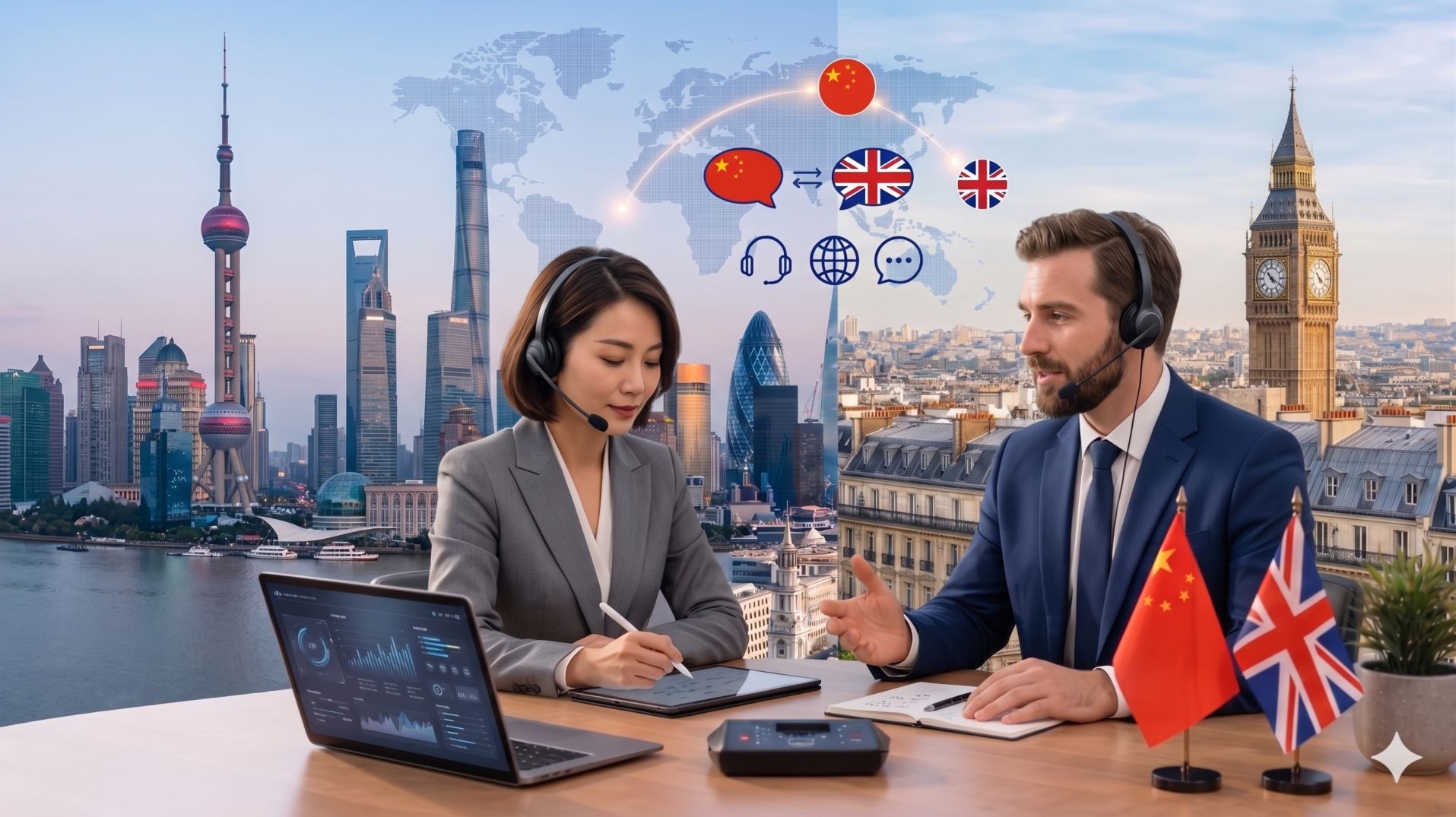

Securing a qualified Mandarin interpreter in Isle of Anglesey is paramount for effective communication across diverse sectors, from legal proceedings and healthcare to business and public services. The demand for precise and culturally nuanced linguistic support is growing, reflecting the UK’s increasingly globalised economy and diverse population. For organisations operating within or engaging with the Isle of Anglesey, ensuring access to accredited Mandarin interpreters is not merely a matter of convenience but a critical requirement for compliance, patient safety, and successful outcomes. This service is vital for bridging language barriers, particularly when dealing with sensitive matters governed by UK law and professional standards. The NHS in this region, specifically serving the residents of Anglesey, relies on robust interpretation services to uphold patient rights and ensure equitable access to care. Key NHS trusts that cater to the area include Betsi Cadwaladr University Health Board, which encompasses services across North Wales, and its integrated care system, ensuring that all patients, regardless of their primary language, receive clear and understandable medical information and advice. Effective interpretation is a cornerstone of equitable service delivery.
Translation vs Interpretation
Understanding the distinction between translation and interpretation is fundamental when seeking linguistic services. While both involve the transfer of meaning from one language to another, they are distinct disciplines requiring different skill sets and methodologies. Interpretation focuses on the spoken word, conveying messages in real-time or near real-time. This is crucial for live interactions such as court hearings, medical appointments, business meetings, and conferences. A Mandarin interpreter in Isle of Anglesey must possess not only fluency in Mandarin and English but also a deep understanding of cultural nuances, idiomatic expressions, and the specific terminology relevant to the context. They must be adept at interpreting tone, emotion, and intent, ensuring that the original message is conveyed accurately and ethically. Professional interpreters adhere to strict codes of conduct, often regulated by bodies like the National Register of Public Service Interpreters (NRPSI), which ensures impartiality, confidentiality, and accuracy. This is particularly vital when engaging a Mandarin translator in Isle of Anglesey for written documents, where precision in legal contracts, medical reports, or technical manuals is non-negotiable. While interpreters work with the spoken word, translators work with written text, requiring different tools and expertise, such as advanced knowledge of CAT (Computer-Assisted Translation) tools and a keen eye for written grammar and style.
Legal Defence, Immigration, and Courtroom Interpretation
The UK legal system operates on principles of justice and fairness, which are fundamentally undermined if language barriers prevent individuals from understanding proceedings or effectively presenting their case. For Mandarin speakers involved in legal matters in or around Isle of Anglesey, access to qualified interpreters is a statutory right. His Majesty’s Courts and Tribunals Service (HMCTS) mandates the provision of interpreters in criminal and civil courts to ensure that all parties, including defendants, witnesses, and victims, can fully participate. This applies to all levels of the judiciary, from magistrates’ courts to the Crown Court and higher tribunals. Professional interpreters working within the legal sphere must be accredited by recognised bodies such as the NRPSI or hold qualifications like the Diploma in Public Service Interpreting (DPSI), demonstrating their competence in legal terminology and procedures. They must maintain strict impartiality and confidentiality, as stipulated by professional standards. For immigration matters, the UK Visas and Immigration (UKVI), part of the Home Office, requires accurate interpretation during interviews and for the submission of documentation. The First-tier Tribunal (Immigration and Asylum Chamber) also relies heavily on interpreters to ensure fair hearings. Engaging a Mandarin interpreter in Isle of Anglesey for these contexts means selecting a professional who understands the intricacies of UK immigration law, asylum procedures, and the specific challenges faced by individuals navigating these complex systems. The integrity of the justice system, from initial police interviews to final court judgments, hinges on the accuracy and professionalism of these linguistic services.
Healthcare and NHS Patient Safety
Patient safety and equitable access to healthcare are cornerstones of the National Health Service (NHS) in the UK. For Mandarin-speaking patients in Isle of Anglesey, effective communication with healthcare professionals is essential for accurate diagnosis, informed consent, and adherence to treatment plans. The Care Quality Commission (CQC), the independent regulator of health and social care in England, emphasises the importance of effective communication in ensuring high-quality care. NHS England’s Language Access guidelines mandate that NHS providers must ensure that patients who do not speak English as a first language have access to appropriate interpretation and translation services. This includes providing qualified interpreters for consultations, hospital admissions, and when discussing complex medical information. The Betsi Cadwaladr University Health Board, serving Isle of Anglesey, is committed to meeting these requirements. A Mandarin interpreter engaged by an NHS trust must not only be linguistically proficient but also understand medical terminology, ethical considerations, and the sensitive nature of healthcare interactions. They must adhere to the principles of confidentiality, as reinforced by UK GDPR regulations, ensuring that patient information is protected. Misinterpretation in a healthcare setting can have severe consequences, leading to medical errors, delayed treatment, or a breakdown in the patient-doctor relationship. Therefore, utilising accredited interpreters, often registered with bodies like the NRPSI or holding specific medical interpreting qualifications, is crucial for maintaining the highest standards of patient care and safety within the NHS.
Technical Interpretation Modalities
The effectiveness of interpretation services often depends on selecting the appropriate modality to suit the specific situation. For a Mandarin interpreter in Isle of Anglesey, proficiency in various modes is essential to cater to diverse professional needs:
- Simultaneous Interpretation: This is the most demanding form, where the interpreter speaks the target language almost concurrently with the source language speaker, typically with a slight delay of a few seconds. It requires intense concentration and is commonly used in conferences, large meetings, and live broadcasts where time is critical. Specialist equipment, such as soundproof booths and headsets, is often necessary.
- Consecutive Interpretation: Here, the interpreter listens to a segment of speech, then renders it into the target language after the speaker has finished their segment. This is suitable for smaller meetings, legal depositions, and medical consultations where direct interaction and turn-taking are important. It allows for more natural pauses and the opportunity for clarification.
- Escort Interpretation (Liaison Interpretation): This mode is used for facilitating communication between two or more parties who speak different languages in informal settings, such as business negotiations, site visits, or social events. The interpreter acts as a bridge, often moving with the client and providing a more personal level of support.
- Remote Interpretation (Video/Telephone): With advancements in technology, remote interpretation has become increasingly prevalent. This involves using telephone or video conferencing platforms to connect interpreters with clients. It offers flexibility, cost-effectiveness, and rapid access to interpreters, particularly useful for situations where an on-site interpreter is not readily available or practical. This modality requires robust IT infrastructure and adherence to data protection protocols, especially when dealing with confidential information under UK GDPR.
Each modality requires a specific skill set and preparation, and choosing the right one ensures that communication is as clear, accurate, and efficient as possible.
Economic and Social Fabric of Isle of Anglesey
The economic and social landscape of the Isle of Anglesey, while historically rooted in agriculture and maritime industries, is evolving. Understanding this context is vital for service providers, including those offering Mandarin interpretation. The island’s unique position, its blend of traditional industries with emerging opportunities, and its community dynamics all influence the need for and application of professional linguistic services.
Corporate and Industry
While Isle of Anglesey may not be a major industrial hub, it hosts various businesses, including those in renewable energy (particularly offshore wind), tourism-related enterprises, and local manufacturing. As the UK economy increasingly engages with global markets, businesses on the island may find themselves interacting with Chinese investors, suppliers, or clients. Accurate Mandarin interpretation and translation are essential for negotiating contracts, managing supply chains, and fostering international business relationships. Professional bodies like the Chartered Institute of Linguists (CIOL) set standards for professional linguists, ensuring that businesses can find qualified individuals to support their international ventures. The ability to communicate effectively in Mandarin can open doors to new markets and enhance the competitiveness of local enterprises on a global scale.
Tourism
Isle of Anglesey is a popular tourist destination, attracting visitors from across the UK and internationally. While Mandarin-speaking tourists may not form the largest demographic, their presence is growing, particularly with the rise of outbound tourism from China. Businesses in the hospitality sector – hotels, restaurants, attractions, and visitor centres – can significantly enhance the visitor experience by offering multilingual support. This could involve providing information in Mandarin or having staff who can communicate with Mandarin-speaking guests. While direct interpretation services might be less common for casual tourist interactions, having access to translation for marketing materials, signage, and essential information is beneficial. For tour operators or event organisers planning visits for Chinese groups, professional interpretation services become indispensable for guiding tours, facilitating activities, and ensuring guest satisfaction and safety.
Legal Infrastructure
The legal infrastructure serving Isle of Anglesey, like the rest of Wales, is part of the UK’s broader legal framework. This includes local solicitors’ firms, the Crown Prosecution Service (CPS), and access to His Majesty’s Courts and Tribunals Service (HMCTS) facilities. Mandarin speakers requiring legal assistance, whether for criminal defence, civil disputes, family law, or property matters, must have access to qualified interpreters. Law firms in and around Anglesey that serve a diverse clientele may encounter Mandarin-speaking individuals who require representation or advice. Ensuring these individuals can fully understand legal advice, court proceedings, and the implications of legal documents is a matter of fundamental justice. Professional interpreters accredited by the NRPSI or holding a DPSI qualification are vital in these scenarios, guaranteeing that legal rights are upheld and that the justice system remains accessible to all.
NHS Healthcare
The NHS healthcare provision for Isle of Anglesey is managed by the Betsi Cadwaladr University Health Board. This board serves a population with diverse linguistic needs. Mandarin speakers, whether residents, workers, or visitors, must be able to access healthcare services without language being a barrier. This involves communication with GPs, hospital staff, and other healthcare providers. The health board is obligated under NHS England’s Language Access policies and CQC regulations to provide interpretation services. This ensures that patients can give informed consent, understand treatment options, and communicate any concerns they may have. The role of a Mandarin interpreter in an NHS setting is critical for patient safety, preventing misdiagnosis and ensuring effective treatment. UK GDPR compliance further underscores the need for secure and confidential handling of patient information, which extends to the interpretation process.
Local Infrastructure and Transport
The infrastructure of Isle of Anglesey, including its transport networks, plays a role in the accessibility of services, including interpretation. The island is connected to the mainland via the Britannia Bridge and the Menai Suspension Bridge, with the A55 North Wales Expressway providing a key arterial route. Public transport includes bus services and a railway line connecting Holyhead to London and other major cities. For businesses and individuals requiring Mandarin interpretation services, the transport links are crucial for enabling interpreters to reach specific locations efficiently, whether it’s a remote village, a business premises, or a court facility. Reliable transport ensures that interpreters can arrive on time for scheduled appointments, minimising disruption. Furthermore, the increasing adoption of remote interpretation technologies means that geographical location is less of a barrier, but understanding the local context, including travel times and potential disruptions, remains important for planning on-site services. The availability of reliable internet connectivity across the island is also becoming a factor for remote interpretation services.
Conclusion
In conclusion, the need for professional Mandarin interpreter in Isle of Anglesey services is multifaceted, spanning legal, healthcare, business, and public service sectors. Ensuring access to accredited, skilled interpreters is not just about overcoming a language barrier; it is about upholding legal rights, ensuring patient safety, facilitating economic opportunities, and fostering social inclusion within the UK framework. Organisations operating on or engaging with the Isle of Anglesey must prioritise the engagement of qualified Mandarin interpreters who adhere to the stringent professional standards set by UK bodies like the NRPSI and CIOL. Whether for the courtroom, the hospital ward, or the boardroom, the accuracy, impartiality, and cultural competence of an interpreter are indispensable. For any organisation seeking to ensure seamless and compliant communication, securing a Mandarin interpreter in Isle of Anglesey is a critical investment in effective operations and equitable service delivery.