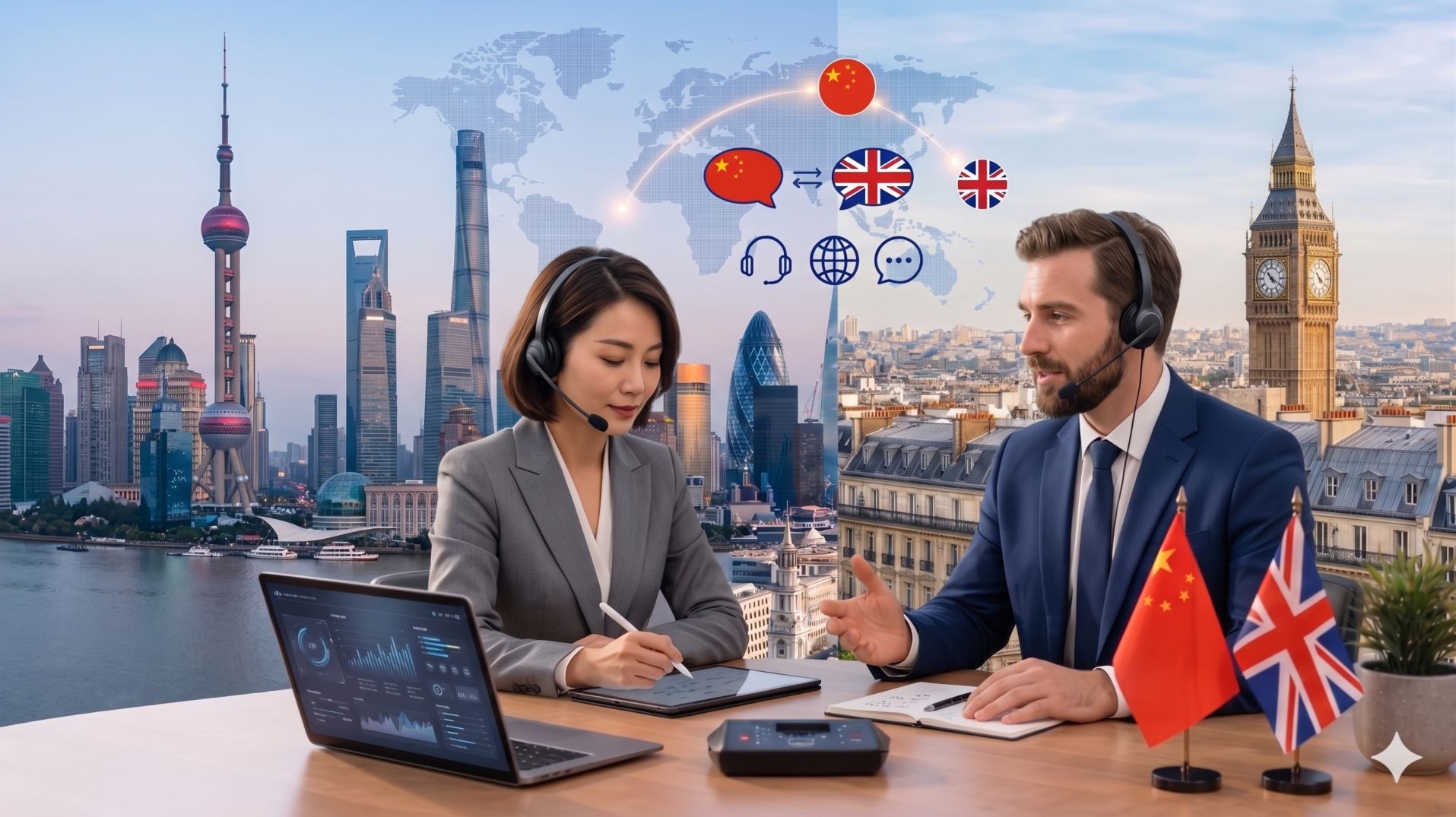
Securing a qualified Mandarin interpreter in Scottish Borders is paramount for effective communication across diverse sectors, from legal proceedings and healthcare to business and public services. In a region with a rich heritage and a forward-looking economy, the need for precise linguistic support is growing. This guide outlines the critical role of professional Mandarin interpretation and translation services, specifically tailored to the unique requirements of the Scottish Borders and the wider UK regulatory landscape. Our services ensure that communication barriers are dismantled, upholding the standards expected by UK institutions such as His Majesty’s Courts and Tribunals Service (HMCTS), and ensuring patient safety within the NHS, specifically serving trusts like NHS Lothian and NHS Borders, adhering strictly to UK GDPR and CQC guidelines.
Translation vs Interpretation: Understanding the Nuances
While often used interchangeably, translation and interpretation are distinct disciplines requiring different skill sets and methodologies. Understanding this difference is crucial when engaging linguistic services. Interpretation involves the real-time, oral conversion of spoken language from one language to another. This is vital in live settings such as court hearings, medical appointments, business meetings, and conferences. A professional Mandarin interpreter must possess not only linguistic fluency but also cultural understanding, subject matter expertise, and the ability to convey nuance and tone accurately. The primary keyword, Mandarin interpreter in Scottish Borders, highlights the need for this immediate, spoken communication support.
Conversely, translation deals with the written word. A Mandarin translator converts written documents, such as legal contracts, medical records, technical manuals, or marketing materials, from one language to another. This process allows for more in-depth review, research, and editing to ensure accuracy and fidelity to the original text. The demand for a skilled Mandarin translator in Scottish Borders is equally significant, particularly for businesses operating internationally or engaging with multilingual documentation. Both services are underpinned by professional standards, with interpreters often registered with bodies like the National Register of Public Service Interpreters (NRPSI) or holding qualifications such as the Diploma in Public Service Interpreting (DPSI), and translators often affiliated with the Chartered Institute of Linguists (CIOL).
Legal Defence, Immigration, and Courtroom Interpretation
The UK legal system places a high premium on access to justice, which inherently requires effective communication for all parties, regardless of their language proficiency. For individuals who speak Mandarin, accessing legal advice, navigating court proceedings, and interacting with law enforcement agencies can be challenging without professional linguistic support. A qualified Mandarin interpreter in Scottish Borders is indispensable in these contexts. They ensure that defendants, witnesses, and victims can fully understand proceedings and express themselves clearly, upholding the principles of natural justice as administered by His Majesty’s Courts and Tribunals Service (HMCTS).
Immigration law is another area where specialised interpretation is critical. The UK Visas and Immigration (UKVI) service, part of the Home Office, requires clear communication during interviews, appeals, and asylum claims. Mandarin interpreters facilitate these vital interactions, ensuring that individuals can present their cases accurately and that immigration officers can gather all necessary information. The First-tier Tribunal (Immigration and Asylum Chamber) also relies heavily on the services of accredited interpreters to ensure fair hearings. Professional interpreters working in this field must adhere to strict codes of conduct, often verified by bodies like the NRPSI, ensuring impartiality, confidentiality, and accuracy. This is crucial for the integrity of the UK’s immigration and justice systems.
Furthermore, solicitors and barristers in the Scottish Borders and across the UK frequently require Mandarin interpreters for client consultations, case preparation, and courtroom advocacy. The accuracy provided by a professional interpreter ensures that legal strategies are sound and that clients receive comprehensive legal advice. Without this, miscarriages of justice are a significant risk. The Judiciary of England and Wales and its Scottish counterpart, the Scottish Courts and Tribunals Service, both mandate the provision of interpreters where needed to ensure fair trials. The role of the interpreter extends beyond mere word-for-word conversion; it involves understanding legal terminology, cultural context, and the emotional weight of testimony, all while maintaining strict confidentiality and professional ethics.
Healthcare and NHS Patient Safety
Patient safety within the National Health Service (NHS) is a cornerstone of UK healthcare policy, and effective communication is fundamental to achieving this. For Mandarin-speaking patients in the Scottish Borders, accessing healthcare services without a qualified interpreter can lead to misunderstandings, delayed diagnoses, incorrect treatments, and significant patient distress. The NHS has established guidelines, often aligned with Care Quality Commission (CQC) standards and NHS England Language Access guidelines, that mandate the provision of language support. A professional Mandarin interpreter in Scottish Borders plays a vital role in ensuring that patients can communicate their symptoms, understand medical advice, and give informed consent.
This is particularly critical in emergency situations, during consultations with GPs, specialists, and in hospital settings. Interpreters working within the NHS must possess not only linguistic skills but also a thorough understanding of medical terminology and the sensitive nature of healthcare interactions. They are bound by strict confidentiality agreements, in line with UK GDPR regulations, ensuring that patient information remains private. The NHS Borders Trust, like all NHS bodies, is committed to providing equitable care, and professional interpretation services are key to this commitment. Similarly, NHS Lothian, which may also serve parts of the region or provide specialist services, operates under the same principles.
The consequences of inadequate interpretation in healthcare can be severe, ranging from medication errors due to misunderstood instructions to critical delays in treatment for serious conditions. Professional Mandarin interpreters ensure that the nuances of a patient’s condition are accurately conveyed to medical professionals and that the medical advice is clearly understood by the patient. This builds trust between patient and provider, leading to better health outcomes and a more positive patient experience. The CQC’s focus on effective communication underscores the importance of these services in maintaining high standards of care across all UK healthcare providers.
Technical Interpretation Modalities
The effectiveness of interpretation often depends on selecting the appropriate modality for the specific situation. Professional Mandarin interpreters in the Scottish Borders are proficient in various techniques, each suited to different communication environments:
- Consecutive Interpretation: This is the most common mode, where the interpreter listens to a segment of speech, waits for the speaker to pause, and then renders the message in the target language. It is ideal for one-on-one meetings, doctor’s appointments, and small group discussions where direct interaction is key.
- Simultaneous Interpretation: Here, the interpreter speaks concurrently with the source speaker, often with only a few seconds’ delay. This requires highly specialised skills and equipment (like booths and headsets) and is typically used in large conferences, international summits, and high-stakes legal proceedings where time is of the essence.
- Escort Interpretation: This involves accompanying a client or group to various appointments, tours, or business meetings, providing interpretation as needed throughout the day. It is common for business delegations, international visitors, or individuals attending multiple meetings.
- Remote Interpretation (Telephone/Video): With advancements in technology, remote interpretation has become increasingly viable. Using telephone or video conferencing platforms, interpreters can connect with clients anywhere, providing a flexible and often cost-effective solution for situations where an on-site interpreter is not feasible or necessary. This modality is governed by the same professional standards and confidentiality requirements as in-person interpretation, ensuring compliance with UK data protection laws.
Choosing the correct modality ensures that the interpretation is seamless, accurate, and fits the context of the communication, whether it’s a formal legal deposition or a casual business negotiation. Professional bodies like the International Association of Conference Interpreters (AIIC), while international, uphold standards that are reflected in UK practice.
Economic and Social Fabric of Scottish Borders
The Scottish Borders is a region of significant economic activity, blending traditional industries with emerging sectors. Understanding this local context is vital for providing relevant and effective Mandarin interpretation and translation services.
Corporate and Industry
While not a major industrial hub in the traditional sense, the Scottish Borders has a diverse economic base. Key sectors include advanced manufacturing, food and drink, tourism, and a growing digital and creative industries presence. Businesses operating in these areas, particularly those with international supply chains or export markets, may require Mandarin language services for supplier negotiations, customer support, or market expansion into China. Professional Mandarin translators and interpreters facilitate these cross-border commercial relationships, ensuring that contracts are precise and business communications are culturally appropriate and effective.
Tourism
The Scottish Borders is renowned for its stunning landscapes, historic abbeys, and cultural heritage, attracting visitors from around the globe. As Chinese tourism to the UK continues to grow, providing Mandarin language support for the tourism sector becomes increasingly important. This can range from translated visitor information and signage to Mandarin-speaking guides and interpreters for tour groups. Enhancing the visitor experience for Mandarin speakers can significantly boost the local tourism economy, making it a key area for linguistic service providers.
Legal Infrastructure
The region’s legal infrastructure, while perhaps smaller in scale than major cities, still requires robust interpretation services. Local solicitors’ firms, Sheriff Courts, and other legal bodies within the Scottish Borders jurisdiction will encounter cases involving individuals who require Mandarin interpretation. Ensuring access to qualified interpreters registered with bodies such as the NRPSI is crucial for upholding the principles of justice and ensuring that all parties have a fair hearing within the UK legal framework, overseen by His Majesty’s Courts and Tribunals Service (HMCTS).
NHS Healthcare
As detailed previously, the provision of healthcare services by NHS Borders and potentially neighbouring trusts like NHS Lothian necessitates professional Mandarin interpretation. Ensuring that Mandarin-speaking residents and visitors can access timely and effective medical care is a public health imperative. This involves supporting GP practices, community health services, and hospital departments in communicating with patients, thereby adhering to the high standards of patient care mandated by the NHS and regulated by the Care Quality Commission (CQC).
Local Infrastructure and Transport
The Scottish Borders benefits from a developing infrastructure that supports its economic and social needs. While not as densely populated as urban centres, connectivity is improving, facilitating the movement of goods and people. Professional Mandarin interpreters and translators can support various aspects of this infrastructure development and operation. For instance, in logistics and transport, clear communication with international partners or suppliers is essential. In public administration, ensuring that all residents, including those who speak Mandarin, can access public services and understand local regulations is vital for social cohesion. The availability of qualified interpreters ensures that essential services, from local council information to transport updates, are accessible to the entire community, reflecting the UK’s commitment to inclusivity and equal access.
Conclusion
For any organisation or individual in the Scottish Borders requiring precise and reliable communication with Mandarin speakers, engaging a professional Mandarin interpreter in Scottish Borders is not merely a convenience but a necessity. Whether navigating the complexities of the UK legal system, ensuring patient safety within the NHS, facilitating international business, or supporting community integration, the role of a qualified interpreter is indispensable. We provide expert Mandarin interpretation and translation services, adhering to the highest professional standards and UK regulatory requirements, ensuring clarity, accuracy, and cultural understanding in every interaction. Contact us today to discuss your specific language needs and experience the confidence that comes with seamless communication.