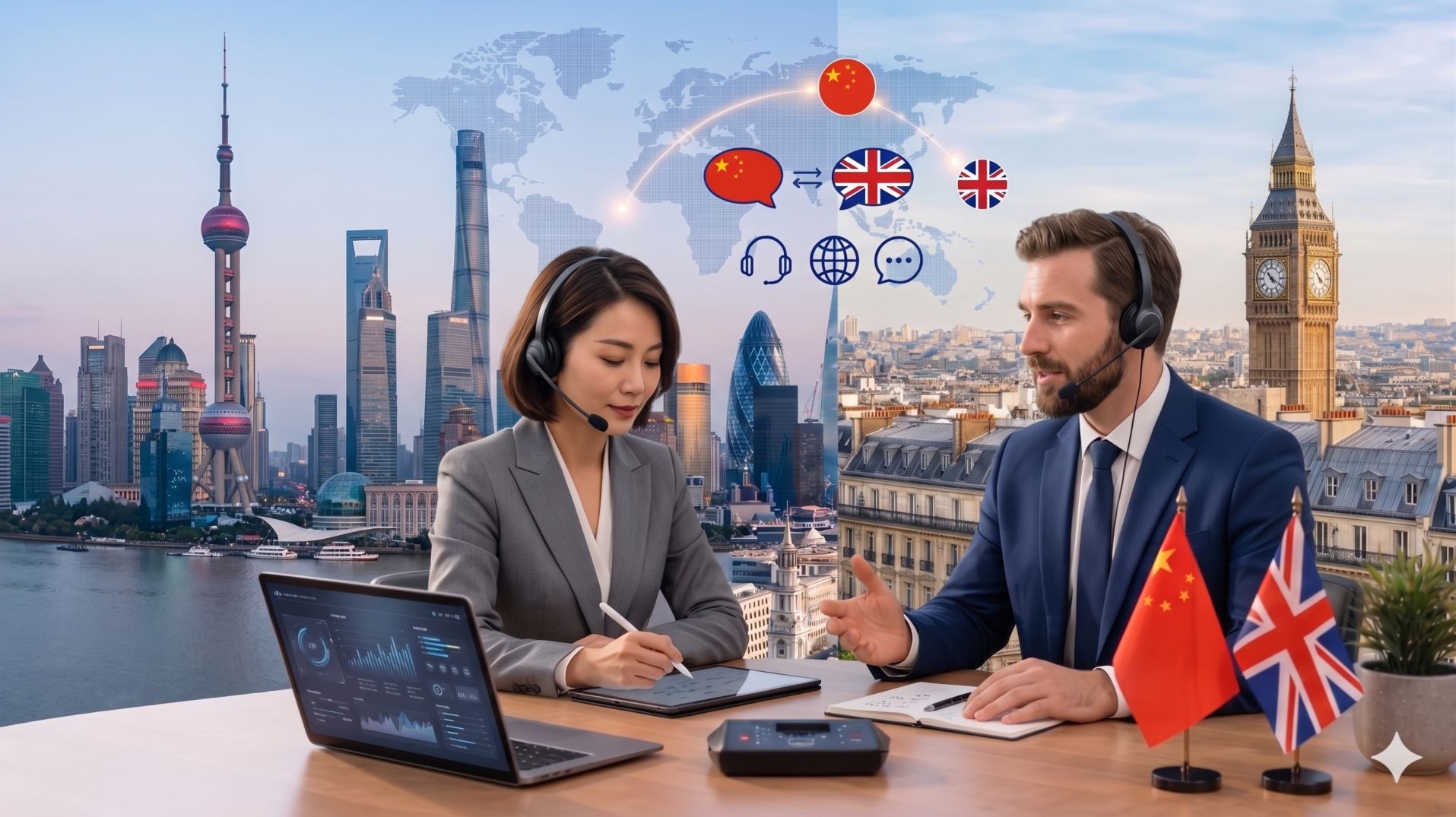
Securing a qualified Mandarin interpreter in Southend-on-Sea is paramount for effective communication across diverse sectors within the UK’s professional landscape. Whether navigating the complexities of His Majesty’s Courts and Tribunals Service (HMCTS) proceedings, ensuring patient safety within the National Health Service (NHS) via trusts such as North East London NHS Foundation Trust and Southend University Hospital NHS Foundation Trust, or facilitating international business dealings, the need for precise and culturally attuned linguistic support cannot be overstated. This guide explores the critical role of professional Mandarin interpreters and translators in Southend-on-Sea, highlighting their importance in upholding legal standards, ensuring healthcare equity, and fostering economic growth within this vibrant Essex coastal town and the wider UK.
Translation vs Interpretation
While often used interchangeably, translation and interpretation are distinct linguistic disciplines, each requiring specialised skills and adherence to professional standards. Understanding this difference is crucial for engaging the right professional. Interpretation involves the live, oral conversion of spoken or signed language from one language to another. This demands not only fluency in both Mandarin and English but also exceptional short-term memory, cultural nuance, and the ability to think quickly under pressure. A professional Mandarin interpreter in Southend-on-Sea must be adept at conveying not just words, but also tone, intent, and cultural context, particularly vital in sensitive settings like legal consultations or medical appointments. Conversely, translation focuses on the written word, converting documents, texts, and other written materials from one language to another. This process allows for more time for research, editing, and refinement, ensuring accuracy and stylistic fidelity. For official documents, legal contracts, or medical reports, a skilled Mandarin translator in Southend-on-Sea is indispensable, ensuring that all written communication adheres to UK legal and professional requirements. Both professions are governed by stringent standards, with bodies like the National Register of Public Service Interpreters (NRPSI) setting benchmarks for public service interpreters, and the Chartered Institute of Linguists (CIOL) upholding standards for translators and interpreters across various sectors.
Legal Defence, Immigration, and Courtroom Interpretation
The administration of justice in the United Kingdom relies heavily on the principle of equal access to legal representation and fair trial, regardless of an individual’s linguistic background. For Mandarin speakers involved in legal proceedings in Southend-on-Sea or elsewhere in the UK, the availability of qualified interpreters is not merely a convenience but a fundamental right. His Majesty’s Courts and Tribunals Service (HMCTS) mandates the provision of interpreters in criminal, civil, and family courts to ensure that all parties can understand the proceedings and present their case effectively. This includes everything from initial police interviews conducted under the Police and Criminal Evidence Act 1984 (PACE) to complex trials at higher courts. Professional Mandarin interpreters working within the UK legal system must often hold qualifications recognised by bodies such as the NRPSI or the Diploma in Public Service Interpreting (DPSI), demonstrating their competence in legal terminology and procedures. They are crucial in facilitating communication between defendants, witnesses, legal counsel, and the judiciary, ensuring that evidence is accurately conveyed and that no misinterpretations can jeopardise a case. Furthermore, in immigration matters, which often fall under the purview of the Home Office and the First-tier Immigration Tribunal, precise interpretation is vital. Immigration solicitors in Southend-on-Sea frequently require Mandarin interpreters to assist clients with asylum claims, visa applications, and appeals, where misunderstandings can have profound consequences. The His Majesty’s Courts and Tribunals Service (HMCTS) operates a booking system for interpreters, ensuring that qualified professionals are available for hearings. Adherence to the Ministry of Justice’s guidelines and the professional codes of conduct set by bodies like the NRPSI ensures the integrity and fairness of the legal process for all.
Healthcare and NHS Patient Safety
Patient safety and equitable access to healthcare are cornerstones of the UK’s National Health Service (NHS). For Mandarin-speaking patients in Southend-on-Sea, effective communication with healthcare professionals is essential for accurate diagnosis, treatment, and overall well-being. The NHS is committed to providing language support to ensure that all patients, regardless of their primary language, receive high-quality care. This commitment is underpinned by guidelines from NHS England and regulated by the Care Quality Commission (CQC). Trusts serving Southend-on-Sea, such as North East London NHS Foundation Trust (which provides community health and mental health services) and Southend University Hospital NHS Foundation Trust (providing acute hospital services), are responsible for ensuring that appropriate language services are available. This includes providing access to qualified Mandarin interpreters for consultations, hospital admissions, and emergency care. The use of untrained bilingual staff or family members as interpreters is strongly discouraged due to the risk of misinterpretation, breaches of confidentiality, and potential harm to patients. Professional interpreters possess the linguistic skills and understanding of medical terminology to accurately convey complex information, ensuring patients can give informed consent and participate fully in their care decisions. Compliance with UK GDPR ensures that patient confidentiality is maintained at all times. The Care Quality Commission (CQC) inspects healthcare providers to ensure they meet essential standards of safety and quality, including the provision of effective communication support. Ensuring that Mandarin-speaking patients receive the same standard of care as their English-speaking counterparts is a critical aspect of delivering equitable healthcare services across the UK.
Technical Interpretation Modalities
The effectiveness of interpretation hinges on selecting the appropriate modality for the specific context. Professional Mandarin interpreters in Southend-on-Sea are proficient in several techniques, each suited to different communication scenarios:
- Simultaneous Interpretation: This is the most demanding form, where the interpreter speaks almost concurrently with the source speaker, often in a soundproof booth using specialised equipment. It is ideal for large conferences, international summits, and high-level meetings where seamless, real-time communication is essential. The interpreter listens to the speaker through a headset and renders the message into Mandarin or English via a microphone.
- Consecutive Interpretation: In this mode, the interpreter waits for the speaker to pause before rendering the message in the target language. This requires excellent note-taking skills and memory. Consecutive interpretation is commonly used in smaller meetings, legal depositions, medical appointments, and one-on-one discussions where the flow of conversation is less rapid.
- Escort Interpretation (Liaison Interpretation): This involves facilitating communication between two or more parties who speak different languages. The interpreter acts as a bridge, interpreting short segments of speech back and forth. It is frequently employed in business negotiations, site visits, social events, and informal meetings where a high degree of interaction is expected.
- Remote Simultaneous/Consecutive Interpretation (RSI/RCI): With advancements in technology, remote interpretation has become increasingly prevalent. Using secure online platforms, interpreters can provide simultaneous or consecutive services from any location, connecting participants across different geographical areas. This modality offers flexibility and cost-effectiveness, particularly for businesses and organisations operating across multiple sites or internationally. Professional bodies like the International Association of Conference Interpreters (AIIC) provide guidance on best practices for various interpretation modes, ensuring quality and professionalism regardless of the setting.
Economic and Social Fabric of Southend-on-Sea
Southend-on-Sea, a prominent coastal town in Essex, boasts a dynamic economic and social landscape that increasingly benefits from international connections. The presence of skilled Mandarin interpreters and translators is vital for integrating the local economy with global markets and ensuring that all residents can fully participate in community life.
Corporate and Industry
Southend-on-Sea is home to a diverse range of businesses, from burgeoning tech start-ups to established financial services firms and manufacturing enterprises. As these companies look to expand their reach into international markets, particularly in Asia, the ability to communicate effectively in Mandarin becomes a significant asset. Professional Mandarin interpretation and translation services facilitate crucial business activities such as contract negotiations, market research, product launches, and client relationship management. UK businesses operating in Southend-on-Sea can leverage these linguistic skills to build stronger ties with Chinese partners, access new investment opportunities, and enhance their competitive edge in the global marketplace. The Department for Business and Trade actively supports UK companies in international trade, and linguistic support is a fundamental component of this engagement.
Tourism
As a popular seaside resort, Southend-on-Sea attracts visitors from across the UK and increasingly from international destinations. Enhancing the visitor experience for Mandarin-speaking tourists involves providing accessible information and services in their native language. This can range from translated tourist brochures and signage at attractions like the Southend Pier and Adventure Island, to interpretation services for guided tours and hospitality staff. Hotels, restaurants, and retail outlets that can offer Mandarin language support will find themselves better positioned to cater to this growing demographic, boosting local tourism revenue and enhancing Southend-on-Sea’s reputation as a welcoming destination. The Southend Tourism Partnership plays a key role in promoting the town, and multilingual resources are a vital part of its strategy.
Legal Infrastructure
Southend-on-Sea possesses a robust legal infrastructure, including local law firms and access to HMCTS facilities. For Mandarin-speaking individuals and businesses interacting with the UK legal system, whether for commercial disputes, property transactions, or personal legal matters, the availability of qualified Mandarin interpreters is essential. Law firms in Southend-on-Sea that offer Mandarin interpretation services can cater to a broader client base, ensuring that justice is accessible to all. This includes providing interpreters for client consultations, court hearings at the Southend County Court, and other legal appointments. The Law Society of Scotland (while not directly applicable to England and Wales, represents a similar professional body for legal practitioners) and the Law Society of England and Wales set professional standards that necessitate clear communication, making interpreter services a vital component of legal practice.
NHS Healthcare
The provision of healthcare services in Southend-on-Sea, primarily through Southend University Hospital NHS Foundation Trust and community services managed by North East London NHS Foundation Trust, relies on effective communication to ensure patient safety and quality of care. Mandarin-speaking residents and visitors require access to professional interpreters for GP appointments, hospital visits, mental health services, and emergency care. The NHS’s commitment to equality and diversity means that language barriers should not impede access to essential medical services. Local healthcare providers must ensure that qualified Mandarin interpreters are readily available, adhering to the standards set by NHS England and the CQC. This ensures that patients can fully understand their conditions, treatment options, and medical advice, promoting better health outcomes and patient satisfaction.
Local Infrastructure and Transport
Southend-on-Sea benefits from well-developed local infrastructure and transport links, facilitating both business operations and resident mobility. The town is served by major road networks, including the A127 and A13, connecting it to London and the wider South East. Public transport is provided by c2c rail services, offering frequent connections to London Fenchurch Street, and by local bus services operated by various companies. For businesses requiring the services of a Mandarin interpreter in Southend-on-Sea, these transport links ensure accessibility for interpreters travelling to client sites, courts, or hospitals. The presence of Southend Airport further enhances connectivity, offering domestic and European flights. Efficient transport infrastructure is crucial for the seamless delivery of professional services, ensuring that interpreters can reach their assignments promptly and reliably, thereby supporting the economic activity and connectivity of Southend-on-Sea within the UK and beyond.
Conclusion
In conclusion, the role of a professional Mandarin interpreter in Southend-on-Sea is multifaceted and indispensable. From ensuring the integrity of legal proceedings within HMCTS and supporting immigration cases, to safeguarding patient safety in NHS hospitals like Southend University Hospital, and facilitating international commerce, the need for accurate and culturally sensitive linguistic services is paramount. By engaging qualified Mandarin interpreters and translators who adhere to UK professional standards, businesses, legal firms, and healthcare providers in Southend-on-Sea can overcome language barriers, foster trust, and achieve their objectives effectively. For all your professional interpretation and translation needs in Southend-on-Sea and across the UK, securing the services of certified linguists is a critical investment in clear communication and successful outcomes.