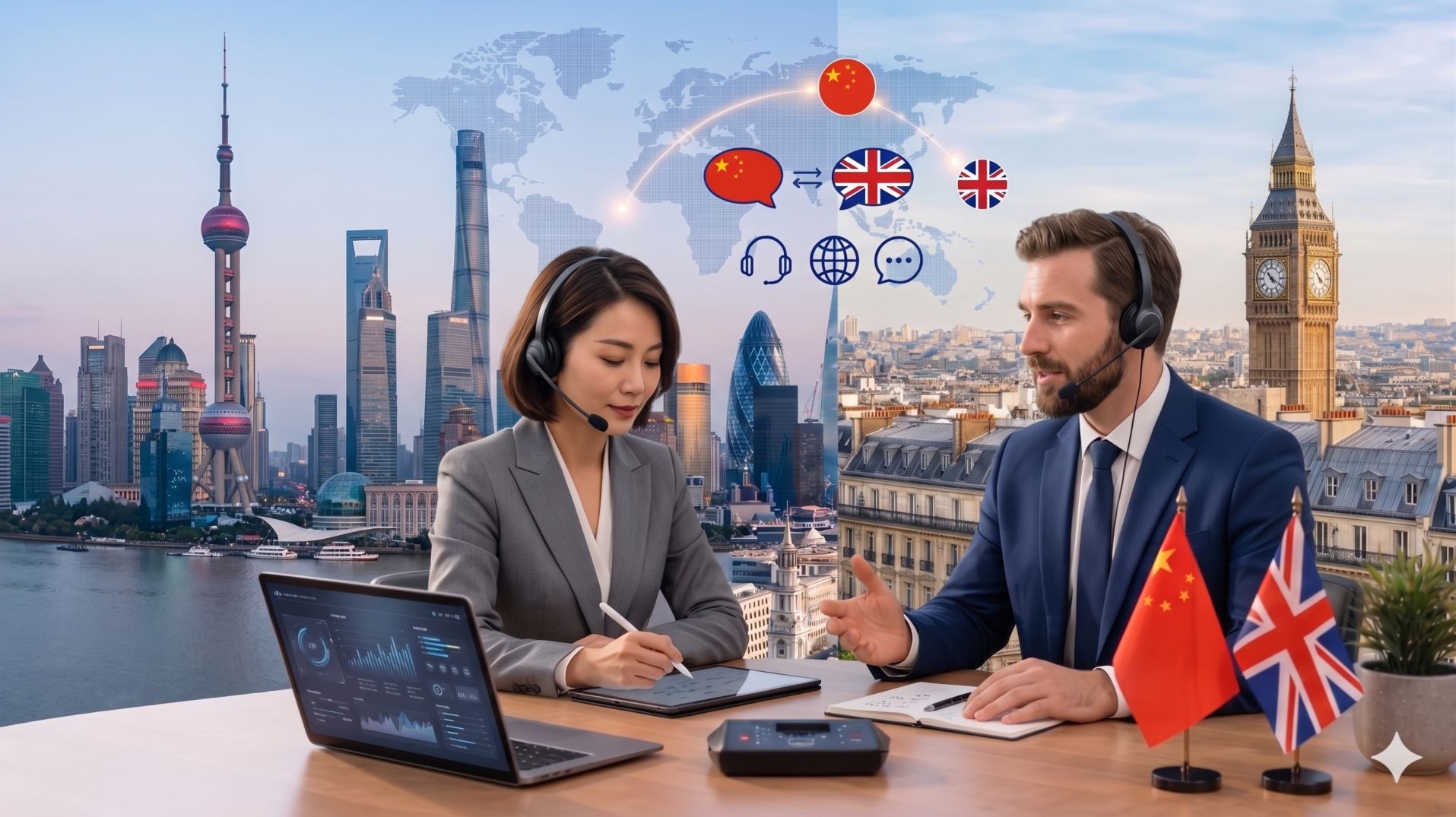
Securing a qualified Mandarin interpreter in Sutton is paramount for effective communication across diverse sectors within the UK’s professional landscape. Whether engaging with legal proceedings, navigating the complexities of the National Health Service (NHS), or facilitating international business, the need for precise and culturally nuanced interpretation is undeniable. Sutton, a vibrant borough in South London, is served by key NHS trusts including Epsom and St Helier University Hospitals NHS Trust and St George’s University Hospitals NHS Foundation Trust, both of which rely on robust language services to ensure equitable patient care for all residents, including those who speak Mandarin. This guide explores the critical role of professional Mandarin interpreters in Sutton, highlighting their importance in legal, healthcare, and commercial environments, all within the framework of UK regulations and professional standards.
Translation vs Interpretation: Understanding the Nuances
While often used interchangeably, translation and interpretation are distinct disciplines, each requiring specialised skills and adherence to specific professional standards. Interpretation involves the live, oral conversion of spoken or signed language from one language to another. This requires not only linguistic proficiency but also cultural understanding, the ability to think quickly, and a deep awareness of the context. A professional interpreter must be able to convey the full meaning, tone, and intent of the speaker accurately and impartially. Conversely, translation deals with the written word, converting text from a source language to a target language. This process allows for more time for research, editing, and refinement to ensure accuracy and fidelity to the original document. For critical situations such as legal hearings or medical consultations in Sutton, the immediacy and accuracy of a skilled interpreter are indispensable. Engaging a qualified Mandarin translator in Sutton is crucial for written documentation, such as contracts, reports, or patient information leaflets, ensuring clarity and legal compliance.
Legal Defence, Immigration, and Courtroom Interpretation
The UK’s justice system, overseen by His Majesty’s Courts and Tribunals Service (HMCTS), mandates that all parties have access to justice, regardless of their language. This principle is particularly vital in criminal and civil proceedings, where miscommunication can have severe consequences. For individuals who speak Mandarin, access to a certified Mandarin interpreter is not a luxury but a fundamental right. These interpreters are crucial in various legal settings, including:
- Crown Courts and Magistrates’ Courts: Assisting defendants, witnesses, and legal counsel during trials, plea hearings, and sentencing. Interpreters must adhere to strict codes of conduct, ensuring impartiality and confidentiality, often requiring accreditation from bodies like the National Register of Public Service Interpreters (NRPSI) or holding qualifications such as the Diploma in Public Service Interpreting (DPSI).
- Immigration Tribunals: The First-tier Tribunal (Immigration and Asylum Chamber) and the Upper Tribunal (Immigration and Asylum Chamber) frequently require Mandarin interpreters for asylum claims, deportation appeals, and other immigration-related matters. Accurate interpretation is vital for presenting evidence and understanding the proceedings, which are governed by the UK Visas and Immigration (UKVI) service.
- Civil Litigation: In disputes heard in the County Court or the High Court, Mandarin interpreters facilitate communication between parties, solicitors, barristers, and judges, ensuring that all evidence and arguments are clearly understood.
- Police Interviews: Under UK law, suspects have the right to an interpreter during police questioning. This ensures that statements are given voluntarily and accurately reflect the suspect’s intentions.
The professional standards for legal interpreters in the UK are rigorous, often requiring interpreters to be registered with the NRPSI or hold a DPSI qualification. This ensures a high level of competence and ethical practice. The Royal Courts of Justice and other judicial centres across the UK depend on a pool of skilled interpreters to uphold the principles of natural justice.
Healthcare and NHS Patient Safety
Effective communication is the cornerstone of safe and effective healthcare. In Sutton, as across the UK, the NHS is committed to providing accessible care to all patients. For Mandarin-speaking individuals, this means having access to qualified interpreters during consultations, diagnoses, treatment discussions, and emergency situations. The Care Quality Commission (CQC) inspects healthcare providers to ensure they meet fundamental standards of quality and safety, including the provision of adequate language support. NHS England’s Language Access guidelines stipulate that providers must ensure patients can access interpreters when needed to communicate effectively about their health.
A Mandarin interpreter in a healthcare setting must possess not only linguistic skills but also a profound understanding of medical terminology and the sensitivity required when discussing health issues. This includes:
- Doctor’s Appointments and Consultations: Ensuring patients fully understand their conditions, treatment options, medication instructions, and potential side effects.
- Hospital Admissions and Discharge: Facilitating clear communication regarding care plans, recovery expectations, and follow-up appointments.
- Mental Health Services: Providing a safe and confidential space for individuals to discuss sensitive mental health concerns.
- Emergency Department Visits: Enabling rapid and accurate communication in critical situations where time is of the essence.
Failure to provide adequate interpretation can lead to misdiagnosis, incorrect treatment, medication errors, and a breakdown in the patient-doctor relationship. Adherence to UK GDPR is also crucial, ensuring that patient confidentiality is maintained at all times. The NHS trusts serving Sutton, such as Epsom and St Helier University Hospitals NHS Trust and St George’s University Hospitals NHS Foundation Trust, are obligated to provide these services to uphold patient safety and equality of care. The relevant NHS Integrated Care Board for the region, NHS London, oversees the strategic implementation of such services.
Technical Interpretation Modalities
The effectiveness of interpretation is heavily influenced by the modality employed, which must be chosen based on the specific requirements of the situation. Professional Mandarin interpreters in Sutton are proficient in various modes:
- Simultaneous Interpretation: The interpreter speaks almost concurrently with the source speaker, often using specialised equipment like booths and headsets. This is ideal for large conferences, international meetings, and live broadcasts where real-time communication is essential.
- Consecutive Interpretation: The interpreter listens to a segment of speech, then renders it in the target language after the speaker has finished. This is commonly used in smaller meetings, legal depositions, and one-on-one discussions where direct interaction is key.
- Escort (or Liaison) Interpretation: This involves facilitating communication between individuals speaking different languages in informal settings, such as business meetings, site visits, or social events. The interpreter acts as a bridge, ensuring smooth dialogue.
- Remote Simultaneous Interpretation (RSI): With advancements in technology, interpreters can now provide simultaneous interpretation remotely via secure online platforms. This offers flexibility and cost-effectiveness for global events and dispersed teams, while still adhering to professional standards.
Selecting the appropriate modality ensures that the communication objectives are met efficiently and accurately, whether for a corporate negotiation or a medical appointment.
Economic and Social Fabric of Sutton
Sutton’s diverse economy and community necessitate robust language services to foster integration and facilitate business. The borough benefits from a dynamic economic environment, supported by a strong legal infrastructure and excellent healthcare provisions.
Corporate and Industry
Sutton hosts a range of businesses, from local enterprises to branches of national corporations. For companies operating internationally or engaging with Mandarin-speaking clients and partners, professional Mandarin interpretation and translation services are vital for:
- Business Negotiations and Meetings: Ensuring clear understanding of terms, conditions, and strategic objectives.
- Marketing and Sales: Adapting promotional materials and presentations for the Mandarin-speaking market.
- Employee Training and Development: Providing access to essential training for a diverse workforce.
- Customer Service: Offering support to Mandarin-speaking customers, enhancing satisfaction and loyalty.
Professional bodies like the Chartered Institute of Linguists (CIOL) and the Association of Language Companies (ALC) uphold standards for businesses providing these services.
Tourism
While not a primary tourist hub, Sutton and its surrounding areas attract visitors from across the globe. Mandarin-speaking tourists benefit from interpretation services that can enhance their experience, whether navigating local attractions, using public transport, or seeking assistance. Accurate translation of signage and information materials also contributes to a welcoming environment.
Legal Infrastructure
Sutton is supported by a network of legal professionals, including solicitors and barristers who serve both local residents and businesses. The presence of Mandarin-speaking legal professionals or the availability of certified interpreters is crucial for addressing the needs of the borough’s diverse population. This ensures equitable access to legal advice and representation, aligning with the principles upheld by HMCTS.
NHS Healthcare
As previously detailed, the NHS trusts serving Sutton, such as Epsom and St Helier University Hospitals NHS Trust and St George’s University Hospitals NHS Foundation Trust, are integral to the borough’s social fabric. The provision of Mandarin interpretation services is a critical component of delivering patient-centred care and ensuring health equity for all residents.
Local Infrastructure and Transport
Sutton boasts well-developed local infrastructure and transport links, connecting it efficiently to central London and surrounding areas. Key transport hubs and services facilitate movement for residents, businesses, and visitors. For Mandarin speakers, clear communication is essential when navigating these systems, whether purchasing tickets, understanding travel advisories, or seeking assistance from transport staff. Professional interpreters can assist in ensuring that information is accurately conveyed, particularly during disruptions or when complex travel plans are involved. The borough’s commitment to accessibility extends to its public services, including transport, where language support plays a vital role in ensuring inclusivity.
Conclusion
In Sutton, the demand for professional Mandarin interpretation services spans critical sectors, from the courtroom to the hospital ward and the corporate boardroom. Ensuring access to qualified, accredited Mandarin interpreters is not merely a matter of convenience but a fundamental requirement for upholding justice, ensuring patient safety, and fostering economic growth within the UK’s regulatory framework. By engaging certified professionals who adhere to the stringent standards set by bodies like the NRPSI and understand the specific requirements of UK institutions such as HMCTS and the NHS, individuals and organisations can guarantee clear, accurate, and confidential communication. For any entity in Sutton requiring expert linguistic support, securing a reputable Mandarin interpreter in Sutton is a strategic investment in effective communication and successful outcomes.