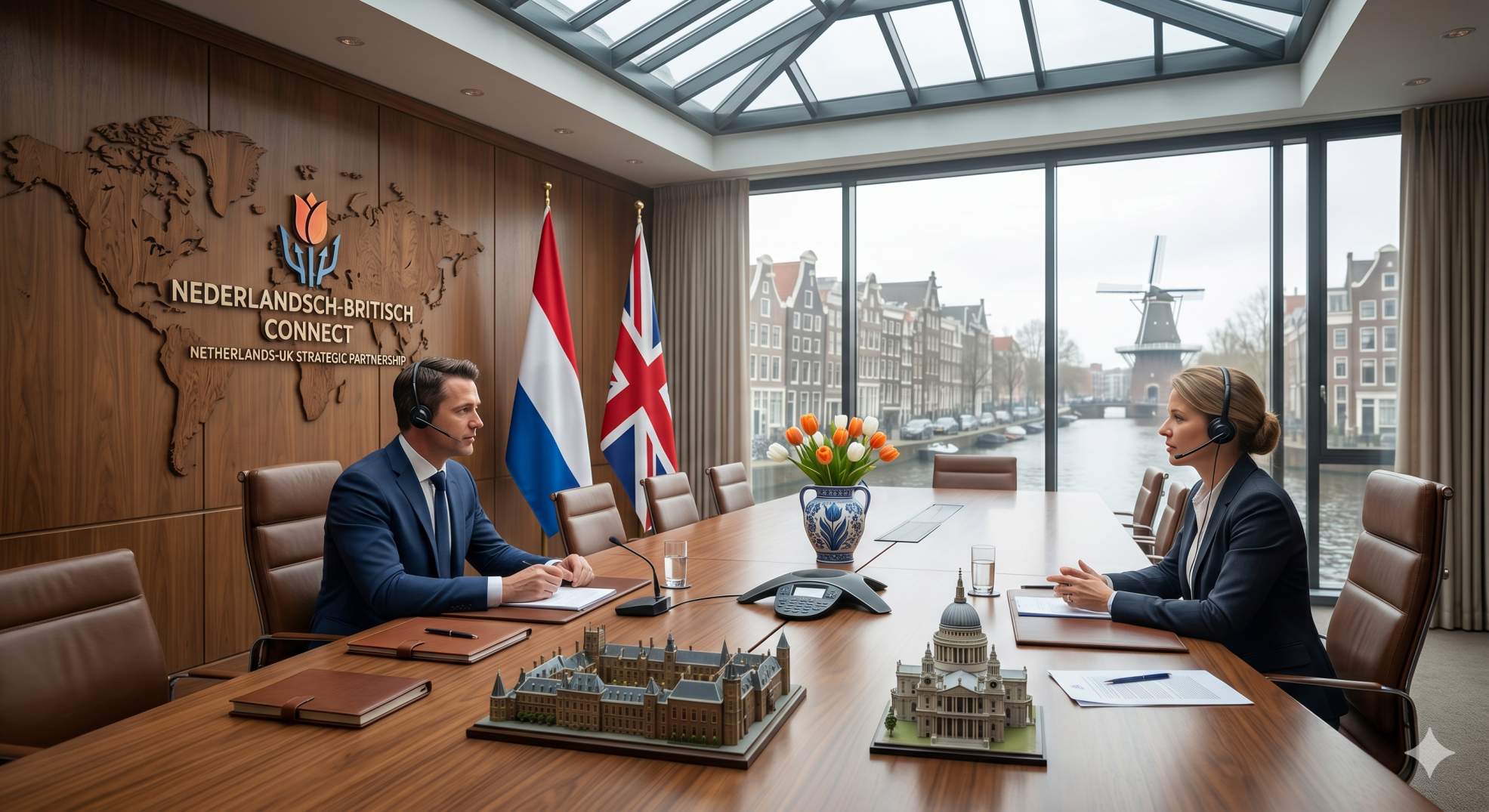

Securing a qualified Norwegian interpreter in Birmingham is paramount for ensuring clear communication across critical sectors within the UK’s professional landscape. Whether engaging with His Majesty’s Courts and Tribunals Service (HMCTS), navigating the complexities of the National Health Service (NHS), or facilitating international business, accurate linguistic support is non-negotiable. Birmingham, a vibrant hub of commerce and culture, requires specialised linguistic services that adhere to stringent UK professional standards. This includes ensuring that all interpreters are not only fluent in Norwegian and English but also possess a deep understanding of the legal, medical, and cultural nuances pertinent to UK operations. For those seeking medical assistance, Birmingham’s diverse population is served by trusts such as the University Hospitals Birmingham NHS Foundation Trust and the Heart of England NHS Foundation Trust, both of which rely on effective communication to uphold patient safety and provide equitable care, often necessitating the expertise of professional Norwegian interpreters.
Translation vs Interpretation
Understanding the distinction between translation and interpretation is fundamental when seeking linguistic support. While both involve conveying meaning from one language to another, they are distinct disciplines requiring different skill sets and methodologies. Interpretation focuses on the spoken word, demanding real-time comprehension and rendition, often under pressure. This is crucial in live settings such as courtrooms, medical consultations, or business meetings. A professional Norwegian interpreter in Birmingham must possess not only linguistic proficiency but also the cognitive agility to process information instantaneously and accurately. Conversely, translation deals with the written word, allowing for more time for research, drafting, and revision to ensure precision. For official documents, legal texts, or marketing materials, a Norwegian translator in Birmingham would be the appropriate professional. However, in dynamic environments where immediate dialogue is key, the role of the interpreter becomes indispensable. Professional bodies like the National Register of Public Service Interpreters (NRPSI) and the Chartered Institute of Linguists (CIOL) set the standards for both professions, ensuring that practitioners meet rigorous competency requirements for public service and commercial applications within the United Kingdom.
Legal Defence, Immigration, and Courtroom Interpretation
The UK’s legal system is built on principles of fairness and due process, which are intrinsically linked to effective communication. For individuals who do not speak English as a first language, access to justice is severely hampered without qualified interpreters. In Birmingham, as across the UK, His Majesty’s Courts and Tribunals Service (HMCTS) mandates the provision of competent interpreters for all legal proceedings where a language barrier exists. This is particularly critical in criminal defence, civil litigation, family law, and immigration matters. Norwegian speakers involved in legal proceedings, whether as defendants, witnesses, or parties to a case, have a right to understand the proceedings and to be understood. This requires interpreters who are not only fluent in Norwegian and English but also possess a thorough understanding of legal terminology, courtroom etiquette, and the specific procedures governed by UK law. The His Majesty’s Courts and Tribunals Service (HMCTS) works with accredited interpreters, often registered with the NRPSI or holding qualifications such as the Diploma in Public Service Interpreting (DPSI), to ensure impartiality and accuracy. The Home Office and UK Visas and Immigration (UKVI) also rely heavily on qualified interpreters for asylum claims, visa applications, and interviews, where miscommunication can have profound consequences. The First-tier Immigration Tribunal and Upper Tribunal also require skilled interpreters to ensure that appeals and hearings are conducted fairly. Engaging a professional Norwegian interpreter in Birmingham ensures compliance with these legal obligations and upholds the fundamental right to a fair trial.
Healthcare and NHS Patient Safety
Patient safety and equitable access to healthcare are cornerstones of the National Health Service (NHS) in the UK. For Norwegian-speaking patients in Birmingham, effective communication with healthcare professionals is vital for accurate diagnosis, treatment, and overall well-being. The NHS has a legal and ethical obligation to provide language support to patients with limited English proficiency, as outlined by NHS England’s Language Access guidelines and enforced by the Care Quality Commission (CQC). This ensures that all patients, regardless of their linguistic background, receive the same standard of care. Professional Norwegian interpreters play a crucial role in bridging communication gaps during consultations, hospital admissions, and when discussing sensitive medical information. Interpreters working within the NHS must adhere to strict codes of confidentiality and impartiality, often requiring specific training in medical terminology and ethics, in line with UK GDPR principles. Birmingham’s healthcare landscape, served by trusts like the University Hospitals Birmingham NHS Foundation Trust and the Heart of England NHS Foundation Trust, necessitates a pool of qualified Norwegian interpreters who can facilitate clear and accurate communication between patients and clinicians. This is essential for informed consent, understanding treatment plans, and ensuring that patient needs are fully met, thereby enhancing patient safety and satisfaction. The CQC’s inspections also scrutinise how healthcare providers manage communication needs, making professional interpretation services a critical component of compliance.
Technical Interpretation Modalities
The nature of the communication requirement dictates the most effective interpretation modality. For a Norwegian interpreter in Birmingham, proficiency in various techniques is essential to meet diverse client needs. Simultaneous interpretation is used in high-stakes, fast-paced environments such as international conferences, large meetings, or parliamentary sessions. The interpreter conveys the message almost instantaneously, speaking at the same time as the speaker, often using specialised equipment like booths and headsets. This requires intense concentration and rapid cognitive processing. Consecutive interpretation is more common in smaller settings like business negotiations, legal interviews, or medical appointments. The interpreter waits for the speaker to pause, then renders the message in the target language. This allows for more detailed explanations and a slightly slower pace. Escort interpretation, also known as liaison interpretation, facilitates communication between parties who speak different languages in social or business settings, such as factory tours, site visits, or informal meetings. The interpreter acts as a cultural and linguistic bridge, ensuring smooth interaction. Increasingly, remote interpretation services are becoming prevalent, utilising telephone or video conferencing platforms. This modality offers flexibility and cost-effectiveness, especially for less critical or urgent communications, but requires interpreters to maintain focus and accuracy through digital channels. Selecting the appropriate modality ensures that the Norwegian interpretation services provided in Birmingham are not only linguistically accurate but also contextually appropriate and efficient for the specific situation.
Economic and Social Fabric of Birmingham
Birmingham’s status as a major economic and cultural centre in the UK necessitates robust linguistic support to foster its diverse and international connections. The city’s dynamic economy, thriving cultural scene, and significant public services all benefit from the availability of skilled Norwegian interpreters and translators.
Corporate and Industry
As a key player in the UK’s industrial and commercial landscape, Birmingham attracts significant international investment and trade. Norwegian businesses looking to establish a presence, engage in joint ventures, or conduct market research in the region require professional Norwegian interpretation services to navigate the complexities of the UK market. This includes facilitating meetings with potential partners, suppliers, and regulatory bodies. Accurate communication is vital for negotiating contracts, understanding UK business law, and ensuring smooth operational integration. The presence of a skilled Norwegian interpreter in Birmingham can significantly enhance the success of these cross-border economic activities, fostering stronger business relationships and contributing to the city’s economic growth.
Tourism
Birmingham’s rich history, vibrant arts scene, and diverse culinary offerings attract visitors from around the globe, including from Norway. For the tourism sector, providing accessible information and services in multiple languages is crucial for enhancing the visitor experience. While English is the primary language, having Norwegian translation services for brochures, websites, and visitor information can make the city more welcoming to Norwegian tourists. Furthermore, during specific events or for specialised tours, Norwegian interpreters can facilitate communication, ensuring that visitors can fully engage with Birmingham’s attractions and culture.
Legal Infrastructure
Birmingham boasts a substantial legal sector, with numerous law firms, barristers’ chambers, and corporate legal departments. The city’s courts, under the purview of His Majesty’s Courts and Tribunals Service (HMCTS), handle a wide array of cases, including those involving international parties. For Norwegian nationals involved in legal disputes, immigration matters, or requiring legal advice, access to qualified Norwegian interpreters is essential. These interpreters must be familiar with UK legal terminology and procedures, ensuring that all parties understand their rights and obligations. Professional bodies like the NRPSI and the DPSI (Diploma in Public Service Interpreting) ensure that interpreters meet the high standards required for legal settings, safeguarding the integrity of the justice system.
NHS Healthcare
The National Health Service (NHS) in Birmingham serves a diverse population, and ensuring equitable access to healthcare for all is a priority. For Norwegian-speaking residents, access to competent medical interpreters is critical for effective communication with healthcare providers. This ensures accurate diagnosis, informed consent for treatments, and a better overall patient experience. The NHS trusts in Birmingham, such as the University Hospitals Birmingham NHS Foundation Trust and the Heart of England NHS Foundation Trust, rely on professional interpreters to uphold patient safety and comply with UK healthcare regulations, including those related to data protection under UK GDPR.
Local Infrastructure and Transport
Birmingham’s well-developed infrastructure plays a vital role in facilitating both its economic activities and the daily lives of its residents. As a major transport hub in the UK, the city offers excellent connectivity via road, rail, and air. Birmingham Airport (BHX) serves as a gateway for international travel, connecting Norway and other European countries. The city’s extensive public transport network, including buses and trams, ensures ease of movement for residents and visitors alike. For businesses requiring the services of a Norwegian interpreter in Birmingham, the city’s transport links facilitate easy access to various locations, whether for on-site interpretation at corporate offices, legal consultations, or medical appointments. Furthermore, the availability of reliable transport ensures that interpreters can reach their assignments promptly, maintaining the efficiency and professionalism expected in critical service delivery. The city council, Birmingham City Council, oversees much of this infrastructure, ensuring it meets the needs of a growing and diverse population. Understanding the local transport network is also beneficial for remote interpretation services, as it indicates the logistical ease of accessing clients or resources within the region.
Conclusion
In conclusion, securing professional and accredited linguistic services is essential for navigating the multifaceted demands of the UK’s professional, legal, and healthcare sectors in Birmingham. Whether you require a Norwegian interpreter in Birmingham for critical court proceedings at HMCTS, sensitive medical consultations within the NHS, or vital business negotiations, the need for accuracy, cultural understanding, and adherence to UK professional standards cannot be overstated. Engaging qualified interpreters ensures compliance with legal obligations, upholds patient safety, and fosters effective communication, ultimately contributing to successful outcomes. For all your Norwegian interpretation needs in Birmingham and across the UK, professional services provide the linguistic bridge necessary for clarity and success.