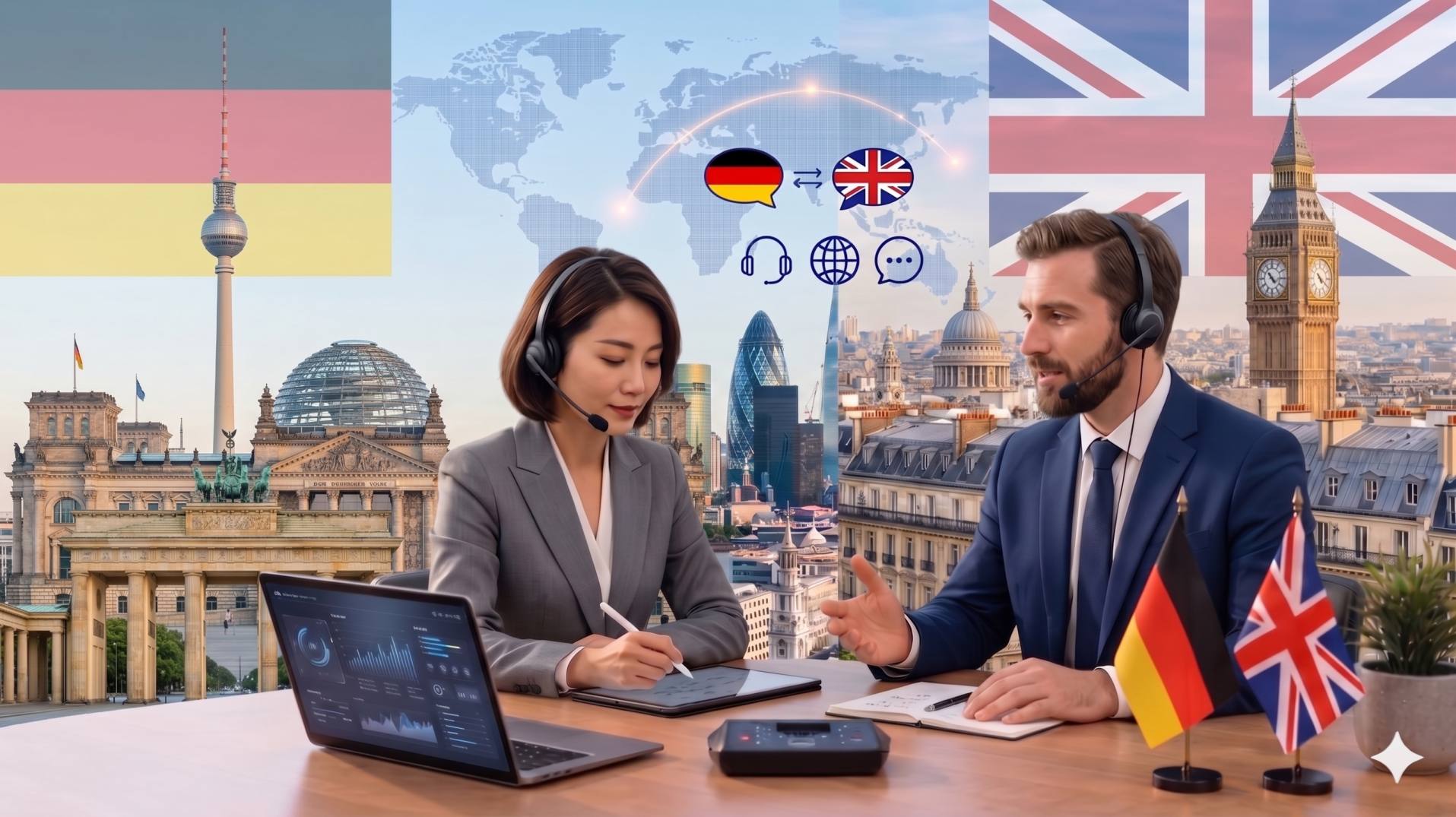
Securing a qualified Polish interpreter in Exeter is paramount for effective communication across vital sectors of the UK economy and public services. Whether navigating the complexities of His Majesty’s Courts and Tribunals Service (HMCTS), ensuring patient safety within the National Health Service (NHS) by engaging with trusts such as the Royal Devon University Healthcare NHS Foundation Trust and the Central Devon Healthcare NHS Trust, or facilitating business interactions, the need for accurate and culturally sensitive interpretation is undeniable. This service is not merely about language conversion; it is about bridging cultural divides, upholding legal standards, and ensuring equitable access to essential services for the Polish-speaking community in Exeter and beyond.
Translation vs Interpretation
While often used interchangeably, translation and interpretation are distinct disciplines, each requiring a unique skill set and adhering to specific professional standards within the UK. Interpretation involves the live, oral conversion of spoken language from one tongue to another. This can occur in real-time, such as in a courtroom or during a medical consultation, or with slight delays. A Polish translator in Exeter, conversely, works with written text, converting documents, websites, or other written materials from Polish to English or vice versa. Both professions are critical, but the demands on an interpreter are often more immediate and pressure-filled, requiring not only linguistic fluency but also cultural nuance, rapid cognitive processing, and the ability to remain impartial under scrutiny. Professional bodies like the National Register of Public Service Interpreters (NRPSI) and the Chartered Institute of Linguists (CIOL) set rigorous standards for both translators and interpreters operating within the UK, ensuring quality and ethical practice.
Legal Defence, Immigration, and Courtroom Interpretation
The administration of justice in the UK relies heavily on the precise communication of legal proceedings. For individuals who speak Polish, access to qualified interpreters is a fundamental right, particularly when interacting with His Majesty’s Courts and Tribunals Service (HMCTS). This includes appearances in criminal courts, civil litigation, family law matters, and immigration tribunals. The HMCTS mandates the use of accredited interpreters to ensure fair trials and due process. Professional interpreters must possess a deep understanding of legal terminology, courtroom etiquette, and the specific legal frameworks in place, such as those governed by the Home Office and the UK Visas and Immigration (UKVI) department. Certification, often through qualifications like the Diploma in Public Service Interpreting (DPSI) or equivalent, is crucial. The NRPSI maintains a register of qualified interpreters who meet these stringent requirements. In immigration cases, interpreters facilitate communication between applicants and UK Visas and Immigration officials, as well as during appeals heard at the First-tier Immigration Tribunal. The integrity of the legal process, from initial police interviews to final court judgments, hinges on the accuracy and impartiality of the Polish interpreter.
Healthcare and NHS Patient Safety
Patient safety and effective care within the NHS are critically dependent on clear communication, especially for individuals with limited English proficiency. In Exeter, the Royal Devon University Healthcare NHS Foundation Trust and other local health providers are committed to adhering to NHS England’s Language Access guidelines. These guidelines stipulate the provision of competent interpreters for patients who require them, ensuring they can fully understand diagnoses, treatment options, and consent forms. A qualified Polish interpreter in Exeter plays a vital role in GP appointments, hospital consultations, mental health services, and emergency care. Misunderstandings can have severe consequences, impacting treatment adherence and patient outcomes. The Care Quality Commission (CQC), the independent regulator of health and social care in England, also emphasises effective communication as a key aspect of quality care. Furthermore, compliance with UK GDPR ensures that patient confidentiality is maintained, even when third-party interpreters are involved. Professional interpreters working within the NHS must not only be linguistically proficient but also understand medical terminology and the sensitive nature of healthcare interactions, adhering to strict codes of conduct.
Technical Interpretation Modalities
The specific needs of a situation dictate the most appropriate mode of interpretation. For a Polish interpreter in Exeter, proficiency in various modalities is essential:
- Simultaneous Interpretation: This is the most demanding form, where the interpreter speaks the translation almost concurrently with the original speaker, typically used in conferences, large meetings, or parliamentary settings. It requires specialised equipment like booths and headsets.
- Consecutive Interpretation: Here, the interpreter waits for the speaker to pause before rendering the message in the target language. This is common in smaller meetings, legal depositions, or one-on-one interviews where note-taking may be involved.
- Escort Interpretation: Often referred to as liaison interpretation, this mode facilitates communication in informal settings, such as business negotiations, site visits, or social events. The interpreter acts as a bridge between parties, ensuring smooth dialogue.
- Remote Interpretation: With advancements in technology, remote interpretation (via phone or video conferencing) has become increasingly prevalent. This offers flexibility and can be cost-effective, but requires reliable connectivity and appropriate platforms. Professional interpreters must adapt their skills to these different contexts, ensuring clarity and accuracy regardless of the modality. Organisations like the International Association of Conference Interpreters (AIIC) provide insights into the professional standards for various interpretation types.
Economic and Social Fabric of Exeter
Exeter, a historic city in Devon, boasts a dynamic economic landscape and a vibrant social community, with a growing Polish population contributing to its diversity. Professional interpretation services are integral to the smooth functioning of various sectors within the city.
Corporate and Industry
Exeter’s economy is supported by a mix of established industries and emerging sectors, including professional services, technology, and advanced manufacturing. For businesses operating internationally or employing a diverse workforce, a Polish interpreter in Exeter is invaluable. This facilitates effective communication in client meetings, staff training, recruitment processes, and internal communications, fostering a more inclusive and productive work environment. Adherence to UK business standards and practices is crucial, and clear communication ensures that all parties understand their roles, responsibilities, and contractual obligations. Professional interpreters can help bridge cultural nuances in business negotiations, ensuring that UK business etiquette is respected while facilitating understanding with Polish counterparts.
Tourism
As a popular tourist destination with attractions like the Exeter Cathedral and its proximity to the Jurassic Coast, the city welcomes visitors from across the globe. While English is the primary language, providing information and services in Polish can enhance the experience for Polish tourists. This could involve translated visitor guides, multilingual signage, or interpretation services for tour groups. Ensuring that Polish-speaking visitors feel welcomed and can easily access information contributes positively to Exeter’s reputation as a tourist-friendly destination. The Visit Exeter initiative, while primarily English-focused, benefits from services that cater to a wider linguistic audience.
Legal Infrastructure
Exeter hosts a range of legal practices, from high street solicitors to specialist firms. These firms often serve clients from diverse backgrounds, including the Polish community. The need for accurate legal interpretation is therefore significant, whether for client consultations, document review, or court appearances. Working with accredited interpreters ensures that legal professionals can effectively represent their Polish-speaking clients, upholding the principles of justice as administered by HMCTS and other UK legal bodies. The Law Society promotes access to justice, and professional interpretation is a key component of this.
NHS Healthcare
The provision of healthcare services in Exeter, primarily through the Royal Devon University Healthcare NHS Foundation Trust, necessitates robust language support. Polish patients must be able to communicate their health concerns clearly to medical professionals and understand medical advice. Qualified interpreters ensure that vital information is conveyed accurately, contributing to effective diagnosis, treatment, and patient well-being, in line with NHS England’s Language Access guidelines. The CQC‘s focus on patient experience underscores the importance of accessible communication.
Local Infrastructure and Transport
Exeter benefits from a well-developed local infrastructure, including transport links that connect it to the rest of the UK. The city is served by Exeter St Davids and Exeter Central railway stations, providing services across the country. The M5 motorway is easily accessible, facilitating road travel. For Polish residents and visitors, understanding public transport information, booking tickets, or navigating travel arrangements can be simplified with the availability of interpretation services. This ensures that all members of the community can participate fully in civic life and access essential services, regardless of their English language proficiency. The Devon County Council oversees many local services, and clear communication is vital for public engagement.
In conclusion, the demand for a professional Polish interpreter in Exeter is multifaceted, spanning critical areas of legal, healthcare, and economic activity within the UK. Engaging certified and experienced interpreters is not merely a matter of convenience but a necessity for ensuring fairness, safety, and effective communication. Organisations and individuals requiring these services should seek interpreters accredited by recognised UK bodies to guarantee the highest standards of accuracy and professionalism. For reliable interpretation solutions that uphold UK legal and professional standards, expert assistance is readily available.