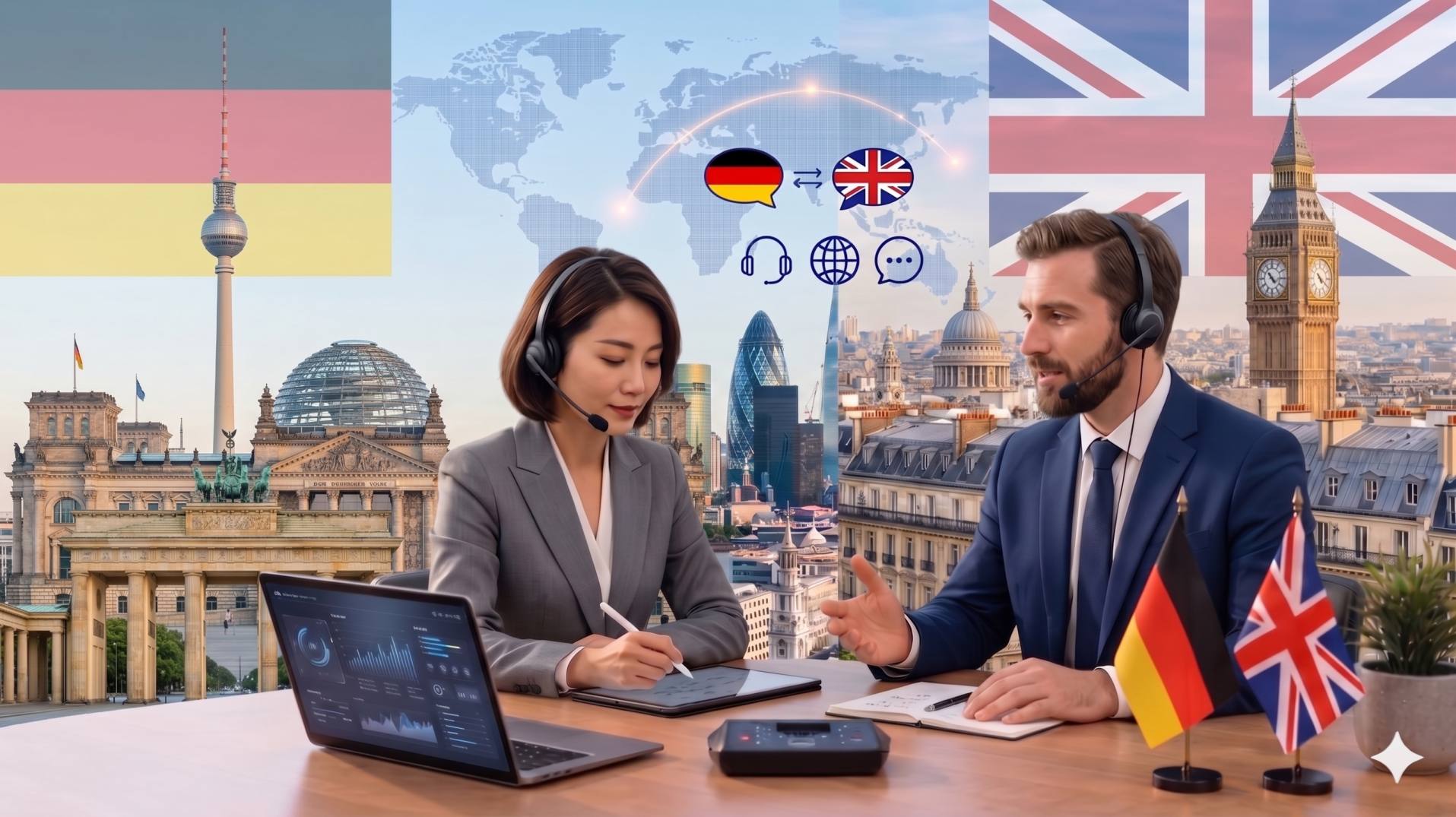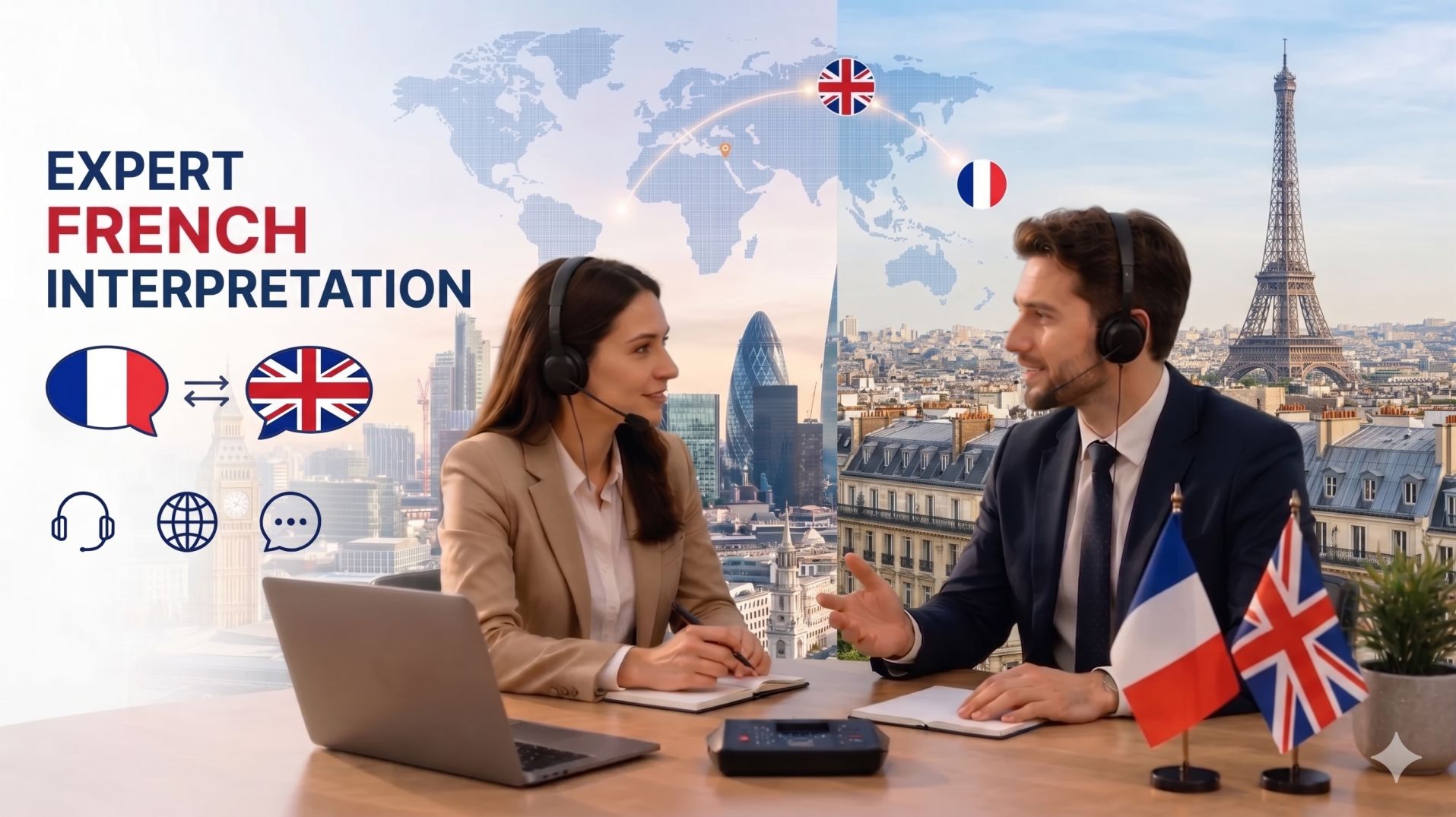

Securing a qualified Portuguese interpreter in Barking and Dagenham is paramount for ensuring clear communication and access to essential services within this diverse East London borough. The presence of a significant Portuguese-speaking community necessitates professional linguistic support across various sectors, from legal proceedings and healthcare appointments to business negotiations and public administration. This guide outlines the critical role of professional interpreters and translators, focusing on the specific needs and regulatory landscape within the United Kingdom, particularly for organisations operating in or serving Barking and Dagenham.
Translation vs Interpretation
While often used interchangeably, translation and interpretation are distinct linguistic disciplines, each requiring specialised skills and adherence to professional standards. Interpretation involves the live, oral conversion of spoken or signed language from one language to another. This is crucial in real-time interactions such as court hearings, medical consultations, or business meetings. A skilled interpreter must not only possess linguistic fluency but also cultural understanding, the ability to think quickly, and maintain neutrality. In contrast, translation deals with the written word, converting documents, websites, or other textual materials from one language to another. Both services are vital for effective communication, but the immediate, high-stakes nature of interpretation, particularly in legal and medical contexts, demands a unique set of competencies. For instance, a law firm requiring documentation translated into Portuguese will engage a translator, whereas a solicitor needing to communicate with a Portuguese-speaking client during a consultation requires an interpreter. The demand for a skilled Portuguese translator in Barking and Dagenham is as significant as for interpreters, covering everything from legal contracts to patient information leaflets.
Legal Defence, Immigration, and Courtroom Interpretation
The UK legal system operates under strict principles of justice and fairness, which inherently require that all individuals, regardless of their language proficiency, have access to justice. This is where the role of a professional Portuguese interpreter becomes indispensable. His Majesty’s Courts and Tribunals Service (HMCTS) mandates the provision of qualified interpreters in all court and tribunal proceedings where a party does not understand English sufficiently. This includes criminal courts, civil courts, family courts, and various tribunals, such as the First-tier Immigration Tribunal. Failure to provide adequate interpretation can lead to miscarriages of justice, appeals, and significant reputational damage for legal professionals and institutions.
Professional interpreters working in the legal sector in the UK must adhere to stringent professional standards. Organisations like the National Register of Public Service Interpreters (NRPSI) and the Diploma in Public Service Interpreting (DPSI) set benchmarks for qualifications and ethical conduct. Interpreters are bound by codes of conduct that emphasise impartiality, confidentiality, accuracy, and professional integrity. This is particularly critical in sensitive legal matters, including criminal defence, immigration applications handled by the Home Office and UK Visas and Immigration (UKVI), and family law proceedings. For legal professionals in Barking and Dagenham, engaging interpreters registered with recognised bodies ensures compliance with legal requirements and upholds the integrity of the judicial process. The accuracy and neutrality of an interpreter are not merely a matter of good practice; they are a fundamental requirement for due process under UK law.
Healthcare and NHS Patient Safety
Effective communication is a cornerstone of patient safety and quality care within the National Health Service (NHS). For the Portuguese-speaking population in Barking and Dagenham, accessing healthcare services without linguistic barriers is a fundamental right and a critical component of equitable healthcare delivery. The NHS has a legal and ethical obligation to provide language support to patients who do not speak English fluently. This is guided by NHS England’s Language Access guidelines and is crucial for ensuring informed consent, accurate diagnosis, effective treatment, and patient satisfaction.
Barking and Dagenham are served by several NHS trusts, including the Barts Health NHS Trust and the North East London NHS Foundation Trust. Both trusts, along with primary care services, must ensure that Portuguese-speaking patients can fully participate in their care. This involves providing access to qualified Portuguese interpreters for consultations, hospital admissions, and discussions about treatment plans. The use of unqualified interpreters, such as family members or untrained staff, can lead to misunderstandings, errors, and potentially serious harm. Professional interpreters working within the NHS are trained to handle medical terminology accurately and to maintain patient confidentiality, adhering to the principles of UK GDPR and the Care Quality Commission (CQC) standards for patient safety and dignity.
The CQC, as the independent regulator of health and social care in England, places a strong emphasis on effective communication as part of its inspection framework. Services that fail to provide adequate language support may be found to be non-compliant. Therefore, NHS trusts and healthcare providers in Barking and Dagenham must proactively engage professional interpreting services to meet their obligations and ensure the well-being of their Portuguese-speaking patients. This commitment to linguistic accessibility not only improves health outcomes but also fosters trust and strengthens the relationship between the community and its healthcare providers.
Technical Interpretation Modalities
The effectiveness of interpretation hinges on selecting the appropriate modality for the specific context. Professional Portuguese interpreters in Barking and Dagenham are proficient in various techniques, each suited to different communication scenarios:
- Simultaneous Interpretation: This is the most technically demanding form, where the interpreter conveys the message in the target language with minimal delay, often while the speaker is still talking. It requires specialised equipment (booths, microphones, headsets) and is typically used in large conferences, international meetings, or parliamentary sessions where seamless flow of information is critical.
- Consecutive Interpretation: In this mode, the interpreter listens to a segment of speech, then delivers the interpreted message in the target language after the speaker has finished. This is common in smaller meetings, press conferences, or legal depositions where note-taking might be involved. It allows for greater accuracy and reflection.
- Escort Interpretation (Liaison Interpretation): This involves the interpreter facilitating communication between two or more parties who speak different languages, often in informal settings like business meetings, factory tours, or social events. The interpreter acts as a bridge, ensuring smooth dialogue and cultural understanding.
- Remote Interpretation (Video/Telephone): With advancements in technology, remote interpretation has become increasingly prevalent. This allows clients to connect with interpreters via phone or video conferencing platforms. It offers flexibility and cost-effectiveness, particularly for less complex or urgent communication needs, and is widely used by NHS services and businesses.
Choosing the correct modality ensures that the communication objectives are met efficiently and effectively, whether for a high-level corporate negotiation or a routine medical appointment. Professional interpreting agencies can advise on the best approach based on the client’s specific requirements.
Economic and Social Fabric of Barking and Dagenham
Barking and Dagenham, a borough in East London, is characterised by its dynamic economic landscape and rich cultural diversity. The presence of a substantial Portuguese-speaking population contributes significantly to the social and economic vitality of the area. Professional interpretation and translation services are essential enablers for businesses, public services, and community organisations to engage effectively with this demographic.
Corporate and Industry
The borough is experiencing significant regeneration and economic growth, attracting investment in various sectors including logistics, manufacturing, and creative industries. Businesses operating in Barking and Dagenham often engage with international markets or serve a diverse local clientele. For companies looking to expand their reach into Portuguese-speaking markets or to better serve their Portuguese-speaking customers and employees, professional translation of marketing materials, websites, and business documents is crucial. Similarly, Portuguese interpreters are vital for facilitating business meetings, negotiations, and internal communications, ensuring clarity and fostering strong commercial relationships. Adherence to UK business standards and regulations, such as those governed by Companies House and the Financial Conduct Authority (FCA), requires precise communication in all dealings.
Tourism
While not a primary tourist hub, Barking and Dagenham’s proximity to central London and its own developing attractions mean it receives visitors from across the UK and internationally. The Portuguese-speaking visitor segment, whether for leisure or business, benefits from readily available interpretation services. Information centres, hospitality providers, and local businesses that can offer multilingual support, including Portuguese, enhance the visitor experience and encourage repeat visits. This aligns with the UK’s broader tourism strategy, which aims to be welcoming and accessible to all.
Legal Infrastructure
The local legal infrastructure in Barking and Dagenham, including solicitors’ offices and potential outreach from larger London-based firms, serves a diverse population. Many residents may require legal assistance related to housing, employment, family matters, or immigration. For Portuguese speakers, accessing these services depends heavily on the availability of qualified interpreters. Law firms that proactively engage with professional interpreting services, compliant with NRPSI standards, can build trust within the Portuguese community and ensure equitable access to justice, as overseen by His Majesty’s Courts and Tribunals Service (HMCTS).
NHS Healthcare
As previously detailed, the NHS healthcare provision in Barking and Dagenham is a critical area where linguistic support is non-negotiable. The Barts Health NHS Trust and the North East London NHS Foundation Trust, along with local GP practices, must ensure that Portuguese-speaking patients receive clear, accurate information and can communicate effectively with healthcare professionals. This commitment is vital for patient safety, treatment adherence, and overall public health outcomes, aligning with the standards set by the Care Quality Commission (CQC) and NHS England.
Local Infrastructure and Transport
Barking and Dagenham benefits from robust transport links, including the London Underground (District and Hammersmith & City lines), London Overground, and National Rail services, connecting residents and businesses to central London and beyond. The presence of major road networks, such as the A13 and A406, further enhances connectivity. For professional interpreters and translators, this well-developed infrastructure facilitates efficient travel across the borough and to surrounding areas for assignments. Whether it’s providing interpretation at a business premises in the Thames Gateway, accompanying clients to the Royal Courts of Justice in central London, or assisting at a medical facility served by the NHS, the transport network is a key enabler. Effective communication facilitated by professional language services supports the smooth functioning of commerce, public services, and community life within this strategically located part of London.
Conclusion
In conclusion, the need for professional Portuguese interpreter in Barking and Dagenham is multifaceted, spanning critical sectors such as legal services, healthcare, and business. Upholding the principles of access to justice, patient safety, and effective commerce requires a commitment to linguistic accessibility. By engaging qualified and accredited interpreters and translators, organisations can ensure compliance with UK regulations, enhance service delivery, and build stronger relationships with the Portuguese-speaking community. For any UK professional services firm, law practice, or NHS trust operating in or serving Barking and Dagenham, investing in professional Portuguese interpretation is not just a matter of good practice, but a strategic imperative for success and ethical operation.