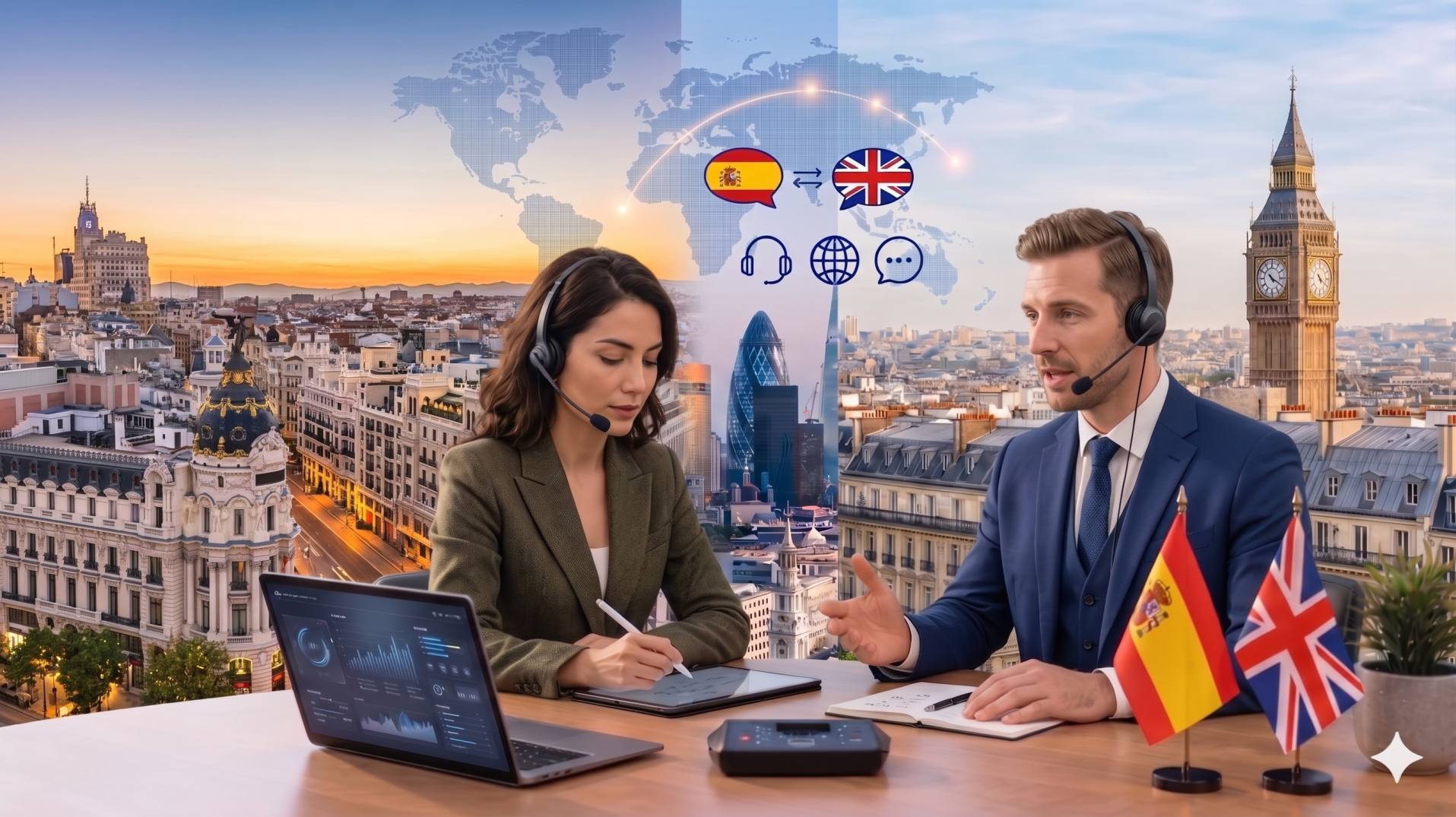
Authoritative Portuguese Interpretation and Translation Services in Norwich
Securing a qualified Portuguese interpreter in Norwich is paramount for effective communication across vital sectors of the UK economy and public services. Whether engaging with His Majesty’s Courts and Tribunals Service (HMCTS), navigating the complexities of the National Health Service (NHS) with trusts such as the Norfolk and Norwich University Hospitals NHS Foundation Trust and the Cambridgeshire Community Services NHS Trust, or facilitating international business dealings, precise linguistic support is non-negotiable. This guide outlines the critical importance of professional Portuguese interpretation and translation services within Norwich’s unique economic and legal landscape, adhering strictly to UK professional standards and institutional frameworks.
Translation vs Interpretation: Understanding the Nuances
While often used interchangeably, translation and interpretation are distinct disciplines requiring different skill sets and methodologies. A Portuguese translator in Norwich works with written text, converting documents, contracts, websites, and official papers from Portuguese to English or vice versa. This process allows for meticulous review, editing, and proofreading to ensure accuracy and fidelity to the original meaning. Conversely, a Portuguese interpreter in Norwich facilitates spoken communication in real-time. This involves understanding, processing, and conveying messages orally, demanding exceptional listening skills, cultural awareness, and the ability to think quickly under pressure. For legal proceedings, medical consultations, or business negotiations, the choice between a translator and an interpreter is dictated by the medium of communication. Professional bodies like the Chartered Institute of Linguists (CIOL) and the National Register of Public Service Interpreters (NRPSI) set rigorous standards for both professions, ensuring that practitioners possess the necessary qualifications and adhere to strict ethical codes. For instance, legal documents submitted to UK courts or immigration authorities must be translated by certified translators, while live court hearings or patient-doctor discussions necessitate the skills of a qualified interpreter.
Legal Defence, Immigration, and Courtroom Interpretation
The UK’s justice system, overseen by His Majesty’s Courts and Tribunals Service (HMCTS), relies heavily on accurate interpretation to ensure fair trials and access to justice for all, irrespective of their language. For individuals who speak Portuguese, accessing legal representation and understanding proceedings within courts such as the Norwich Magistrates’ Court or the County Court at Norwich is impossible without a qualified interpreter. These interpreters must not only be fluent in Portuguese and English but also possess a deep understanding of legal terminology and procedures specific to the UK. The Ministry of Justice mandates stringent qualifications for interpreters working in legal settings, often requiring accreditation from the NRPSI or holding a Diploma in Public Service Interpreting (DPSI) in Law. This ensures impartiality, confidentiality, and adherence to professional standards. Similarly, immigration matters handled by the Home Office and the UK Visas and Immigration (UKVI) require precise interpretation for interviews, appeals, and submissions to the First-tier Immigration Tribunal. A failure to provide adequate interpretation can have severe consequences, potentially leading to miscarriages of justice or the rejection of vital applications. Professional interpreters play a crucial role in upholding the principles of natural justice and ensuring that the rights of Portuguese-speaking individuals within the UK legal framework are protected. The Royal Courts of Justice in London, as well as local courts, depend on a network of accredited professionals to bridge language barriers.
Healthcare and NHS Patient Safety
Patient safety within the NHS is a cornerstone of healthcare delivery in the UK, and effective communication is fundamental to achieving this. For Portuguese-speaking patients receiving care from NHS trusts serving Norwich, such as the Norfolk and Norwich University Hospitals NHS Foundation Trust or community services provided by Cambridgeshire Community Services NHS Trust, access to qualified interpreters is a legal and ethical imperative. The Care Quality Commission (CQC) emphasizes the importance of clear communication in ensuring safe and effective care. NHS England’s Language Access guidelines stipulate that patients have the right to receive information and communicate in their preferred language. Professional interpreters facilitate vital consultations, consent processes, and the explanation of complex medical conditions and treatment plans. They ensure that patients fully understand their diagnosis, the risks and benefits of proposed treatments, and their rights and responsibilities within the healthcare system. Adherence to UK GDPR is also critical, ensuring that patient confidentiality is maintained by all parties involved, including interpreters. The use of untrained bilingual staff or family members as interpreters is strongly discouraged due to the risk of misinterpretation, omission of critical information, and breaches of confidentiality. Professional interpreters, often holding qualifications recognised by the NRPSI or CIOL, are trained to navigate sensitive medical discussions with accuracy and cultural sensitivity, thereby enhancing patient safety and improving health outcomes for the Portuguese-speaking community in Norwich.
Technical Interpretation Modalities
The effective delivery of interpretation services in Norwich spans various modalities, each suited to different contexts and requirements. Consecutive interpretation is commonly used in one-on-one settings, such as medical appointments or legal interviews, where the interpreter speaks after the primary speaker has finished their segment. This allows for a more deliberate and detailed exchange. Simultaneous interpretation, often employed in conferences, large meetings, or courtrooms, requires interpreters to speak almost concurrently with the speaker, using specialised equipment like booths and headsets. This is the most demanding form of interpretation, requiring intense concentration and rapid processing. Escort interpretation is typically used for business meetings, site visits, or social functions, where the interpreter accompanies clients and facilitates communication in a more informal setting. For situations where face-to-face interaction is not feasible, remote interpretation (also known as Video Remote Interpreting – VRI, or Over-the-Phone Interpreting – OPI) offers a flexible solution. This modality leverages technology to connect clients with interpreters via phone or video conferencing platforms. Regardless of the modality, professional interpreters adhere to the standards set by bodies like the International Association of Conference Interpreters (AIIC) and the NRPSI, ensuring accuracy, impartiality, and confidentiality across all forms of communication. The choice of modality depends on the specific needs of the client, the environment, and the desired level of formality and immediacy.
Economic and Social Fabric of Norwich
Norwich, a city with a rich history and a dynamic present, benefits significantly from the linguistic services provided to its diverse population and business community. The presence of skilled Portuguese interpreters and translators facilitates integration and economic participation.
Corporate and Industry
Norwich’s economy is supported by a range of industries, including finance, technology, and advanced manufacturing. For businesses operating internationally or engaging with Portuguese-speaking clients and partners, professional translation and interpretation are essential for contract negotiations, marketing campaigns, technical documentation, and customer support. Access to accurate Portuguese language services can unlock new markets and strengthen existing business relationships, contributing to the city’s economic growth. Companies seeking to expand into Portuguese-speaking markets, or those based in Portugal looking to establish a presence in the UK, can leverage these services to ensure seamless communication and compliance with UK business law.
Tourism
As a popular tourist destination, Norwich attracts visitors from across the globe. Portuguese-speaking tourists benefit from accessible information and services when key materials, such as visitor guides, hotel information, and cultural heritage site descriptions, are available in their language. Interpreters can also assist in hospitality settings, enhancing the visitor experience and encouraging repeat tourism. This linguistic support contributes to Norwich’s reputation as a welcoming and accessible city for international travellers.
Legal Infrastructure
Norwich boasts a robust legal sector, with numerous law firms specialising in various areas of practice. For these firms, engaging with Portuguese-speaking clients requires professional interpretation and translation services. Whether assisting individuals with immigration matters, family law, or commercial disputes, qualified interpreters ensure that legal advice is understood and that court proceedings are accessible. The availability of accredited interpreters from bodies like the NRPSI is crucial for maintaining the integrity of the legal process and upholding access to justice for the Portuguese-speaking community within Norwich’s jurisdiction, serving HMCTS and other legal bodies.
NHS Healthcare
The healthcare system in Norwich, primarily served by the Norfolk and Norwich University Hospitals NHS Foundation Trust and various community health services, relies on effective communication to ensure patient well-being. Portuguese-speaking patients must have equitable access to healthcare services. Professional interpreters facilitate doctor-patient consultations, explain treatment options, and ensure informed consent, thereby enhancing patient safety and satisfaction. This commitment to linguistic accessibility aligns with the principles of the NHS and the standards set by the CQC, ensuring that all residents receive high-quality care regardless of their language.
Local Infrastructure and Transport
Norwich is well-connected, with a comprehensive transport network that includes road, rail, and local bus services. The city is served by Norwich International Airport, facilitating international travel, and has a main railway station providing links across the UK. For Portuguese-speaking residents and visitors, understanding public transport information, booking tickets, and navigating travel can be simplified with accessible information in their language. Professional translation of transport schedules, safety notices, and customer service materials contributes to ease of movement and integration within the city. Interpreters can also assist in situations requiring communication with transport authorities or emergency services, ensuring safety and efficiency for all users of Norwich’s infrastructure.
Conclusion
In conclusion, the demand for professional Portuguese interpreter in Norwich services is integral to the city’s functioning across legal, healthcare, business, and social spheres. Adherence to UK professional standards, exemplified by bodies like the NRPSI and CIOL, ensures that these services are delivered with the accuracy, confidentiality, and cultural sensitivity required. Whether you are a legal professional requiring certified interpretation for court proceedings, an NHS trust ensuring patient safety, or a business seeking to expand its reach, investing in qualified Portuguese language support is a strategic imperative. We provide expert, reliable interpretation and translation services tailored to the specific needs of Norwich and its surrounding areas, guaranteeing clear and effective communication for all your professional requirements.