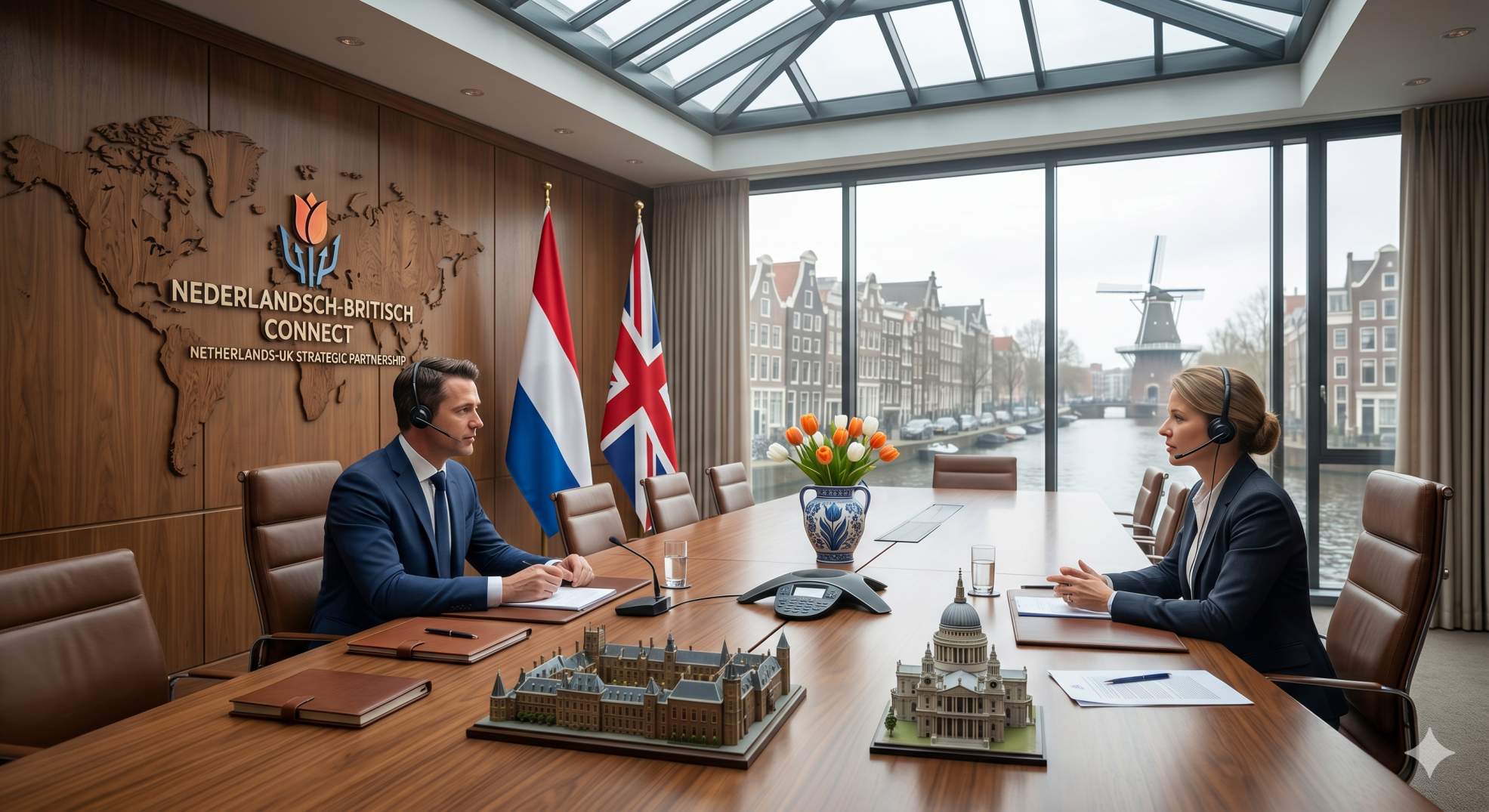
Securing a qualified Portuguese interpreter in Nottingham is paramount for effective communication across a multitude of critical sectors within the UK. Whether navigating the complexities of His Majesty’s Courts and Tribunals Service (HMCTS), ensuring patient safety within the National Health Service (NHS) via trusts such as Nottingham University Hospitals NHS Trust and Nottinghamshire Healthcare NHS Foundation Trust, or facilitating business interactions, the need for linguistic precision and cultural understanding is non-negotiable. This service is vital for individuals and organisations operating within Nottingham and the wider East Midlands, bridging language barriers and upholding professional standards in legal, medical, and commercial environments.
Translation vs Interpretation: Understanding the Nuances
While often used interchangeably, translation and interpretation are distinct linguistic disciplines, each requiring specialised skills and qualifications. Interpretation involves the real-time, oral rendition of spoken or signed language from one language to another. This is crucial in live settings such as courtrooms, medical appointments, or business meetings. A professional Portuguese translator in Nottingham, conversely, works with written texts, converting documents, websites, or other written materials from Portuguese to English or vice versa. The skills required for each are different; interpreters need exceptional short-term memory, public speaking abilities, and the capacity to think on their feet, while translators require deep understanding of written grammar, style, and subject-specific terminology. For legal and medical contexts in the UK, the distinction is critical, as specific accreditations and professional bodies govern each field. For instance, legal interpreters often need to be registered with the National Register of Public Service Interpreters (NRPSI) or hold a Diploma in Public Service Interpreting (DPSI), demonstrating their competence in public service settings, including legal and healthcare environments. The demand for a skilled Portuguese translator in Nottingham is also significant for businesses expanding into Portuguese-speaking markets or for local enterprises seeking to engage with the Portuguese-speaking community through written communications.
Legal Defence, Immigration, and Courtroom Interpretation
The UK’s justice system relies heavily on accurate communication, particularly in criminal and civil proceedings. For Portuguese speakers involved in legal matters, access to qualified interpreters is a fundamental right, ensuring a fair trial and due process under UK law. His Majesty’s Courts and Tribunals Service (HMCTS) mandates the use of accredited interpreters for individuals who do not speak English fluently. This includes proceedings in Magistrates’ Courts, Crown Courts, the County Court, and tribunals such as the First-tier Tribunal (Immigration and Asylum Chamber). A professional Portuguese interpreter in Nottingham plays a pivotal role in these settings, facilitating communication between judges, barristers, solicitors, witnesses, and defendants. Their impartiality and adherence to strict codes of conduct, often governed by bodies like the NRPSI, are essential for maintaining the integrity of the legal process. The interpreter must convey not only the literal meaning but also the tone and intent of the speaker, ensuring no nuance is lost. This is particularly critical in immigration cases, where precise understanding of statements and evidence is vital for applications and appeals handled by the Home Office and UK Visas and Immigration (UKVI). Solicitors in Nottingham and across the UK regularly engage interpreters for client consultations, police station interviews, and court appearances, underscoring the indispensable nature of this service. Professional standards are rigorously upheld, with interpreters expected to possess qualifications such as the DPSI or equivalent, demonstrating their proficiency in legal terminology and procedures specific to the UK legal framework. The Royal Courts of Justice in London, as well as local courts, all adhere to these stringent requirements, ensuring that language is never a barrier to justice.
Healthcare and NHS Patient Safety
Patient safety and effective care within the NHS are directly impacted by the ability of healthcare professionals to communicate clearly with patients. For the Portuguese-speaking population in Nottingham, accessing healthcare services requires reliable interpretation to ensure accurate diagnosis, treatment, and informed consent. NHS trusts are legally and ethically bound to provide interpretation services to patients who require them, in line with NHS England’s Language Access guidelines and the principles of the UK GDPR. This ensures that all patients, regardless of their linguistic background, receive equitable care. Nottingham University Hospitals NHS Trust and Nottinghamshire Healthcare NHS Foundation Trust, like all NHS providers, have protocols in place to book qualified interpreters for appointments, consultations, and hospital stays. The Care Quality Commission (CQC) also emphasizes effective communication as a key aspect of high-quality care. A professional Portuguese interpreter in Nottingham working within the NHS must not only be linguistically competent but also understand the specific terminology and protocols of the healthcare system. They act as a vital link, enabling patients to express their symptoms, understand medical advice, and participate actively in their own care. Misunderstandings due to language barriers can lead to serious consequences, including incorrect medication, delayed treatment, and patient dissatisfaction. Therefore, the engagement of NRPSI-registered or similarly qualified interpreters is crucial for maintaining patient safety and upholding the standards of care expected within the UK’s National Health Service. The confidentiality and professional conduct expected of these interpreters are paramount, mirroring the trust placed in all healthcare professionals.
Technical Interpretation Modalities
The effective delivery of interpretation services hinges on selecting the appropriate modality for the specific situation. In Nottingham, as elsewhere in the UK, several technical interpretation methods are employed, each suited to different contexts and communication needs. Consecutive interpretation is commonly used in one-on-one settings, such as doctor’s appointments or legal consultations, where the interpreter listens to a segment of speech, renders it into the target language, and then waits for the speaker to continue. Simultaneous interpretation, often seen in conferences, large meetings, or courtroom proceedings, involves the interpreter speaking almost concurrently with the source speaker, typically using specialised equipment like booths and headsets. This requires a high degree of concentration and skill. Escort interpretation (also known as liaison interpretation) facilitates communication in more informal settings, such as business negotiations, site visits, or social events, where the interpreter acts as a cultural and linguistic bridge between parties. Finally, remote interpretation, including telephone interpreting (OPI) and video remote interpreting (VRI), has become increasingly prevalent, offering flexibility and rapid access to interpreters for various situations, from quick phone calls to scheduled video consultations. The choice of modality depends on factors such as the number of participants, the formality of the setting, the technical requirements, and the urgency of the communication. For businesses and public services in Nottingham, understanding these options ensures they can deploy the most efficient and effective interpretation solution, whether for a formal HMCTS hearing, an NHS patient interaction, or a crucial business negotiation.
Economic and Social Fabric of Nottingham
Nottingham, a city with a rich industrial heritage and a dynamic modern economy, benefits significantly from the linguistic services provided by professional Portuguese interpreters and translators. The city’s diverse economic landscape necessitates seamless communication for both local businesses and international engagement.
Corporate and Industry
Nottingham boasts a strong presence in sectors such as advanced manufacturing, life sciences, and digital technologies. Companies operating in these fields often engage with Portuguese-speaking markets for trade, investment, or supply chain management. A professional Portuguese interpreter in Nottingham is indispensable for facilitating business meetings, contract negotiations, and technical discussions, ensuring that UK standards of business practice and contractual agreements are clearly understood and adhered to. This linguistic support fosters stronger international business relationships and contributes to the city’s economic growth. Furthermore, as UK businesses increasingly look to global markets, the ability to communicate effectively in Portuguese opens doors to significant opportunities in Brazil, Portugal, and other Portuguese-speaking nations.
Tourism
As a city with a vibrant cultural scene, historical landmarks like Nottingham Castle, and a growing reputation for its hospitality sector, tourism is a key economic driver. Portuguese-speaking tourists contribute to this sector, and providing them with accessible information and services in their native language enhances their experience. Local hotels, attractions, and retail outlets can leverage translation services for marketing materials and websites, and interpretation services for direct customer interaction, thereby attracting a broader range of international visitors and boosting revenue for the city’s tourism industry.
Legal Infrastructure
Nottingham’s robust legal sector, serving the city and the wider East Midlands, requires skilled interpreters to ensure access to justice for its Portuguese-speaking residents and visitors. Law firms specialising in immigration, family law, and commercial litigation frequently require the services of accredited Portuguese interpreters for client meetings, court appearances before HMCTS, and document review. The availability of such professionals ensures that legal proceedings are fair and transparent, upholding the principles of UK law and contributing to the city’s reputation as a centre for legal excellence. The presence of qualified interpreters is also crucial for organisations dealing with international legal matters or cross-border disputes.
NHS Healthcare
The National Health Service in Nottingham, encompassing major providers like Nottingham University Hospitals NHS Trust and Nottinghamshire Healthcare NHS Foundation Trust, serves a diverse population. The Portuguese-speaking community relies on accurate communication with healthcare professionals to receive timely and effective medical care. Professional interpreters are essential for consultations, patient education, and ensuring informed consent, thereby supporting the NHS’s commitment to equitable healthcare delivery and patient safety, in line with CQC standards and UK GDPR requirements.
Local Infrastructure and Transport
Nottingham benefits from a well-developed infrastructure that supports both its residents and its economic activities. The city’s transport network, including East Midlands Railway services connecting to major UK cities, extensive bus routes, and the Nottingham Express Transit (NET) tram system, facilitates movement across the urban area and beyond. For Portuguese speakers, clear signage, information in public transport hubs, and communication with transport providers are essential for navigating the city. Professional interpretation and translation services play a role in ensuring that information is accessible, whether through translated travel guides, multilingual customer service support, or interpreters assisting individuals in accessing transport for work, medical appointments, or legal obligations. This local infrastructure, coupled with accessible language services, ensures that Nottingham remains an inclusive and functional city for all its inhabitants and visitors.
In conclusion, the provision of expert Portuguese interpreter in Nottingham services is a cornerstone of effective communication and equitable access across critical sectors. From the solemnity of HMCTS courtrooms and the vital care provided by the NHS trusts serving Nottingham, to the dynamic needs of its corporate and tourism industries, professional linguistic support ensures that language barriers are overcome, upholding UK legal and professional standards. Engaging certified interpreters and translators is not merely a matter of convenience but a necessity for ensuring fairness, safety, and successful outcomes in an increasingly interconnected world.