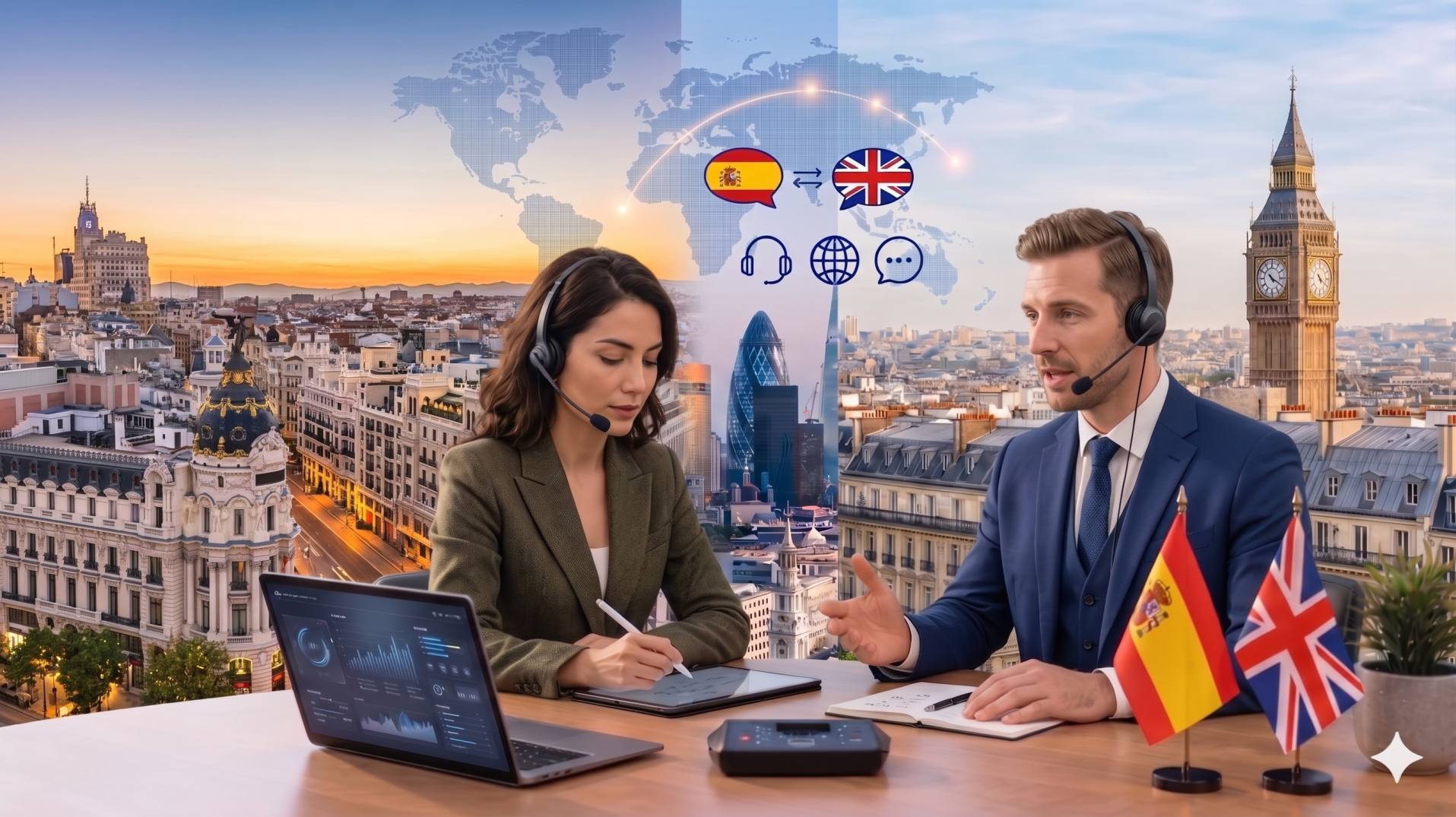
Securing a qualified Portuguese interpreter in Rochdale is paramount for effective communication across a multitude of vital sectors within the UK’s professional landscape. Whether navigating the complexities of His Majesty’s Courts and Tribunals Service (HMCTS), ensuring patient safety within the National Health Service (NHS), or facilitating international business dealings, the need for precise and culturally attuned linguistic support cannot be overstated. Rochdale, a vibrant town with a growing diverse population, relies heavily on skilled interpreters to bridge language divides, ensuring equitable access to justice, healthcare, and essential public services. This is particularly true for the Portuguese-speaking community, whose integration and access to services are significantly enhanced by the availability of professional interpreters. The local NHS trusts serving Rochdale, such as the Northern Care Alliance NHS Group (https://www.northerncare.nhs.uk/) and the Pennine Care NHS Foundation Trust (https://www.penninecare.nhs.uk/), are committed to providing language assistance in line with NHS England’s Language Access guidelines, ensuring that all patients, regardless of their linguistic background, receive the highest standard of care. This commitment extends to all public services, underscoring the critical role of professional interpreters in the fabric of Rochdale and the wider UK economy.
Translation vs Interpretation
Understanding the distinction between translation and interpretation is fundamental when seeking linguistic services. While both involve the transfer of meaning from one language to another, they are distinct disciplines requiring different skill sets and methodologies. Interpretation is the real-time, spoken rendition of a message from one language into another. This requires immediate comprehension, accurate recall, and fluent delivery, often under pressure and with minimal preparation. A Portuguese interpreter in Rochdale must possess not only linguistic proficiency but also a deep understanding of cultural nuances, idiomatic expressions, and the specific terminology relevant to the context, be it legal, medical, or commercial. Conversely, translation deals with the written word. A Portuguese translator in Rochdale works with documents, converting written text from one language to another. This process allows for more time for research, editing, and proofreading, ensuring a high degree of accuracy and fidelity to the source material. For legal documents, technical manuals, or marketing materials, translation is the appropriate service. For live interactions such as court hearings, medical appointments, or business meetings, interpretation is essential. Professional bodies like the National Register of Public Service Interpreters (NRPSI) and the Chartered Institute of Linguists (CIOL) set rigorous standards for both professions, ensuring that practitioners are qualified and adhere to strict ethical codes of conduct.
Legal Defence, Immigration, and Courtroom Interpretation
The administration of justice in the UK is built upon the principle of fairness and equal access to legal processes. For individuals who do not speak English fluently, the availability of qualified Portuguese interpreters is not merely a convenience but a fundamental right. His Majesty’s Courts and Tribunals Service (HMCTS) mandates the provision of interpreters in all proceedings where a party or witness requires language assistance. This ensures that individuals can understand the charges or proceedings against them, present their case effectively, and participate fully in the legal process. The role of a Portuguese interpreter in UK courts, including those under the purview of HMCTS, is critical. They must remain impartial, accurately convey spoken words without omission or addition, and possess a thorough understanding of legal terminology and procedures. Professional interpreters often hold qualifications such as the Diploma in Public Service Interpreting (DPSI) or are registered with the NRPSI, signifying their competence and adherence to a strict code of professional conduct. This is vital in cases ranging from criminal defence to family law and civil disputes. Furthermore, in immigration matters, the UK Visas and Immigration (UKVI) service and the First-tier Immigration Tribunal rely heavily on accurate interpretation. Whether during interviews with UKVI officials or during tribunal hearings, a Portuguese interpreter ensures that the applicant’s circumstances and arguments are clearly understood, contributing to fair and just outcomes. The integrity of the UK legal system depends on the accuracy and impartiality of these linguistic professionals, making the engagement of NRPSI-registered or DPSI-qualified interpreters a non-negotiable requirement for legal professionals and government bodies.
Healthcare and NHS Patient Safety
Patient safety and effective communication are cornerstones of the National Health Service (NHS) in the UK. For Portuguese-speaking patients in Rochdale, accessing healthcare services without linguistic barriers is crucial for receiving accurate diagnoses, understanding treatment plans, and providing informed consent. The NHS is committed to adhering to the NHS England Language Access guidelines, which stipulate the provision of competent interpreters for patients who require them. This ensures that communication breakdowns, which can lead to serious medical errors, are minimised. The Care Quality Commission (CQC) also emphasises effective communication as a key aspect of high-quality care. A professional Portuguese interpreter working within the NHS must not only be linguistically proficient but also understand medical terminology, ethical considerations, and the sensitive nature of healthcare interactions. They play a vital role in facilitating consultations between doctors and patients, explaining complex medical information, and ensuring that patients feel heard and understood. Compliance with UK GDPR is also paramount, as interpreters handle highly sensitive personal health information. The use of unqualified or untrained interpreters, such as family members, can lead to inaccuracies, breaches of confidentiality, and a compromised patient experience. Therefore, NHS trusts and healthcare providers in Rochdale must engage certified public service interpreters who are registered with bodies like the NRPSI or hold equivalent qualifications, guaranteeing a professional and confidential service that upholds the highest standards of patient care and safety. The Northern Care Alliance NHS Group and Pennine Care NHS Foundation Trust, serving Rochdale, are integral to this commitment, working to ensure that language is never a barrier to receiving excellent medical attention.
Technical Interpretation Modalities
The effective delivery of interpretation services in Rochdale, particularly for professional settings, often requires understanding and deploying various technical modalities. The choice of modality depends heavily on the context, the number of participants, and the desired level of immediacy. Consecutive interpretation is perhaps the most common, where the interpreter listens to a segment of speech, waits for the speaker to pause, and then renders the message in the target language. This is suitable for one-on-one meetings, small group discussions, and medical appointments where direct interaction is key. Simultaneous interpretation, on the other hand, involves rendering the message in the target language almost as the speaker is speaking, with only a few seconds’ delay. This requires specialised equipment, such as soundproof booths, headphones, and microphones, and is typically used in large conferences, international summits, and parliamentary sessions where real-time communication is essential. For business travel or accompanying clients to various appointments, escort interpretation is employed. The interpreter travels with the client, facilitating communication in a variety of settings, from factory visits to social events. In recent years, remote interpretation (also known as tele-interpretation or video remote interpretation – VRI) has gained significant traction. Utilising secure online platforms, interpreters can connect with clients anywhere in the world, offering a flexible and often cost-effective solution for situations where in-person attendance is not feasible. This modality is increasingly used in legal settings, business calls, and even some healthcare consultations, provided that the technology and connection are reliable and secure, adhering to UK data protection standards. Each modality requires a distinct skill set and preparation, and professional interpreters must be adept at deploying the most appropriate technique to ensure seamless communication.
Economic and Social Fabric of Rochdale
Rochdale’s economic and social landscape is increasingly diverse, reflecting the broader multicultural reality of the UK. The Portuguese-speaking community contributes significantly to this vibrancy, impacting various sectors and enriching the local community. Understanding these contributions highlights the importance of accessible linguistic services.
Corporate and Industry
Rochdale’s industrial heritage is evolving, with new businesses and sectors emerging. Portuguese-speaking entrepreneurs and workers are part of this economic dynamism. Whether establishing new ventures, engaging in trade with Portuguese-speaking countries, or participating in the local workforce, clear communication is vital. Professional Portuguese interpreters and translators facilitate business negotiations, contract agreements, marketing efforts, and internal communications, ensuring that UK businesses can operate effectively in a globalised market and that all members of the workforce can contribute to their full potential. The presence of skilled Portuguese speakers in the local economy supports international trade and investment, fostering economic growth for Rochdale and the surrounding regions. Professional bodies like the Institute of Translation and Interpreting (ITI) and the Association of Translation Companies (ATC) in the UK play a role in maintaining standards within the commercial translation and interpretation sector.
Tourism
While Rochdale may not be a primary international tourist destination, it attracts visitors from across the UK and, increasingly, from overseas. Portuguese-speaking tourists may visit for cultural heritage sites, family reasons, or business. Providing information and services in Portuguese, through translated materials or interpreters, enhances the visitor experience and promotes local businesses. This can range from translated visitor guides to interpretation services for local events or heritage tours. A welcoming approach, facilitated by language services, can encourage repeat visits and positive word-of-mouth, indirectly benefiting the local economy.
Legal Infrastructure
The legal landscape in Rochdale, as across the UK, requires robust interpretation services. Local law firms, solicitors, and barristers frequently encounter clients and witnesses who speak Portuguese. Accurate interpretation is essential for client consultations, evidence gathering, and courtroom representation. The reliable availability of qualified Portuguese interpreters ensures that the principles of natural justice are upheld, and that all individuals have access to legal advice and representation, regardless of their language proficiency. This underpins the functioning of the local legal infrastructure and its ability to serve the entire community. The adherence to standards set by the NRPSI and the requirements of HMCTS are critical in this domain.
NHS Healthcare
As previously detailed, the NHS is a critical service for all residents of Rochdale. The Portuguese-speaking population relies on the healthcare system for everything from routine check-ups to emergency care. The commitment of NHS trusts like the Northern Care Alliance NHS Group and Pennine Care NHS Foundation Trust to providing language access is vital. Professional Portuguese interpreters ensure that patients can communicate their symptoms accurately, understand diagnoses and treatment options, and provide informed consent. This not only improves health outcomes but also builds trust between patients and healthcare providers, fostering a more inclusive healthcare environment. The standards promoted by NHS England and overseen by the CQC are paramount in ensuring equitable access to care.
Local Infrastructure and Transport
Rochdale benefits from a developing local infrastructure that supports its residents and businesses. The town is served by a network of transport links, including road and rail, connecting it to Greater Manchester and beyond. For businesses requiring interpretation services, accessibility is key. Whether for meetings at local business premises, attending events at the conference centres, or interacting with local government services, the ease of access to professional interpreters, including remote options, is crucial. Public transport networks, such as those managed by Transport for Greater Manchester (TfGM), ensure that individuals can reach appointments and services efficiently. For Portuguese-speaking individuals navigating these services, whether for personal or professional reasons, the availability of translated information or interpretation can significantly ease their experience. The integration of language services into the broader infrastructure planning ensures that Rochdale remains an accessible and welcoming place for its diverse population and for businesses operating within it.
Conclusion
In conclusion, the demand for a skilled and reliable Portuguese interpreter in Rochdale is a critical component of the town’s professional and social infrastructure. From ensuring access to justice within HMCTS proceedings and safeguarding patient well-being in NHS healthcare settings, to facilitating international business and supporting community integration, the role of professional interpreters is indispensable. Engaging NRPSI-registered or DPSI-qualified interpreters guarantees accuracy, impartiality, and adherence to the highest professional standards mandated across the UK. For law firms, NHS trusts, government agencies, and corporations seeking to bridge linguistic divides, investing in professional Portuguese interpretation and translation services is not merely a compliance requirement but a strategic imperative for effective communication, operational efficiency, and equitable service delivery. We are committed to providing expert linguistic solutions that empower communication and foster understanding within Rochdale and across the United Kingdom.