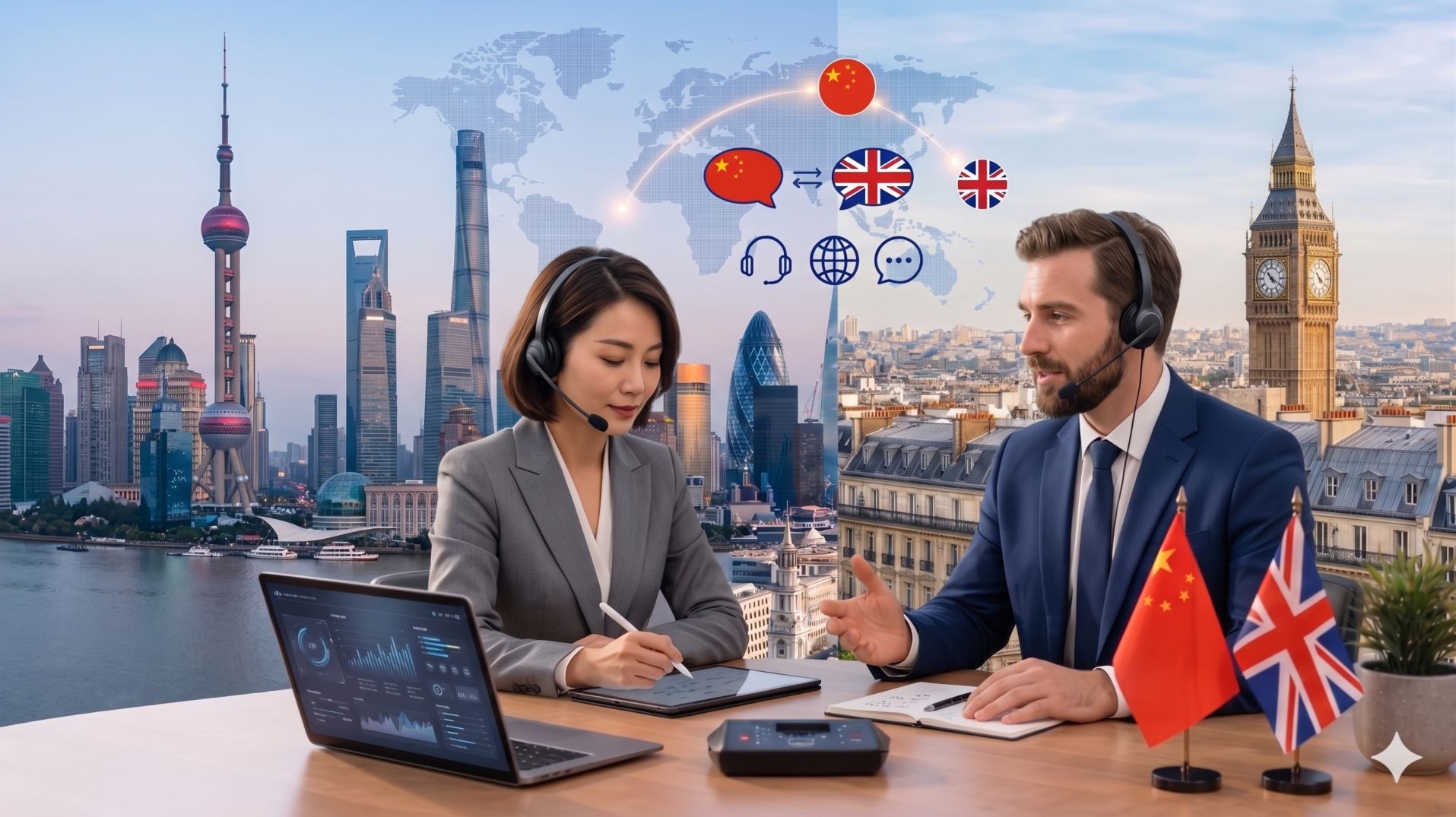
Securing reliable and accurate Punjabi interpretation services in Tameside is paramount for effective communication across diverse sectors, from legal proceedings to critical healthcare interactions. For residents and businesses in Tameside, accessing qualified interpreters ensures that language barriers do not impede access to justice, essential medical care, or vital public services. This is particularly crucial when dealing with institutions such as the Tameside and Glossop Integrated Care NHS Foundation Trust and the Salford Royal NHS Foundation Trust, both of which serve the Tameside area and rely on professional language support to uphold patient safety and dignity. Understanding the nuances of professional interpretation and translation is the first step towards ensuring seamless communication within the UK’s robust regulatory and service frameworks.
Translation vs Interpretation
While often used interchangeably, translation and interpretation are distinct disciplines, each requiring specialised skills and adherence to professional standards. Interpretation involves the real-time, oral conversion of spoken language from one language to another, demanding immediate comprehension, accurate recall, and fluent delivery. This is critical in live environments such as courtrooms, medical consultations, or business meetings. A professional Punjabi interpreter in Tameside must possess not only linguistic proficiency but also a deep understanding of cultural contexts and the specific terminology relevant to the situation. Conversely, translation deals with the written word, converting documents, texts, and other written materials from one language to another. This process allows for more time for research, review, and refinement to ensure accuracy and fidelity to the source material. For businesses and legal professionals in Tameside, engaging a qualified Punjabi translator for official documents, contracts, or legal filings is as vital as securing an interpreter for spoken interactions. Both services are governed by professional bodies and standards within the UK, ensuring quality and ethical practice. The Chartered Institute of Linguists (CIOL) and the National Register of Public Service Interpreters (NRPSI) set benchmarks for professional conduct and qualifications for linguists operating in the UK.
Legal Defence, Immigration, and Courtroom Interpretation
The UK’s legal system is built on the principle of access to justice for all, irrespective of their linguistic background. For individuals who speak Punjabi, navigating the complexities of UK law requires the assistance of highly skilled and accredited interpreters. His Majesty’s Courts and Tribunals Service (HMCTS) mandates that all parties involved in legal proceedings have access to qualified interpreters to ensure fair trials and accurate understanding of proceedings. This applies to criminal courts, civil courts, family courts, and various tribunals under the HMCTS umbrella. Professional Punjabi interpreters working within this sphere must often hold qualifications recognised by bodies like the NRPSI or the Diploma in Public Service Interpreting (DPSI), demonstrating their competence in legal terminology and ethical conduct. The His Majesty’s Courts and Tribunals Service (HMCTS) provides guidance on the use of interpreters, underscoring the importance of impartiality and accuracy. In immigration matters, the UK Visas and Immigration (UKVI), part of the Home Office, requires precise communication during interviews and for the submission of documentation. Punjabi interpreters play a crucial role in assisting individuals through the asylum process, visa applications, and appeals before the First-tier Immigration Tribunal. Ensuring that interpreters are registered with recognised bodies like the NRPSI guarantees that they adhere to strict codes of conduct, including confidentiality and impartiality, which are fundamental to the integrity of the UK justice system. Law firms in Tameside and across the UK frequently require the services of Punjabi interpreters for client consultations, police station interviews, and court appearances, making accredited interpreters an indispensable part of legal defence and representation.
Healthcare and NHS Patient Safety
Patient safety and effective communication are cornerstones of the National Health Service (NHS). In Tameside, where a diverse population includes many Punjabi speakers, the need for professional Punjabi medical interpreters is critical. The Care Quality Commission (CQC), the independent regulator of health and social care in England, emphasises the importance of effective communication in ensuring high-quality care and patient safety. Language barriers can lead to misdiagnosis, incorrect treatment, medication errors, and a breakdown in the patient-clinician relationship. Therefore, NHS trusts serving Tameside, such as the Tameside and Glossop Integrated Care NHS Foundation Trust, must ensure that qualified interpreters are readily available for consultations, hospital admissions, and discharge planning. NHS England’s Language Access guidelines mandate that patients have the right to receive information and communicate in their preferred language. This includes providing interpreters for appointments with GPs, specialists, and during emergency care. Professional Punjabi medical interpreters must not only be linguistically competent but also possess an understanding of medical terminology, cultural sensitivities, and the ethical obligations under UK law, including UK GDPR regarding patient confidentiality. The NHS Business Services Authority also plays a role in supporting language services within the NHS. Engaging interpreters who are registered with bodies like the NRPSI or hold the DPSI qualification ensures that healthcare providers in Tameside meet their legal and ethical obligations, fostering trust and improving health outcomes for Punjabi-speaking patients.
Technical Interpretation Modalities
Effective communication in professional settings often requires different modes of interpretation, tailored to the specific context and requirements of the interaction. For Punjabi interpretation services in Tameside, understanding these modalities ensures that the most appropriate service is deployed. Consecutive interpretation is used when a speaker pauses to allow the interpreter to convey the message in the target language. This is common in one-on-one meetings, doctor’s appointments, or smaller group discussions where detailed, turn-by-turn communication is needed. Simultaneous interpretation involves the interpreter speaking almost concurrently with the source speaker, typically using specialised equipment like booths and headsets. This is essential for large conferences, international summits, or parliamentary sessions where real-time communication is paramount to maintain the flow of information. For Punjabi speakers attending such events in the UK, simultaneous interpreters ensure full participation. Escort interpretation, also known as liaison interpretation, facilitates communication between two or more parties who speak different languages during informal settings, such as business negotiations, site visits, or social events. The interpreter acts as a bridge, ensuring smooth dialogue and cultural understanding. Finally, remote interpretation, including telephone interpreting (OPI) and video remote interpreting (VRI), has become increasingly prevalent. This modality allows for immediate access to interpreters regardless of geographical location, proving invaluable for urgent situations or when in-person interpreters are not readily available. Professional agencies in the UK offer all these interpretation modes, ensuring that clients can select the service best suited to their needs, whether for a legal deposition, an NHS consultation, or a corporate presentation.
Economic and Social Fabric of Tameside
Tameside, a borough in Greater Manchester, possesses a dynamic economic and social landscape shaped by its industrial heritage and evolving contemporary industries. The presence of a significant Punjabi-speaking community contributes to the rich cultural tapestry and economic vitality of the region. Effective communication, facilitated by professional Punjabi interpreters and translators, is essential for integrating this community into all facets of local life and commerce.
Corporate and Industry
Tameside’s economy is diverse, encompassing manufacturing, retail, and a growing service sector. Businesses operating in Tameside, whether local enterprises or multinational corporations with a presence in the area, benefit from clear communication with their workforce, clients, and suppliers. For companies that engage with Punjabi-speaking employees or customers, professional Punjabi translation services are vital for ensuring clarity in contracts, marketing materials, employee handbooks, and internal communications. This fosters a more inclusive and productive work environment, aligning with UK employment law and best practices. The Greater Manchester Combined Authority supports economic development across the region, and facilitating multilingual communication is a key component of inclusive growth.
Tourism
While Tameside is not primarily known as a major tourist destination, it offers historical sites and natural beauty that attract visitors. For tourism businesses, providing information and services in multiple languages, including Punjabi, can enhance the visitor experience. This includes translating promotional materials, website content, and providing interpretation services for guided tours or at visitor centres. Ensuring that all visitors feel welcome and can access information easily contributes to the reputation of Tameside as an accessible and hospitable location.
Legal Infrastructure
Tameside benefits from a well-established legal infrastructure, including local law firms and access to courts and tribunals. For legal practitioners in Tameside, the ability to engage qualified Punjabi interpreters is crucial for serving clients who require legal representation. This ensures that individuals can fully understand their rights and obligations, participate effectively in legal processes, and receive fair treatment within the UK’s justice system, overseen by HMCTS. The availability of accredited Punjabi interpreters supports the principle of equal access to justice.
NHS Healthcare
The National Health Service is a vital institution in Tameside, with the Tameside and Glossop Integrated Care NHS Foundation Trust providing essential healthcare services. For the Punjabi-speaking population in Tameside, access to qualified medical interpreters is non-negotiable for receiving safe and effective care. This ensures that patients can communicate their symptoms accurately, understand diagnoses and treatment plans, and provide informed consent, all in accordance with CQC standards and UK GDPR principles. The availability of professional Punjabi medical interpreters is a key factor in achieving equitable health outcomes.
Local Infrastructure and Transport
Tameside is well-connected within the Greater Manchester region and beyond, supported by a network of local infrastructure and transport links. The borough is served by several railway stations, including those in Ashton-under-Lyne, Stalybridge, and Hyde, providing access to Manchester city centre and other major hubs. Road networks, including the M60 orbital motorway, facilitate travel throughout the North West. Public transport services, managed by Transport for Greater Manchester (TfGM), include bus routes connecting various parts of Tameside and linking to wider regional networks. For businesses and individuals requiring interpretation services, the accessibility of Tameside via these transport links ensures that professional Punjabi interpreters can reach their required locations efficiently, whether for on-site assignments or to meet clients arriving from elsewhere. This robust infrastructure supports the seamless operation of professional services, including language support, across the borough and the wider UK.
In conclusion, the demand for professional Punjabi interpretation services in Tameside is significant and multifaceted, underpinning effective communication across critical sectors. From ensuring fair justice within HMCTS proceedings and facilitating clear immigration processes with the Home Office, to guaranteeing patient safety in NHS hospitals like the Tameside and Glossop Integrated Care NHS Foundation Trust, and supporting business operations, the role of qualified interpreters is indispensable. Engaging accredited professionals who adhere to UK standards, such as those set by the NRPSI, ensures accuracy, confidentiality, and cultural sensitivity. If your organisation requires expert Punjabi interpretation services in Tameside, partnering with a reputable provider is a strategic investment in clear communication and successful outcomes.
Additional Local Resources
- Tameside Metropolitan Borough Council
- Tameside and Glossop Integrated Care NHS Foundation Trust
- Greater Manchester Combined Authority
- His Majesty’s Courts and Tribunals Service (HMCTS)
- UK Visas and Immigration (UKVI)
- National Register of Public Service Interpreters (NRPSI)
- Care Quality Commission (CQC)
- Transport for Greater Manchester (TfGM)