
Securing a qualified Punjabi interpreter in Wigan is paramount for effective communication across diverse sectors, from legal proceedings to critical healthcare interactions. Wigan, a town with a rich industrial heritage and a growing professional services landscape, benefits significantly from accessible, high-quality interpretation services. This is particularly true for individuals and organisations interacting with the UK’s robust legal and healthcare systems. For instance, residents and professionals in Wigan are served by key NHS trusts such as Bolton NHS Foundation Trust and Wrightington, Wigan and Leigh Teaching Hospitals NHS Foundation Trust, both of which rely on accurate language services to ensure patient safety and equitable care. This document outlines the critical role of professional Punjabi interpretation and translation services within the specific context of Wigan, adhering strictly to UK professional standards and institutional frameworks.
Translation vs Interpretation
Understanding the distinction between translation and interpretation is fundamental when seeking language support. While both involve conveying meaning from one language to another, they are distinct disciplines requiring different skill sets and methodologies. Interpretation is the live, spoken rendering of a message from one language into another. This can occur simultaneously (as in conferences or courtrooms, where the interpreter speaks almost concurrently with the source speaker) or consecutively (where the interpreter waits for the speaker to pause before relaying the message). A professional Punjabi translator in Wigan, conversely, works with written text, converting documents, reports, or websites from Punjabi to English or vice versa. The accuracy and nuance required for both roles are substantial, but the pressure and immediacy of live interpretation demand a unique set of cognitive abilities and training. For legal or medical contexts, the choice between a translator and an interpreter is dictated by the medium of communication – spoken for interpretation, written for translation. Both services are vital for the Wigan community, ensuring that language barriers do not impede access to justice, healthcare, or business opportunities. The professional standards for interpreters are often governed by bodies like the National Register of Public Service Interpreters (NRPSI), ensuring a benchmark of quality and ethical conduct.
Legal Defence, Immigration, and Courtroom Interpretation
The administration of justice in the UK is a cornerstone of its democratic society, and access to justice for all, regardless of language, is a fundamental right. For individuals who speak Punjabi, navigating the complexities of the UK legal system requires the assistance of highly skilled and accredited interpreters. This is particularly relevant in Wigan, where cases may pass through His Majesty’s Courts and Tribunals Service (HMCTS) facilities. Whether dealing with criminal defence, civil litigation, family law matters, or immigration appeals, the role of a Punjabi interpreter is indispensable. These interpreters must possess not only linguistic fluency but also a deep understanding of legal terminology, courtroom etiquette, and the strict ethical codes mandated by professional bodies. The Home Office, through its UK Visas and Immigration (UKVI) department, frequently requires certified Punjabi interpreters for interviews and asylum claims. The First-tier Tribunal (Immigration and Asylum Chamber) also relies heavily on accurate interpretation to ensure fair hearings. Professional interpreters often hold qualifications such as the Diploma in Public Service Interpreting (DPSI), which signifies a high level of competence in legal settings. Membership with the NRPSI or adherence to their standards ensures that interpreters are vetted for their qualifications, experience, and professional conduct. In Wigan, legal professionals, including solicitors and barristers, must engage interpreters who meet these stringent UK requirements to guarantee the integrity of legal proceedings and the rights of their Punjabi-speaking clients. Failure to provide adequate interpretation can lead to miscarriages of justice, underscoring the critical importance of engaging qualified professionals for all court appearances, police interviews, and legal consultations.
Healthcare and NHS Patient Safety
Patient safety and equitable access to healthcare are paramount within the National Health Service (NHS). For the Punjabi-speaking population in and around Wigan, effective communication with healthcare professionals is not merely a matter of convenience but a critical component of safe and effective medical care. The Care Quality Commission (CQC), the independent regulator of health and social care in England, emphasises the importance of effective communication in ensuring high-quality patient outcomes. NHS trusts serving Wigan, such as Bolton NHS Foundation Trust and Wrightington, Wigan and Leigh Teaching Hospitals NHS Foundation Trust, are obligated to provide interpretation services for patients who require them. This includes consultations with GPs, hospital specialists, nurses, and other healthcare providers. A qualified Punjabi interpreter ensures that patients can accurately describe their symptoms, understand diagnoses, discuss treatment options, and provide informed consent. Misunderstandings arising from language barriers can lead to diagnostic errors, incorrect medication dosages, and a failure to adhere to treatment plans, all of which can have severe consequences. NHS England’s Language Access guidelines mandate that providers must ensure patients have access to interpreters when needed. Furthermore, compliance with UK GDPR requires that all patient data, including sensitive health information, is handled with the utmost confidentiality, a principle that professional interpreters are bound to uphold. Engaging interpreters who are registered with bodies like the NRPSI or who hold recognised qualifications such as the DPSI ensures a level of professionalism and adherence to ethical standards that is vital in the sensitive healthcare environment.
Technical Interpretation Modalities
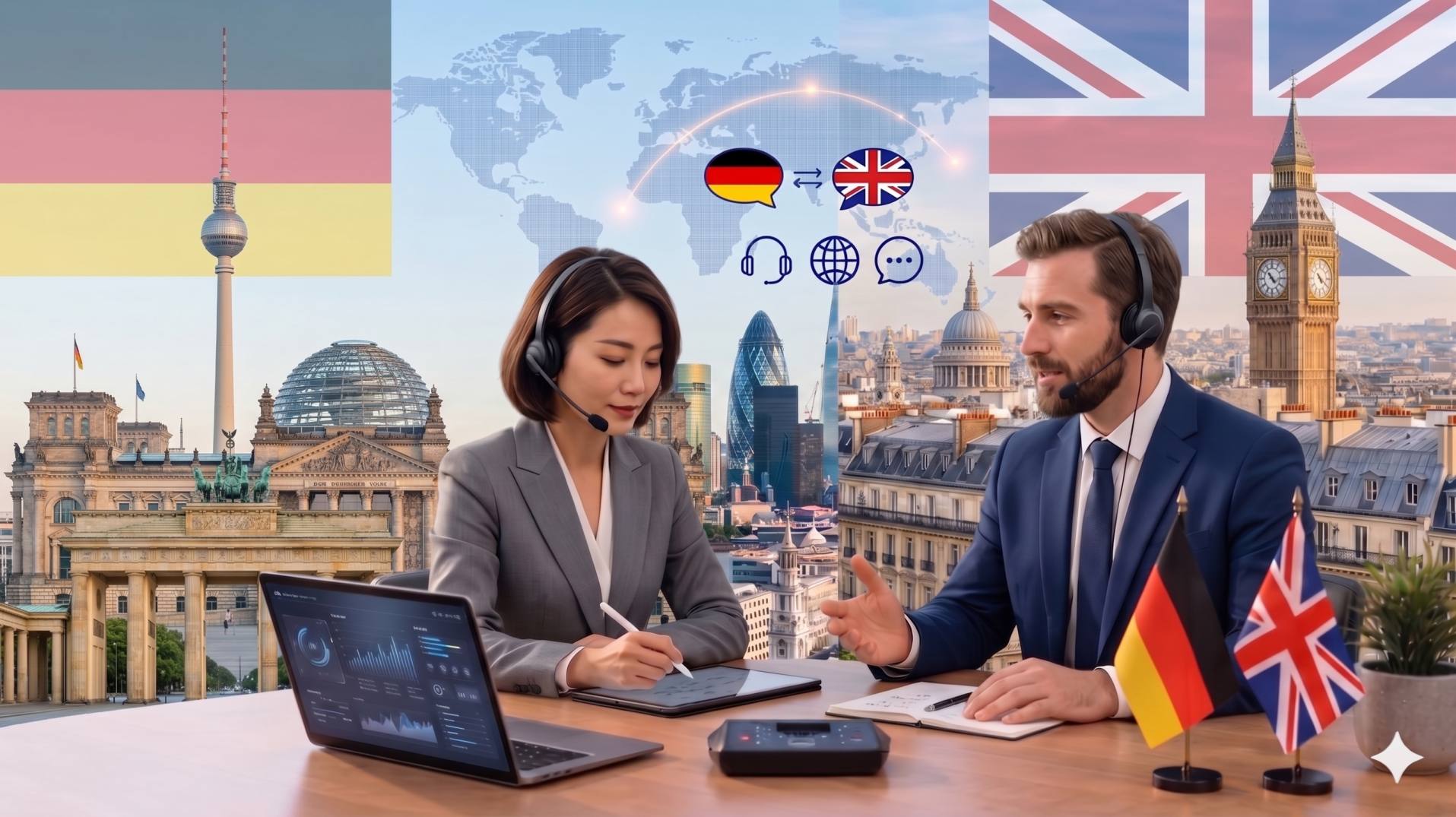
The effective delivery of interpretation services in Wigan, particularly for professional settings, often requires understanding and deploying various technical modalities. The choice of modality depends on the context, the number of participants, and the desired level of immediacy. Simultaneous interpretation is commonly used in conferences, large meetings, or parliamentary settings where the interpreter, typically working in a soundproof booth with specialised equipment, translates the speaker’s words in real-time with only a few seconds’ delay. This allows for a continuous flow of communication. Consecutive interpretation is more suited for smaller meetings, one-on-one discussions, or legal depositions, where the interpreter listens to a segment of speech, takes notes, and then renders the message in the target language during pauses. This method allows for greater accuracy and detail but is slower. Escort interpretation, also known as liaison interpretation, is often employed for business meetings, site visits, or social functions. The interpreter acts as a cultural and linguistic bridge, facilitating communication between parties who may not share a common language. This role often involves a degree of informal translation and cultural mediation. In the modern era, remote interpretation (also referred to as Video Remote Interpreting – VRI, or Over-the-Phone Interpreting – OPI) has become increasingly prevalent. This modality allows clients in Wigan to access interpreters via telephone or video conferencing platforms, offering flexibility and cost-effectiveness, especially for less critical or urgent communication needs. Professional bodies like the Chartered Institute of Linguists (CIOL) and the International Association of Professional Translators and Interpreters (IAPTI) (though global, its standards are highly relevant) provide frameworks and ethical guidelines that apply to all these modalities, ensuring quality and professionalism regardless of the method employed.
Economic and Social Fabric of Wigan
Wigan’s economy is a dynamic blend of its historical industrial strengths and a growing modern service sector. The presence of a significant Punjabi-speaking community contributes to the town’s cultural richness and economic vitality. Professional language services are essential for integrating this community fully into the economic and social life of Wigan and for enabling local businesses to engage with international markets.
Corporate/Industry
Wigan’s industrial past, rooted in coal mining and manufacturing, has evolved into a diverse economy encompassing advanced manufacturing, logistics, and a burgeoning digital and creative sector. For businesses operating in Wigan, whether established enterprises or SMEs, the ability to communicate effectively with Punjabi-speaking employees, clients, or suppliers is a significant advantage. This can range from translating technical manuals and health and safety documents to facilitating business negotiations and client meetings. Professional Punjabi translation and interpretation services ensure that businesses can operate efficiently, comply with UK employment law, and expand their market reach. The Wigan Council supports local businesses, and access to language services can be a key enabler for growth, particularly for those looking to engage with diverse workforces or international partners.
Tourism
While perhaps not as globally renowned as some other UK cities, Wigan possesses unique attractions and a rich heritage that draws visitors. The Wigan Pier, the Trencherfield Mill, and its strong association with rugby league football contribute to its identity. For the tourism sector in Wigan, providing multilingual information and services can enhance the visitor experience for Punjabi-speaking tourists. This could involve translating promotional materials, website content, or providing interpretation services for guided tours or at local attractions. Ensuring that visitors from Punjabi-speaking backgrounds feel welcomed and informed can boost local tourism revenue and enhance Wigan’s reputation as an inclusive destination.
Legal Infrastructure
Wigan is served by a network of legal professionals and institutions that form part of the wider UK legal framework. This includes local law firms, His Majesty’s Courts and Tribunals Service (HMCTS) facilities, and potentially Legal Aid Agency offices. For the Punjabi-speaking population, accessing these services requires reliable interpretation. Law firms in Wigan that specialise in areas such as immigration law, family law, or criminal defence must be equipped to serve clients who require Punjabi interpretation. This ensures compliance with legal obligations and upholds the principles of natural justice. The availability of accredited Punjabi interpreters, often holding qualifications like the DPSI and registered with the NRPSI, is crucial for the effective functioning of Wigan’s legal infrastructure and for ensuring equitable access to justice.
NHS Healthcare
As previously detailed, the NHS is a critical service for all residents of Wigan. The Wrightington, Wigan and Leigh Teaching Hospitals NHS Foundation Trust and other local health providers are committed to providing accessible care. For Punjabi speakers, this necessitates readily available, professional interpretation services during appointments, hospital stays, and when accessing community health services. Ensuring that healthcare providers have access to qualified Punjabi interpreters is a key aspect of delivering safe, patient-centred care and meeting the requirements set out by the CQC and NHS England. This commitment to language access is vital for building trust between the healthcare system and the Punjabi-speaking community in Wigan.
Local Infrastructure and Transport
Wigan benefits from a well-developed infrastructure that supports its economic and social functions. Its strategic location in Greater Manchester provides excellent transport links, including road and rail networks. The town is served by major motorways such as the M6 and M61, facilitating easy access to Manchester, Liverpool, and beyond. Wigan North and Wigan Wallgate are key railway stations offering services across the North West and to London. This robust transport infrastructure is essential for the efficient movement of goods and people, supporting Wigan’s role as a commercial and industrial hub. For professional service providers, including interpreters and translators, this connectivity ensures they can reach clients across Wigan and the wider region promptly. Furthermore, the availability of public transport options supports the accessibility of essential services, including legal and healthcare appointments, for all residents, including those who rely on Punjabi interpretation services. The Transport for Greater Manchester (TfGM) oversees public transport in the region, ensuring a connected network.
In conclusion, the demand for professional Punjabi interpretation and translation services in Wigan is multifaceted, driven by the town’s diverse economy, its legal and healthcare systems, and its vibrant community. Engaging certified and accredited interpreters is not merely a procedural requirement but a fundamental necessity for ensuring fairness, safety, and effective communication. Whether for the courtroom, the hospital ward, or the business meeting, a qualified Punjabi interpreter in Wigan provides an essential bridge, upholding the standards of UK professional practice and ensuring that all individuals can fully participate in and benefit from the services available to them. For organisations seeking reliable language support, partnering with accredited professionals guarantees accuracy, confidentiality, and adherence to the stringent requirements of UK institutions.