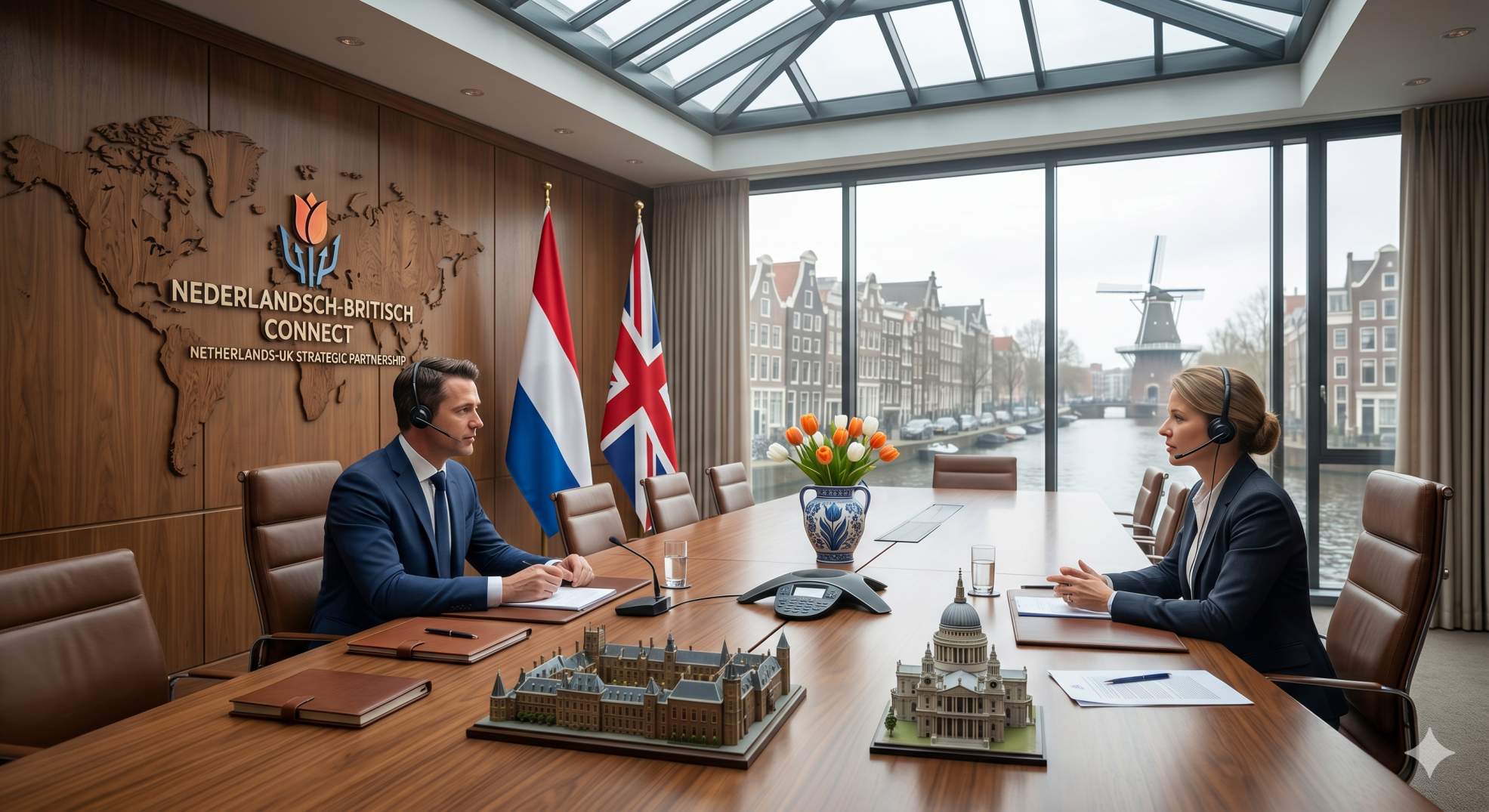
Securing a qualified Russian interpreter in Cambridge is paramount for effective communication across vital sectors, from legal proceedings and healthcare to business and immigration. In a city renowned for its academic excellence and burgeoning tech scene, the need for precise, culturally nuanced interpretation is ever-present. This service ensures that individuals and organisations can navigate complex environments with confidence, adhering to the stringent professional standards expected within the United Kingdom. Whether engaging with His Majesty’s Courts and Tribunals Service (HMCTS), accessing critical NHS services provided by trusts such as Cambridge University Hospitals NHS Foundation Trust and Cambridgeshire Community Services NHS Trust, or participating in international business ventures, the role of a professional interpreter is indispensable.
Translation vs Interpretation
While often used interchangeably, translation and interpretation are distinct disciplines, each requiring a unique skill set and adherence to specific professional standards. Interpretation involves the real-time, oral conversion of spoken or signed language from one language to another. This requires not only linguistic proficiency but also exceptional memory, concentration, and the ability to convey meaning, tone, and intent accurately under pressure. A skilled Russian interpreter in Cambridge must understand the nuances of both languages and the cultural contexts in which they are used. Conversely, translation deals with the written word, converting text from a source language to a target language. This process allows for more deliberation, research, and editing to ensure accuracy and fidelity to the original document. For legal documents, medical records, or technical manuals, a professional Russian translator in Cambridge is essential. However, for live interactions, such as court hearings, medical appointments, or business meetings, the demand is for interpretation services. Understanding this distinction is crucial when seeking the appropriate linguistic support for your specific needs, ensuring compliance with UK professional standards set by bodies like the National Register of Public Service Interpreters (NRPSI) and the Chartered Institute of Linguists (CIOL).
Legal Defence, Immigration, and Courtroom Interpretation
The UK’s justice system relies heavily on accurate communication, particularly in matters involving individuals who do not speak English as a first language. For Russian speakers involved in legal proceedings, access to a qualified Russian interpreter is a fundamental right. His Majesty’s Courts and Tribunals Service (HMCTS) mandates the provision of interpreters to ensure fair trials and access to justice. This includes appearances in Magistrates’ Courts, Crown Courts, the County Court, and tribunals under the purview of HMCTS. Professional interpreters registered with bodies like the NRPSI or holding qualifications such as the Diploma in Public Service Interpreting (DPSI) are often required to meet the stringent standards for legal work. These interpreters are trained to maintain impartiality, confidentiality, and accuracy, which are critical in legal contexts. Immigration law, overseen by the Home Office and UK Visas and Immigration (UKVI), also presents significant communication challenges. Russian nationals navigating visa applications, asylum claims, or appeals before the First-tier Immigration Tribunal require interpreters who understand the specific terminology and procedures. Failure to provide adequate interpretation can have severe consequences, impacting the outcome of cases. Law firms in Cambridge and across the UK frequently engage specialist interpreters to assist their Russian-speaking clients, ensuring that all parties understand the proceedings, evidence, and legal advice. The His Majesty’s Courts and Tribunals Service website provides guidance on accessing interpreters for court hearings.
Healthcare and NHS Patient Safety
Patient safety within the National Health Service (NHS) is paramount, and effective communication is a cornerstone of safe and effective care. For Russian-speaking patients in Cambridge, accessing healthcare services requires interpreters who can bridge the language gap with precision and cultural sensitivity. NHS trusts, including Cambridge University Hospitals NHS Foundation Trust and Cambridgeshire Community Services NHS Trust, are committed to providing language support in line with NHS England’s Language Access guidelines and the UK General Data Protection Regulation (UK GDPR). Interpreters working within the NHS must not only be linguistically competent but also understand medical terminology and the ethical considerations of patient confidentiality. The Care Quality Commission (CQC) inspects healthcare providers to ensure they meet fundamental standards of quality and safety, which includes effective communication. A qualified Russian interpreter ensures that patients can fully understand diagnoses, treatment options, consent forms, and post-treatment instructions, thereby empowering them to make informed decisions about their health. This is crucial for building trust between patients and healthcare professionals and for ensuring adherence to treatment plans. The NHS England website outlines policies regarding language services for patients.
Technical Interpretation Modalities
The effective delivery of interpretation services hinges on selecting the appropriate modality for the specific situation. For a Russian interpreter in Cambridge, understanding these different modes is key to providing seamless communication. Consecutive interpretation is used when the speaker pauses after a segment of speech, allowing the interpreter to render the message in the target language. This is common in one-on-one meetings, doctor’s appointments, or smaller group discussions where direct interaction is important. Simultaneous interpretation involves the interpreter speaking almost concurrently with the source speaker, typically using specialised equipment like soundproof booths and headsets. This is essential for large conferences, international summits, or parliamentary sessions where time is critical and continuous flow of information is required. Escort interpretation, also known as liaison interpretation, facilitates communication between two or more parties who speak different languages, often in informal settings like business negotiations, site visits, or social events. The interpreter acts as a cultural bridge, ensuring smooth dialogue. Increasingly, remote interpretation services are being utilised, allowing interpreters to connect with clients via telephone or video conferencing platforms. This modality offers flexibility and can be cost-effective, particularly for less critical or urgent communication needs, though it requires robust technology and careful consideration of potential technical issues. The choice of modality depends on factors such as the number of participants, the formality of the setting, the technical requirements, and the urgency of the communication.
Economic and Social Fabric of Cambridge
Cambridge’s dynamic economy and vibrant social landscape necessitate robust linguistic support. As a global hub for research, technology, and education, the city attracts international talent and fosters significant cross-border collaboration. Professional Russian interpretation and translation services are integral to this ecosystem.
Corporate and Industry Engagement
Cambridge is at the forefront of innovation, particularly in the life sciences, biotechnology, and technology sectors, with numerous research institutions and spin-out companies. Businesses operating in these fields often engage with Russian partners, investors, or scientific communities. A skilled Russian interpreter facilitates crucial business meetings, contract negotiations, technical presentations, and collaborative research projects. Ensuring clear communication is vital for securing investment, forging partnerships, and maintaining competitive advantage in the global marketplace. The Cambridge City Council supports local businesses, and access to professional language services can enhance their international reach.
Tourism and Cultural Exchange
Cambridge’s world-renowned university, historic architecture, and cultural attractions draw visitors from across the globe. Russian tourists and cultural delegations visiting the city benefit from interpreters who can enhance their experience, whether guiding them through the colleges, museums, or facilitating cultural exchanges. This fosters greater understanding and appreciation of both Russian and British cultures.
Legal Infrastructure
The presence of numerous law firms in Cambridge, many specialising in intellectual property, corporate law, and international business, creates a consistent demand for legal interpretation and translation. Russian individuals or companies involved in legal matters within the UK, whether civil litigation, commercial disputes, or regulatory compliance, require interpreters accredited by bodies such as the NRPSI to ensure proceedings are fair and accurate, aligning with the standards of HMCTS.
NHS Healthcare Access
As highlighted previously, the healthcare sector in Cambridge, served by trusts like Cambridge University Hospitals NHS Foundation Trust, requires reliable language services. Russian-speaking residents and visitors must have equitable access to medical consultations, emergency services, and public health information. Professional interpreters play a critical role in ensuring patient safety and adherence to the high standards of care mandated by the CQC and NHS England.
Local Infrastructure and Transport
Cambridge’s infrastructure supports its growing population and economic activity. The city is well-connected by road and rail, with services to London and other major UK cities. For Russian visitors or residents navigating the city, interpreters can assist with travel arrangements, understanding public transport information, and accessing local services. Reliable transport links are crucial for business travellers attending meetings or conferences, and for individuals attending appointments with legal professionals or healthcare providers. The Greater Cambridge Partnership works on improving local infrastructure, and clear communication facilitated by interpreters ensures all residents can benefit from these developments. The availability of professional Russian interpretation services ensures that language barriers do not impede access to essential services or the enjoyment of what Cambridge has to offer.
Conclusion
For any organisation or individual requiring precise and professional linguistic support in Cambridge, engaging a qualified Russian interpreter in Cambridge is not merely a convenience but a necessity. From ensuring justice within the UK legal system under HMCTS, to safeguarding patient well-being within the NHS, and facilitating critical business interactions, the role of expert interpreters is indispensable. Adherence to UK professional standards, such as those upheld by the NRPSI and CIOL, guarantees the integrity and accuracy required in these sensitive fields. By prioritising certified and experienced interpreters, you ensure effective communication, compliance with UK regulations, and successful outcomes. Contact us today to discuss your specific needs for Russian interpretation services in Cambridge and across the United Kingdom.