Securing a qualified Russian interpreter in Gateshead is paramount for effective communication across diverse sectors within the UK’s professional landscape. Whether engaging with His Majesty’s Courts and Tribunals Service (HMCTS), navigating complex NHS healthcare pathways, or facilitating international business dealings, the need for precise and culturally nuanced interpretation is undeniable. Gateshead, a vibrant part of the North East, benefits from a robust network of professional services, and access to accredited Russian interpreters ensures that language barriers do not impede justice, patient care, or economic growth. This service is vital for individuals and organisations interacting with key UK institutions such as the Gateshead Health NHS Foundation Trust and the Cumbria, Northumberland, Tyne and Wear NHS Foundation Trust, both of which serve the Gateshead population and adhere to stringent NHS England Language Access guidelines.
Translation vs Interpretation: Understanding the Nuances
While often used interchangeably, translation and interpretation are distinct disciplines, each requiring specialised skills and adherence to professional standards. Interpretation involves the live, oral rendition of spoken or signed language from one language to another. This demands not only linguistic proficiency but also cultural understanding, rapid cognitive processing, and the ability to convey meaning accurately and instantaneously. A professional Russian translator in Gateshead, conversely, works with written text, converting documents, websites, or other written materials from Russian to English or vice versa. The accuracy and stylistic fidelity required for translation differ from the dynamic, real-time demands of interpretation. For legal and medical settings, the distinction is critical. In a courtroom or a hospital consultation, an interpreter is indispensable, whereas a translator would be required for legal documents or patient records. Professional bodies like the National Register of Public Service Interpreters (NRPSI) and the Chartered Institute of Linguists (CIOL) set the benchmark for these professions in the UK, ensuring that practitioners meet rigorous standards of competence and ethical conduct. The choice between a translator and an interpreter depends entirely on the medium of communication and the specific requirements of the task, with interpreters being essential for spoken interactions.
Legal Defence, Immigration, and Courtroom Interpretation
The UK’s legal system, governed by principles of natural justice and fairness, mandates that all individuals, regardless of their linguistic background, have access to justice. For Russian speakers involved in legal proceedings in Gateshead and across the UK, this means access to qualified interpreters. His Majesty’s Courts and Tribunals Service (HMCTS) relies heavily on accredited interpreters to ensure that defendants, witnesses, and victims can fully understand proceedings and participate effectively. This is particularly crucial in criminal cases heard at the Magistrates’ Court or Crown Court, civil litigation, family law matters, and administrative hearings before tribunals. The His Majesty’s Courts and Tribunals Service (HMCTS) has established protocols for booking interpreters, often through approved agencies or directly via the courts’ own systems, ensuring compliance with professional standards. The Ministry of Justice oversees the framework within which these services operate. Furthermore, in matters of immigration, the UK Visas and Immigration (UKVI), part of the Home Office, requires accurate interpretation during interviews and assessments. Solicitors and barristers representing clients in immigration cases, including appeals before the First-tier Immigration Tribunal, must engage interpreters who are not only linguistically proficient but also understand the specific terminology and procedures of UK immigration law. Professional interpreters often hold qualifications such as the Diploma in Public Service Interpreting (DPSI) or are registered with the NRPSI, signifying their competence in legal settings. The integrity of the judicial process hinges on the impartiality and accuracy provided by these language professionals, ensuring that every party has a fair hearing.
Healthcare and NHS Patient Safety
Patient safety and effective communication are cornerstones of the National Health Service (NHS) in the UK. For Russian-speaking patients in Gateshead, accessing healthcare services without language barriers is a fundamental right, supported by NHS England’s Language Access guidelines. The Care Quality Commission (CQC), the independent regulator of health and social care services in England, places significant emphasis on communication as a key aspect of quality and safety. When a patient cannot communicate effectively in English, the NHS is obligated to provide access to a qualified interpreter. This is crucial for accurate diagnosis, informed consent for treatments, understanding medication instructions, and discussing sensitive health issues. The primary NHS trusts serving Gateshead, such as the Gateshead Health NHS Foundation Trust and the Cumbria, Northumberland, Tyne and Wear NHS Foundation Trust, have established procedures for booking interpreters for appointments, hospital stays, and mental health services. These interpreters must be skilled in medical terminology and understand the cultural context of health beliefs and practices. Adherence to UK GDPR is also paramount, ensuring that patient confidentiality is maintained throughout the interpretation process. Professional interpreters working within the NHS are expected to uphold the highest ethical standards, as outlined by bodies like the NRPSI, guaranteeing that sensitive medical information is handled with discretion and accuracy. Failure to provide adequate interpretation can lead to misdiagnosis, inappropriate treatment, and a breach of patient rights, underscoring the critical role of a professional Russian interpreter in Gateshead within the healthcare system.
Technical Interpretation Modalities
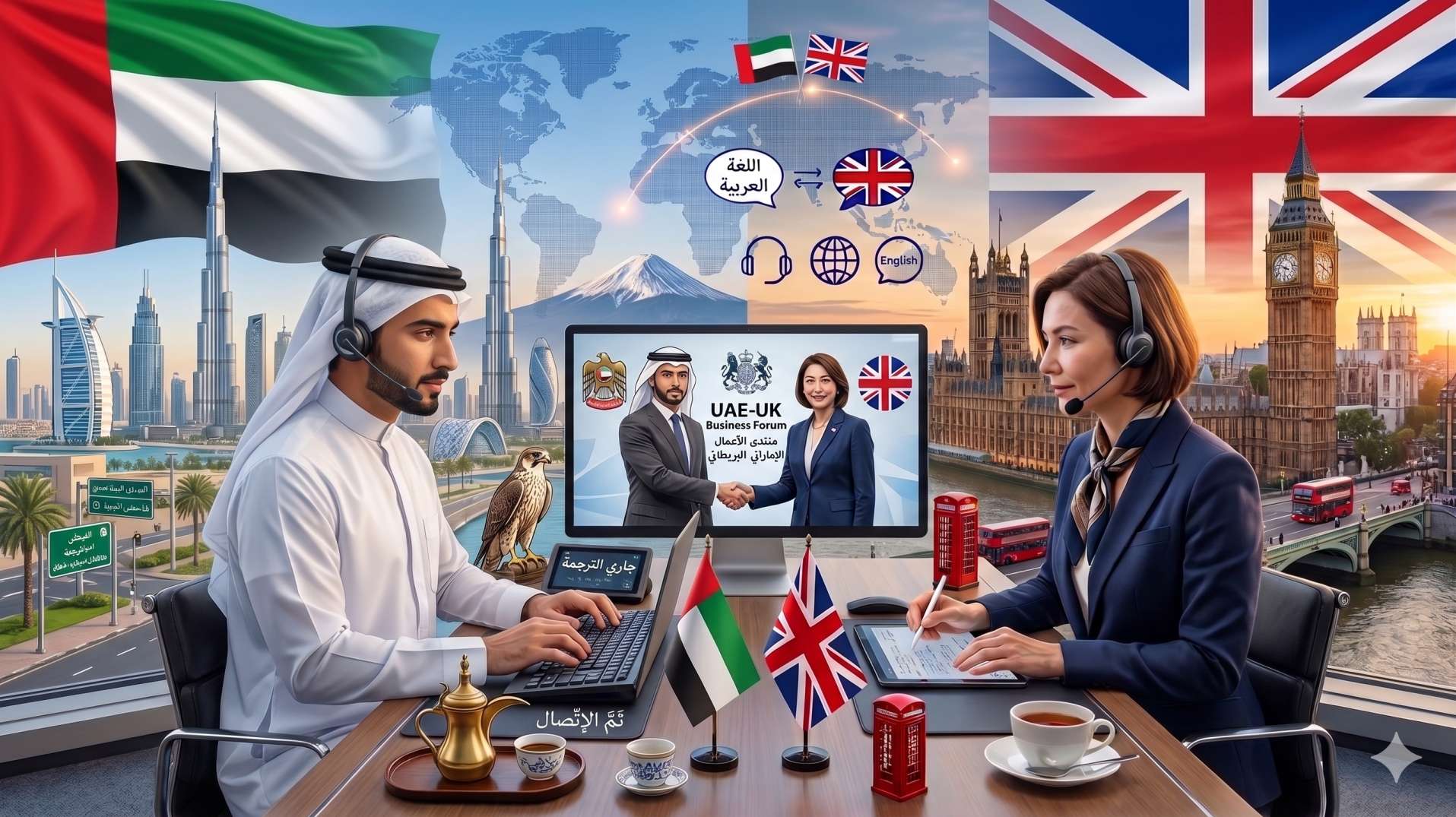
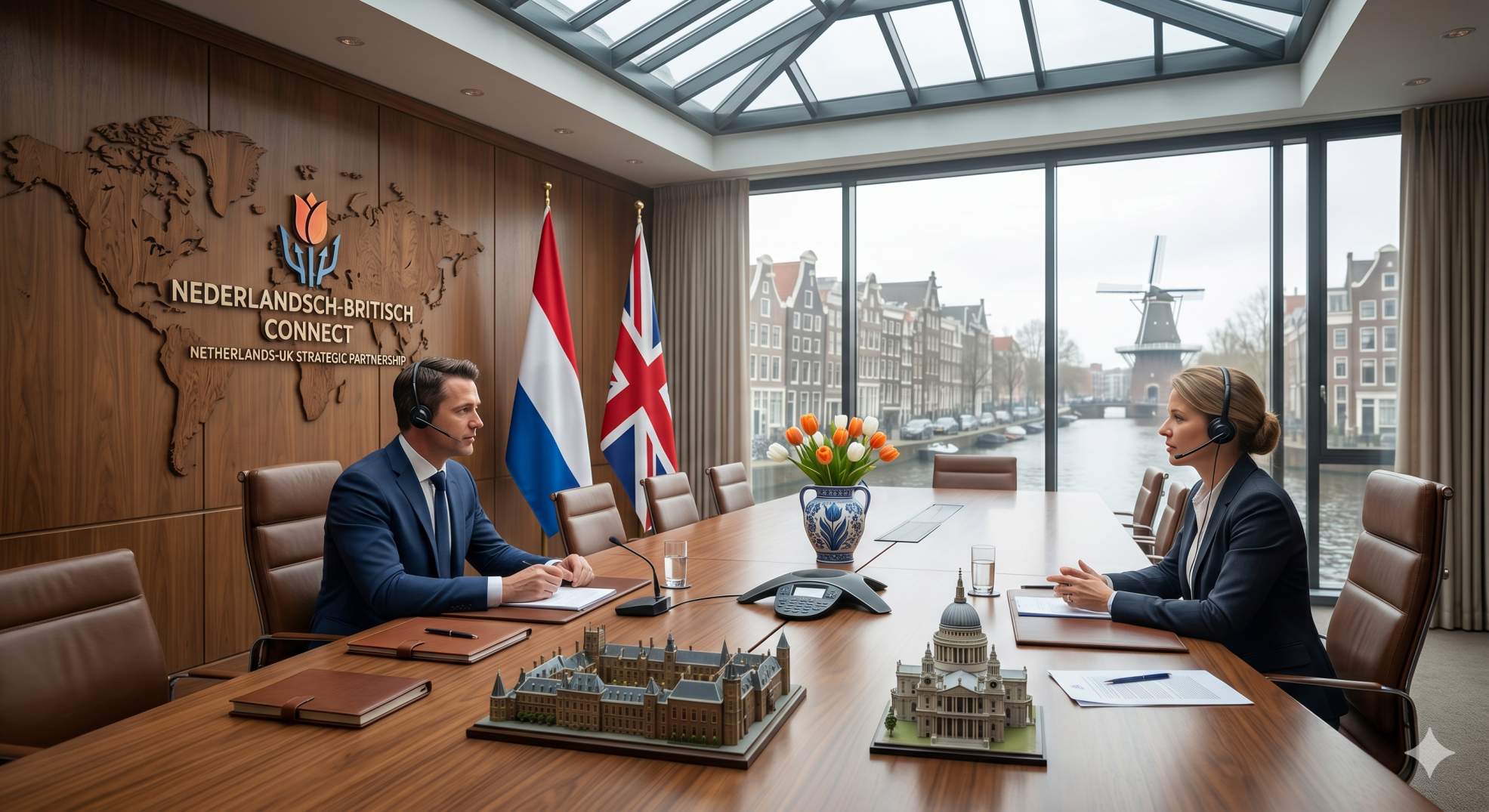
The effective delivery of interpretation services relies on selecting the appropriate modality to suit the context and communication needs. For a Russian interpreter in Gateshead, understanding these modalities is key to providing seamless service. Simultaneous interpretation is perhaps the most demanding, where the interpreter speaks at the same time as the speaker, typically using specialised equipment like booths and headsets. This is common in large conferences, international meetings, and parliamentary sessions where real-time comprehension is essential. Consecutive interpretation involves the interpreter listening to a segment of speech, then rendering it into the target language after the speaker has finished. This is suitable for smaller meetings, one-on-one discussions, and legal depositions where detailed understanding and note-taking are possible. Escort interpretation, also known as liaison interpretation, facilitates communication between two or more parties who speak different languages in informal settings, such as business meetings, site visits, or social events. The interpreter acts as a bridge, ensuring smooth dialogue and cultural understanding. In recent years, remote interpretation (also known as telephonic or video interpretation) has become increasingly prevalent. This modality allows interpreters to provide services via phone or video conferencing platforms, offering flexibility and cost-effectiveness, particularly for situations where an on-site interpreter is not feasible or necessary. This is often employed by NHS trusts for routine consultations or by businesses for international calls. Regardless of the modality, professional interpreters adhere to strict codes of conduct, ensuring confidentiality, impartiality, and accuracy, as promoted by organisations like the International Association of Conference Interpreters (AIIC) and the NRPSI.
Economic and Social Fabric of Gateshead
Gateshead’s dynamic economic and social landscape necessitates robust communication infrastructure, including professional language services. The presence of skilled Russian interpreters is integral to various facets of the local and national economy, fostering inclusivity and facilitating growth.
Corporate and Industry Engagement
The North East region, including Gateshead, has a diverse industrial base, encompassing advanced manufacturing, digital technologies, and professional services. For businesses operating internationally or engaging with Russian-speaking clients, suppliers, or investors, accurate interpretation is vital. This can range from facilitating negotiations and technical discussions to ensuring clear communication in marketing and customer service. Professional interpreters bridge linguistic divides, enabling UK companies to expand their global reach and attract foreign investment. Adherence to UK business standards and legal frameworks is paramount in these interactions, and skilled interpreters ensure that all parties understand their contractual obligations and operational requirements.
Tourism and Cultural Exchange
Gateshead, with its iconic cultural landmarks such as the BALTIC Centre for Contemporary Art and the Sage Gateshead, attracts visitors from around the world. Russian-speaking tourists and business travellers benefit greatly from the availability of interpreters who can assist with navigation, accommodation, and cultural experiences. This enhances the visitor experience and promotes Gateshead as a welcoming destination. Professional interpreters can also facilitate cultural exchange programmes and events, fostering greater understanding and appreciation between different communities.
Legal Infrastructure Support
As previously discussed, the UK’s legal system is committed to equal access. For Russian-speaking individuals residing in or visiting Gateshead, access to interpreters is crucial for engaging with solicitors, attending court hearings at HMCTS, or dealing with Home Office matters. Law firms in Gateshead and the wider North East region rely on qualified interpreters to ensure their Russian-speaking clients receive effective legal representation. The availability of NRPSI-registered interpreters ensures that these services meet the stringent requirements of the UK legal profession.
NHS Healthcare Accessibility
The commitment of the NHS to patient-centred care extends to ensuring that all patients, including Russian speakers, can access and understand vital health services. Gateshead’s healthcare providers, including the Gateshead Health NHS Foundation Trust, must provide interpretation services to facilitate accurate medical consultations, treatment plans, and emergency care. This commitment is a key aspect of patient safety and upholds the principles of equitable healthcare delivery within the UK.
Local Infrastructure and Transport
Effective communication is underpinned by accessible infrastructure. Gateshead is well-connected, with a robust transport network that facilitates the movement of people and services. The availability of professional Russian interpreters ensures that individuals can navigate these systems effectively, whether for personal appointments, business travel, or accessing public services. The Gateshead Council plays a role in maintaining local infrastructure and services, and ensuring that language support is available contributes to the overall accessibility and inclusivity of the borough. Reliable transport links, including road, rail, and public transport, connect Gateshead to the rest of the North East and the UK, making it easier for interpreters to reach their clients and for clients to access essential services. The presence of professional interpreters enhances the utility of this infrastructure for the Russian-speaking community.
Conclusion
In conclusion, the provision of professional Russian interpreter in Gateshead services is a critical component of ensuring equitable access to justice, healthcare, and economic opportunities within the UK. From the courtroom to the hospital ward, and from international business negotiations to local community engagement, the need for accurate, culturally sensitive interpretation is paramount. By engaging NRPSI-qualified interpreters and understanding the nuances of different interpretation modalities, individuals and organisations can overcome language barriers and operate effectively within the UK’s professional and public service frameworks. For anyone requiring expert Russian interpretation services in Gateshead and beyond, seeking accredited professionals ensures compliance with UK standards and facilitates seamless communication.