
Securing a highly qualified Russian interpreter in Glasgow is paramount for effective communication across a multitude of critical sectors within the United Kingdom. Whether navigating the complexities of the UK legal system, ensuring patient safety within the National Health Service (NHS), or facilitating international business dealings, the need for precise and culturally attuned linguistic support cannot be overstated. Glasgow, a vibrant hub of commerce and culture, demands professional interpretation services that meet the stringent standards expected by UK institutions. This includes adherence to the ethical codes set forth by bodies such as the National Register of Public Service Interpreters (NRPSI) and the Diplomatic Service Language Proficiency (DPSI) qualifications, ensuring that every interaction is conducted with the utmost professionalism and accuracy. For residents and businesses in Glasgow, access to reliable Russian interpretation is vital for accessing essential services, including those provided by NHS Greater Glasgow and Clyde, specifically through trusts like the NHS Greater Glasgow and Clyde, and the Golden Jubilee University National Hospital, where clear communication is fundamental to patient care and outcomes.
Translation vs Interpretation: Understanding the Nuances
While often used interchangeably, translation and interpretation are distinct disciplines, each requiring a unique skill set and adhering to different professional standards. Interpretation involves the live, oral conversion of spoken or signed language from one language to another. This demands not only linguistic fluency but also exceptional short-term memory, cultural understanding, and the ability to think quickly under pressure. A professional interpreter must convey not just the words, but also the tone, intent, and cultural nuances of the speaker. In contrast, translation deals with the written word, converting text from a source language to a target language. This process allows for more time for research, editing, and refinement to ensure accuracy and fidelity to the original meaning. For businesses and individuals in Glasgow seeking to bridge linguistic divides, understanding this distinction is crucial when selecting the appropriate service. For instance, a legal firm might require a certified Russian translator for contracts and legal documents, while a court case would necessitate a certified Russian interpreter to facilitate spoken testimony. The demand for a skilled Russian translator in Glasgow is as significant as the need for interpreters, particularly within the burgeoning international business community and academic institutions.
Legal Defence, Immigration, and Courtroom Interpretation
The UK legal landscape is built on principles of justice and accessibility, which inherently require effective communication for all parties, regardless of their linguistic background. For Russian speakers involved in legal proceedings in Glasgow, access to qualified interpreters is not merely a convenience but a fundamental right. His Majesty’s Courts and Tribunals Service (HMCTS) mandates the provision of interpreters in criminal and civil cases where a language barrier exists. Professional Russian interpreters working within this sphere must possess recognised qualifications, such as those certified by the NRPSI or holding a DPSI qualification in law. These interpreters are crucial in ensuring that defendants understand the charges against them, that witnesses can provide clear testimony, and that legal counsel can effectively represent their clients. The First-tier Immigration Tribunal, a key part of the judicial system dealing with immigration and asylum cases, also relies heavily on accurate interpretation. The Home Office and UK Visas and Immigration (UKVI) processes often involve complex documentation and interviews where a Russian interpreter is essential for applicants to articulate their circumstances and for officials to gather accurate information. Failure to provide adequate interpretation can lead to miscarriages of justice, underscoring the critical role of professional interpreters in upholding the integrity of the UK legal system. The Royal Courts of Justice and local Sheriff Courts in Glasgow frequently require the services of accredited Russian interpreters to ensure fair proceedings.
Healthcare and NHS Patient Safety
Patient safety and effective care within the NHS are paramount, and clear communication is the bedrock upon which these principles are built. For Russian-speaking patients in Glasgow, accessing healthcare services without a language barrier is essential for accurate diagnosis, treatment, and informed consent. NHS trusts across Scotland, including those serving Glasgow, are committed to providing language support in line with NHS England’s Language Access guidelines and the principles of the UK General Data Protection Regulation (UK GDPR). This means ensuring that patients can communicate their symptoms, understand medical advice, and participate fully in decisions about their health. Professional Russian interpreters working within the NHS must adhere to strict codes of confidentiality and professional conduct, as overseen by regulatory bodies like the Care Quality Commission (CQC). The CQC inspects health and social care services to ensure they are safe, effective, and compassionate, with effective communication being a key indicator. Interpreters play a vital role in ensuring that vulnerable patients, including those with limited English proficiency, receive equitable care. This extends to all aspects of healthcare, from GP appointments and hospital visits to mental health services and emergency care. The provision of qualified Russian interpreters ensures that misunderstandings are minimised, leading to better health outcomes and a more positive patient experience within the Glasgow healthcare system.
Technical Interpretation Modalities
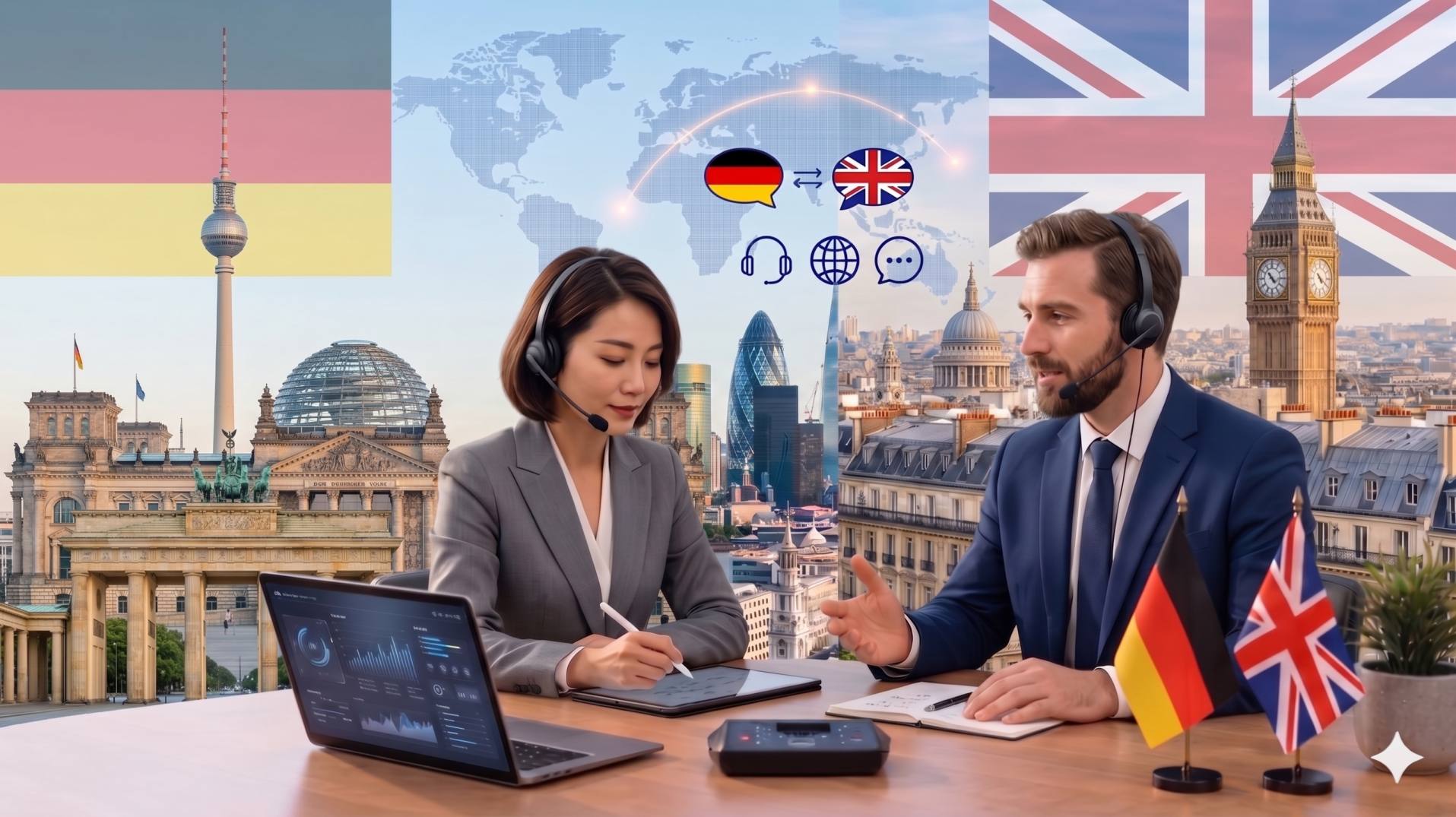
The effective delivery of interpretation services in Glasgow relies on understanding and deploying various technical modalities, each suited to different contexts and requirements. Simultaneous interpretation is perhaps the most demanding, where the interpreter conveys the message in the target language almost instantaneously as the speaker talks, typically using specialised equipment like booths and headsets. This is common in international conferences, large-scale meetings, and parliamentary sessions. Consecutive interpretation involves the interpreter listening to a segment of speech, then rendering it into the target language once the speaker pauses. This is often used in smaller meetings, legal depositions, and medical consultations where direct interaction is key. Escort interpretation, also known as liaison interpretation, facilitates communication between two or more parties speaking different languages in informal settings, such as business negotiations, site visits, or social events. The interpreter acts as a bridge, ensuring smooth dialogue. Increasingly, remote interpretation services are becoming prevalent, utilising telephone or video conferencing technology to connect interpreters with clients regardless of geographical location. This modality offers flexibility and cost-effectiveness, particularly for urgent or infrequent language needs. For Russian speakers in Glasgow, selecting the appropriate interpretation mode is crucial for achieving the desired communication outcome, whether it’s a high-level business negotiation requiring simultaneous interpretation or a sensitive discussion with an NHS doctor necessitating consecutive interpretation.
Economic and Social Fabric of Glasgow
Corporate and Industry
Glasgow’s economy is diverse and dynamic, with strong sectors in finance, life sciences, advanced manufacturing, and creative industries. For businesses operating in or looking to engage with the Russian market, or for Russian companies establishing a presence in Scotland, professional Russian interpretation and translation services are indispensable. Accurate communication is vital for securing contracts, negotiating deals, managing international teams, and ensuring compliance with UK business regulations. The ability to conduct meetings, present proposals, and communicate marketing materials in Russian, or to facilitate Russian-speaking clients and partners in English, provides a significant competitive advantage. Professional bodies such as the Chartered Institute of Linguists (CIOL) set standards for linguists working in the corporate world, ensuring a high level of competence and ethical practice. The presence of a skilled Russian interpreter in Glasgow supports the city’s ambition to be a global business hub.
Tourism
Glasgow is a world-renowned tourist destination, attracting visitors from across the globe. For Russian tourists exploring the city’s rich history, vibrant arts scene, and renowned shopping districts, the availability of Russian-speaking guides and interpretation services enhances their experience. Whether assisting with hotel bookings, providing guided tours, or helping navigate local attractions, interpreters can bridge cultural and linguistic gaps, making visitors feel more welcome and informed. This not only benefits the tourists themselves but also contributes to the local economy by fostering positive experiences that encourage repeat visits and word-of-mouth recommendations. Professional interpretation services can also support the hospitality sector in effectively communicating with Russian-speaking clientele, ensuring high standards of service.
Legal Infrastructure
Glasgow boasts a robust legal infrastructure, with numerous law firms, barristers, and legal support services. The city serves as a significant legal centre in Scotland. For Russian individuals or businesses involved in legal matters in Glasgow, whether civil litigation, commercial disputes, or property transactions, access to qualified Russian legal interpreters and translators is essential. These professionals must understand the specific terminology and procedures of the Scottish legal system, as well as the nuances of Russian law where relevant. Accreditation from bodies like the NRPSI ensures that interpreters meet the rigorous standards required for court appearances and legal consultations, guaranteeing that justice is accessible to all, irrespective of language. The efficient functioning of His Majesty’s Courts and Tribunals Service (HMCTS) in Glasgow depends on the availability of such skilled linguists.
NHS Healthcare
As previously highlighted, the NHS healthcare system in Glasgow is a critical service for its residents. The provision of Russian interpretation services within this sector is vital for ensuring that all patients receive timely, accurate, and culturally sensitive medical care. From primary care physicians and specialist consultations to hospital admissions and emergency services, clear communication is non-negotiable. The commitment of NHS Greater Glasgow and Clyde to patient-centred care means actively working to remove language barriers. This includes employing or contracting with professional Russian interpreters who understand medical terminology and ethical protocols, thereby supporting the CQC’s mandate for safe and effective healthcare delivery.
Local Infrastructure and Transport
Glasgow’s comprehensive infrastructure, including its extensive public transport network, plays a crucial role in connecting its diverse communities and facilitating economic activity. For Russian-speaking residents and visitors, navigating this infrastructure can be made significantly easier with the availability of interpretation services. Whether seeking assistance with public transport information, understanding local regulations, or engaging with service providers, a Russian interpreter can provide invaluable support. This is particularly relevant for individuals new to the city or those who require assistance with complex administrative processes related to housing, utilities, or employment. The city’s transport links, including Glasgow Airport and its well-connected rail and bus services, are gateways for international engagement, where clear communication facilitated by professional interpreters ensures smooth transitions and positive experiences for Russian-speaking travellers and business professionals alike.
Conclusion
In conclusion, the demand for professional and accredited Russian interpreter in Glasgow services is multifaceted, underpinning the effective functioning of legal, healthcare, business, and public services across the city and the wider UK. Adherence to UK professional standards, exemplified by bodies like the NRPSI, and the specific requirements of institutions such as HMCTS and the NHS, ensures that communication is accurate, confidential, and ethically sound. Whether you require a Russian interpreter for courtroom proceedings, sensitive medical consultations, critical business negotiations, or immigration matters, engaging a qualified professional is essential for achieving clarity, ensuring fairness, and fostering trust. For reliable and expert Russian interpretation and translation solutions tailored to the UK’s stringent requirements, professional services are readily available to support the diverse linguistic needs of Glasgow’s dynamic population.