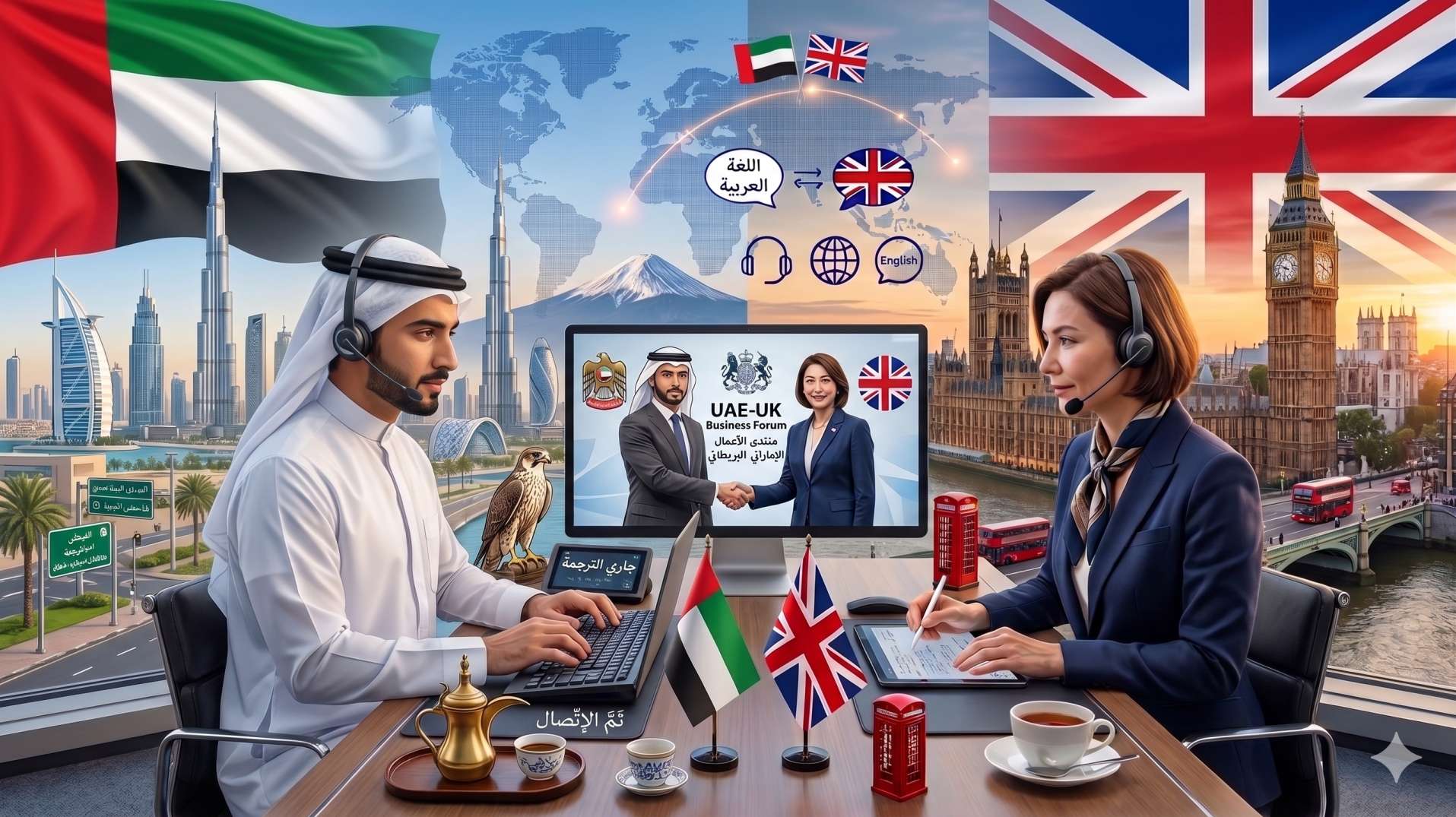
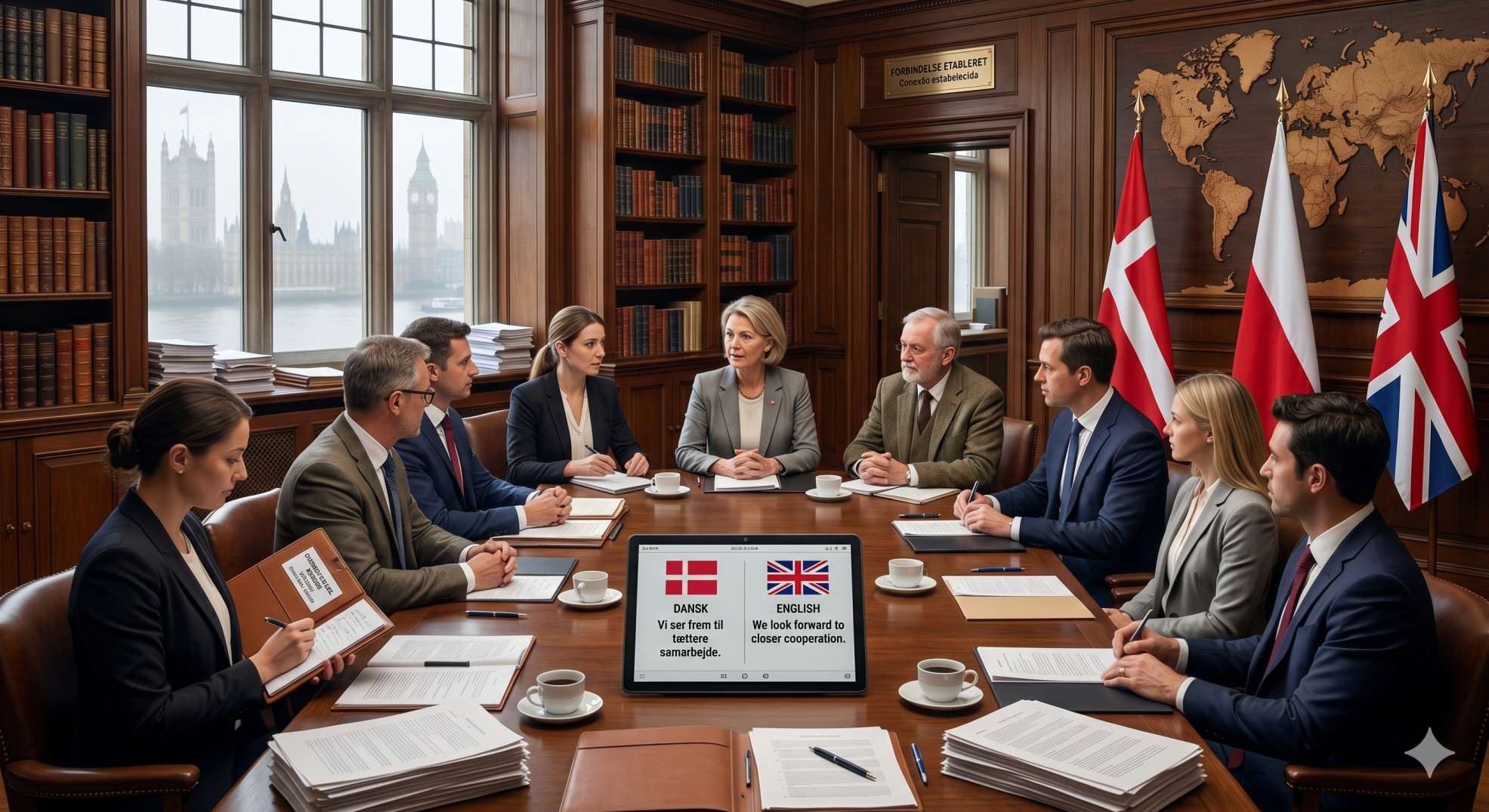
Securing a Russian interpreter in Nottingham is paramount for effective communication across diverse sectors, from legal proceedings and healthcare to business negotiations and public services. In a city like Nottingham, with its dynamic economic landscape and diverse population, access to qualified linguistic professionals ensures that justice is served, patient care is optimal, and commercial opportunities are fully realised. This page explores the critical role of professional Russian interpretation and translation services within Nottingham, highlighting their integration with UK institutions and the local economic reality. We will delve into the nuances of interpretation, its application in vital UK sectors, and the resources available to ensure seamless communication for Russian speakers in Nottingham and beyond. The availability of skilled interpreters is crucial for organisations such as the Nottingham University Hospitals NHS Trust (https://www.nuh.nhs.uk/) and Nottinghamshire Healthcare NHS Foundation Trust (https://www.nottinghamshir ehealthcare.nhs.uk/), ensuring equitable access to healthcare services for all residents.
Translation vs Interpretation
While often used interchangeably, translation and interpretation are distinct linguistic disciplines, each requiring specialised skills and adherence to professional standards. Understanding this difference is crucial for procuring the right service. Translation involves the conversion of written text from one language to another. This process allows for meticulous review, editing, and proofreading, ensuring accuracy and fidelity to the original document. Professional translators in the UK adhere to standards set by bodies like the Chartered Institute of Linguists (CIOL). On the other hand, interpretation deals with the spoken word, converting a message from a source language to a target language in real-time or near real-time. This demands not only linguistic proficiency but also cultural understanding, quick thinking, and the ability to maintain confidentiality. For legal and medical contexts, where precision and immediate comprehension are vital, professional interpretation is indispensable. A skilled Russian translator in Nottingham can handle written documents, while a certified interpreter is essential for live interactions.
Legal Defence, Immigration, and Courtroom Interpretation
The UK’s justice system is built on the principle of fairness and equal access to legal representation. For individuals who do not speak English as a first language, including Russian speakers in Nottingham, professional interpretation is a fundamental right. This is particularly critical in proceedings before His Majesty’s Courts and Tribunals Service (HMCTS). Qualified interpreters ensure that defendants, witnesses, and victims can fully understand the proceedings, present their case effectively, and participate meaningfully in the legal process. The Ministry of Justice, through bodies like the NRPSI (National Register of Public Service Interpreters), sets rigorous standards for interpreters working in the public sector. NRPSI registration signifies that an interpreter has met stringent criteria for professional conduct, ethics, and linguistic competence. This is vital for cases involving immigration, criminal law, family law, and civil disputes heard in courts such as the Royal Courts of Justice or local county courts. Immigration solicitors in Nottingham frequently require interpreters for client consultations, Home Office interviews, and appeals before the First-tier Immigration Tribunal. Accurate interpretation ensures that complex legal information is conveyed clearly, preventing miscarriages of justice and upholding the integrity of the UK legal framework. The UK Visas and Immigration (UKVI) also relies on accurate communication during application processes and interviews, making certified Russian interpreters essential for navigating these procedures.
Healthcare and NHS Patient Safety
Patient safety and equitable access to healthcare are cornerstones of the UK’s National Health Service (NHS). In Nottingham, the Nottingham University Hospitals NHS Trust and Nottinghamshire Healthcare NHS Foundation Trust serve a diverse population, and the need for accurate communication with Russian-speaking patients is significant. Professional medical interpreters play a vital role in ensuring that patients understand diagnoses, treatment options, medication instructions, and consent forms. Misunderstandings due to language barriers can lead to serious adverse events, delayed treatment, and reduced patient satisfaction. NHS England has established guidelines for language services, emphasising the importance of using qualified, independent interpreters rather than relying on family members or untrained staff. This ensures impartiality, confidentiality, and professional standards, aligning with the Care Quality Commission (CQC)‘s focus on patient safety and effective care. Interpreters must be familiar with medical terminology and adhere to the strict ethical codes governed by bodies like NRPSI. Compliance with UK General Data Protection Regulation (UK GDPR) is also paramount, ensuring patient confidentiality is maintained at all times. Access to a reliable Russian interpreter in Nottingham empowers patients to actively participate in their care decisions, leading to better health outcomes and a more inclusive healthcare experience.
Technical Interpretation Modalities
The effectiveness of interpretation hinges on selecting the appropriate modality for the specific context. Professional Russian interpreters in Nottingham offer a range of services tailored to different needs:
- Simultaneous Interpretation: Used in conferences, large meetings, or courtrooms where the interpreter speaks almost concurrently with the speaker, often using specialised equipment (booths, headsets). This requires intense concentration and is ideal for high-volume information transfer.
- Consecutive Interpretation: The interpreter listens to a segment of speech, then renders it in the target language once the speaker pauses. This is common in smaller meetings, medical consultations, and legal interviews where direct interaction is key.
- Escort Interpretation: The interpreter accompanies clients to meetings, site visits, or social events, facilitating communication throughout. This is often used in business settings or for diplomatic visits.
- Remote Interpretation (ROLI): Utilising telephone or video conferencing, ROLI allows interpreters to connect with clients regardless of geographical location. This is increasingly important for accessibility and cost-effectiveness, especially for less frequent language needs or urgent situations.
Choosing the correct modality ensures that the communication flow is natural and efficient, whether for a business negotiation, a court hearing, or a doctor’s appointment. Professional agencies can advise on the best approach for any given scenario.
Economic and Social Fabric of Nottingham
Nottingham’s vibrant economy and diverse community necessitate robust linguistic support. The presence of skilled Russian interpreters and translators is integral to various sectors within the city.
Corporate and Industry
As a hub for various industries, including advanced manufacturing, life sciences, and digital technologies, Nottingham attracts international investment and collaboration. Businesses operating in or trading with Russian-speaking markets require accurate interpretation for contract negotiations, product launches, client meetings, and international conferences. Professional services firms, such as law firms and accountancy practices, rely on interpreters to serve their Russian-speaking clientele, ensuring compliance with UK business law and fostering strong commercial relationships. The ability to communicate effectively in Russian can unlock new markets and enhance Nottingham’s global competitiveness.
Tourism
Nottingham, with its rich history, including attractions like Nottingham Castle and Sherwood Forest, draws visitors from around the world. While English is the primary language, providing information and services in multiple languages, including Russian, can enhance the visitor experience. Hotels, tourist information centres, and cultural institutions can benefit from translation services for marketing materials and interpretation for guided tours or specific guest needs, making the city more accessible and welcoming to Russian-speaking tourists.
Legal Infrastructure
Nottingham boasts a well-established legal sector, with numerous law firms and access to HMCTS facilities. The demand for legal interpretation services is consistently high, covering areas from criminal defence and civil litigation to family law and corporate compliance. The availability of accredited Russian interpreters ensures that Russian-speaking residents and businesses can access justice and legal advice without linguistic barriers, reinforcing Nottingham’s reputation as a city that upholds the rule of law for all its inhabitants. The presence of professional bodies like the NRPSI and the DPSI (Diploma in Public Service Interpreting) qualification ensures a high standard of legal interpretation.
NHS Healthcare
The healthcare system in Nottingham, represented by trusts like Nottingham University Hospitals NHS Trust and Nottinghamshire Healthcare NHS Foundation Trust, serves a broad demographic. Ensuring that Russian-speaking patients can communicate effectively with medical professionals is a critical aspect of providing safe and high-quality care. This involves interpretation for GP appointments, hospital visits, specialist consultations, and emergency care. Adherence to NHS guidelines and UK GDPR ensures that patient confidentiality and effective communication are prioritised, leading to better health outcomes for the Russian-speaking community in Nottingham.
Local Infrastructure and Transport
Nottingham’s infrastructure supports the seamless delivery of professional interpretation services. The city is well-connected via road (M1), rail (East Midlands Parkway, Nottingham Station), and air (East Midlands Airport), facilitating the movement of interpreters for on-site assignments. Digital infrastructure also supports remote interpretation services, connecting clients with linguists across the UK and globally. Public transport within the city, including extensive bus networks and the Nottingham Express Transit tram system, ensures that interpreters can reach various locations efficiently. For businesses and public services, understanding and leveraging these logistical advantages can streamline the process of engaging qualified Russian interpreters, ensuring timely support for critical communication needs.
In conclusion, the need for a professional Russian interpreter in Nottingham is deeply intertwined with the city’s economic vitality, legal framework, and healthcare system. Ensuring access to qualified, certified interpreters is not merely a matter of convenience but a fundamental requirement for upholding justice, ensuring patient safety, and fostering successful business relationships within the UK context. Organisations seeking linguistic support in Nottingham can be assured of a professional infrastructure that adheres to the highest UK standards, facilitating clear and accurate communication across all sectors.