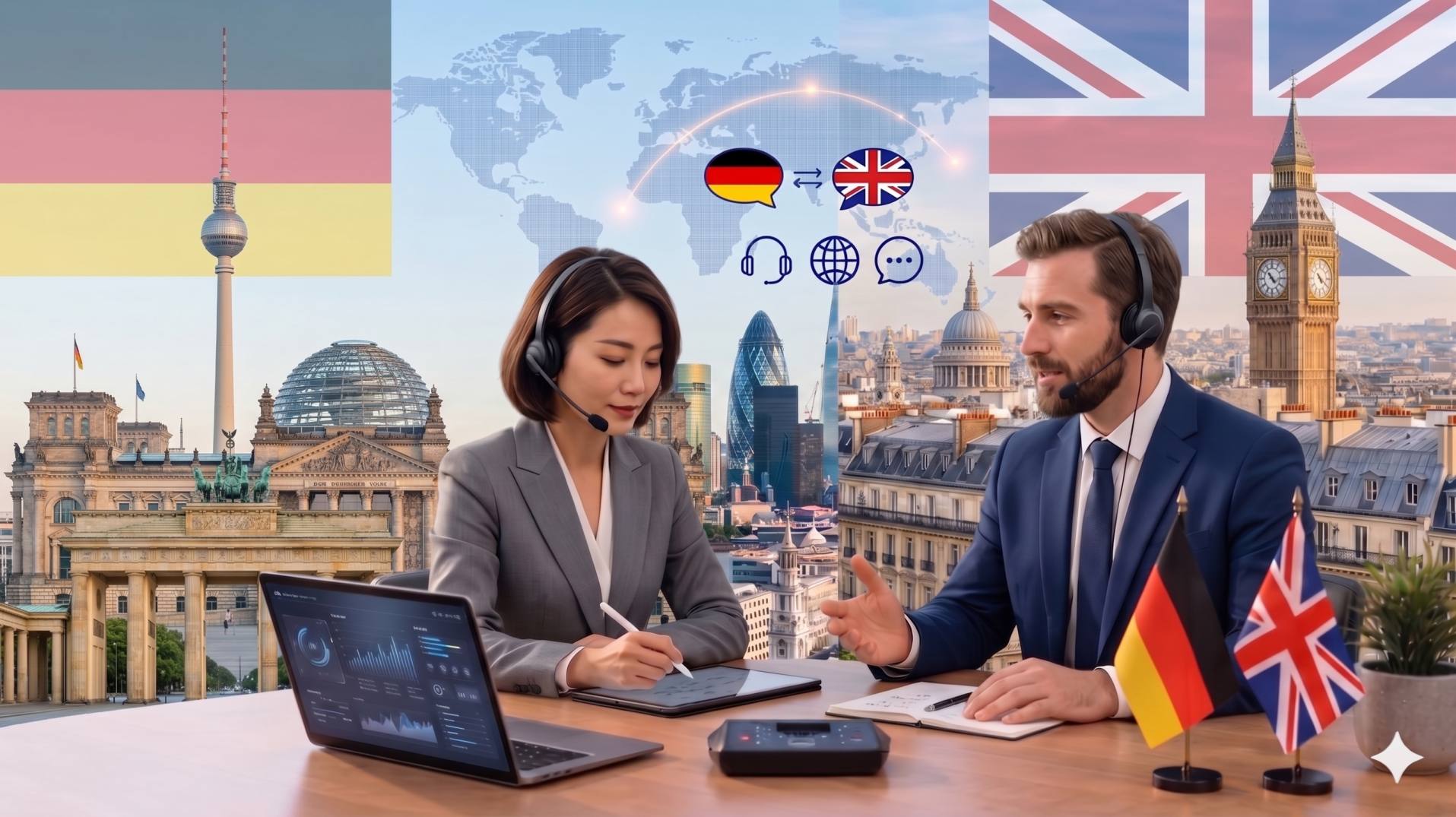
Securing a qualified Spanish interpreter in Burnley town is paramount for effective communication across diverse sectors, from legal proceedings and healthcare access to business negotiations and public services. In a globalised economy and a multicultural society, the need for accurate and culturally sensitive interpretation is more critical than ever. This service ensures that individuals with limited English proficiency can fully engage with essential services, uphold their rights, and participate meaningfully in civic life. For residents and businesses in Burnley, accessing professional interpretation is vital for navigating the complexities of the UK’s legal, medical, and commercial landscapes. This is particularly true when dealing with critical institutions such as the Lancashire County Council, and vital healthcare providers like the East Lancashire Hospitals NHS Trust and the Blackpool Teaching Hospitals NHS Foundation Trust, both of which serve the wider Lancashire region including Burnley.
Translation vs Interpretation
While often used interchangeably, translation and interpretation are distinct linguistic disciplines, each requiring specialised skills and qualifications. Interpretation involves the real-time, oral conversion of spoken language from one tongue to another, demanding immediate comprehension, accurate recall, and fluent delivery. A professional Spanish translator in Burnley town, conversely, works with written text, converting documents, websites, or other written materials. The skills required for each are different: interpreters must possess exceptional auditory processing, memory, and public speaking abilities, often under pressure, while translators need strong writing skills, meticulous attention to detail, and a deep understanding of written nuances and stylistic conventions. For legal documents, medical records, or official correspondence, a certified translator ensures accuracy and legal validity. For live interactions, such as court hearings, medical appointments, or business meetings, a certified interpreter is indispensable. The professional standards for both are rigorously maintained by UK bodies, ensuring quality and reliability for clients engaging these services.
Legal Defence, Immigration, and Courtroom Interpretation
The administration of justice in the United Kingdom relies heavily on the principle of fairness and equal access to legal representation. For individuals who do not speak English as a first language, this principle can only be upheld through the provision of qualified interpreters. The His Majesty’s Courts and Tribunals Service (HMCTS) mandates the use of accredited interpreters in all court and tribunal proceedings where a party’s understanding of English is insufficient. This ensures that defendants, witnesses, and litigants can fully comprehend the proceedings, present their case effectively, and receive a fair trial, as guaranteed under UK law. The National Register of Public Service Interpreters (NRPSI) sets the benchmark for professional standards, with interpreters holding qualifications such as the Diploma in Public Service Interpreting (DPSI) being highly sought after. These interpreters are vetted for their linguistic proficiency, ethical conduct, and understanding of legal terminology and procedures within the UK context. For immigration matters, the UK Visas and Immigration (UKVI) section of the Home Office requires accurate interpretation during interviews and appeals. The First-tier Immigration Tribunal also relies on these professionals to ensure that decisions are made based on a complete and accurate understanding of all evidence presented. Engaging a qualified Spanish interpreter in Burnley town is not merely a matter of convenience but a fundamental requirement for upholding legal rights and ensuring the integrity of the justice system. The accuracy and impartiality of interpreters are crucial, and adherence to the codes of conduct set by bodies like the NRPSI is non-negotiable. This commitment to professional standards ensures that all parties, regardless of their linguistic background, are treated equitably within the UK’s legal framework.
Healthcare and NHS Patient Safety
Patient safety and effective communication are cornerstones of the National Health Service (NHS). In Burnley and the surrounding Lancashire areas, ensuring that all patients, including those who speak Spanish, can communicate their symptoms, understand diagnoses, and follow treatment plans is a critical responsibility. The NHS has established guidelines, aligned with UK GDPR and the Care Quality Commission (CQC), to ensure that language barriers do not compromise patient care. Professional interpreters play a vital role in facilitating clear and accurate communication between healthcare professionals and Spanish-speaking patients. This is essential during consultations, diagnostic procedures, and when discussing complex medical information or treatment options. The NHS England Language Access guidelines emphasize the need for qualified interpreters to ensure that patients can give informed consent and actively participate in their own healthcare decisions. For the East Lancashire Hospitals NHS Trust and other local NHS providers, engaging certified Spanish interpreters ensures that medical records are accurately understood and documented, and that patient confidentiality, as mandated by UK GDPR, is maintained. Misunderstandings due to language barriers can lead to serious medical errors, delayed treatment, and a breakdown in the patient-doctor relationship. Therefore, the availability of professional, qualified interpreters is a non-negotiable aspect of providing safe, equitable, and high-quality healthcare services to all residents of Burnley and beyond. The professional standards expected of these interpreters are high, ensuring they possess not only linguistic fluency but also an understanding of medical terminology and the ethical considerations inherent in healthcare settings.
Technical Interpretation Modalities
The effective delivery of interpretation services in Burnley town depends on selecting the appropriate modality to suit the specific context and requirements of the communication. Several key modes are employed, each with its unique application:
- Simultaneous Interpretation: This is the most demanding form, where the interpreter speaks the translated message almost concurrently with the original speaker, typically using specialised equipment such as booths and headsets. It is ideal for large conferences, international meetings, and high-stakes legal proceedings where time is of the essence and continuous flow of information is crucial.
- Consecutive Interpretation: In this mode, the interpreter listens to a segment of speech, then renders it in the target language after the speaker has finished. This requires excellent memory and note-taking skills. It is commonly used in smaller meetings, one-on-one discussions, medical consultations, and legal interviews where a more deliberate pace is acceptable.
- Escort Interpretation (Liaison Interpretation): This involves the interpreter facilitating communication between two or more parties who speak different languages, often accompanying individuals to business meetings, site visits, or social functions. The interpreter acts as a bridge, ensuring smooth and natural conversation flow.
- Remote Interpretation (Video/Telephone): With advancements in technology, remote interpretation has become increasingly prevalent. Using video conferencing or telephone platforms, interpreters can provide services to clients anywhere, offering flexibility and cost-effectiveness. This modality is particularly useful for routine appointments, quick consultations, or situations where an in-person interpreter is not readily available. For all these modalities, adherence to professional standards set by bodies like the NRPSI and the Chartered Institute of Linguists (CIOL) is essential to guarantee accuracy, impartiality, and confidentiality.
Economic and Social Fabric of Burnley town
Burnley, a historic mill town in Lancashire, possesses a dynamic economic and social landscape that benefits significantly from robust communication infrastructure, including professional interpretation services. The town’s evolution from its industrial past to a modern economic hub necessitates seamless interaction across linguistic divides.
Corporate/Industry
Burnley’s economy is diversifying, with established manufacturing sectors complemented by growth in advanced manufacturing, digital technologies, and professional services. Companies operating in or engaging with Burnley require clear communication for international trade, supply chain management, and attracting a diverse workforce. A qualified Spanish interpreter in Burnley town can facilitate crucial business negotiations, client meetings, and internal communications, ensuring that all parties understand contractual obligations, technical specifications, and company policies. This is vital for fostering strong business relationships and expanding market reach within the UK and internationally. The presence of skilled interpreters supports the town’s ambition to attract foreign investment and foster a globally connected business environment.
Tourism
Burnley and the surrounding Pendle region offer rich historical sites, natural beauty, and cultural attractions that draw visitors from across the UK and abroad. For Spanish-speaking tourists, having access to interpretation services can enhance their experience, whether they are engaging with local businesses, historical sites, or seeking information. While direct interpretation might be less common for casual tourism, the underlying infrastructure of professional linguistic services supports the broader hospitality sector, ensuring that promotional materials can be translated and that businesses are equipped to cater to a diverse clientele. This contributes to Burnley’s reputation as a welcoming destination.
Legal Infrastructure
Burnley is served by a network of legal professionals and courts, including those under the purview of His Majesty’s Courts and Tribunals Service (HMCTS). For individuals involved in legal matters, whether civil, criminal, or family law, the availability of accredited Spanish interpreters is fundamental. Law firms in Burnley and the wider Lancashire area rely on these services to represent their clients effectively, ensuring that proceedings are understood and that justice is administered fairly. The presence of qualified interpreters supports the accessibility of legal advice and representation for the Spanish-speaking community, reinforcing the UK’s commitment to equal access to justice. Professional bodies like the NRPSI and the Disclosure and Barring Service (DBS), which underpins vetting for interpreters, ensure the integrity of these services.
NHS Healthcare
The healthcare system in Burnley, primarily delivered through the East Lancashire Hospitals NHS Trust, serves a diverse population. Ensuring that Spanish-speaking patients receive the highest standard of care requires overcoming language barriers. Professional interpreters are essential for accurate diagnosis, treatment planning, and patient education. The NHS’s commitment to patient safety and equitable care means that access to qualified medical interpreters is a priority. This ensures that patients can communicate their needs effectively, understand medical advice, and provide informed consent, thereby enhancing patient outcomes and satisfaction within the Burnley community.
Local Infrastructure and Transport
Burnley’s infrastructure, including its transport networks, plays a role in facilitating access to essential services, including interpretation. The town is connected by road and rail, allowing for relatively easy travel within Lancashire and to major cities like Manchester and Leeds. This connectivity is important for interpreters travelling to client sites, whether for court appearances, hospital visits, or business meetings. Furthermore, the increasing availability of reliable broadband and telecommunications infrastructure supports the growing demand for remote interpretation services. This ensures that even if an interpreter is not physically present in Burnley, high-quality linguistic support can be delivered efficiently. The local council, Burnley Borough Council, plays a role in supporting local businesses and community services, indirectly benefiting from and contributing to the need for clear communication across all sectors. Reliable transport and communication links are thus foundational to the effective deployment of professional interpretation services in and around Burnley town.
Conclusion
In conclusion, the provision of professional, accredited Spanish interpreter in Burnley town services is an indispensable component of the UK’s commitment to justice, healthcare, and economic opportunity. Whether navigating the complexities of His Majesty’s Courts and Tribunals Service, ensuring patient safety within the NHS, or facilitating international business, the role of a qualified interpreter is paramount. For law firms, NHS trusts, government agencies, and corporations in Burnley and across the UK, engaging with certified linguistic professionals ensures accuracy, compliance, and effective communication. We urge all organisations requiring these critical services to prioritise working with interpreters who meet the rigorous standards set by UK professional bodies, thereby upholding the principles of fairness, safety, and inclusivity for all.