Securing a qualified Spanish interpreter in Cheshire East is paramount for effective communication across a multitude of professional sectors, from legal proceedings to critical healthcare consultations. In a region as dynamic as Cheshire East, which serves a diverse population and hosts a thriving business community, the need for accurate and culturally sensitive language services cannot be overstated. This is particularly true when navigating the complexities of the UK’s legal, healthcare, and public service systems, where precision is not just a matter of convenience but of fundamental right and safety. For residents and businesses in Cheshire East, accessing professional interpreters ensures that language barriers do not impede access to justice, quality healthcare, or vital public services. This document outlines the critical role of professional Spanish interpretation and translation services within the specific context of Cheshire East, highlighting the importance of adhering to UK professional standards and regulations. We understand the vital role that reliable interpretation plays, especially when dealing with sensitive matters within the East Cheshire NHS Trust and the Stockport NHS Foundation Trust, both of which serve significant portions of the Cheshire East population.
Translation vs Interpretation: Understanding the Nuances
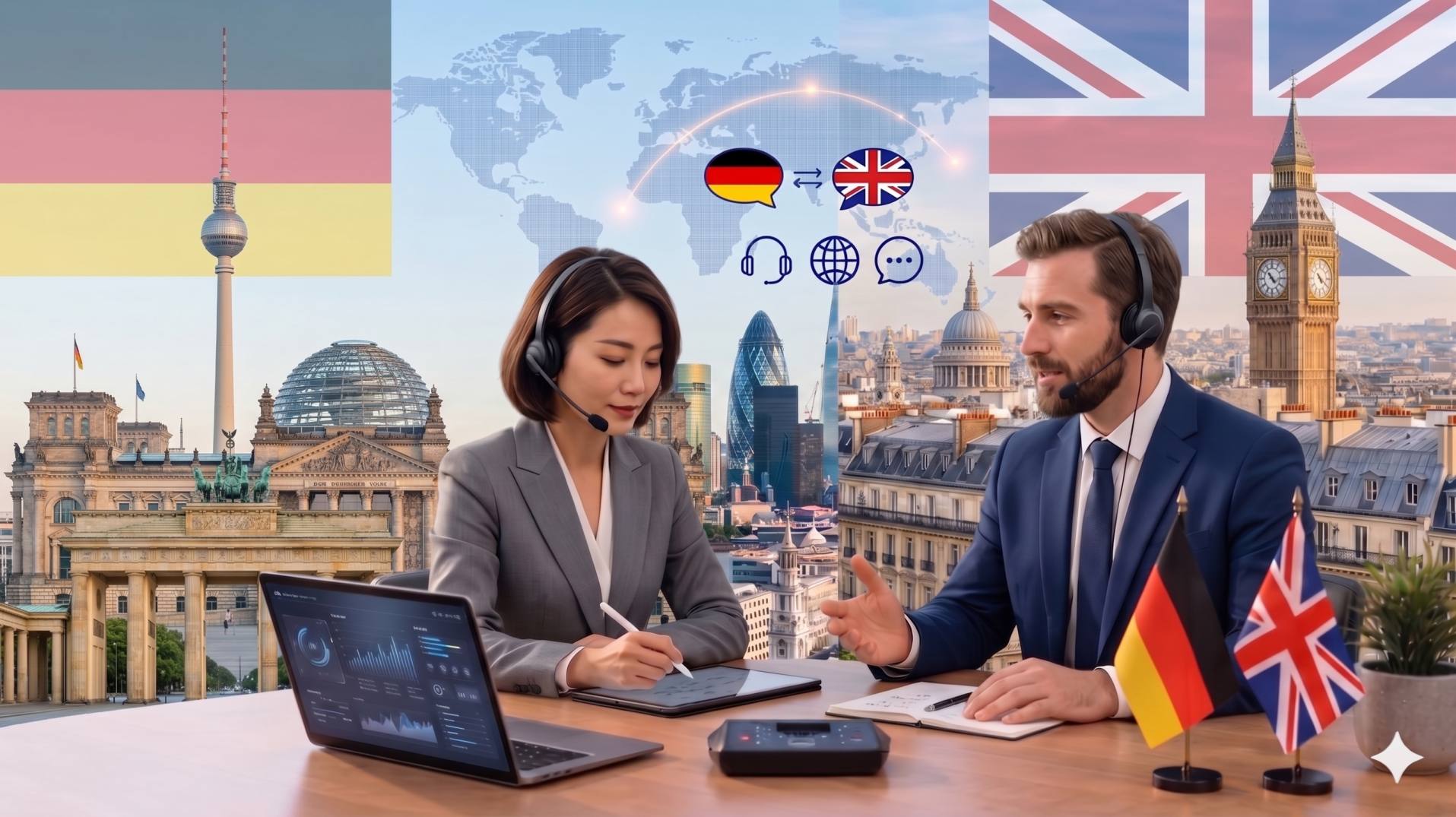
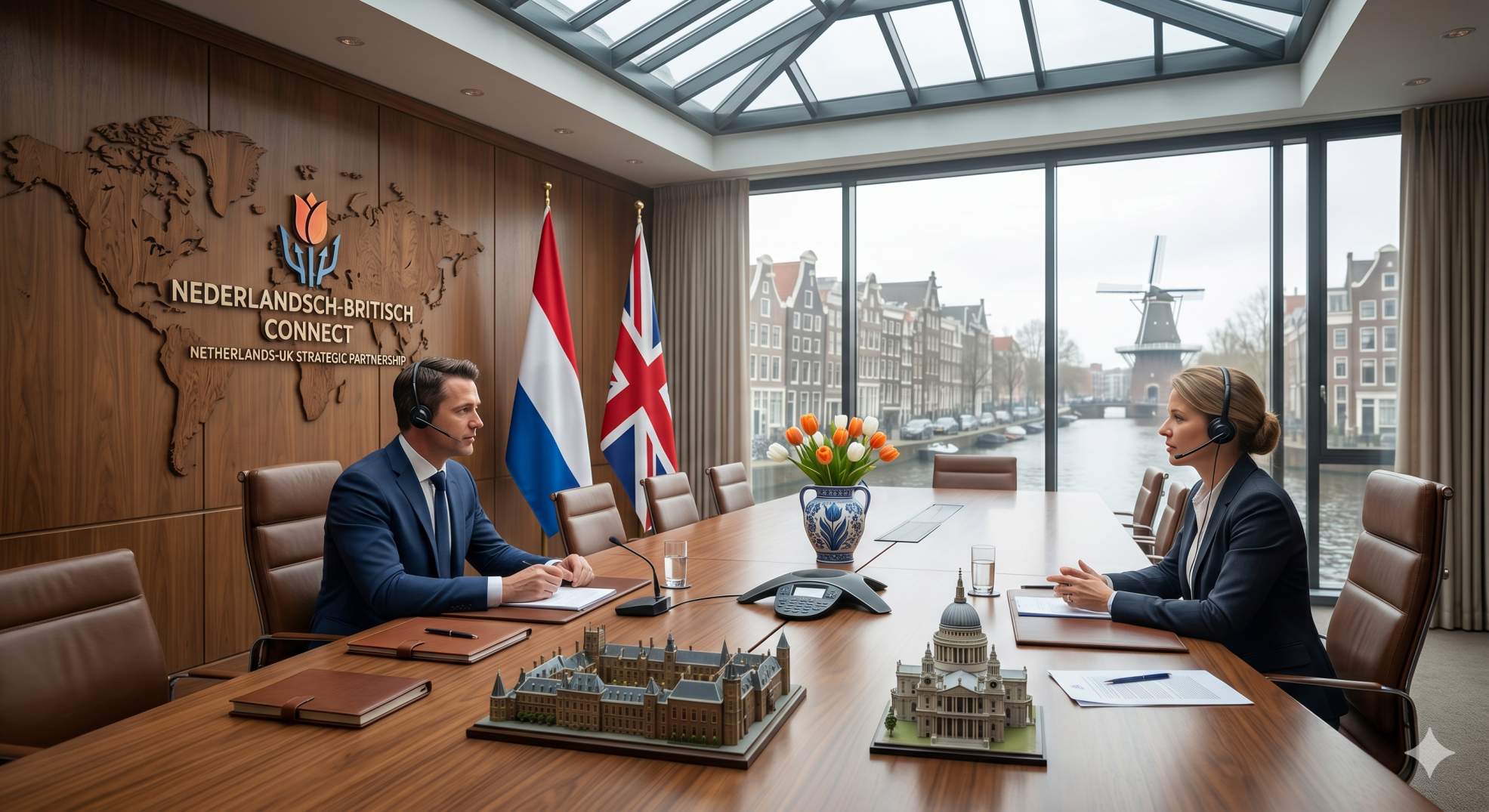
While often used interchangeably, translation and interpretation are distinct linguistic disciplines, each requiring specialised skills and adhering to different professional standards. Understanding this distinction is crucial for corporate buyers, legal professionals, and healthcare providers seeking the most appropriate language support. A professional Spanish translator in Cheshire East works with written text, converting documents, reports, websites, and other written materials from Spanish to English or vice versa. This process demands not only linguistic proficiency but also a deep understanding of subject matter, cultural context, and the nuances of written communication. Translators often use sophisticated software and glossaries to ensure consistency and accuracy, particularly in technical or legal documents. Conversely, a professional Spanish interpreter in Cheshire East facilitates spoken communication in real-time. This involves listening to a speaker in one language and rendering their message accurately and fluently in another. Interpretation requires exceptional listening skills, immediate recall, cultural sensitivity, and the ability to remain neutral and objective. The pressure of real-time communication means interpreters must possess a high degree of confidence and professionalism. For legal proceedings, medical appointments, or business negotiations, the role of the interpreter is to ensure that all parties understand each other clearly and without distortion. The professional standards for interpreters in the UK are rigorously maintained by bodies such as the National Register of Public Service Interpreters (NRPSI), ensuring that only qualified and vetted individuals undertake this critical work. Similarly, translators often adhere to standards set by professional bodies like the Chartered Institute of Linguists (CIOL). Engaging a certified Spanish interpreter or a qualified Spanish translator ensures that the integrity of the communication is maintained, upholding the principles of clarity and accuracy essential in all professional interactions within Cheshire East and beyond.
Legal Defence, Immigration, and Courtroom Interpretation
The administration of justice in the United Kingdom relies heavily on clear and accurate communication, especially in cases involving individuals who do not speak English as their first language. For Spanish speakers involved in legal matters in Cheshire East, access to qualified interpreters is a fundamental right. His Majesty’s Courts and Tribunals Service (HMCTS) mandates the provision of interpreters to ensure fair trials and access to justice for all. This includes proceedings in Magistrates’ Courts, Crown Courts, the Family Court, and various tribunals. A professional Spanish interpreter working within the UK legal system must adhere to strict codes of conduct, often requiring accreditation from bodies like the NRPSI or holding qualifications such as the Diploma in Public Service Interpreting (DPSI). These qualifications ensure interpreters possess the necessary linguistic skills, legal terminology knowledge, and ethical understanding to operate effectively in high-stakes environments. Immigration law is another critical area where expert interpretation is vital. The UK Visas and Immigration (UKVI) section of the Home Office, along with the First-tier Immigration Tribunal, handles complex cases that require precise communication. Spanish-speaking individuals navigating visa applications, asylum claims, or deportation proceedings must have access to interpreters who can accurately convey the details of their case, understand legal jargon, and facilitate clear communication with case workers and legal representatives. Law firms in Cheshire East, particularly those specialising in criminal defence, family law, and immigration, frequently require the services of a skilled Spanish interpreter. The accuracy of interpretation can directly impact the outcome of a case, influencing evidence presented, witness testimonies, and the overall understanding of legal processes by the client. Professional interpreters ensure that clients understand their rights, the charges against them, and the legal procedures involved, thereby upholding the principles of natural justice. Furthermore, the His Majesty’s Courts and Tribunals Service (HMCTS) provides guidance on the use of interpreters, underscoring the importance of impartiality, confidentiality, and professional competence. Engaging an interpreter registered with the NRPSI or holding a DPSI qualification provides assurance of their adherence to these stringent UK standards, ensuring that legal processes in Cheshire East are conducted with fairness and integrity for all Spanish-speaking participants. The Royal Courts of Justice in London also sets precedents and standards that filter down to local courts, reinforcing the need for high-calibre interpretation services across the country.
Healthcare and NHS Patient Safety
Patient safety and effective communication are cornerstones of the National Health Service (NHS) in the UK. For Spanish-speaking patients in Cheshire East, accessing healthcare services without language barriers is crucial for receiving appropriate diagnosis, treatment, and care. The NHS is committed to providing equitable access to healthcare for all, and this includes ensuring that language differences do not compromise patient safety or the quality of care. Professional Spanish interpreters play an indispensable role in NHS trusts, facilitating communication between healthcare professionals and patients during consultations, examinations, and treatment discussions. This is particularly important in primary care settings, hospitals, and specialist clinics. The Care Quality Commission (CQC), the independent regulator of health and social care services in England, emphasises the importance of effective communication in ensuring patient safety and well-being. NHS England also provides guidelines on language services, stressing the need for competent interpreters who understand medical terminology and cultural sensitivities. When a patient cannot communicate effectively in English, the consequences can range from delayed diagnosis and incorrect treatment to medication errors and a general lack of trust in the healthcare system. A qualified Spanish interpreter ensures that patients can fully understand their medical conditions, treatment options, potential risks, and post-treatment care instructions. They also enable patients to express their concerns, symptoms, and preferences accurately to their doctors. This is vital for informed consent, a key principle in UK medical ethics and law. The use of unqualified interpreters, such as family members or friends, is strongly discouraged by the NHS due to potential conflicts of interest, lack of impartiality, and insufficient professional training. Professional interpreters are bound by strict codes of confidentiality, as mandated by UK data protection laws, including the UK General Data Protection Regulation (UK GDPR). This ensures that sensitive patient information remains private. For healthcare providers in Cheshire East, partnering with professional interpreting agencies that supply NRPSI-qualified or similarly accredited Spanish interpreters is essential for maintaining high standards of patient care and safety. This commitment to effective communication supports the overarching goal of the NHS to provide high-quality, accessible healthcare for everyone, regardless of their linguistic background.
Technical Interpretation Modalities
The effective delivery of language services in professional settings within Cheshire East requires an understanding of various interpretation modalities, each suited to different contexts and communication needs. Choosing the right modality ensures that communication is efficient, accurate, and appropriate for the situation. The primary modalities include:
- Simultaneous Interpretation: This is the most demanding form of interpretation, where the interpreter speaks almost concurrently with the speaker, often in a soundproof booth using specialised equipment. It is commonly used in large conferences, international meetings, and parliamentary sessions where multiple languages are spoken and time is critical. The interpreter listens through headphones and speaks into a microphone, rendering the speech in the target language with minimal delay.
- Consecutive Interpretation: In this mode, the interpreter listens to a segment of speech (a sentence or a few sentences) and then renders it into the target language once the speaker pauses. This requires excellent memory, note-taking skills (using a system like the Cornelian method), and the ability to deliver the message fluently. Consecutive interpretation is often used in smaller meetings, legal depositions, medical consultations, and one-on-one interviews where direct, sequential communication is preferred.
- Escort Interpretation (Liaison Interpretation): This involves the interpreter accompanying a client or group to facilitate communication in various settings, such as business meetings, factory tours, site visits, or social events. The interpreter acts as a bridge between parties, often interpreting in both directions (e.g., English to Spanish and Spanish to English) in a more informal, conversational manner. This modality is crucial for building rapport and ensuring smooth interactions in business and diplomatic contexts.
- Remote Interpretation (Telephone/Video): With advancements in technology, remote interpretation has become increasingly common and valuable. This can be done over the telephone (voice-to-voice) or via video conferencing platforms. Remote interpretation offers flexibility, cost-effectiveness, and rapid access to interpreters, making it ideal for situations where an on-site interpreter is not feasible or necessary, such as routine phone calls, short meetings, or urgent consultations. Professional agencies ensure that remote interpreters are still qualified and adhere to the same professional standards as their on-site counterparts.
For businesses and organisations in Cheshire East, understanding these modalities allows for the selection of the most appropriate and cost-effective service. Whether it’s a high-level corporate negotiation requiring simultaneous interpretation or a patient-doctor discussion needing consecutive interpretation, the right choice ensures clarity and effectiveness. Professional bodies like the International Association of Conference Interpreters (AIIC) and the NRPSI provide guidance on best practices for these different modes of interpretation, ensuring quality and professionalism across all applications.
Economic and Social Fabric of Cheshire East
Cheshire East is a diverse and economically significant region in the North West of England, encompassing market towns, rural areas, and a growing business sector. Understanding its economic and social landscape is key to appreciating the demand for professional language services, including Spanish interpretation and translation.
Corporate and Industry Landscape
The region boasts a strong economy with key sectors including advanced manufacturing, digital technology, professional services, and agriculture. Major companies and a vibrant small and medium-sized enterprise (SME) sector operate within Cheshire East. For these businesses, engaging with international markets, suppliers, or clients who speak Spanish presents opportunities and challenges. Professional Spanish interpreters and translators are essential for facilitating international trade, conducting cross-border negotiations, managing multilingual marketing campaigns, and ensuring compliance with international business standards. Accurate translation of contracts, technical manuals, and marketing materials, alongside effective interpretation in business meetings, can be the difference between a successful international venture and a costly misunderstanding. The presence of a skilled Spanish-speaking workforce or the ability to access such services enhances the region’s attractiveness for foreign investment and international collaboration.
Tourism and Hospitality
Cheshire East benefits from significant tourism, attracting visitors to its historic towns, natural landscapes like the Peak District National Park (partially within the borough), and numerous attractions. As international travel recovers, Spanish-speaking tourists represent an important demographic. The hospitality sector, including hotels, restaurants, and visitor attractions, can enhance their service offering by providing information and assistance in Spanish. This could involve translated menus, brochures, website content, or even on-site interpretation services for larger events or specific guest needs. Providing multilingual support not only improves the visitor experience but also boosts the local economy by encouraging longer stays and repeat visits.
Legal Infrastructure
Cheshire East is served by a network of legal professionals, including solicitors and barristers’ chambers, operating within the UK’s established legal framework. As previously discussed, the demand for Spanish interpreters within this sector is driven by the need to serve Spanish-speaking individuals involved in criminal, civil, family, and immigration law cases. The local courts and legal aid agencies rely on accredited interpreters to ensure access to justice. Law firms that can offer or readily access professional Spanish language support gain a competitive advantage in serving a diverse clientele and handling complex cases involving international elements or non-native English speakers.
NHS Healthcare Provision
The region’s healthcare system, primarily delivered by NHS trusts such as the East Cheshire NHS Trust and supported by the wider Cheshire and Merseyside Integrated Care System (https://www.cheshireandmerseyside.icb.nhs.uk/), serves a substantial population. Ensuring that Spanish-speaking residents can access and understand healthcare services is a critical public health objective. Professional interpreters are indispensable for effective patient care, enabling clear communication during medical appointments, hospital stays, and when accessing community health services. This commitment to inclusive healthcare strengthens community well-being and ensures that all residents receive the quality of care they are entitled to under UK health regulations.
Local Infrastructure and Transport
Cheshire East benefits from a well-developed infrastructure network, facilitating both business operations and resident mobility. The region is strategically located with excellent transport links, including proximity to major motorways such as the M6, M56, and M60, providing efficient access to the North West’s major cities like Manchester and Liverpool, as well as national and international transport hubs like Manchester Airport. This connectivity is vital for businesses requiring seamless logistics and for individuals needing to travel for work or personal reasons. Public transport services, including bus routes and rail links operated by various train operating companies, connect the towns and villages within Cheshire East and to surrounding areas. For professional interpreters and translators, this robust infrastructure means they can efficiently reach clients across the region, whether for on-site interpretation at a business meeting in Crewe, a legal appointment in Macclesfield, or a healthcare facility in Congleton. The ease of travel supports the timely delivery of essential language services, ensuring that businesses and public services in Cheshire East can operate effectively and inclusively. Furthermore, the region’s commitment to developing its digital infrastructure supports the growing trend of remote interpretation services, offering even greater accessibility and flexibility for clients requiring Spanish language support.
Conclusion
In conclusion, the demand for professional Spanish interpreter in Cheshire East is multifaceted, driven by the region’s dynamic economy, diverse population, and adherence to the high standards of UK professional, legal, and healthcare systems. Whether for navigating the complexities of His Majesty’s Courts and Tribunals Service (HMCTS), ensuring patient safety within the NHS, facilitating international business, or supporting community integration, the role of qualified interpreters and translators is indispensable. By engaging accredited professionals who adhere to UK standards and ethical codes, organisations in Cheshire East can overcome language barriers, ensure compliance, and foster effective communication. For any organisation or individual requiring expert Spanish language services in Cheshire East, seeking out NRPSI-qualified interpreters or DPSI-certified translators is the benchmark for ensuring accuracy, confidentiality, and professionalism. Ensure your communication needs are met with the highest standard of linguistic expertise available in the UK.