
Securing a qualified Spanish interpreter in Rochdale town is paramount for effective communication across diverse sectors within the UK’s professional landscape. Whether navigating the complexities of His Majesty’s Courts and Tribunals Service (HMCTS), ensuring patient safety within the National Health Service (NHS), or facilitating international business dealings, the need for precise and culturally attuned interpretation is undeniable. Rochdale, a vibrant town with a growing economic profile, relies on robust linguistic support to connect its residents and businesses with essential services and opportunities. This includes seamless access to healthcare providers such as the Northern Care Alliance NHS Group (https://www.northerncare.org/) and the Pennine Care NHS Foundation Trust (https://www.penninecare.nhs.uk/), both of which serve the Rochdale community and adhere to stringent NHS England Language Access guidelines, ensuring that non-native English speakers receive equitable care.
Translation vs Interpretation
While often used interchangeably, translation and interpretation are distinct linguistic disciplines, each requiring specialised skills and qualifications. Interpretation involves the real-time, spoken conversion of one language into another, demanding immediate comprehension, accurate recall, and fluent delivery. A Spanish interpreter in Rochdale town must possess not only linguistic proficiency but also a deep understanding of cultural nuances, legal terminology, and the specific context of the communication. This is crucial in high-stakes environments like legal proceedings or medical consultations where miscommunication can have severe consequences. Translation, conversely, deals with the written word, converting text from one language to another. While both require linguistic expertise, the skills for a Spanish translator in Rochdale town focus on written accuracy, stylistic fidelity, and the preservation of meaning in a static format. Professional bodies like the Chartered Institute of Linguists (CIOL) (https://www.ciol.org.uk/) and the National Register of Public Service Interpreters (NRPSI) (https://www.nrpsi.uk/) set rigorous standards for both professions, ensuring practitioners are qualified and adhere to strict codes of conduct.
Legal Defence, Immigration, and Courtroom Interpretation
The administration of justice in the UK is built upon the principle of fairness and equal access to legal representation, regardless of a person’s linguistic background. For individuals who speak Spanish, accessing the legal system, whether through HMCTS, the Home Office, or private legal firms, necessitates the support of highly skilled and accredited interpreters. These professionals play a vital role in ensuring that evidence is understood, statements are accurately conveyed, and legal advice is comprehended. The NRPSI maintains a register of qualified public service interpreters, and adherence to their standards is often a requirement for interpreters working in sensitive legal contexts. This includes providing interpretation for criminal and civil court cases heard before His Majesty’s Courts and Tribunals Service (HMCTS), immigration tribunals, and police interviews. The DPSI (Diploma in Public Service Interpreting) qualification is a benchmark for interpreters working in these demanding fields. Interpreters must maintain strict impartiality and confidentiality, adhering to the codes of professional conduct set by bodies like the NRPSI. In immigration matters, accurate interpretation is critical for applications processed by the UK Visas and Immigration (UKVI), ensuring that individuals can effectively communicate their circumstances to the Home Office and the First-tier Immigration Tribunal. The Royal Courts of Justice and other judicial centres across the UK rely on a network of qualified interpreters to uphold the integrity of legal proceedings.
Healthcare and NHS Patient Safety
Patient safety and effective communication are cornerstones of the NHS. For Spanish-speaking patients in Rochdale town, accessing timely and accurate medical information and consultations is essential for their well-being. The NHS England Language Access guidelines mandate that healthcare providers must ensure that patients with limited English proficiency have access to qualified interpreters. This is particularly important when discussing diagnoses, treatment plans, consent for procedures, and managing chronic conditions. Interpreters working within the NHS must not only be linguistically competent but also understand medical terminology and the sensitive nature of healthcare interactions. They are bound by strict confidentiality agreements, in line with UK GDPR principles, and must adhere to professional codes of conduct. The Care Quality Commission (CQC) (https://www.cqc.org.uk/), the independent regulator of health and social care services in England, emphasises the importance of effective communication in ensuring high-quality patient care. Interpreters facilitate communication between Spanish-speaking patients and clinicians at facilities managed by trusts such as the Northern Care Alliance NHS Group and Pennine Care NHS Foundation Trust, ensuring that patients can fully participate in their care decisions and that clinicians have all the necessary information to provide the best possible treatment. The use of unqualified or untrained interpreters can lead to serious misunderstandings, diagnostic errors, and adverse patient outcomes, underscoring the critical need for professional, accredited Spanish interpreters in Rochdale town’s healthcare settings.
Technical Interpretation Modalities
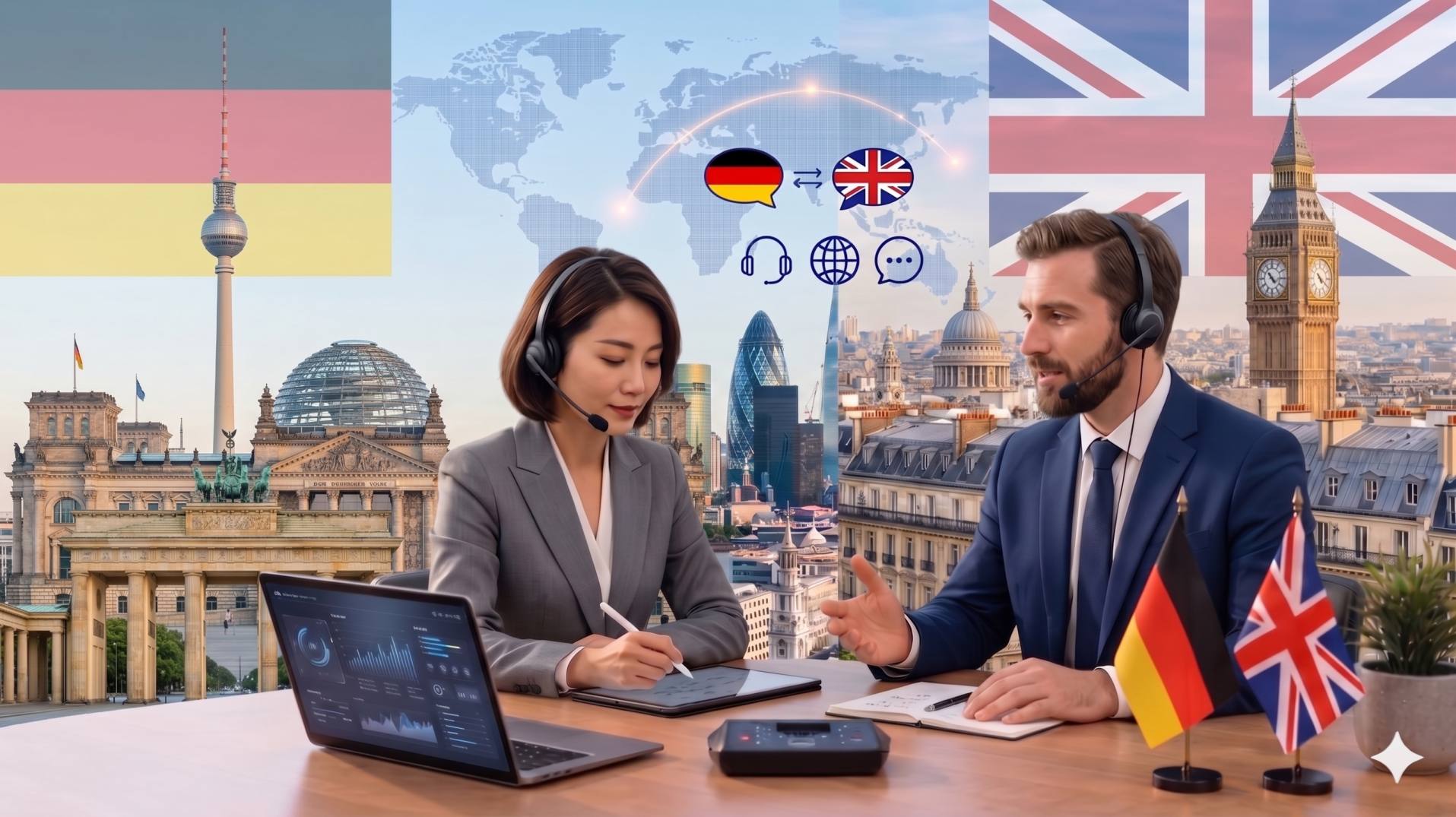
The choice of interpretation modality depends heavily on the specific context and requirements of the communication. For a Spanish interpreter in Rochdale town, proficiency in various techniques is essential to meet the diverse needs of clients. Simultaneous interpretation is commonly used in conferences, large meetings, and broadcast settings, where the interpreter conveys the message in the target language with minimal delay, often using specialised equipment like booths and headsets. This requires intense concentration and rapid processing. Consecutive interpretation is more suited for smaller meetings, one-on-one discussions, or legal depositions, where the interpreter listens to a segment of speech, renders it into the target language, and then pauses for the speaker to continue. This allows for more detailed and nuanced communication. Escort interpretation, also known as liaison interpretation, facilitates communication between parties speaking different languages in social or business settings, such as factory tours, site visits, or informal business meetings. The interpreter acts as a bridge, ensuring smooth dialogue. In recent years, remote interpretation services have become increasingly prevalent, utilising telephone or video conferencing platforms. This modality offers flexibility and cost-effectiveness, especially for situations where in-person interpretation is not feasible or necessary. Professional bodies like the Association of Police and Court Interpreters (APCI) and the International Association of Conference Interpreters (AIIC) (https://www.aiic.net/) provide frameworks and training for these different modes of interpretation, ensuring interpreters are equipped to handle a wide range of assignments.
Economic and Social Fabric of Rochdale town
Rochdale town possesses a dynamic economic and social landscape, where effective communication in Spanish can unlock significant opportunities and foster greater inclusion. The town’s evolving industries, its growing tourism potential, and its established legal and healthcare infrastructures all benefit from accessible language services. A professional Spanish interpreter in Rochdale town acts as a vital conduit, bridging linguistic divides and facilitating smoother operations across various sectors.
Corporate and Industry
Rochdale’s industrial heritage is being revitalised with new businesses and sectors emerging. For companies engaged in international trade, seeking to expand into Spanish-speaking markets, or employing a Spanish-speaking workforce, professional interpretation and translation services are indispensable. This includes facilitating negotiations, training sessions, client meetings, and internal communications. Access to accurate Spanish language support can enhance business relationships, improve employee engagement, and ensure compliance with UK employment law.
Tourism
As Rochdale continues to develop its visitor attractions and promote itself as a destination, catering to a diverse range of tourists, including those from Spanish-speaking countries, becomes increasingly important. Providing information in Spanish, offering guided tours with Spanish-speaking guides, and ensuring hospitality staff can communicate effectively with Spanish-speaking visitors can significantly enhance the visitor experience and boost local tourism revenue. Professional interpretation services can assist in developing multilingual marketing materials and supporting tourism-related businesses.
Legal Infrastructure
Rochdale’s legal sector, serving both local residents and businesses, requires robust language support to ensure access to justice for all. Law firms and legal professionals dealing with clients who speak Spanish rely on accredited interpreters for consultations, court appearances, and the preparation of legal documents. This ensures that all parties understand proceedings and can effectively exercise their legal rights within the UK’s justice system, overseen by HMCTS.
NHS Healthcare
The provision of healthcare services within Rochdale town, as delivered by NHS trusts like the Northern Care Alliance NHS Group and Pennine Care NHS Foundation Trust, is a critical area where Spanish interpretation is essential. Ensuring that Spanish-speaking patients can communicate their symptoms, understand medical advice, and provide informed consent is fundamental to patient safety and effective treatment. Professional interpreters bridge the communication gap, ensuring equitable access to high-quality NHS care for the Spanish-speaking community.
Local Infrastructure and Transport
Rochdale town benefits from a developing local infrastructure and transport network that connects it to Greater Manchester and beyond. Efficient public transport, road networks, and digital connectivity are vital for residents and businesses. For Spanish-speaking individuals navigating these systems, whether for daily commutes, accessing services, or engaging with local authorities, clear communication is key. Information provided by Transport for Greater Manchester (https://tfgm.com/) and local council services needs to be accessible. Professional interpreters can assist in ensuring that information regarding transport schedules, service disruptions, and local amenities is understood by the Spanish-speaking community, promoting greater integration and ease of access to essential services. The availability of skilled interpreters supports the town’s commitment to inclusivity and accessibility for all its residents.
Conclusion
In conclusion, the demand for professional language services in Rochdale town is significant and multifaceted. Whether you require a certified Spanish interpreter in Rochdale town for legal proceedings at HMCTS, critical consultations within the NHS, or nuanced business negotiations, engaging qualified professionals is non-negotiable. These experts ensure accuracy, maintain confidentiality, and uphold the ethical standards expected within the UK’s professional services. By prioritising professional interpretation, businesses, legal firms, and healthcare providers in Rochdale town can foster stronger relationships, ensure equitable access to services, and contribute to a more inclusive and prosperous community. Contact us today to discuss your specific Spanish interpretation needs and ensure seamless communication for your organisation.