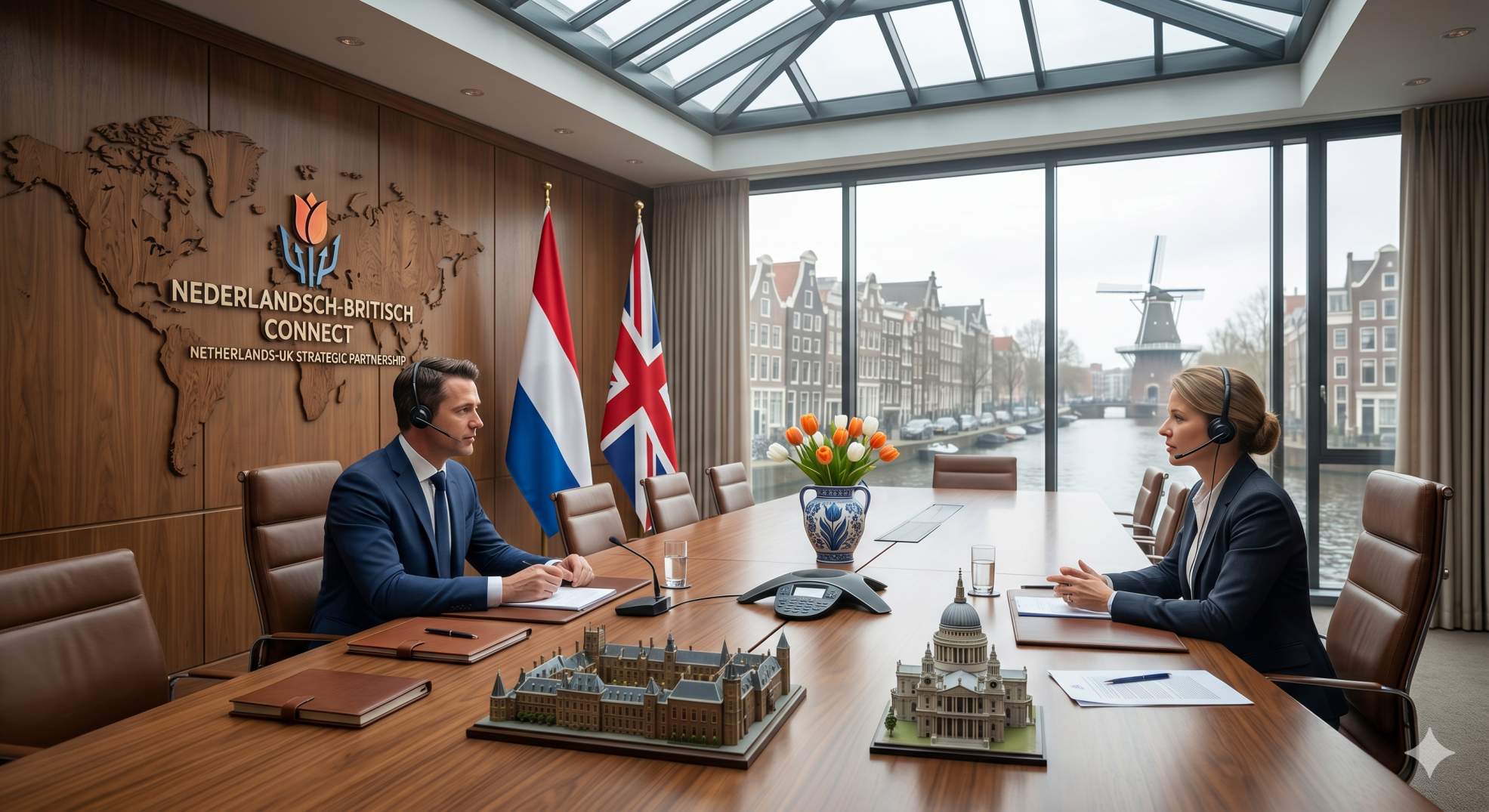
Securing a highly qualified Swedish interpreter in Cardiff is paramount for effective communication across diverse sectors, from legal proceedings within His Majesty’s Courts and Tribunals Service (HMCTS) to critical healthcare interactions within the NHS. Cardiff, as the vibrant capital of Wales, hosts a dynamic economic landscape and a growing international community, necessitating professional language support. This is particularly true for Swedish speakers who require accurate and nuanced interpretation to navigate the complexities of UK institutions, including vital services provided by Cardiff and Vale University Health Board and Cwm Taf Morgannwg University Health Board. Ensuring clarity and precision in every interaction upholds professional standards, facilitates access to justice, and guarantees patient safety, aligning with the stringent requirements of UK law and healthcare provision.
Translation vs Interpretation
While often used interchangeably, translation and interpretation are distinct linguistic disciplines, each requiring specialised skills and adhering to different professional standards. Interpretation involves the real-time, oral conversion of spoken or signed language from one language to another. This demands not only linguistic fluency but also cultural understanding, rapid cognitive processing, and the ability to convey meaning accurately and impartially under pressure. A professional interpreter must possess a deep understanding of the subject matter, whether it be legal terminology, medical jargon, or technical specifications. In contrast, translation deals with the written word, converting text from a source language to a target language. This process allows for more time for research, editing, and refinement to ensure accuracy and stylistic fidelity. For those seeking a Swedish translator in Cardiff, the focus is on producing high-quality written documents, such as contracts, reports, or marketing materials. However, when live communication is essential, such as in a courtroom, a hospital consultation, or a business meeting, the services of a skilled Swedish interpreter are indispensable. Professional bodies like the National Register of Public Service Interpreters (NRPSI) and the Chartered Institute of Linguists (CIOL) set rigorous standards for both translators and interpreters, ensuring competence and ethical conduct within the UK professional services market.
Legal Defence, Immigration, and Courtroom Interpretation
The administration of justice in the United Kingdom relies heavily on the principle of equal access to legal processes for all individuals, regardless of their language proficiency. For Swedish speakers involved in legal matters in Cardiff, access to accredited interpreters is not merely a convenience but a fundamental right. His Majesty’s Courts and Tribunals Service (HMCTS) mandates the provision of qualified interpreters to ensure fair hearings. This applies to a wide range of proceedings, including criminal trials, civil disputes, family law cases, and immigration tribunals. The First-tier Immigration Tribunal, for instance, frequently requires interpreters to facilitate communication between applicants, legal representatives, and tribunal judges. Professional interpreters working in this domain must adhere to the strict codes of conduct established by bodies like the NRPSI, which accredits interpreters based on their qualifications, experience, and ethical standards. Many interpreters also hold the Diploma in Public Service Interpreting (DPSI), a recognised qualification for public service interpreters in the UK. This ensures that legal professionals, including solicitors and barristers in Cardiff, can rely on interpreters who understand the nuances of UK legal terminology and courtroom etiquette. The Home Office and UK Visas and Immigration (UKVI) also depend on accurate interpretation for interviews and application processes, underscoring the critical role of Swedish interpreters in navigating the UK’s immigration system. The integrity of the legal process, from initial police interviews to final judgments delivered in the Royal Courts of Justice, hinges on the impartiality and accuracy of these language professionals.
Healthcare and NHS Patient Safety
Patient safety and effective communication are cornerstones of the National Health Service (NHS) in the UK. For Swedish-speaking patients in Cardiff, accessing healthcare services without a language barrier is crucial for accurate diagnosis, treatment, and overall well-being. The NHS operates under strict guidelines, including those from NHS England, which emphasise the importance of providing language support to ensure equitable care. Cardiff and Vale University Health Board and Cwm Taf Morgannwg University Health Board, serving the Cardiff region, are committed to meeting the diverse linguistic needs of their patient populations. This includes providing access to qualified Swedish interpreters for consultations, medical examinations, and hospital stays. The Care Quality Commission (CQC) monitors and inspects health and social care services, with effective communication being a key performance indicator. Interpreters in healthcare settings must not only be linguistically proficient but also possess a thorough understanding of medical terminology and ethical considerations, such as patient confidentiality, which is governed by UK GDPR. The accuracy of an interpreter’s rendition can directly impact treatment decisions, medication adherence, and patient consent. Professional interpreters working within the NHS are often required to hold specific qualifications, such as the DPSI, and adhere to the NRPSI code of conduct, ensuring they maintain impartiality and confidentiality. This commitment to professional standards safeguards vulnerable patients and upholds the quality of care delivered by NHS trusts across the UK.
Technical Interpretation Modalities
The effective delivery of interpretation services in Cardiff, particularly for Swedish speakers, depends on selecting the appropriate modality for the specific context. Several technical interpretation modes are employed, each suited to different communication scenarios:
- Simultaneous Interpretation: This is the most demanding form of interpretation, where the interpreter speaks the target language almost concurrently with the source language speaker, typically with a slight delay of a few seconds. It requires highly specialised skills and is often used in large conferences, international meetings, or live broadcasts where immediate comprehension is necessary. Specialist equipment, such as soundproof booths and headsets, is usually required.
- Consecutive Interpretation: In this mode, the interpreter listens to a segment of speech (a sentence or a few sentences) and then renders it into the target language. This is common in smaller meetings, legal depositions, medical appointments, and one-on-one discussions. It allows for a more natural flow of conversation than simultaneous interpretation but requires the speaker to pause periodically.
- Escort Interpretation: Also known as liaison interpretation, this mode facilitates communication between two or more parties who speak different languages. The interpreter acts as a bridge, interpreting for each person as needed during tours, business negotiations, or informal meetings. The focus is on facilitating smooth, interpersonal communication.
- Remote Interpretation (RSI): With advancements in technology, remote interpretation has become increasingly prevalent. This can encompass various forms, including telephone interpreting (over-the-phone interpretation, OPI) and video remote interpreting (VRI). RSI allows clients in Cardiff to access Swedish interpreters regardless of geographical location, offering flexibility and cost-effectiveness for certain types of assignments, such as scheduled phone calls or quick consultations. However, careful consideration must be given to the technical setup and the nature of the communication to ensure its suitability.
The choice of modality directly impacts the effectiveness of communication and the overall success of the interaction, whether it’s a legal consultation, a business negotiation, or a medical appointment. Professional interpreters, often accredited by bodies like the NRPSI or holding qualifications such as the DPSI, are adept at advising clients on the most appropriate interpretation method.
Economic and Social Fabric of Cardiff
Cardiff’s status as the capital of Wales has fostered a diverse and dynamic economic and social environment, creating a significant demand for professional language services, including Swedish interpretation and translation. The city’s growth is underpinned by several key sectors, each with its own unique linguistic requirements.
Corporate and Industry
Cardiff has established itself as a hub for various industries, including financial services, technology, and advanced manufacturing. Many international companies have a presence in the city, leading to a need for seamless communication in business dealings, client interactions, and internal operations. Swedish businesses looking to invest or collaborate in Cardiff, or Welsh companies expanding into Sweden, require expert Swedish interpreters and translators to navigate contracts, market research, technical specifications, and corporate communications. Professional bodies like the Association of Translation Companies (ATC) and the Institute of Translation and Interpreting (ITI) represent the high standards expected in this sector, ensuring that businesses can engage with confidence. The presence of skilled language professionals facilitates smoother international trade and strengthens Cardiff’s position as a competitive business centre.
Tourism
As a major tourist destination, Cardiff attracts visitors from across the globe, including a notable number from Scandinavian countries. The tourism sector, encompassing hotels, attractions, visitor information centres, and hospitality services, benefits immensely from accessible language support. Providing Swedish-speaking staff or readily available interpretation services enhances the visitor experience, encouraging repeat business and positive word-of-mouth referrals. This not only benefits individual businesses but also contributes to Cardiff’s reputation as a welcoming and accessible city for international travellers. The Welsh Government actively promotes tourism, and supporting linguistic diversity is a key component of this strategy.
Legal Infrastructure
Cardiff boasts a robust legal sector, with numerous law firms, barristers’ chambers, and legal support services. The presence of His Majesty’s Courts and Tribunals Service (HMCTS) facilities in the city means that legal interpretation is a constant requirement. Swedish individuals involved in legal disputes, immigration matters, or commercial litigation within Cardiff require the services of NRPSI-registered interpreters to ensure their cases are understood and presented accurately. The demand for qualified Swedish interpreters in legal settings highlights the importance of the legal infrastructure in supporting the city’s international connections and upholding the principles of justice for all residents and visitors.
NHS Healthcare
The National Health Service (NHS) in Cardiff, represented by organisations like Cardiff and Vale University Health Board, is a critical service provider. The increasing diversity of the population means that access to interpreters is vital for effective healthcare delivery. Swedish patients, whether residents or visitors, must be able to communicate their symptoms, understand diagnoses, and consent to treatments without linguistic impediments. The commitment of the NHS to patient safety and equitable care necessitates the availability of professional Swedish interpreters, ensuring that all patients receive the highest standard of medical attention, in line with CQC standards and NHS England guidelines.
Local Infrastructure and Transport
Cardiff’s infrastructure plays a crucial role in facilitating communication and accessibility for its diverse population and international visitors. The city’s transport network, including its international airport connections, mainline railway stations, and extensive bus services, ensures that people can move around efficiently. For professional interpreters and translators in Cardiff, this means they can readily travel to client sites, whether it’s a corporate office, a legal chamber, or an NHS facility. The availability of reliable public transport and major road networks supports the logistical needs of the language services industry. Furthermore, the growing adoption of digital communication technologies, supported by robust internet infrastructure, enables the seamless delivery of remote interpretation services, connecting Swedish speakers with interpreters across the UK and beyond. This integrated approach to infrastructure and technology ensures that Cardiff remains a well-connected and accessible city for all its stakeholders, including those requiring specialised Swedish language support.
Conclusion
For any organisation or individual in Cardiff requiring precise and professional communication with Swedish speakers, engaging a qualified Swedish interpreter in Cardiff is an essential step. Whether navigating the complexities of UK legal frameworks under HMCTS, ensuring patient safety within the NHS, or fostering international business relationships, the need for expert linguistic services is undeniable. By prioritising accredited interpreters who adhere to the rigorous standards set by bodies such as the NRPSI, you guarantee accuracy, impartiality, and confidentiality. We are committed to providing top-tier Swedish interpretation and translation services tailored to the specific needs of the UK professional services market. Contact us today to discuss your requirements and ensure your communication objectives are met with the highest level of professionalism and expertise.