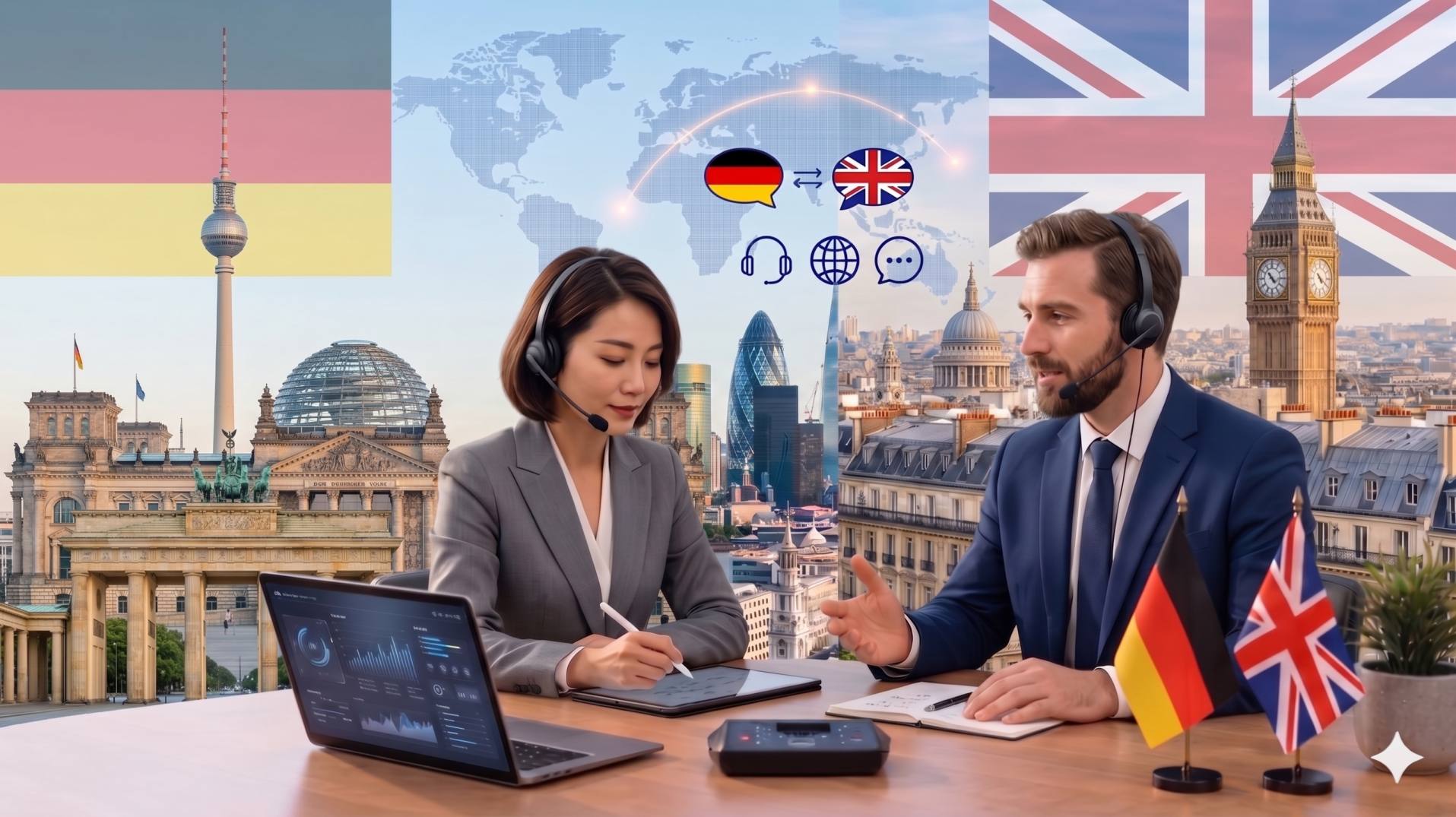
Securing a qualified Swedish interpreter in Inverness is paramount for ensuring clear communication and access to justice, healthcare, and essential services within the Highlands and across the United Kingdom. Whether you are a legal professional requiring accurate testimony in His Majesty’s Courts and Tribunals Service (HMCTS), a healthcare provider needing to communicate vital information to a Swedish-speaking patient, or a business engaging with international partners, the availability of professional interpretation is non-negotiable. In Inverness, the demand for specialised language services is met by a network of highly skilled professionals, capable of bridging linguistic divides in critical environments. The local NHS trusts serving the Inverness area, such as NHS Highland and its associated services, alongside the broader national health framework, rely on accurate interpretation to uphold patient safety and adhere to the stringent standards set by NHS England’s Language Access guidelines and UK GDPR. This page explores the critical role of Swedish interpreters and translators in Inverness, detailing the nuances of their profession and their indispensable contribution to the region’s economic and social landscape.
Translation vs Interpretation
While often used interchangeably, translation and interpretation are distinct disciplines, each requiring a unique skill set. Interpretation involves the real-time, oral conversion of spoken or signed language from one language to another. This is a dynamic process that demands not only linguistic fluency but also cultural understanding, quick thinking, and the ability to convey nuance, tone, and intent accurately. A Swedish interpreter in Inverness must be adept at handling live conversations, whether in a courtroom, a medical consultation, or a business meeting. Conversely, translation deals with the written word, converting text from a source language to a target language. This process allows for more deliberation, research, and editing to ensure accuracy and fidelity to the original document. For legal documents, medical reports, or business contracts, a professional Swedish translator in Inverness is essential. The distinction is crucial when engaging language services; for spoken communication, an interpreter is required, while for written materials, a translator is the appropriate professional. Both roles are vital for effective communication, and professional bodies like the Chartered Institute of Linguists (CIOL) and the National Register of Public Service Interpreters (NRPSI) set the standards for both professions within the UK.
Legal Defence, Immigration, and Courtroom Interpretation
The administration of justice in the United Kingdom relies heavily on the principle of equality of arms, which necessitates that all parties have a fair opportunity to present their case. For individuals who do not speak English, this fairness is contingent upon the availability of qualified interpreters. In Inverness, as across Scotland and the rest of the UK, Swedish interpreters play a critical role in the legal system. They are indispensable in proceedings before His Majesty’s Courts and Tribunals Service (HMCTS), including civil courts, criminal courts, and various tribunals. Interpreters must adhere to strict codes of conduct, ensuring impartiality, confidentiality, and accuracy. The NRPSI maintains a register of qualified public service interpreters, and many legal professionals seek interpreters listed on this register or holding equivalent qualifications such as the Diploma in Public Service Interpreting (DPSI). This ensures a high standard of competence and ethical practice. Furthermore, immigration law is a significant area where Swedish interpretation is vital. Individuals seeking asylum or navigating visa applications often interact with the UK Visas and Immigration (UKVI), part of the Home Office. Accurate interpretation during interviews and appeals is crucial for the integrity of the process and the rights of the applicant. The First-tier Immigration Tribunal also relies on skilled interpreters to ensure that all parties understand the proceedings and can present their case effectively. Failure to provide adequate interpretation can lead to miscarriages of justice, and legal professionals in Inverness must ensure they engage accredited interpreters to avoid such pitfalls. The Royal Courts of Justice in London, while a higher court, sets precedents and standards that filter down to all levels of the judiciary, underscoring the national importance of this service.
Healthcare and NHS Patient Safety
Patient safety and effective healthcare delivery are cornerstones of the National Health Service (NHS). In Inverness, where a diverse population may include Swedish speakers, the need for competent medical interpreters is significant. The NHS Highland trust, serving the vast geographical area of the Highlands, is committed to providing accessible care to all patients, regardless of their language. This commitment is guided by national NHS England Language Access guidelines, which mandate that healthcare providers must take all reasonable steps to ensure that patients can access services and receive information in a way they can understand. A Swedish interpreter in Inverness is essential for consultations, diagnoses, treatment explanations, and obtaining informed consent. Misunderstandings due to language barriers can have severe consequences, leading to incorrect diagnoses, medication errors, and a breakdown of trust between patient and clinician. The Care Quality Commission (CQC), the independent regulator of health and social care in England (and whose principles are mirrored in Scotland by Healthcare Improvement Scotland), inspects services to ensure they meet fundamental standards of quality and safety, including effective communication. Adherence to UK GDPR is also paramount; patient confidentiality must be maintained, and interpreters are bound by strict professional codes of conduct regarding privacy. Professional bodies like the International Association of Conference Interpreters (AIIC), while international, often have members adhering to UK standards, and local providers must ensure their interpreters meet the rigorous requirements for medical settings. Ensuring that Swedish-speaking patients receive the same standard of care as English speakers is not just a matter of good practice but a legal and ethical imperative.
Technical Interpretation Modalities
The practice of interpretation encompasses various modalities, each suited to different contexts and communication needs. Understanding these differences is key to selecting the right service for a specific requirement in Inverness. Consecutive interpretation is perhaps the most common in one-on-one settings, such as medical appointments or legal interviews. The interpreter listens to a segment of speech, then renders it into the target language once the speaker has finished. This allows for pauses and ensures accuracy, but can extend the duration of the interaction. Simultaneous interpretation is used in larger settings like conferences, meetings, or court hearings where speed and flow are critical. The interpreter listens to the speaker and interprets almost simultaneously, speaking into a microphone while the original speaker continues. This requires highly specialised skills and equipment, such as soundproof booths and headsets. Escort interpretation, also known as liaison interpretation, facilitates communication between individuals speaking different languages in social or business settings, such as factory tours, site visits, or informal meetings. The interpreter acts as a cultural bridge, ensuring smooth interaction. In recent years, remote interpretation has gained prominence, facilitated by technology. This can include telephone interpreting (voice calls) or video remote interpreting (VRI) via platforms like Zoom or Microsoft Teams. While offering flexibility and cost-effectiveness, the quality and suitability of remote interpretation depend heavily on the technology used, the interpreter’s proficiency, and the complexity of the subject matter. For critical services in Inverness, such as legal proceedings or complex medical discussions, in-person interpretation is often preferred, but remote options can be viable for less complex or urgent needs, provided the interpreter is qualified and the technology is reliable. Professional bodies like the NRPSI provide guidance on the appropriate use of different interpretation modes.
Economic and Social Fabric of Inverness
Inverness, the capital of the Highlands, is a dynamic city with a growing economy and a rich cultural heritage. The presence of Swedish speakers, whether residents, visitors, or business partners, contributes to this vibrant tapestry. Professional language services are integral to supporting and enhancing the economic and social interactions within the city and its surrounding regions.
Corporate and Industry
The economic landscape of Inverness is diversifying, with sectors such as technology, renewable energy, and advanced manufacturing showing growth. International collaboration and trade are increasingly important. For businesses in Inverness looking to expand into Swedish markets or engage with Swedish investors, accurate communication is key. This includes translating marketing materials, technical documentation, and facilitating negotiations. A skilled Swedish translator in Inverness can ensure that business communications are culturally appropriate and linguistically precise, fostering trust and facilitating successful partnerships. The ability to conduct business in Swedish, or to have materials accurately translated, can provide a significant competitive advantage in the global marketplace.
Tourism
Tourism is a cornerstone of the Highland economy, and Inverness serves as a gateway to its stunning landscapes and attractions. Visitors from Sweden contribute to this vital sector. Providing information, signage, and customer service in Swedish enhances the visitor experience and encourages repeat business. Hotels, tour operators, and heritage sites in and around Inverness can benefit from Swedish translation services for their websites, brochures, and visitor information points. Furthermore, Swedish-speaking guides or interpreters can enrich the experience for tourists, offering deeper insights into the local culture and history. This not only benefits the tourists but also strengthens Inverness’s reputation as a welcoming and accessible destination.
Legal Infrastructure
Inverness possesses a robust legal infrastructure, serving the needs of its residents and businesses. This includes local solicitors’ offices, court services, and other legal support functions. As discussed earlier, the demand for Swedish interpreters within this sector is driven by the need to ensure access to justice for all. Law firms in Inverness that handle cases involving Swedish nationals or international law will require the services of qualified interpreters and translators to manage correspondence, client interviews, and court appearances. The presence of accredited interpreters ensures that the legal system operates fairly and efficiently for everyone, regardless of their linguistic background. The standards set by bodies like the NRPSI are critical for maintaining confidence in the legal process.
NHS Healthcare
The healthcare services in Inverness, primarily delivered through NHS Highland, are a vital component of the community’s well-being. The trust serves a diverse population, and ensuring equitable access to healthcare for Swedish speakers is a priority. This involves providing interpreters for GP appointments, hospital visits, mental health services, and emergency care. The availability of professional Swedish interpreters ensures that patients can communicate their symptoms accurately, understand medical advice, and participate actively in their treatment plans. This not only improves health outcomes but also upholds the fundamental principles of patient-centred care and the NHS’s commitment to equality and diversity. The standards for language access in healthcare are overseen by bodies like the CQC and NHS England’s guidelines, ensuring a consistent level of service across the UK.
Local Infrastructure and Transport
Inverness benefits from a well-developed local infrastructure that supports its role as a regional hub. The city is served by Inverness Airport (INV), providing domestic and international connections, and a comprehensive road network, including the A9, which links it to the central belt of Scotland. Rail services connect Inverness to major cities like Edinburgh, Glasgow, and London. For businesses and individuals requiring language services, this connectivity is important. It facilitates the arrival of interpreters and translators for in-person assignments and ensures efficient communication channels for remote services. The local council, The Highland Council, plays a role in supporting the region’s development and infrastructure, indirectly benefiting the business environment for professional services. Reliable transport links ensure that essential services, including those provided by Swedish interpreters and translators, can reach their destinations efficiently, supporting the economic and social functions of Inverness.
In conclusion, the need for a skilled Swedish interpreter in Inverness is multifaceted, extending across legal, healthcare, business, and social domains. Ensuring access to qualified professionals is not merely a matter of convenience but a fundamental requirement for upholding justice, ensuring patient safety, fostering economic growth, and promoting social inclusion. By engaging accredited interpreters and translators, organisations and individuals in Inverness can navigate linguistic barriers effectively, secure the best possible outcomes, and contribute to a more connected and equitable society within the United Kingdom.