Securing a qualified Swedish interpreter in Luton is paramount for effective communication across a multitude of critical sectors, from navigating the complexities of the UK legal system to ensuring patient safety within the National Health Service (NHS). Luton, a vibrant and diverse town, relies heavily on professional language services to bridge linguistic divides, particularly for its Swedish-speaking population and businesses interacting with Swedish entities. This requires a deep understanding of both the Swedish language and the specific UK regulatory and institutional frameworks. For instance, accessing healthcare services is a fundamental right, and for Swedish speakers in Luton, this means engaging with local NHS trusts such as the Bedfordshire Hospitals NHS Foundation Trust and the Central Bedfordshire Council’s health services, where clear communication is non-negotiable. Professional interpreters ensure that vital medical information is accurately conveyed, respecting patient confidentiality and adhering to the stringent standards set by the Care Quality Commission (CQC) and NHS England’s Language Access guidelines.
Translation vs Interpretation: Understanding the Nuance
While often used interchangeably, translation and interpretation are distinct disciplines, each requiring specialised skills and qualifications. Interpretation involves the live rendition of spoken or signed language from one language to another. This is a dynamic process demanding immediate comprehension, accurate recall, and fluent delivery, often under pressure. A Swedish interpreter in Luton must possess not only native or near-native fluency in both Swedish and English but also a profound understanding of cultural nuances, idiomatic expressions, and the specific terminology relevant to the context, whether it be legal, medical, or commercial. Conversely, translation deals with the written word, converting text from one language to another. This process allows for more time for research, editing, and proofreading to ensure accuracy and fidelity to the source material. For businesses and individuals requiring written documents, such as contracts, official certificates, or technical manuals, a qualified Swedish translator in Luton is essential. Both professions are governed by professional bodies in the UK, ensuring adherence to ethical codes and quality standards. For interpreters, organisations like the National Register of Public Service Interpreters (NRPSI) and the Diploma in Public Service Interpreting (DPSI) set benchmarks for competence and professionalism in public service settings.
Legal Defence, Immigration, and Courtroom Interpretation
The UK’s legal system is intricate, and access to justice is a cornerstone of British law. For individuals who do not speak English fluently, the provision of qualified interpreters is a legal necessity, particularly in criminal and civil proceedings. In Luton, as across the UK, courts operate under the auspices of His Majesty’s Courts and Tribunals Service (HMCTS). When a Swedish speaker is involved in legal proceedings, whether as a defendant, witness, or victim, a certified Swedish interpreter is indispensable. These interpreters must adhere to strict codes of conduct, ensuring impartiality, confidentiality, and accuracy. The His Majesty’s Courts and Tribunals Service (HMCTS) mandates the use of appropriately qualified interpreters, often those holding qualifications recognised by bodies like the NRPSI or DPSI. This ensures that proceedings are fair and that all parties understand the evidence presented and their rights. Furthermore, in immigration matters, which are handled by the Home Office and the UK Visas and Immigration (UKVI) section, and subsequently by the First-tier Immigration Tribunal, accurate interpretation is vital. Swedish nationals seeking to live, work, or study in the UK, or those involved in asylum claims, require interpreters who understand the specific legal terminology and procedures. The integrity of the UK’s immigration system relies on clear communication, and professional interpreters play a critical role in facilitating this. Law firms in Luton and beyond frequently engage specialist interpreters for consultations, case preparation, and courtroom appearances, ensuring their clients’ voices are heard and understood within the framework of UK law.
Healthcare and NHS Patient Safety
Patient safety is the paramount concern within the NHS, and effective communication is fundamental to achieving it. In Luton, the local NHS trusts, including Bedfordshire Hospitals NHS Foundation Trust and services commissioned by the Central Bedfordshire Integrated Care Board (ICB), serve a diverse population. For Swedish-speaking patients, accessing timely and accurate medical advice, diagnoses, and treatment plans hinges on the availability of professional interpreters. The NHS England Language Access guidelines stipulate that language support must be provided to ensure equitable access to healthcare. Interpreters working within the NHS must not only be linguistically proficient but also understand medical terminology and ethical considerations, such as patient confidentiality, which is further reinforced by UK GDPR regulations. The Care Quality Commission (CQC) inspects healthcare providers to ensure they meet essential standards of quality and safety, and effective communication is a key component of these standards. A failure to provide adequate interpretation can lead to misdiagnosis, incorrect treatment, and adverse patient outcomes. Therefore, engaging qualified Swedish interpreters is not merely a matter of convenience but a critical aspect of patient care and legal compliance within the UK healthcare system. Professional bodies like the NRPSI and the DPSI offer qualifications recognised for public service interpreting, including within healthcare settings, ensuring a high standard of service for Swedish-speaking patients in Luton.
Technical Interpretation Modalities
The nature of the communication often dictates the interpretation modality required. For a Swedish interpreter in Luton, proficiency in various techniques is essential to meet diverse client needs. Consecutive interpretation is commonly used in one-on-one meetings, doctor’s appointments, or small group discussions. The interpreter listens to a segment of speech, waits for the speaker to pause, and then renders the message in the target language. This allows for a natural flow of conversation but can extend the duration of the interaction. Simultaneous interpretation, often employed in conferences, large meetings, or court proceedings, involves the interpreter speaking almost concurrently with the source speaker, typically using specialised equipment like booths and headsets. This requires intense concentration and rapid processing of information. Escort interpretation (also known as liaison interpretation) facilitates communication in social or business settings, such as factory visits, site tours, or informal business meetings. The interpreter acts as a cultural bridge, conveying messages accurately while also providing context and facilitating smoother interactions. Increasingly, remote interpretation services are becoming prevalent, utilising telephone or video conferencing platforms. This modality offers flexibility and cost-effectiveness, especially for situations where an in-person interpreter is not readily available or practical. Regardless of the modality, the core requirement remains the same: accurate, impartial, and culturally sensitive rendition of the message, upholding professional standards set by UK bodies like the Chartered Institute of Linguists (CIOL) and the Association of Police and Court Interpreters (APCI).
Economic and Social Fabric of Luton
Luton’s economy is dynamic and multifaceted, with a growing international outlook. Understanding its economic landscape is crucial for businesses and organisations seeking to engage with the Swedish market or serve its Swedish-speaking community. The town’s strategic location and infrastructure make it an attractive hub for various industries.
Corporate and Industry
Luton boasts a significant presence in sectors such as aerospace, automotive, retail, and logistics. Companies operating in these fields, or those looking to establish trade links with Sweden, often require professional Swedish language services. This includes translating marketing materials, technical specifications, and business correspondence, as well as providing interpreters for meetings with Swedish partners, clients, or suppliers. The presence of a skilled Swedish interpreter can facilitate smoother negotiations, enhance business relationships, and ensure compliance with UK commercial law and international trade regulations. The ability to communicate effectively in Swedish can unlock new market opportunities and strengthen the competitive edge of Luton-based businesses.
Tourism
While not a primary tourist destination in the same vein as London, Luton attracts visitors for various reasons, including its proximity to London Luton Airport, a major hub for European travel. Swedish tourists visiting Luton or the surrounding areas may require assistance with accommodation, transport, or local information. Providing Swedish language support, whether through translated signage, multilingual websites, or the availability of interpreters, can enhance the visitor experience and promote local businesses. This aligns with the broader UK tourism strategy, which aims to attract international visitors by offering accessible and welcoming services.
Legal Infrastructure
Luton has a well-established legal sector, with numerous law firms specialising in various areas of practice, including immigration, family law, and commercial litigation. For Swedish nationals residing in Luton or involved in legal matters within the UK, access to qualified Swedish legal interpreters is essential. These interpreters must be familiar with the terminology and procedures of the UK legal system, including those governed by HMCTS and the Home Office. The availability of accredited interpreters ensures that Swedish speakers can fully participate in legal processes, understand their rights, and receive fair representation, thereby upholding the principles of justice within the UK.
NHS Healthcare
As previously mentioned, the NHS is a critical service provider in Luton. The town’s diverse population necessitates robust language support services. Swedish-speaking patients interacting with NHS trusts like Bedfordshire Hospitals NHS Foundation Trust or local GPs require interpreters to ensure clear communication regarding their health. This is vital for accurate diagnosis, effective treatment, and informed consent, all of which are fundamental to patient safety and quality of care under the CQC’s purview. The provision of professional Swedish interpretation services is an integral part of delivering equitable healthcare to all residents of Luton.
Local Infrastructure and Transport
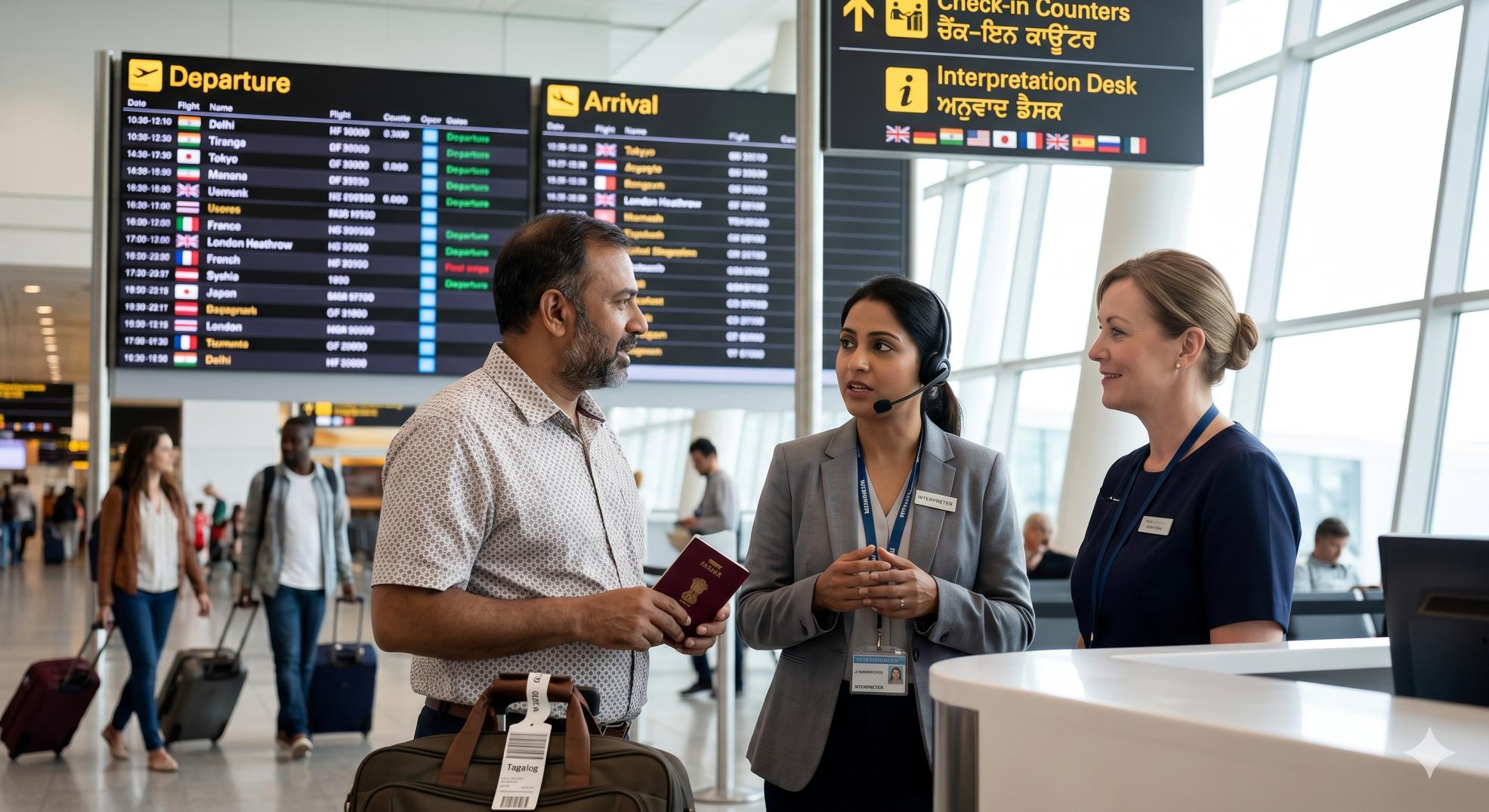
Luton’s infrastructure plays a significant role in its connectivity and economic activity. The presence of London Luton Airport, one of the UK’s busiest airports, makes it a gateway for international travel, including direct and indirect links to Sweden. This necessitates language services for travellers and businesses involved in aviation and logistics. The town’s transport network, including its rail links to London and other major cities, further enhances its accessibility. For businesses requiring Swedish interpreters for site visits, client meetings, or logistical coordination, the town’s infrastructure facilitates efficient service delivery. The local council, Luton Borough Council, is responsible for managing many aspects of the town’s infrastructure and public services, ensuring that the needs of its diverse population are met. Professional language services are key to ensuring that all residents, regardless of their linguistic background, can access and benefit from these essential services and infrastructure.
Conclusion
For any organisation or individual in Luton requiring precise and reliable communication with Swedish speakers, engaging a professional Swedish interpreter in Luton is not an option but a necessity. Whether navigating the stringent requirements of UK courts and tribunals, ensuring patient safety within the NHS, or facilitating international business transactions, the expertise of a qualified interpreter is indispensable. Adherence to UK professional standards, legal frameworks, and ethical guidelines, as upheld by bodies like the NRPSI and CQC, ensures that services are delivered with the utmost integrity and accuracy. By investing in professional Swedish interpretation, businesses and public services in Luton can foster stronger relationships, ensure equitable access to justice and healthcare, and contribute to the town’s vibrant and inclusive community.