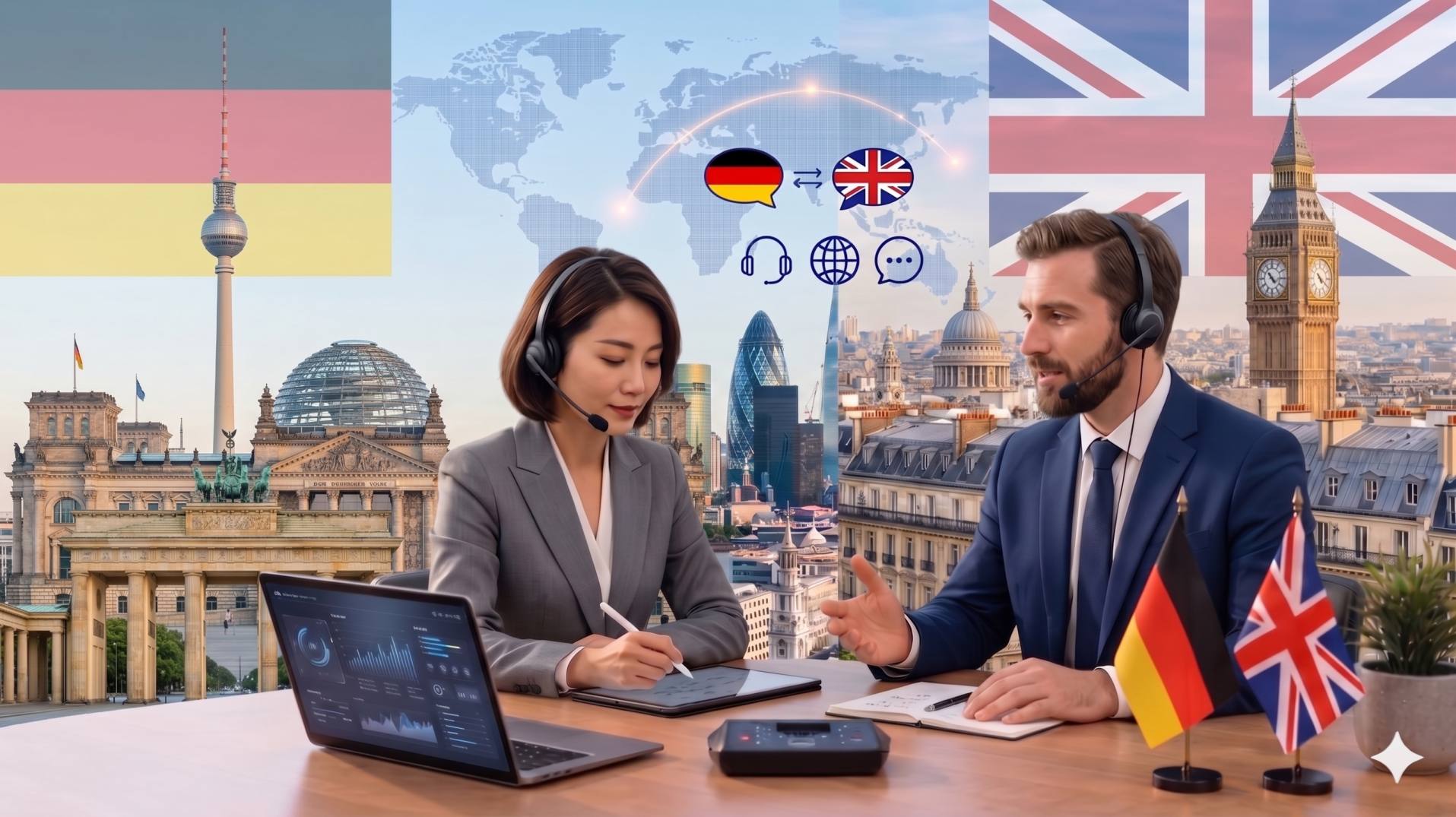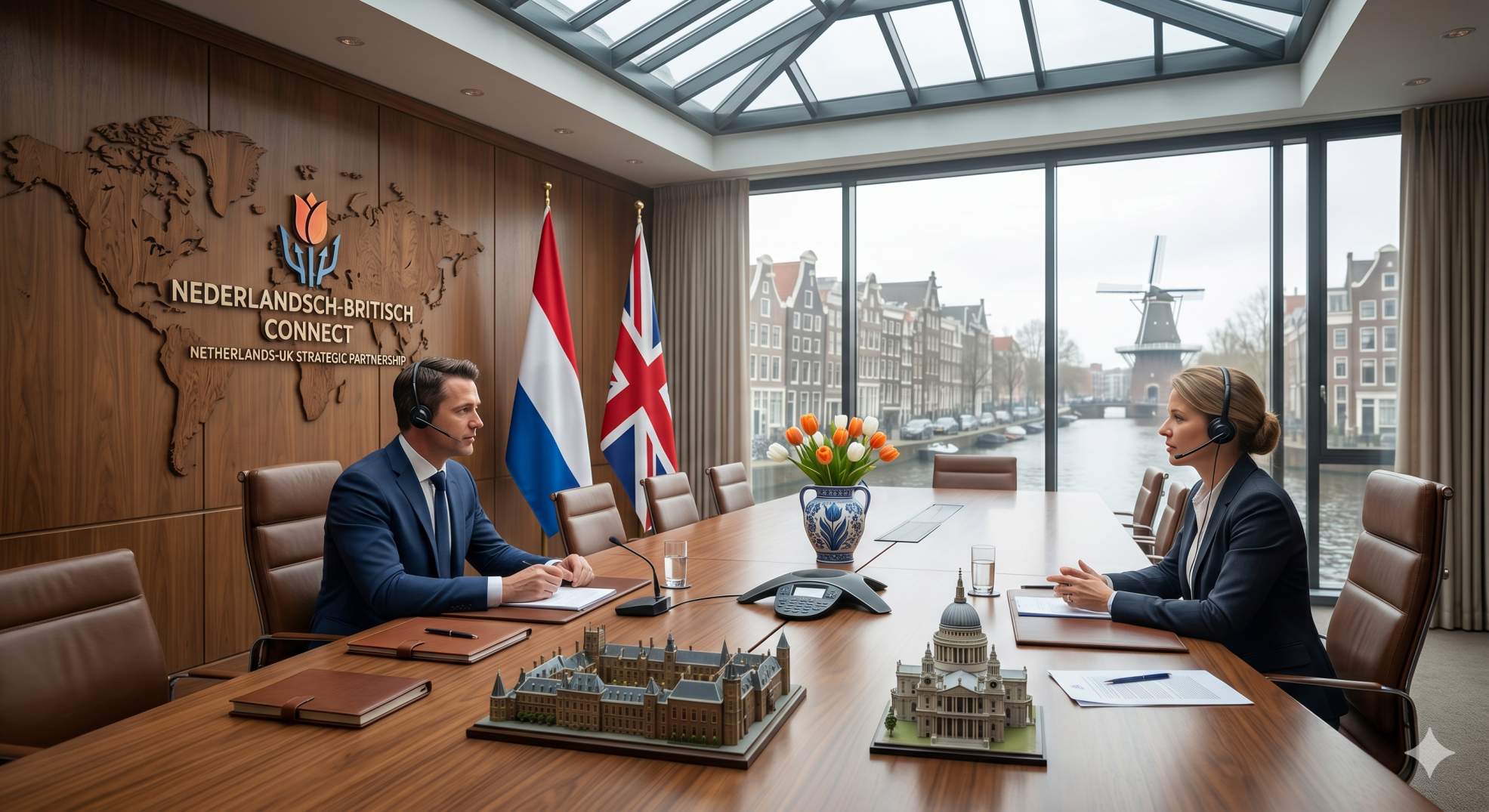

Securing a qualified Swedish interpreter in Stirling is paramount for effective communication across various critical sectors within the United Kingdom. Whether engaging with legal proceedings at His Majesty’s Courts and Tribunals Service (HMCTS), navigating complex healthcare appointments within the National Health Service (NHS), or facilitating business interactions, the need for precise and culturally nuanced interpretation is undeniable. Stirling, a city steeped in history and a hub for professional services, requires interpreters who not only possess linguistic fluency but also a deep understanding of UK legal frameworks, healthcare protocols, and professional standards. This ensures that all parties, regardless of their primary language, can fully comprehend and participate in vital discussions, upholding principles of fairness, safety, and accessibility. For residents and professionals in Stirling, access to accredited Swedish interpretation is facilitated through a network of highly skilled linguists, ensuring that barriers to communication are systematically dismantled. This is particularly crucial when interacting with key NHS Trusts serving the Stirling area, such as NHS Scotland (which oversees health boards in the region) and specifically within the operational scope of health boards like NHS Fife and NHS Greater Glasgow and Clyde, both of which may provide services or specialist care to Stirling residents, adhering to the stringent language access guidelines set forth by NHS England and devolved administrations.
Translation vs Interpretation: Understanding the Nuances
While often used interchangeably, translation and interpretation are distinct disciplines, each requiring a unique skill set. Interpretation involves the real-time, oral conversion of spoken language from one tongue to another. This demands not only linguistic proficiency but also exceptional auditory processing, memory recall, and the ability to convey meaning, tone, and intent accurately under pressure. A professional Swedish translator in Stirling, conversely, works with written text, converting documents, reports, and other written materials from Swedish to English or vice versa. The skills required for translation include a deep understanding of grammar, syntax, and idiomatic expressions in both languages, as well as subject-specific terminology. For legal, medical, and corporate contexts in Stirling, the distinction is critical. For instance, a legal document requiring translation must be handled by a sworn translator, while a courtroom hearing necessitates a sworn interpreter. Engaging a qualified Swedish interpreter in Stirling for spoken communication ensures that the immediate needs of dialogue and understanding are met, whereas a translator is essential for preserving the integrity of written records. Professional bodies such as the Chartered Institute of Linguists (CIOL) and the National Register of Public Service Interpreters (NRPSI) set the standards for both professions within the UK, ensuring that practitioners meet rigorous qualification and ethical requirements.
Legal Defence, Immigration, and Courtroom Interpretation
The administration of justice in the UK relies heavily on accurate communication, especially in matters involving individuals who do not speak English as their first language. For Swedish speakers involved in legal proceedings in or around Stirling, access to qualified interpreters is a fundamental right. This applies to all levels of the UK justice system, from initial police interviews to appearances before His Majesty’s Courts and Tribunals Service (HMCTS). Interpreters working in this domain must adhere to strict codes of conduct, ensuring impartiality, confidentiality, and accuracy. The NRPSI is the primary independent, non-profit-making body that maintains a register of qualified public service interpreters in the UK. Holding NRPSI certification signifies that an interpreter has met stringent testing and vetting standards, making them suitable for sensitive legal environments. This is crucial for cases heard in courts such as the Sheriff Court in Stirling, or higher courts within the Scottish legal system, and indeed across England and Wales under the purview of HMCTS. Furthermore, immigration law is a significant area where Swedish interpretation is vital. Individuals seeking to enter, remain, or naturalise in the UK will interact with UK Visas and Immigration (UKVI), a part of the Home Office. Accurate interpretation during interviews, appeals at the First-tier Immigration Tribunal, and other Home Office processes is essential to ensure fair treatment and correct application of UK immigration law. Solicitors and legal professionals in Stirling often require interpreters who are not only fluent in Swedish and English but also possess a thorough understanding of legal terminology and procedures, often holding qualifications such as the Diploma in Public Service Interpreting (DPSI) which is recognised by the Ministry of Justice.
Healthcare and NHS Patient Safety
Patient safety and effective care within the NHS are paramount, and this is directly impacted by the ability of patients to communicate their symptoms, concerns, and medical history accurately. For Swedish-speaking patients in Stirling, accessing healthcare services requires the availability of professional interpreters. The Care Quality Commission (CQC), which regulates health and social care services across England, emphasises the importance of effective communication in ensuring high-quality care. While Stirling is in Scotland, the principles of patient safety and communication are universally applied across the UK’s healthcare systems. NHS Scotland, and the health boards serving the Stirling area, are committed to providing accessible services. This includes ensuring that patients can communicate effectively with doctors, nurses, and other healthcare professionals. Interpreters must not only be linguistically competent but also understand medical terminology and the sensitive nature of healthcare interactions. They must adhere to strict confidentiality requirements, in line with UK data protection laws such as the UK General Data Protection Regulation (UK GDPR). Professional interpreters often hold qualifications recognised by bodies like NRPSI or CIOL, and may have specific medical interpreter qualifications. The NHS has guidelines on language support, aiming to ensure that all patients receive equitable care, regardless of their language. This includes providing interpreters for consultations, diagnostic procedures, and treatment discussions. For Stirling residents, this means that when accessing services from local NHS Trusts or associated health boards, the provision of a qualified Swedish interpreter should be a standard part of care delivery, ensuring that diagnoses are accurate and treatment plans are fully understood, thereby enhancing patient outcomes and safety.
Technical Interpretation Modalities
The effective delivery of interpretation services in Stirling, particularly for professional settings, often depends on selecting the appropriate modality. Understanding these different modes is crucial for corporate clients, legal firms, and healthcare providers to ensure their communication objectives are met efficiently and accurately. Consecutive interpretation is perhaps the most common mode in one-on-one or small group settings. The interpreter listens to a segment of speech, waits for the speaker to pause, and then renders the message in the target language. This is ideal for meetings, interviews, and consultations where a natural flow of conversation is desired. Simultaneous interpretation, often used in conferences, large meetings, or broadcasts, involves the interpreter speaking at the same time as the source speaker, typically using specialised equipment like booths and headsets. This requires a high degree of concentration and skill, providing near real-time translation. Escort interpretation, also known as liaison interpretation, is used in informal settings, such as business negotiations, site visits, or social events. The interpreter acts as a cultural and linguistic bridge, facilitating communication between parties. Finally, remote interpretation, facilitated by technology, has become increasingly prevalent. This includes telephone interpreting (voice-to-voice) and video remote interpreting (VRI), which allows interpreters to connect with clients via a screen. While offering flexibility and cost-effectiveness, the suitability of remote interpretation depends on the complexity of the subject matter, the technical environment, and the need for visual cues. For a Swedish interpreter in Stirling, proficiency across these modalities, coupled with an understanding of UK professional contexts, is essential for providing comprehensive language support.
Economic and Social Fabric of Stirling
Stirling’s economy is a dynamic blend of historical significance and modern professional services, creating a unique environment where linguistic support is increasingly valuable. Understanding this local context helps to appreciate the demand for services like Swedish interpretation and translation.
Corporate and Industry
Stirling and its surrounding areas host a growing number of businesses, from established corporations to innovative start-ups, particularly in sectors like technology, finance, and advanced manufacturing. As these businesses engage with international markets, including Sweden, the need for professional Swedish interpretation and translation services becomes critical for market entry, client relations, and internal communications. This ensures that contracts are understood, negotiations are smooth, and collaborations are productive, adhering to UK business standards and practices.
Tourism
As a city renowned for its historical landmarks, including Stirling Castle and the Wallace Monument, tourism is a significant contributor to the local economy. Swedish tourists visiting Stirling expect to be able to engage with the local culture and services. While English is the primary language, providing information and assistance in Swedish, or having Swedish-speaking staff or interpreters available, can significantly enhance the visitor experience and encourage repeat business. This aligns with the UK’s broader strategy to be a welcoming destination for international visitors.
Legal Infrastructure
Stirling possesses a robust legal infrastructure, including local law firms and access to courts. These legal professionals frequently encounter clients or cases involving international elements. For Swedish-speaking individuals involved in civil disputes, criminal matters, or property transactions within Stirling’s jurisdiction, access to certified Swedish interpreters is not just a matter of convenience but a legal necessity, ensuring adherence to the principles of justice administered by His Majesty’s Courts and Tribunals Service (HMCTS) and upholding the standards set by bodies like the NRPSI.
NHS Healthcare
The provision of healthcare services in Stirling, overseen by NHS Scotland and local health boards, necessitates clear communication between medical professionals and patients. For Swedish-speaking residents or visitors requiring medical attention, the availability of qualified interpreters is crucial for accurate diagnosis, treatment, and patient well-being. This commitment to accessible healthcare aligns with the broader objectives of NHS England’s language access policies and the regulatory oversight of the CQC, ensuring that all patients receive safe and effective care under UK GDPR principles.
Local Infrastructure and Transport
Stirling benefits from a well-developed local infrastructure that supports its professional and social functions. Its strategic location in central Scotland provides excellent transport links, including rail and road networks, connecting it efficiently to other major UK cities like Edinburgh and Glasgow. This connectivity is vital for the seamless movement of professionals, including interpreters and translators, and for facilitating business and legal interactions across the country. The presence of Stirling University also contributes to a vibrant intellectual and professional community, fostering an environment where specialised linguistic services are readily understood and valued. Reliable public transport within the city and surrounding areas ensures that interpreters can reach their assignments promptly, whether they are providing services at the local courts, hospitals, or corporate offices. This robust infrastructure underpins the ability of Stirling to host and support a diverse range of professional activities requiring expert Swedish interpretation and translation.
Conclusion
In conclusion, the demand for a professional Swedish interpreter in Stirling is driven by the city’s diverse economic landscape, its role as a legal and healthcare hub, and its commitment to inclusive communication. Ensuring access to qualified, certified interpreters is not merely a logistical requirement but a fundamental aspect of upholding justice, patient safety, and business integrity within the UK’s regulatory framework. For law firms, NHS trusts, government bodies, and corporations operating in or engaging with Stirling, partnering with accredited interpretation services guarantees that communication barriers are overcome, fostering trust and enabling effective outcomes. We are dedicated to providing expert Swedish interpretation and translation services that meet the highest professional standards, ensuring clarity and accuracy for all your communication needs in Stirling and across the United Kingdom.