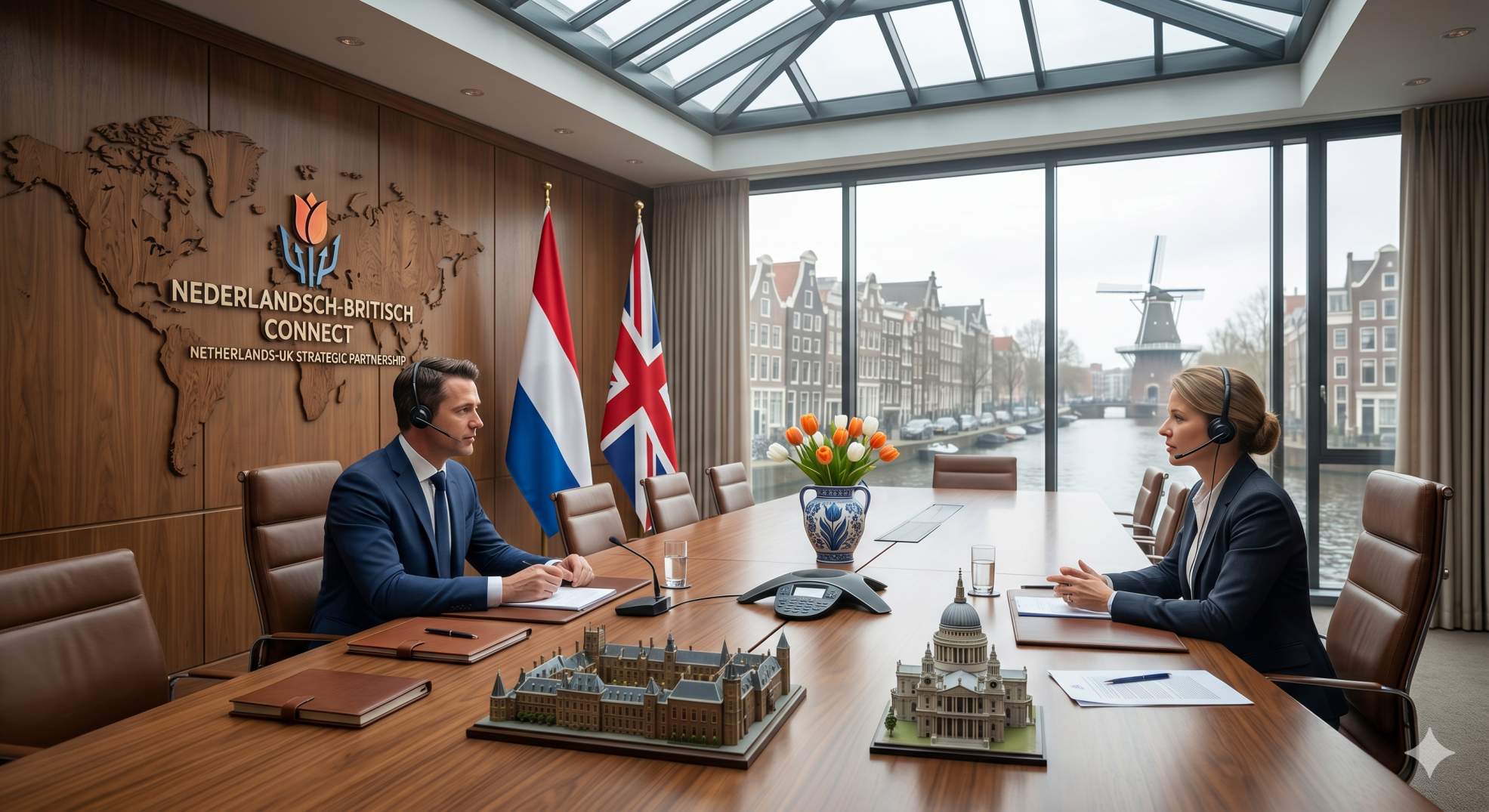
Securing a qualified Arabic interpreter in Belfast is paramount for effective communication across vital sectors of the UK economy and public services. Whether engaging with His Majesty’s Courts and Tribunals Service (HMCTS), navigating the complexities of the National Health Service (NHS) with trusts such as the Belfast Health and Social Care Trust or the Southern Health and Social Care Trust, or facilitating international business dealings, the need for precise and culturally sensitive interpretation is undeniable. This service ensures that legal proceedings, medical consultations, and commercial agreements are conducted with clarity, accuracy, and adherence to UK professional standards, safeguarding rights and fostering trust within the diverse communities of Belfast and beyond.
Translation vs Interpretation: Ensuring Clarity in Communication
While often used interchangeably, translation and interpretation are distinct disciplines, each crucial for different communication needs. Interpretation focuses on the spoken word, converting meaning from one language to another in real-time or near real-time. This is essential for live interactions, such as court hearings, medical appointments, or business meetings. A professional Arabic interpreter in Belfast must possess not only linguistic fluency but also a deep understanding of cultural nuances, idiomatic expressions, and the specific terminology relevant to the context. Conversely, translation deals with the written word, converting documents, websites, or other texts from one language to another. For legal documents, medical records, or corporate reports, a skilled Arabic translator in Belfast is indispensable. Both services are governed by professional bodies and standards within the UK, ensuring quality and ethical practice. Professional bodies like the Chartered Institute of Linguists (CIOL) and the National Register of Public Service Interpreters (NRPSI) set rigorous standards for practitioners, ensuring that individuals and organisations can rely on the accuracy and professionalism of the services they receive. The distinction is critical; for immediate, face-to-face or remote spoken communication, an interpreter is required, whereas for written materials, a translator is the appropriate professional.
Legal Defence, Immigration, and Courtroom Interpretation
The administration of justice in the United Kingdom relies heavily on the principle of equal access to legal representation and fair trial. For individuals who do not speak English, the availability of qualified Arabic interpreters is not merely a convenience but a fundamental right. His Majesty’s Courts and Tribunals Service (HMCTS) mandates the provision of interpreters in all proceedings where a party or witness requires language assistance. This includes criminal courts, civil courts, family courts, and various tribunals, such as the First-tier Immigration Tribunal. A certified Arabic interpreter working within the UK legal system must adhere to strict codes of conduct, ensuring impartiality, confidentiality, and accuracy. Registration with the NRPSI or holding a Diploma in Public Service Interpreting (DPSI) are common benchmarks for professional interpreters operating in this sensitive domain. These qualifications demonstrate a commitment to upholding the highest standards of professional practice, as recognised by UK legal authorities. The Home Office, through UK Visas and Immigration (UKVI), also requires accurate interpretation for asylum claims, visa applications, and interviews, where misunderstandings can have profound consequences. Law firms specialising in immigration, criminal defence, and family law in Belfast frequently engage Arabic interpreters to represent their clients effectively, ensuring that all parties understand the proceedings, evidence, and legal advice. The integrity of the legal process is maintained through the precise rendering of spoken testimony, legal arguments, and judicial instructions, facilitated by these linguistic professionals.
Healthcare and NHS Patient Safety
Patient safety and effective healthcare delivery are cornerstones of the National Health Service (NHS) in the UK. For Arabic-speaking patients accessing healthcare services in Belfast, the presence of skilled medical interpreters is critical to ensuring accurate diagnosis, informed consent, and appropriate treatment. The NHS operates under stringent guidelines, including those set by NHS England regarding language access, and is committed to upholding the principles of the UK General Data Protection Regulation (UK GDPR) concerning patient confidentiality. Specific NHS trusts serving Belfast, such as the Belfast Health and Social Care Trust and the Southern Health and Social Care Trust, have established protocols for booking interpreters to ensure that all patients, regardless of their linguistic background, receive equitable care. The Care Quality Commission (CQC) also plays a vital role in overseeing the quality and safety of health and social care services, implicitly including the effectiveness of communication with patients. An Arabic interpreter working within the NHS must not only be linguistically proficient but also possess a thorough understanding of medical terminology, ethical considerations, and the sensitive nature of healthcare interactions. They act as a vital conduit, enabling clear communication between clinicians and patients, thereby reducing the risk of medical errors, improving patient satisfaction, and ensuring that treatment plans are fully understood and adhered to. The professional standards for medical interpreters in the UK are high, often requiring specific qualifications and adherence to codes of conduct that prioritise patient well-being and confidentiality.
Technical Interpretation Modalities
The effective delivery of interpretation services hinges on selecting the appropriate modality to suit the specific context and requirements of the communication. For an Arabic interpreter in Belfast, understanding these modalities is key to providing seamless linguistic support. Consecutive interpretation is perhaps the most common, where the interpreter listens to a segment of speech, then renders it into the target language once the speaker pauses. This is ideal for one-on-one meetings, consultations, or small group discussions where direct interaction is paramount. Simultaneous interpretation involves the interpreter speaking concurrently with the source speaker, often using specialised equipment like booths and headsets. This is essential for large conferences, international summits, or parliamentary sessions where real-time communication is critical to maintaining the flow of information. Escort interpretation, also known as liaison interpretation, facilitates communication between two or more parties who speak different languages during informal settings, such as business negotiations, site visits, or social events. The interpreter acts as a cultural bridge, ensuring smooth dialogue. In recent years, remote interpretation (also known as telephonic or video interpretation) has gained significant traction. This modality allows interpreters to provide services via phone or video conferencing platforms, offering flexibility and cost-effectiveness, particularly for situations where an on-site interpreter is not feasible or necessary. The choice of modality depends on factors such as the number of participants, the formality of the setting, the technical requirements, and the urgency of the communication, all of which an experienced Arabic interpreter will expertly assess.
Economic and Social Fabric of Belfast
Belfast, as a dynamic and growing city, possesses a rich economic and social tapestry where linguistic diversity plays an increasingly important role. The need for professional Arabic interpretation and translation services is integral to fostering inclusive growth and facilitating engagement across various sectors.
Corporate and Industry Engagement
The burgeoning business landscape in Belfast, encompassing sectors from technology and finance to manufacturing and professional services, increasingly involves international collaboration and diverse workforces. Companies operating in or engaging with Belfast require robust communication strategies to connect with Arabic-speaking markets, partners, or employees. This includes facilitating international trade agreements, managing multinational teams, and ensuring compliance with UK business regulations. Professional Arabic interpreters and translators are essential for drafting contracts, conducting market research, holding board meetings, and delivering training programmes, thereby supporting the economic vitality of the region and its integration into the global marketplace. The Invest Northern Ireland initiative highlights the city’s ambition for economic development, underscoring the need for seamless communication in attracting foreign investment and fostering export opportunities.
Tourism and Cultural Exchange
Belfast is a city with a growing reputation as a tourist destination, attracting visitors from across the globe. For Arabic-speaking tourists, the availability of interpretation and translation services can significantly enhance their experience, from navigating local attractions and understanding historical contexts to accessing hospitality services. This not only benefits the individual visitor but also contributes to the broader tourism economy. Furthermore, facilitating cultural exchange through language services promotes understanding and strengthens community ties, enriching the social fabric of Belfast.
Legal Infrastructure and Access to Justice
Belfast’s legal sector is a critical component of its professional services market. The presence of His Majesty’s Courts and Tribunals Service (HMCTS) facilities, numerous law firms, and legal aid services necessitates comprehensive language support. Ensuring that Arabic-speaking individuals have full access to justice is a legal and ethical imperative. This involves providing qualified interpreters for all stages of legal proceedings, from initial consultations with solicitors to appearances in court. The Judiciary of Northern Ireland oversees the court system, and adherence to its standards, alongside those of the NRPSI, ensures that linguistic barriers do not impede the fair administration of law. The demand for Arabic interpreters in Belfast’s legal community is therefore substantial and consistent.
NHS Healthcare Accessibility
As previously highlighted, the healthcare system in Belfast, primarily delivered through the NHS, serves a diverse population. The Belfast Health and Social Care Trust and other regional trusts are committed to providing accessible and equitable healthcare. For Arabic speakers, this means having access to professional medical interpreters who can facilitate clear communication during consultations, hospital stays, and when discussing treatment options. This commitment is vital for patient safety, adherence to treatment, and overall public health outcomes within the community. The standards set by NHS England and the CQC reinforce the necessity of effective language services.
Local Infrastructure and Transport
Belfast boasts a well-developed infrastructure that supports both its residents and its growing economic activities. The city’s transport network, including Translink services (buses and trains), provides essential connectivity. For professional interpreters, understanding the city’s layout and transport options is crucial for punctuality and efficiency, especially when providing on-site services across different locations. The availability of reliable public transport and accessible road networks facilitates the work of Arabic interpreters in Belfast, enabling them to reach clients in various settings, from corporate offices in the city centre to healthcare facilities in suburban areas or courtrooms managed by HMCTS. Furthermore, the presence of Belfast International Airport and George Best Belfast City Airport underscores the city’s role as a hub for international travel and business, further increasing the demand for high-quality interpretation services to support arriving business travellers, delegates, and visitors.
Conclusion
In conclusion, the demand for a professional Arabic interpreter in Belfast is multifaceted, driven by the city’s vibrant economic landscape, its essential public services, and its commitment to inclusivity. From the critical requirements of the UK legal system under HMCTS and the Home Office, to the vital patient care provided by NHS trusts like the Belfast Health and Social Care Trust, and the complex needs of international business, the need for accurate, confidential, and culturally competent interpretation is paramount. Engaging certified and experienced Arabic interpreters ensures that communication is not a barrier but a bridge, fostering understanding, upholding rights, and contributing to the continued prosperity and well-being of Belfast and its diverse communities. For organisations requiring expert linguistic support, securing a qualified Arabic interpreter in Belfast is an investment in clarity, compliance, and connection.