Securing a qualified Arabic interpreter in Cheltenham is paramount for ensuring clear communication across diverse sectors, from legal proceedings to critical healthcare interactions. Cheltenham, a vibrant spa town in Gloucestershire, benefits from a robust network of professional language services that bridge linguistic divides, particularly for the Arabic-speaking community and businesses engaging with this demographic. Access to accredited interpreters is not merely a matter of convenience but a fundamental requirement for justice, patient safety, and successful commercial ventures within the United Kingdom. This is particularly true when dealing with sensitive matters involving His Majesty’s Courts and Tribunals Service (HMCTS), the National Health Service (NHS), and various government departments. For residents and businesses in Cheltenham, understanding the nuances of professional interpretation and translation is key to navigating these essential services effectively. This guide explores the critical role of Arabic interpreters in Cheltenham, highlighting their importance in legal, medical, and commercial contexts, and underscoring the professional standards that govern their practice in the UK.
Translation vs Interpretation: Understanding the Distinction
While often used interchangeably, translation and interpretation are distinct linguistic disciplines, each requiring specialised skills and training. An Arabic translator in Cheltenham works with written text, converting documents, websites, and other written materials from Arabic to English or vice versa. This process demands meticulous attention to detail, a deep understanding of both source and target languages, and often, subject-specific knowledge to ensure accuracy and cultural appropriateness. Translators typically work with a longer timeframe, allowing for research and revision. In contrast, an Arabic interpreter in Cheltenham facilitates spoken communication in real-time. This involves listening to a speaker in one language and rendering their message accurately and fluently in another. Interpretation requires exceptional auditory processing skills, immediate recall, cultural sensitivity, and the ability to remain neutral and objective. The stakes are often incredibly high, especially in legal and medical settings where miscommunication can have severe consequences. Professional interpreters adhere to strict ethical codes, often regulated by bodies such as the National Register of Public Service Interpreters (NRPSI), ensuring impartiality and confidentiality. Understanding this fundamental difference is the first step for any organisation or individual in Cheltenham seeking professional language support.
Legal Defence, Immigration, and Courtroom Interpretation
The administration of justice in the UK relies heavily on the principle of open justice and the right to a fair trial, which are intrinsically linked to effective communication. For individuals who do not speak English fluently, access to qualified interpreters is a legal necessity. In Cheltenham, as across the UK, Arabic interpreters play a vital role in numerous legal contexts, including criminal and civil court proceedings managed by His Majesty’s Courts and Tribunals Service (HMCTS). These interpreters must possess not only linguistic proficiency but also a thorough understanding of legal terminology, courtroom etiquette, and the specific requirements of the UK legal system. Accreditation from bodies like the NRPSI or holding a Diploma in Public Service Interpreting (DPSI) is often a prerequisite for working in these high-stakes environments. Immigration law is another area where Arabic interpretation is crucial. Individuals navigating the complexities of visa applications, asylum claims, and appeals before the First-tier Immigration Tribunal depend on accurate interpretation to present their cases effectively to UK Visas and Immigration (UKVI) officials and tribunal judges. Law firms in Cheltenham and beyond frequently engage specialist Arabic interpreters to represent their clients’ interests, ensuring that all parties understand the proceedings and evidence presented. The integrity of the legal process hinges on the impartiality and accuracy provided by these professionals, safeguarding the rights of all individuals involved.
Healthcare and NHS Patient Safety
Patient safety and equitable access to healthcare are cornerstones of the National Health Service (NHS) in the UK. For Arabic-speaking patients in Cheltenham, effective communication with healthcare professionals is essential for accurate diagnosis, informed consent, and appropriate treatment. The Care Quality Commission (CQC), the independent regulator of health and social care services in England, emphasises the importance of effective communication in ensuring high-quality care. NHS trusts serving Cheltenham, such as Gloucestershire Hospitals NHS Foundation Trust and Gloucestershire Health and Care NHS Foundation Trust, are committed to providing language support to patients with limited English proficiency. This includes the provision of qualified Arabic interpreters for consultations, hospital admissions, and sensitive discussions regarding medical conditions and treatment plans. Adherence to NHS England’s Language Access guidelines and UK GDPR principles ensures that patient confidentiality is maintained while facilitating clear communication. Professional interpreters working within the NHS must understand medical terminology, cultural nuances related to health and illness, and the ethical obligations of confidentiality and impartiality. Engaging a certified Arabic interpreter in Cheltenham for healthcare needs ensures that patients can fully participate in their care decisions, leading to better health outcomes and a more positive patient experience. The NHS Business Services Authority also plays a role in supporting language services across the NHS.
Technical Interpretation Modalities
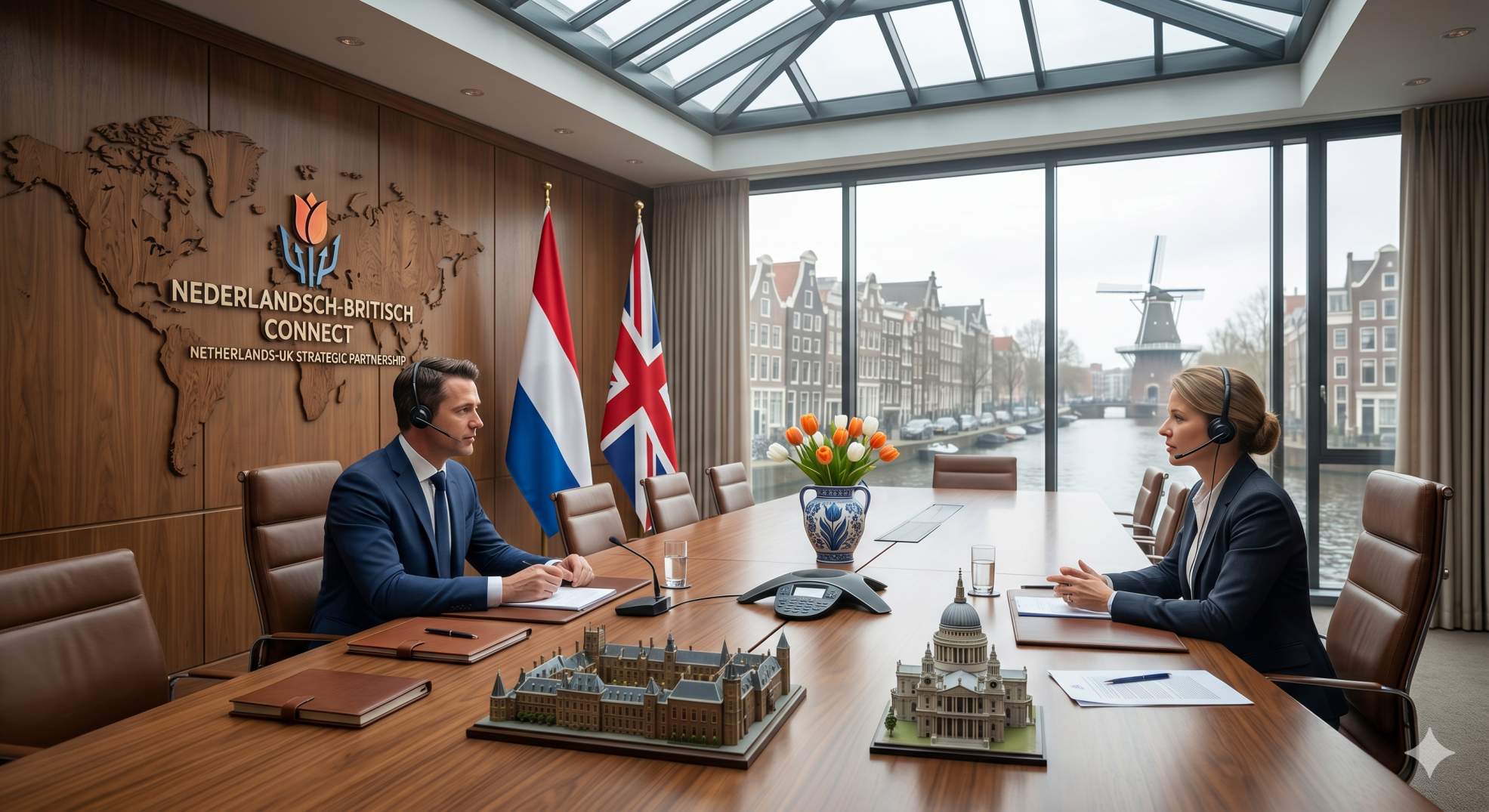
The effective delivery of interpretation services in Cheltenham, and indeed across the UK, depends on selecting the appropriate modality for the specific situation. Professional Arabic interpreters are trained in various techniques to suit different communication needs. Simultaneous interpretation is often used in conferences, large meetings, or parliamentary settings, where the interpreter, working from a soundproof booth, translates the speaker’s words in real-time with only a few seconds’ delay. This requires highly specialised skills and equipment. Consecutive interpretation is more common in smaller settings such as legal depositions, medical appointments, or business negotiations. Here, the interpreter speaks after the source speaker has finished a segment of speech, allowing for more detailed and nuanced communication. Escort interpretation, also known as liaison interpretation, is used to facilitate communication between parties in social, informal, or business settings, such as accompanying a delegation or during site visits. This mode requires a degree of cultural mediation. Increasingly, remote interpretation services are becoming prevalent, utilising telephone or video conferencing platforms. This modality offers flexibility and cost-effectiveness, especially for situations where an on-site interpreter is not feasible or necessary. For remote services, ensuring a stable internet connection and appropriate audio equipment is crucial. Regardless of the modality, the core principles of accuracy, impartiality, and confidentiality remain paramount for any Arabic interpreter operating within the UK’s professional landscape.
Economic and Social Fabric of Cheltenham
Corporate and Industry
Cheltenham’s economy is diverse, with strengths in sectors such as finance, professional services, and technology. Businesses operating in or engaging with Cheltenham often find that proficiency in Arabic can unlock new markets and strengthen international partnerships. Whether it’s negotiating contracts, holding client meetings, or participating in international trade fairs, a professional Arabic interpreter ensures that communication is seamless and effective. The Cheltenham Chamber of Commerce supports local businesses, and many members may require language services to expand their reach or serve a diverse clientele. Adherence to professional standards, such as those set by the Chartered Institute of Linguists (CIOL), ensures that businesses receive reliable and high-quality interpretation services, fostering trust and facilitating successful commercial relationships. The ability to communicate effectively in Arabic can provide a significant competitive advantage for Cheltenham-based companies looking to engage with markets in the Middle East and North Africa.
Tourism
Cheltenham is renowned for its Regency architecture, vibrant cultural scene, and status as a gateway to the Cotswolds, attracting visitors from across the UK and internationally. For Arabic-speaking tourists, having access to interpretation services can significantly enhance their experience. This might range from guided tours where an Arabic interpreter accompanies visitors, to assistance with hotel bookings, restaurant reservations, or navigating local attractions. While not strictly a legal or medical requirement, providing such services contributes to Cheltenham’s reputation as a welcoming and accessible destination. Professional interpreters can bridge cultural gaps, ensuring that visitors feel comfortable and well-catered for, thereby encouraging repeat visits and positive word-of-mouth recommendations.
Legal Infrastructure
Cheltenham possesses a well-established legal infrastructure, with numerous law firms specialising in various areas of practice. These firms, serving both local and national clients, frequently encounter cases involving individuals who require Arabic interpretation. This is particularly relevant in areas such as family law, property disputes, and commercial litigation where clients may have international connections or be part of the UK’s diverse communities. The Law Society, representing solicitors in England and Wales, promotes high standards within the profession. Law firms in Cheltenham that engage qualified Arabic interpreters, often accredited by bodies like the NRPSI, demonstrate a commitment to providing accessible justice and upholding the rights of their clients. The availability of reliable interpretation services is crucial for ensuring that legal advice is understood and that court proceedings, whether at a local level or before higher courts like the Royal Courts of Justice, are conducted fairly.
NHS Healthcare
As previously mentioned, the NHS is a critical service provider in Cheltenham. The local healthcare system, encompassing general practitioners, hospitals, and specialist clinics, serves a population with diverse linguistic backgrounds. For Arabic speakers, accessing timely and effective medical care depends on the availability of professional interpreters. The NHS England mandates that healthcare providers ensure language support is available to meet patient needs. This commitment is vital for ensuring patient safety, promoting adherence to treatment, and fostering trust between patients and healthcare professionals. Interpreters working within the NHS must be familiar with medical terminology and ethical guidelines, ensuring that sensitive health information is communicated accurately and confidentially, in line with UK data protection laws.
Local Infrastructure and Transport
Cheltenham is well-connected, with good transport links that facilitate both local movement and wider travel. The town benefits from a comprehensive road network, including proximity to the M5 motorway, and regular train services connecting to major cities like London, Bristol, and Birmingham. For businesses and individuals requiring interpretation services, this robust infrastructure ensures that Arabic interpreters can travel efficiently to various locations within Cheltenham and the surrounding Gloucestershire region. Whether the need arises at a business premises, a legal office, a hospital, or a conference venue, the accessibility of Cheltenham’s transport network supports the timely deployment of professional language support. Furthermore, the increasing availability of remote interpretation technologies means that geographical location is less of a barrier, with interpreters able to connect instantly via secure online platforms, further enhancing the accessibility of these vital services for the Cheltenham community.
Conclusion
In conclusion, the need for a professional and accredited Arabic interpreter in Cheltenham is undeniable across critical sectors of UK society. From ensuring fair justice within HMCTS and immigration proceedings, to safeguarding patient well-being within the NHS trusts serving the area, and facilitating robust commercial interactions, the role of skilled interpreters is indispensable. Adherence to UK professional standards, such as those upheld by the NRPSI and CIOL, guarantees the accuracy, impartiality, and confidentiality required in these sensitive environments. For businesses, legal professionals, and healthcare providers in Cheltenham, engaging qualified Arabic interpretation services is not merely a compliance issue but a strategic imperative that enhances communication, builds trust, and ensures equitable access to essential services for all members of the community. If you require expert Arabic interpretation services in Cheltenham, seeking accredited professionals is the crucial first step towards effective and reliable communication.