Securing a qualified Arabic interpreter in Doncaster is paramount for effective communication across diverse sectors, from legal proceedings to critical healthcare interactions. Doncaster, a dynamic South Yorkshire city with a growing economy, relies on seamless communication to serve its residents and businesses. For individuals and organisations requiring Arabic language support, particularly within the stringent regulatory frameworks of the UK, engaging professional interpreters is not merely a convenience but a necessity. This ensures adherence to UK legal standards, patient safety protocols within the National Health Service (NHS), and the smooth operation of commercial enterprises. The local NHS trusts serving Doncaster, such as Doncaster and Bassetlaw Teaching Hospitals NHS Foundation Trust and Yorkshire Ambulance Service NHS Trust, depend on accurate interpretation to provide equitable care to all patients, irrespective of their linguistic background, in line with NHS England’s Language Access guidelines.
Translation vs Interpretation: Ensuring Precision in Arabic Language Services
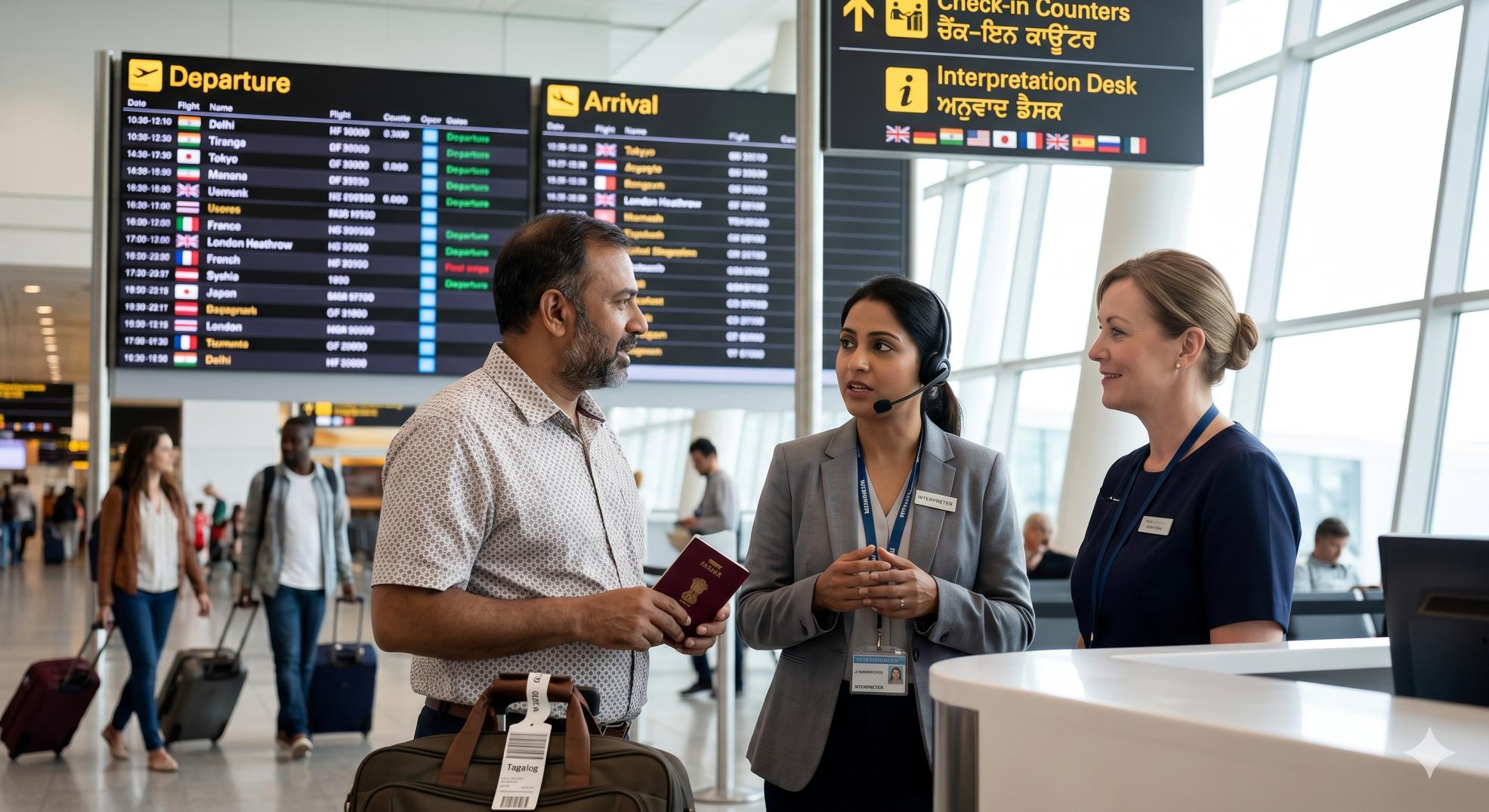
While often used interchangeably, translation and interpretation are distinct linguistic disciplines, each requiring specialised skills and adherence to professional standards. Understanding this difference is crucial when seeking Arabic language support in Doncaster. Interpretation involves the real-time, oral conversion of spoken or signed language from one language to another. This is vital in live settings such as courtrooms, medical consultations, business meetings, and conferences. An Arabic interpreter in Doncaster must possess not only fluency in both Arabic and English but also a deep understanding of cultural nuances, legal terminology, and the specific context of the communication. Professional bodies like the National Register of Public Service Interpreters (NRPSI) and the Chartered Institute of Linguists (CIOL) set the benchmarks for public service interpreters, ensuring competence and ethical conduct. Conversely, translation deals with the written word, converting documents, websites, and other textual materials from one language to another. For businesses and legal professionals in Doncaster, engaging a skilled Arabic translator in Doncaster ensures that all written communications, contracts, and official documents are accurately rendered, maintaining legal validity and commercial integrity. Both services are indispensable for bridging language barriers effectively within the UK’s professional landscape.
Legal Defence, Immigration, and Courtroom Interpretation
The UK’s justice system is built on principles of fairness and accessibility, which necessitates the provision of qualified interpreters in legal settings. For individuals involved in proceedings before His Majesty’s Courts and Tribunals Service (HMCTS), securing an accredited Arabic interpreter is a fundamental right. This applies to a wide range of legal matters, including criminal trials, civil disputes, family law cases, and immigration tribunals. The HMCTS mandates the use of qualified interpreters to ensure that all parties understand the proceedings and can present their case effectively. Professional interpreters working in this domain often hold qualifications such as the Diploma in Public Service Interpreting (DPSI), which is specifically designed to equip interpreters for the complex linguistic and ethical demands of public service environments, including legal contexts. The Home Office and its UK Visas and Immigration (UKVI) department also rely heavily on accurate interpretation during interviews and asylum claim processes. The First-tier Immigration Tribunal, a key part of the judicial system, requires interpreters to facilitate fair hearings for individuals appealing immigration decisions. Engaging interpreters registered with the NRPSI or holding equivalent qualifications ensures compliance with UK legal standards and upholds the integrity of the judicial process. The Royal Courts of Justice, as the seat of the High Court and Court of Appeal, also demands the highest calibre of linguistic professionals for its complex international cases.
Healthcare and NHS Patient Safety
Patient safety and equitable access to healthcare are cornerstones of the NHS. In Doncaster, where a diverse population includes Arabic speakers, the provision of professional interpretation services is critical for delivering effective and safe medical care. The Care Quality Commission (CQC), the independent regulator of health and social care services in England, emphasises the importance of effective communication in ensuring patient well-being and dignity. NHS trusts, including Doncaster and Bassetlaw Teaching Hospitals NHS Foundation Trust, are obligated to provide language support to patients who have limited English proficiency. This ensures that patients can fully understand their diagnosis, treatment options, and post-operative care instructions, thereby enabling informed consent and active participation in their own healthcare journey. Failure to provide adequate interpretation can lead to misdiagnosis, medication errors, and a breakdown in the patient-clinician relationship, with potentially serious consequences. Adherence to NHS England’s Language Access guidelines and the principles of UK GDPR regarding the processing of sensitive personal data is paramount. Professional Arabic interpreters working within the NHS must not only be linguistically competent but also understand medical terminology and the sensitive nature of healthcare interactions, maintaining strict confidentiality. The NHS Business Services Authority also plays a role in supporting the operational aspects of healthcare delivery, which includes ensuring access to essential services like interpretation.
Technical Interpretation Modalities
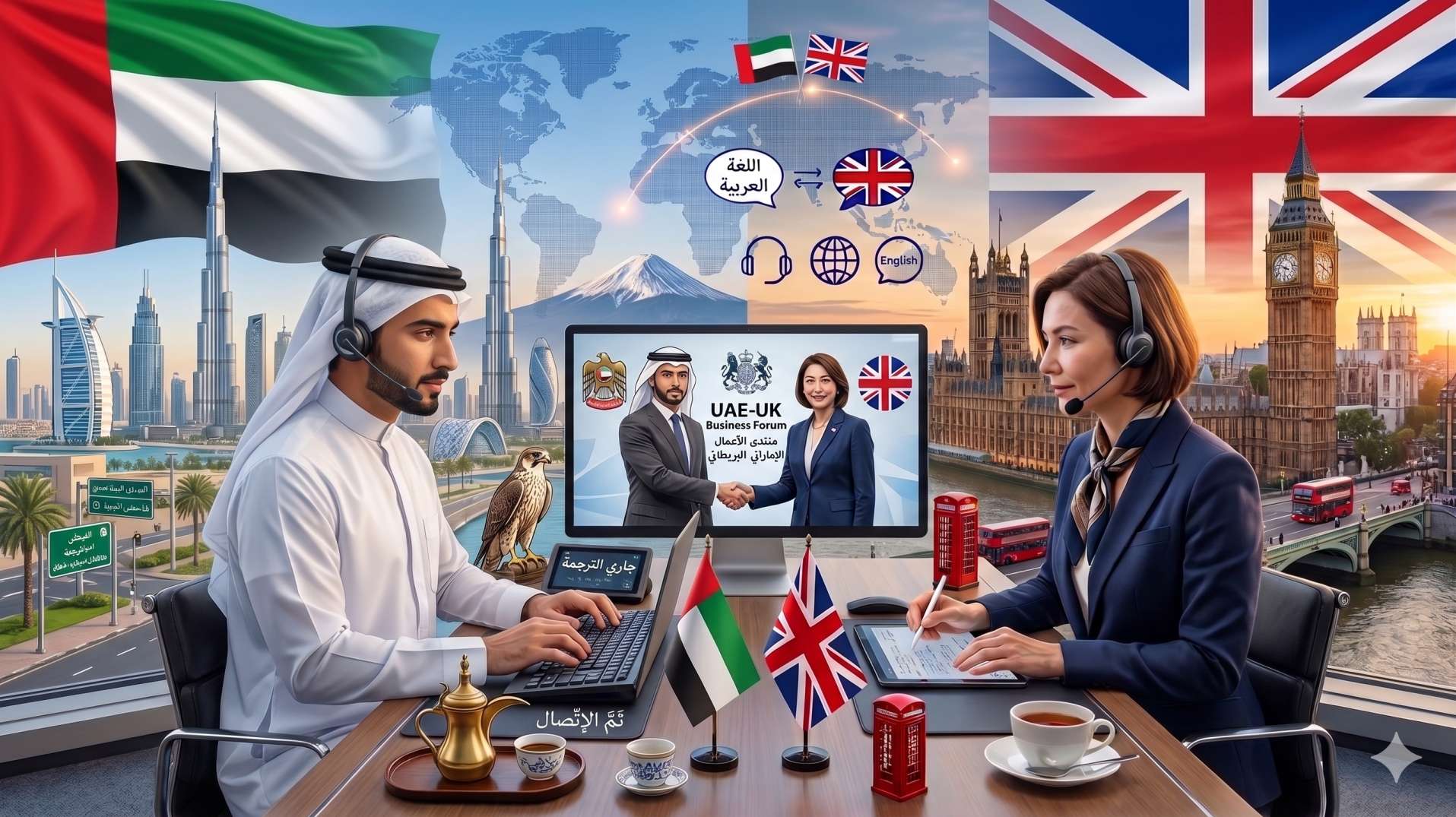
The effectiveness of interpretation hinges on selecting the appropriate modality for the specific situation. For an Arabic interpreter in Doncaster, proficiency across various techniques is essential to meet the diverse needs of clients. Simultaneous interpretation is commonly used in conferences, large meetings, and parliamentary settings, where the interpreter conveys the message in Arabic almost instantaneously as the speaker talks, often using specialised equipment like booths and headsets. Consecutive interpretation is more suited for smaller meetings, interviews, or legal consultations, where the interpreter listens to a segment of speech, then renders it into Arabic. This allows for more natural pauses and interaction. Escort interpretation, also known as liaison interpretation, facilitates communication between two or more parties who speak different languages during informal settings, business negotiations, or site visits. The interpreter acts as a bridge, ensuring smooth dialogue and cultural understanding. In today’s technologically advanced world, remote interpretation services have become increasingly vital. This modality, often referred to as Video Remote Interpreting (VRI) or Over-the-Phone Interpreting (OPI), allows clients to connect with qualified Arabic interpreters via telephone or video conferencing platforms. This is particularly useful for urgent situations, geographically dispersed teams, or when on-site interpreters are not readily available. Professional bodies like the International Association of Conference Interpreters (AIIC), while international, set high standards that influence UK practices, and national bodies like NRPSI also recognise the importance of these diverse skills.
Economic and Social Fabric of Doncaster
Doncaster’s economy is a blend of traditional industries and emerging sectors, creating a dynamic environment where effective communication is key to growth and integration. The city’s strategic location in South Yorkshire, coupled with its developing infrastructure, makes it an attractive hub for businesses and a welcoming place for a diverse population.
Corporate and Industry
Doncaster boasts a significant industrial heritage, particularly in manufacturing and logistics, and is increasingly attracting investment in new technologies and services. For businesses operating in or engaging with Doncaster, Arabic language support can be crucial for international trade, supplier relations, and managing a multicultural workforce. Accurate translation of contracts, marketing materials, and technical documentation, alongside professional interpretation for business meetings and negotiations, ensures that UK companies can compete effectively on a global scale and that local businesses can tap into new markets. The Doncaster Chamber of Commerce actively supports local businesses, and linguistic services are integral to fostering international partnerships.
Tourism
Doncaster is also a growing tourist destination, attracting visitors for its historical sites, racecourse, and cultural events. Providing information and services in multiple languages, including Arabic, enhances the visitor experience and supports the local tourism economy. This can range from translated visitor guides and website content to on-site interpretation services for tour groups or at hospitality venues. Ensuring that Arabic-speaking tourists feel welcomed and can easily navigate services contributes to Doncaster’s reputation as an inclusive and accessible destination.
Legal Infrastructure
The presence of robust legal services is vital for any thriving city. Doncaster is served by a network of solicitors and legal professionals who cater to a wide range of needs, from corporate law to family matters and immigration. For law firms in Doncaster, having access to qualified Arabic interpreters and translators is essential for representing clients effectively in matters involving the His Majesty’s Courts and Tribunals Service (HMCTS), the Home Office, and other UK legal bodies. Compliance with professional standards set by bodies like the NRPSI ensures that legal advice and representation are provided with the utmost accuracy and integrity.
NHS Healthcare
As previously highlighted, the healthcare sector in Doncaster is a significant employer and service provider. The NHS trusts serving the city, such as Doncaster and Bassetlaw Teaching Hospitals NHS Foundation Trust, are committed to providing accessible care to all residents. This commitment necessitates the availability of professional Arabic interpreters to ensure that patients from Arabic-speaking backgrounds can communicate effectively with healthcare professionals, understand their treatment plans, and provide informed consent, thereby upholding the highest standards of patient safety and care as overseen by the CQC.
Local Infrastructure and Transport
Doncaster’s strategic location in Yorkshire provides excellent connectivity. Its well-developed transport infrastructure, including a major railway station and proximity to key motorways like the M1 and A1(M), facilitates easy access for both businesses and individuals. The city is served by Doncaster Council’s transport services, and the presence of Doncaster Sheffield Airport (though currently not operational for passenger flights, its infrastructure remains) underscores the city’s potential for national and international connectivity. For professional interpreters and translators, this infrastructure ensures that they can reach clients efficiently across Doncaster and the wider Yorkshire region, whether for on-site assignments or to support the city’s growing economic and social networks. Reliable transport links are also crucial for the delivery of essential services, including healthcare and legal support, ensuring that qualified professionals can reach those who need them.
Conclusion
For any organisation or individual in Doncaster requiring precise and professional linguistic support, engaging a certified Arabic interpreter in Doncaster is indispensable. Whether navigating the complexities of the UK legal system with HMCTS, ensuring patient safety within the NHS, or facilitating international business relations, the role of a qualified interpreter is critical. Adherence to UK professional standards, as upheld by bodies like the NRPSI, guarantees the accuracy, confidentiality, and ethical conduct necessary in sensitive environments. By prioritising professional Arabic interpretation services, Doncaster’s businesses, legal firms, and healthcare providers can foster inclusivity, enhance operational efficiency, and uphold the highest standards of service delivery across the UK.