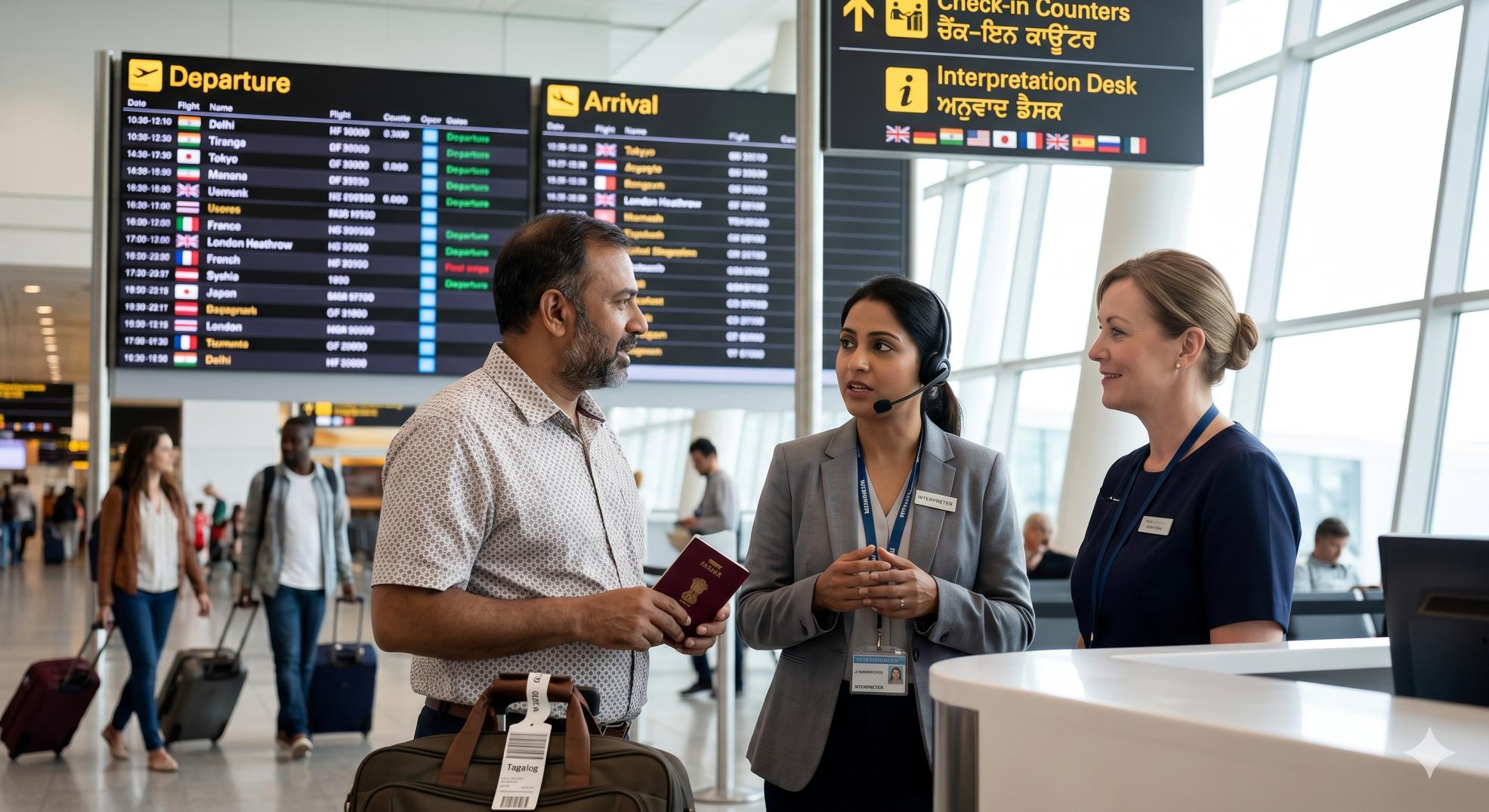

Securing a qualified German interpreter in East Dunbartonshire is paramount for effective communication across a spectrum of vital sectors within the UK. Whether engaging with His Majesty’s Courts and Tribunals Service (HMCTS), navigating complex NHS healthcare pathways, or facilitating international business dealings, the need for precise and culturally attuned linguistic support cannot be overstated. East Dunbartonshire, a region known for its blend of urban accessibility and scenic beauty, relies on robust communication infrastructure to serve its diverse population and attract investment. For residents and businesses requiring German language services, accessing accredited professionals ensures compliance with UK legal and professional standards, safeguarding patient safety, and fostering robust economic ties. This is particularly crucial when dealing with sensitive matters that require absolute clarity and confidentiality, such as legal proceedings or medical consultations. The local NHS trusts, including Greater Glasgow and Clyde NHS Board and NHS Lothian (though Lothian is geographically distinct, its services can sometimes extend or be relevant in broader Scottish contexts for specialist care), play a critical role in community well-being, and their commitment to accessible communication, as guided by NHS England’s Language Access Guidelines, underscores the importance of professional interpretation.
Translation vs. Interpretation: Ensuring Precision in East Dunbartonshire
While often used interchangeably, translation and interpretation are distinct disciplines, each requiring specialised skills and adherence to stringent professional standards within the UK. A German translator in East Dunbartonshire works with written text, converting documents, contracts, websites, and official papers from German to English or vice versa. This process demands meticulous attention to detail, an understanding of legal and technical terminology, and a commitment to accuracy that aligns with UK legal requirements and professional bodies like the Chartered Institute of Linguists (CIOL). Conversely, a German interpreter facilitates spoken communication in real-time. This involves understanding nuances, tone, and cultural context to convey messages accurately between parties. For legal proceedings before His Majesty’s Courts and Tribunals Service (HMCTS), medical appointments within the NHS, or business negotiations, the role of the interpreter is critical. Professional interpreters in the UK are often accredited by bodies such as the National Register of Public Service Interpreters (NRPSI) or hold qualifications like the Diploma in Public Service Interpreting (DPSI). Ensuring that your chosen professional is certified by a recognised UK body guarantees competence and adherence to ethical codes, which is vital for maintaining the integrity of any interaction, especially in high-stakes environments. The distinction is crucial for corporate buyers and legal professionals in East Dunbartonshire who need to commission the correct service for their specific needs, avoiding costly errors and ensuring compliance with UK data protection regulations like the UK General Data Protection Regulation (UK GDPR).
Legal Defence, Immigration, and Courtroom Interpretation
The UK’s legal system, administered by His Majesty’s Courts and Tribunals Service (HMCTS), places a high premium on fairness and due process. For individuals who do not speak English as a first language, access to qualified German interpreters is not merely a convenience but a fundamental right. This is particularly relevant in criminal courts, civil litigation, family law proceedings, and immigration tribunals. The Home Office and the Tribunal Service, including the First-tier Immigration Tribunal, rely heavily on the accuracy of interpreters to ensure that evidence is presented correctly and that all parties understand the proceedings. Professional interpreters working within the UK legal framework must be registered with bodies like the NRPSI, which sets rigorous standards for competence, ethics, and professional conduct. Holding a DPSI qualification, for instance, demonstrates a deep understanding of legal terminology and procedures within the UK context. This ensures that nuances in testimony, legal arguments, and judicial instructions are conveyed faithfully, preventing miscarriages of justice. For law firms and legal aid providers in and around East Dunbartonshire, engaging NRPSI-certified interpreters is essential for maintaining client confidence and upholding the integrity of the justice system. The Ministry of Justice oversees the court system, and its commitment to accessibility is reflected in the stringent requirements for public service interpreters.
Healthcare and NHS Patient Safety
Patient safety within the UK’s National Health Service (NHS) is paramount, and effective communication is a cornerstone of this commitment. For German-speaking patients in East Dunbartonshire, accessing healthcare services requires interpreters who can bridge linguistic divides accurately and sensitively. The Care Quality Commission (CQC), the independent regulator of health and social care services in England (though its principles are mirrored in Scotland’s Care Inspectorate), emphasizes the importance of clear communication in ensuring high-quality care. NHS trusts serving East Dunbartonshire, such as Greater Glasgow and Clyde NHS Board, are obligated to provide language assistance to patients who need it, in line with NHS England’s Language Access Guidelines and similar directives in Scotland. A professional German interpreter ensures that patients fully understand diagnoses, treatment options, medication instructions, and consent forms, thereby enabling informed decision-making and adherence to care plans. This is critical for preventing medical errors, improving patient outcomes, and ensuring patient satisfaction. Furthermore, adherence to UK GDPR means that all patient information, including details discussed during consultations facilitated by interpreters, must be handled with the utmost confidentiality. Professional bodies like the NRPSI and the CIOL provide frameworks for qualified interpreters, ensuring they possess the necessary medical terminology and ethical grounding to operate within the sensitive healthcare environment. For NHS trusts and private healthcare providers in East Dunbartonshire, commissioning interpreters through accredited agencies or directly from the NRPSI database is a vital step in ensuring equitable and safe patient care.
Technical Interpretation Modalities
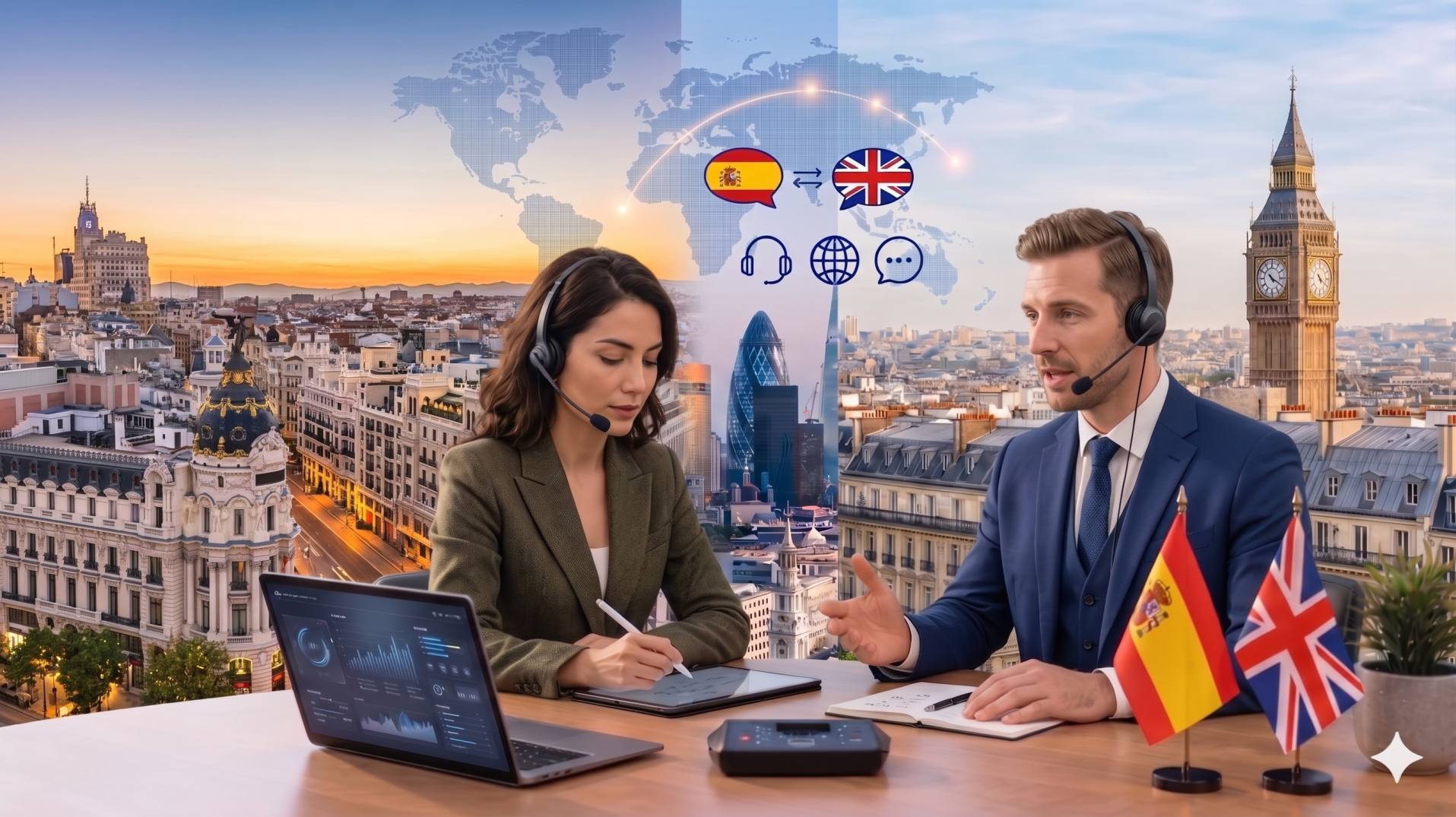
The effectiveness of German interpretation services in East Dunbartonshire hinges on selecting the appropriate modality for the specific context. Professional interpreters offer a range of skills tailored to different communication needs:
- Consecutive Interpretation: This is perhaps the most common form, where the interpreter listens to a segment of speech, waits for the speaker to pause, and then renders the message in the target language. It is ideal for one-on-one meetings, interviews, medical consultations, and smaller group discussions where direct interaction is key. In a UK business setting, it allows for a natural flow of conversation while ensuring accuracy.
- Simultaneous Interpretation: This highly demanding skill involves interpreting the speaker’s message almost as it is being delivered, with only a few seconds’ delay. It requires specialised equipment, such as soundproof booths and headsets, and is typically used for large conferences, international summits, and parliamentary sessions where real-time comprehension is essential. For UK-based international events held in or near East Dunbartonshire, this modality ensures all delegates can participate fully.
- Escort Interpretation (Liaison Interpretation): This involves the interpreter accompanying a client or group, facilitating communication in various settings such as business meetings, site visits, or social functions. The interpreter acts as a bridge between parties, often translating short segments of speech back and forth. It is crucial for building rapport and ensuring smooth operations during international delegations visiting East Dunbartonshire.
- Remote Interpretation (Video/Telephone): With advancements in technology, remote interpretation has become increasingly viable. Using secure video conferencing or telephone platforms, interpreters can provide services without being physically present. This is particularly useful for urgent consultations, routine calls, or when geographical distance is a barrier. Adherence to UK GDPR and data security protocols is paramount in these remote settings.
Choosing the correct modality, whether for a legal deposition before HMCTS, a medical appointment with the NHS, or a corporate negotiation, is critical for achieving the desired communication outcome. Professional interpreting bodies in the UK, such as the International Association of Conference Interpreters (AIIC) (which has UK members) and the NRPSI, provide guidance on these different services.
Economic and Social Fabric of East Dunbartonshire
East Dunbartonshire, situated to the north of Glasgow, presents a dynamic economic landscape characterised by a mix of established industries, burgeoning tourism, and a strong public sector presence. Understanding this local context is vital for businesses and organisations requiring German language services.
Corporate and Industry
The region benefits from its proximity to Glasgow, a major economic hub in Scotland. While East Dunbartonshire itself hosts a range of businesses, from manufacturing to professional services, its economic vitality is intertwined with the wider Scottish and UK economy. Companies operating internationally, or those seeking to attract German investment or partnerships, require seamless communication. This includes translating marketing materials, technical specifications, and legal contracts in compliance with UK corporate law. Professional German translators and interpreters are essential for facilitating trade agreements, joint ventures, and mergers and acquisitions involving German entities. The Department for Business and Trade (DBT) supports UK businesses in international trade, highlighting the importance of linguistic support for export and investment activities.
Tourism
East Dunbartonshire boasts significant natural beauty, including parts of the Loch Lomond & The Trossachs National Park, and a rich history, making it an attractive destination for both domestic and international tourists. German visitors represent a key demographic. Providing multilingual information, such as translated brochures, website content, and on-site interpretation services at heritage sites and visitor centres, enhances the visitor experience and boosts the local tourism economy. This aligns with the broader UK tourism strategy, which aims to attract a diverse range of international visitors. Local tourism boards and businesses can leverage German language services to cater to this market effectively.
Legal Infrastructure
While major legal centres are in nearby Glasgow and Edinburgh, East Dunbartonshire has its own legal practitioners and is served by the wider Scottish legal system, which operates under UK-wide principles of justice. The presence of HMCTS facilities, even if regional, necessitates access to qualified German interpreters for individuals involved in legal matters, including immigration cases handled by the UK Visas and Immigration (UKVI). Law firms in the area that handle cross-border cases or assist German nationals require interpreters certified by bodies like the NRPSI to ensure compliance and effective representation.
NHS Healthcare
The provision of healthcare services in East Dunbartonshire is primarily managed by NHS Greater Glasgow and Clyde. Ensuring that German-speaking residents and visitors receive equitable and safe healthcare is a priority. This involves providing access to interpreters for GP appointments, hospital visits, and specialist consultations. The commitment to patient-centred care, as advocated by the CQC and its Scottish counterparts, means that linguistic barriers must be overcome. Professional interpreters are crucial for explaining complex medical information, obtaining informed consent, and ensuring adherence to treatment plans, thereby supporting the overall health and well-being of the community.
Local Infrastructure and Transport
East Dunbartonshire benefits from excellent transport links, being well-connected to Glasgow and the wider UK via road and rail networks. Major motorways, including the M80 and M8, provide swift access to national routes. Several train stations within the council area serve commuter lines, connecting residents to employment centres and facilitating business travel. For international connections, Glasgow Airport is within easy reach. This robust infrastructure supports the movement of goods and people, underpinning the region’s economic activity. For businesses requiring German interpretation services, the accessibility of East Dunbartonshire means that interpreters can readily travel to client sites, or remote interpretation can be seamlessly integrated into business operations. The Transport Scotland agency oversees the strategic transport network, ensuring that connectivity supports economic growth across the region.
Conclusion
For any organisation or individual in East Dunbartonshire requiring precise and professional linguistic support, engaging a qualified German interpreter in East Dunbartonshire is essential. From the critical demands of the UK legal system under HMCTS and UKVI, to the vital patient care provided by the NHS, and the complexities of international business, accuracy and cultural understanding are non-negotiable. By partnering with accredited interpreters registered with bodies like the NRPSI, you ensure compliance, uphold professional standards, and facilitate effective communication. We provide expert German interpretation and translation services tailored to the specific needs of the UK professional market. Contact us today to discuss your requirements and ensure your message is conveyed with clarity and precision.