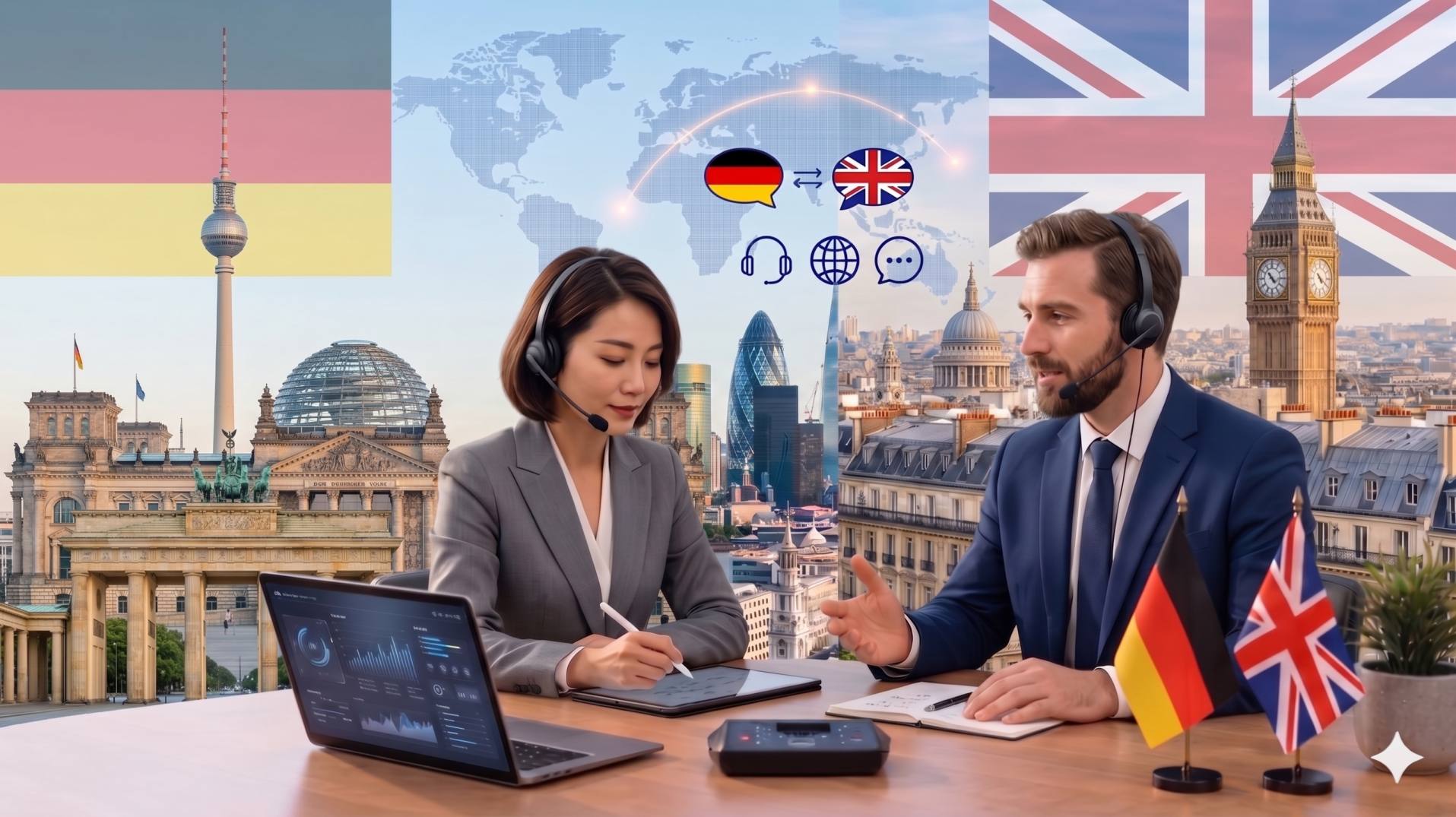
Securing a qualified Mandarin interpreter in Central Bedfordshire is paramount for effective communication across diverse sectors, from legal proceedings and healthcare access to business negotiations and public services. In a region like Central Bedfordshire, which is increasingly connected to global economies, the need for precise and culturally nuanced interpretation services is more critical than ever. This is particularly true when engaging with official bodies such as the East of England Ambulance Service NHS Trust or the Bedfordshire Hospitals NHS Foundation Trust, where accurate communication can directly impact patient care and safety. This guide explores the vital role of Mandarin interpreters and translators within the UK’s professional landscape, focusing on the specific needs and resources available in Central Bedfordshire.
Translation vs. Interpretation: Precision in Communication
While often used interchangeably, translation and interpretation are distinct disciplines, each requiring specialised skills and qualifications. A Mandarin translator in Central Bedfordshire works with written text, converting documents, websites, and other written materials from Mandarin to English or vice versa. This process demands not only linguistic proficiency but also a deep understanding of cultural context, subject matter, and stylistic conventions to ensure the translated text accurately reflects the original meaning and intent. Conversely, a Mandarin interpreter facilitates spoken communication in real-time. This involves listening to a speaker in one language and rendering their message orally in another. The interpreter must possess exceptional listening skills, a strong command of both languages, and the ability to think quickly and accurately under pressure. For legal, medical, and business contexts, the distinction is crucial; a mistranslated document or a misinterpreted statement can have significant repercussions. Professional bodies like the National Register of Public Service Interpreters (NRPSI) and the Chartered Institute of Linguists (CIOL) set rigorous standards for both translators and interpreters, ensuring competence and ethical conduct.
Legal Defence, Immigration, and Courtroom Interpretation
The UK’s justice system relies heavily on the principle of access to justice for all, regardless of language. For individuals who speak Mandarin and are involved in legal matters, securing a qualified interpreter is not just a convenience but a fundamental right. This is particularly relevant in cases heard before His Majesty’s Courts and Tribunals Service (HMCTS), including civil, family, and criminal courts. Mandarin interpreters are essential for ensuring that defendants, witnesses, and victims can fully understand proceedings and articulate their statements accurately. The Home Office and the UK Visas and Immigration (UKVI) also require certified interpreters for immigration interviews and appeals heard at the First-tier Immigration Tribunal. Professional interpreters often hold qualifications such as the Diploma in Public Service Interpreting (DPSI), which is specifically designed for interpreters working in public service settings, including legal environments. Adherence to the NRPSI Code of Conduct ensures impartiality, confidentiality, and accuracy, which are vital for maintaining the integrity of legal processes. Law firms in Central Bedfordshire and across the UK frequently engage Mandarin interpreters to represent their clients effectively, ensuring no communication barriers impede the pursuit of justice. The role of the interpreter extends to police station interviews, Crown Prosecution Service (CPS) case preparation, and any interaction with legal professionals where language may be a barrier.
Healthcare and NHS Patient Safety
In the National Health Service (NHS), effective communication is intrinsically linked to patient safety and quality of care. For Mandarin-speaking patients in Central Bedfordshire, accessing healthcare services requires interpreters who can bridge the language gap with medical professionals. This is vital for accurate diagnosis, informed consent, and adherence to treatment plans. The Care Quality Commission (CQC), which regulates health and social care services in England, emphasises the importance of effective communication in ensuring patient well-being. NHS trusts are mandated to provide interpretation services to patients who require them, in line with NHS England’s Language Services guidelines. Interpreters working within the NHS must not only be linguistically competent but also understand medical terminology and the sensitive nature of healthcare interactions. They must adhere to strict confidentiality protocols, in line with UK GDPR regulations. Services provided by Mandarin interpreters in healthcare settings can range from consultations with GPs and specialists to hospital admissions, antenatal appointments, and mental health support. The East of England Ambulance Service NHS Trust and Bedfordshire Hospitals NHS Foundation Trust, along with local Clinical Commissioning Groups (CCGs) and Integrated Care Boards (ICBs), are committed to ensuring that all patients, including those who speak Mandarin, receive equitable and safe care. Professional bodies like the NRPSI and the International Association of Conference Interpreters (AIIC) provide frameworks for qualified medical interpreters.
Technical Interpretation Modalities
The effectiveness of interpretation hinges on selecting the appropriate modality for the specific situation. Mandarin interpreters in Central Bedfordshire employ various techniques to facilitate communication:
- Simultaneous Interpretation: This is the most demanding form, where the interpreter speaks almost concurrently with the source speaker, typically using specialised equipment like booths and headsets. It is ideal for large conferences, international meetings, and live broadcasts where time is critical and seamless flow is desired.
- Consecutive Interpretation: Here, the interpreter waits for the speaker to pause before rendering the message in the target language. This is commonly used in smaller meetings, one-on-one discussions, legal depositions, and medical consultations where direct interaction and clarity are paramount.
- Escort Interpretation: Also known as liaison interpretation, this involves accompanying clients to meetings, site visits, or social events, facilitating communication between parties in a more informal setting. It requires cultural sensitivity and the ability to adapt to various conversational dynamics.
- Remote Interpretation (RSI): With advancements in technology, remote interpretation has become increasingly prevalent. This modality allows interpreters to connect to assignments via phone or video conferencing platforms, offering flexibility and cost-effectiveness for various scenarios, including business calls, online meetings, and even some court hearings, provided security and confidentiality protocols are met.
Choosing the right modality ensures that the communication objectives are met efficiently and effectively, whether in a corporate boardroom, a courtroom, or a hospital ward. Professional organisations like the Chartered Institute of Linguists provide guidance on best practices for different interpretation settings.
Economic and Social Fabric of Central Bedfordshire
Central Bedfordshire, a diverse and dynamic local government district in Bedfordshire, England, boasts a rich economic and social landscape. Understanding this local context is crucial for tailoring language services to meet specific community and business needs. The presence of a significant Mandarin-speaking population, alongside growing international business links, necessitates robust interpretation and translation services.
Corporate and Industry
Central Bedfordshire is home to a variety of industries, including advanced manufacturing, logistics, and technology. Businesses operating in or engaging with this region often seek Mandarin interpreters for international trade negotiations, supplier meetings, client relations, and market expansion into China. The ability to communicate effectively in Mandarin can unlock new commercial opportunities and strengthen existing partnerships. Professional interpreters ensure that business agreements are precise and that cross-cultural misunderstandings are minimised, contributing to the economic vitality of the area. Organisations such as the Central Bedfordshire Council support local businesses, and access to professional language services can be a key enabler for international engagement.
Tourism
While perhaps not as prominent as some other UK regions, Central Bedfordshire offers attractions that draw visitors. For Mandarin-speaking tourists, having access to information and services in their language enhances their experience. This can include translated visitor guides, interpretation services at local attractions, and support for hospitality businesses aiming to cater to international visitors. A welcoming approach that embraces linguistic diversity can boost the local tourism economy.
Legal Infrastructure
The legal landscape in Central Bedfordshire includes local law firms, police services, and proximity to HMCTS facilities. Mandarin interpreters are indispensable for these services, ensuring that individuals involved in legal processes, from criminal investigations to civil disputes and family law matters, can access justice. The His Majesty’s Courts and Tribunals Service operates across the UK, and ensuring access for all is a core principle. Professional interpreters, often qualified through the NRPSI or holding a DPSI qualification, are crucial for the fair and efficient administration of justice.
NHS Healthcare
The healthcare provision in Central Bedfordshire is managed by local NHS trusts and the relevant Integrated Care Board. For Mandarin-speaking residents and visitors, accessing healthcare services requires skilled interpreters. This ensures that patients can communicate their symptoms, understand diagnoses, and provide informed consent for treatments. The Bedfordshire Hospitals NHS Foundation Trust and the East of England Ambulance Service NHS Trust, alongside primary care providers, are committed to patient safety, which includes overcoming language barriers. Adherence to NHS England’s guidelines and UK GDPR is paramount.
Local Infrastructure and Transport
Central Bedfordshire benefits from a strategic location within the UK, with good transport links. Major road networks, including the A1 and M1, facilitate connectivity to London and other key economic centres. This infrastructure supports the movement of goods and people, underpinning the region’s economic activity. For businesses and individuals requiring Mandarin interpretation services, the accessibility of Central Bedfordshire means that interpreters can readily travel to client locations or connect remotely. The presence of reliable transport infrastructure ensures that essential services, including those provided by interpreters, can be delivered efficiently across the district and beyond. This connectivity is vital for sectors like logistics and manufacturing, which are significant in the region.
Conclusion
In conclusion, the demand for professional Mandarin interpreter in Central Bedfordshire services is driven by the region’s diverse economy, legal requirements, and healthcare needs. Ensuring access to qualified, certified interpreters is fundamental for upholding justice, ensuring patient safety, and fostering economic growth. Whether for legal proceedings before HMCTS, critical healthcare consultations with NHS trusts, or vital business negotiations, the role of the interpreter is indispensable. Organisations and individuals requiring these services should seek professionals accredited by recognised UK bodies such as the NRPSI, ensuring accuracy, confidentiality, and adherence to the highest professional standards. Engaging a skilled Mandarin interpreter is an investment in clear communication and successful outcomes within the UK’s regulatory and social framework.