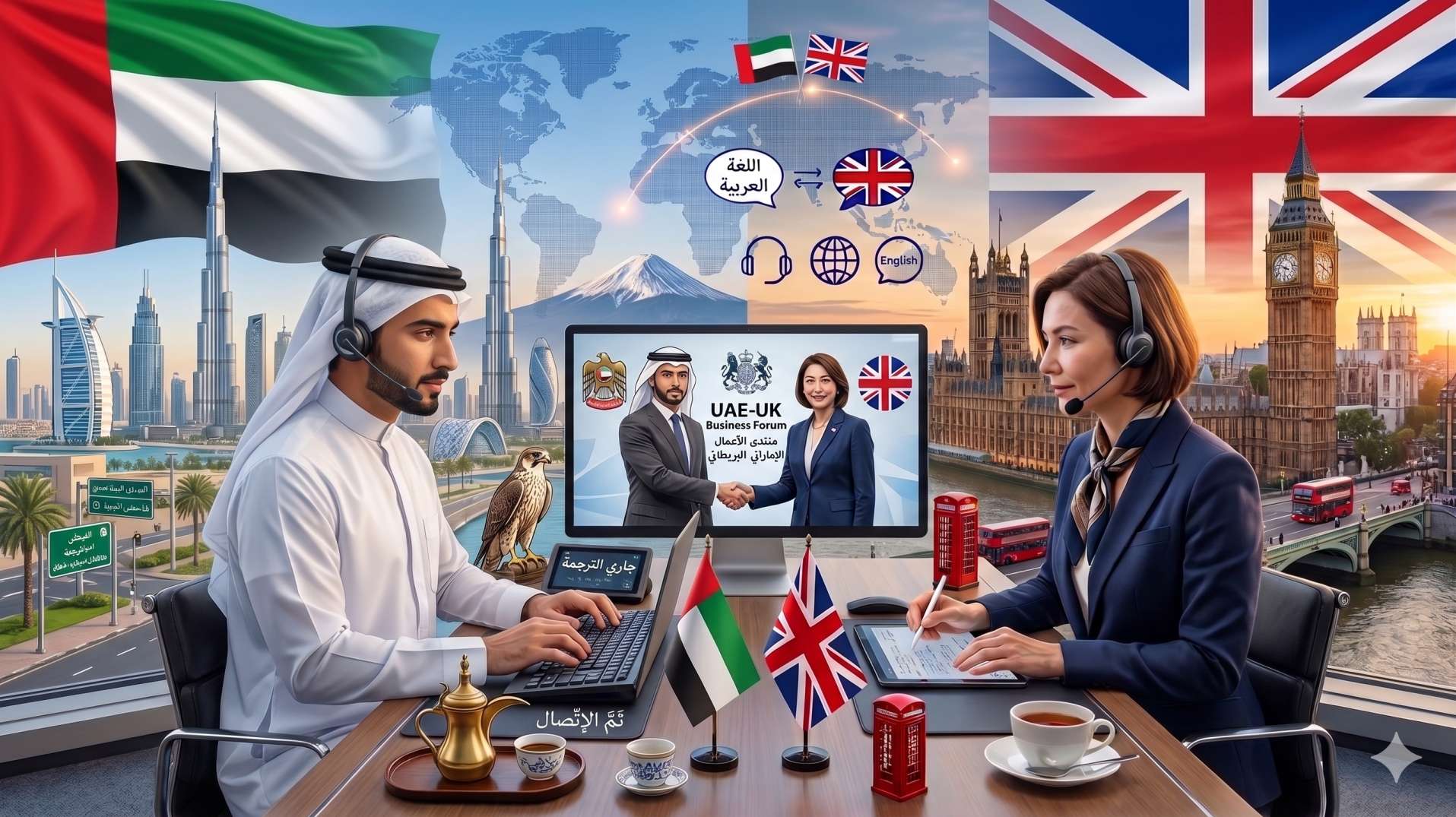
Securing a qualified Arabic interpreter in Folkestone is paramount for effective communication across diverse sectors, from legal proceedings to critical healthcare interactions. In a town like Folkestone, which serves as a vital gateway and a growing hub for professional services, the need for precise and culturally sensitive language support cannot be overstated. This is particularly true when navigating the complexities of the UK’s legal system, the intricacies of the National Health Service (NHS), and the demands of international business. Our services ensure that whether you are engaging with the East Kent Hospitals University NHS Foundation Trust or the Kent Community Health NHS Foundation Trust, language barriers are removed, facilitating clear understanding and access to essential services for Arabic speakers in Folkestone and beyond.
Translation vs Interpretation: Ensuring Clarity and Accuracy
While often used interchangeably, translation and interpretation are distinct disciplines requiring different skill sets and methodologies. Understanding this difference is crucial for selecting the appropriate service for your needs. Translation typically involves the conversion of written text from one language to another. This process allows for meticulous review, editing, and proofreading to ensure the highest level of accuracy and fidelity to the source material. For legal documents, corporate reports, or official correspondence, professional translation services are indispensable. Conversely, interpretation deals with spoken language in real-time. This demands not only linguistic proficiency but also exceptional listening skills, immediate recall, and the ability to convey meaning accurately and instantaneously. The role of an Arabic translator in Folkestone might involve translating a legal contract, whereas an Arabic interpreter in Folkestone would be essential for a live court hearing or a patient-doctor consultation. The nuances of spoken communication, including tone, emphasis, and cultural context, are vital elements that a skilled interpreter must capture and convey effectively. Professional bodies such as the Chartered Institute of Linguists (CIOL) and the National Register of Public Service Interpreters (NRPSI) set stringent standards for both translators and interpreters, ensuring that practitioners possess the necessary qualifications and adhere to ethical codes of conduct. For public service roles, particularly within the legal and healthcare sectors, interpreters often require specific certifications, such as those awarded by the Diploma in Public Service Interpreting (DPSI), demonstrating their competence in handling sensitive and complex situations.
Legal Defence, Immigration, and Courtroom Interpretation
The UK’s justice system is built on the principle of fairness and equal access to justice for all. For individuals who do not speak English as their first language, this principle can only be upheld through the provision of qualified interpreters. In Folkestone, as across the UK, the His Majesty’s Courts and Tribunals Service (HMCTS) mandates the use of professional interpreters in legal proceedings where a party does not understand English. This includes criminal trials, civil litigation, family law cases, and employment tribunals. The accuracy and impartiality of an Arabic interpreter are critical in these environments, as misinterpretations can have profound consequences, potentially leading to wrongful convictions, unfair judgments, or significant financial penalties. The Home Office and its UK Visas and Immigration (UKVI) departments also rely heavily on interpreters for interviews, asylum claims, and other immigration-related matters. Ensuring that Arabic-speaking individuals can fully articulate their case or understand the proceedings is a fundamental right. Professional interpreters registered with bodies like the NRPSI have undergone rigorous vetting and adhere to a strict code of conduct, guaranteeing confidentiality, impartiality, and accuracy. This is vital when dealing with sensitive personal information and legal arguments. The Royal Courts of Justice and all other courts under HMCTS jurisdiction expect the highest standards of interpretation. Furthermore, in cases involving potential miscarriages of justice, the role of an interpreter is scrutinised. Therefore, engaging interpreters who meet the stringent requirements of UK legal standards is not merely a matter of compliance but a necessity for upholding justice.
Healthcare and NHS Patient Safety
Patient safety and effective communication are cornerstones of the UK’s National Health Service (NHS). For Arabic-speaking patients in Folkestone, accessing healthcare services without clear communication can lead to anxiety, delayed diagnosis, incorrect treatment, and adverse health outcomes. The Care Quality Commission (CQC), the independent regulator of health and social care services in England, places significant emphasis on effective communication as part of its inspection framework. NHS England’s Language Access guidelines mandate that providers must ensure that patients have access to competent interpreters when needed. This is not just a matter of patient comfort but a critical component of clinical governance and patient safety, directly impacting the quality of care delivered. Interpreters working within the NHS must not only possess excellent linguistic skills but also understand medical terminology, cultural sensitivities surrounding health, and the ethical obligations of confidentiality, as stipulated by UK GDPR and professional standards. The NHS Business Services Authority provides resources and guidance on language services, underscoring the national commitment to equitable access. For Folkestone residents, this means that when interacting with healthcare professionals at local facilities, whether it’s a GP surgery or a hospital department, the availability of a qualified Arabic interpreter is essential. This ensures that patients can accurately describe their symptoms, understand diagnoses, consent to treatments, and follow post-operative care instructions, thereby promoting better health outcomes and reducing the risk of medical errors. The NHS operates under strict data protection regulations, and interpreters are bound by the same confidentiality requirements as healthcare staff, ensuring patient privacy is maintained at all times.
Technical Interpretation Modalities
The effectiveness of interpretation hinges on selecting the correct modality for the specific situation. Different settings and communication needs require distinct approaches to interpretation. Simultaneous interpretation is often used in conferences, large meetings, or parliamentary sessions where speakers address a large audience. The interpreter, working from a soundproof booth with specialised equipment, translates the speech almost instantaneously as the speaker talks. This requires intense concentration and is typically performed by a team of two interpreters who alternate every 20-30 minutes. Consecutive interpretation is more common in smaller settings, such as business negotiations, legal consultations, or medical appointments. Here, the interpreter listens to a segment of speech, waits for the speaker to pause, and then renders the message in the target language. This allows for more detailed and nuanced communication, as the interpreter can take notes and ensure full comprehension. Escort interpretation, also known as liaison interpretation, facilitates communication between two or more parties who speak different languages during informal settings, such as business meetings, site visits, or social events. The interpreter acts as a bridge, ensuring smooth dialogue and understanding between individuals. Finally, remote interpretation, including telephone interpreting and video remote interpreting (VRI), has become increasingly prevalent, offering flexibility and rapid access to interpreters. While highly convenient, the effectiveness of remote interpretation depends on the quality of the audio/video connection and the interpreter’s ability to adapt to the medium. For businesses and organisations in Folkestone, understanding these modalities ensures that they can deploy the most appropriate and cost-effective interpretation solution, whether for international client meetings, cross-cultural team collaborations, or providing accessible services to the local Arabic-speaking community.
Economic and Social Fabric of Folkestone
Folkestone, a vibrant coastal town in Kent, possesses a dynamic economic and social landscape that increasingly benefits from robust multilingual communication. As a gateway to Europe and a growing centre for business and tourism, the town’s prosperity is intertwined with its ability to connect with diverse populations. The presence of skilled Arabic interpreters and translators is therefore not just a service provision but a strategic asset for local enterprises and public services.
Corporate and Industry
Folkestone’s economic base is diversifying, with a growing number of businesses engaged in international trade, technology, and professional services. For companies operating in or looking to engage with markets where Arabic is spoken, having access to professional Arabic interpretation and translation is crucial. This facilitates everything from negotiating contracts with Middle Eastern partners to marketing products and services to an Arabic-speaking consumer base. The Kent County Council supports local economic development, and businesses that can effectively communicate across language barriers are better positioned to thrive in the global marketplace. Professional bodies like the International Association of Conference Interpreters (AIIC) highlight the importance of high-quality interpretation in international business dealings, ensuring that cultural nuances and business etiquette are respected, which is vital for building trust and successful partnerships.
Tourism
As a popular tourist destination, Folkestone attracts visitors from around the world. While English is the primary language, providing multilingual support enhances the visitor experience for Arabic-speaking tourists. This can range from translated tourist information and signage to on-demand interpretation services for guided tours or hotel services. A welcoming approach that acknowledges and caters to diverse linguistic needs can significantly boost the local tourism economy, encouraging repeat visits and positive word-of-mouth referrals. The Visit Kent tourism board promotes the region, and enhanced language services contribute to Folkestone’s appeal as an inclusive and accessible destination.
Legal Infrastructure
Folkestone benefits from a well-established legal infrastructure, including local solicitors’ firms and access to HMCTS facilities. For law firms in Folkestone, providing services to clients who speak Arabic requires the engagement of qualified legal interpreters and translators. This ensures that all parties, from initial client consultations to court appearances, can communicate effectively and that legal rights are fully understood and protected. The Law Society of England and Wales emphasises the importance of client communication, and for solicitors serving a diverse clientele, professional language services are indispensable. The availability of NRPSI-qualified interpreters is particularly critical for cases involving immigration, family law, or criminal defence, where accuracy and impartiality are paramount.
NHS Healthcare
The National Health Service (NHS) in Folkestone, encompassing services provided by trusts like East Kent Hospitals University NHS FT and Kent Community Health NHS FT, serves a diverse population. Ensuring equitable access to healthcare for Arabic speakers is a key objective. This requires readily available, qualified medical interpreters who understand the specific terminology and cultural considerations within healthcare. Effective communication between patients and medical professionals is fundamental to accurate diagnosis, treatment adherence, and overall patient well-being. The NHS Kent and Medway Integrated Care Board oversees local health services, and its commitment to patient-centred care is supported by robust language access provisions. Reliable Arabic interpretation services are therefore vital for maintaining high standards of care and patient safety within Folkestone’s healthcare system.
Local Infrastructure and Transport
Folkestone’s strategic location and developing infrastructure play a significant role in its connectivity and economic activity. The town is served by the Southeastern railway network, providing fast links to London and other major UK cities, as well as the Eurotunnel Le Shuttle terminal, connecting it to continental Europe. This connectivity makes Folkestone a hub for both business travel and logistics. For businesses requiring interpretation services for international clients arriving via the Eurotunnel or for meetings with overseas partners, timely and efficient interpretation is essential. Furthermore, the local transport network, including bus services managed by Stagecoach, ensures accessibility within the town. For Arabic-speaking residents and visitors, navigating these transport systems and accessing services is made smoother with the availability of multilingual information and support. The Folkestone & Hythe District Council is responsible for local amenities and planning, and its commitment to an inclusive community is supported by accessible communication channels. Professional interpreters can assist in various scenarios, from understanding travel updates to participating in community events, thereby fostering greater social integration and economic participation for the Arabic-speaking population in Folkestone.
Conclusion
In conclusion, the demand for a professional Arabic interpreter in Folkestone is driven by the town’s diverse economic activities, its role as a transport gateway, and the fundamental need for equitable access to essential services like legal representation and healthcare. Engaging certified and experienced Arabic interpreters ensures that communication is accurate, confidential, and culturally appropriate, upholding the standards expected by UK institutions such as HMCTS and the NHS. Whether your requirement is for a complex legal case, a critical medical consultation, or an important business negotiation, our expert interpretation services are tailored to meet your specific needs, facilitating seamless communication and fostering understanding. We are committed to providing the highest calibre of Arabic interpretation services in Folkestone, empowering individuals and organisations to overcome language barriers and achieve their objectives with confidence.