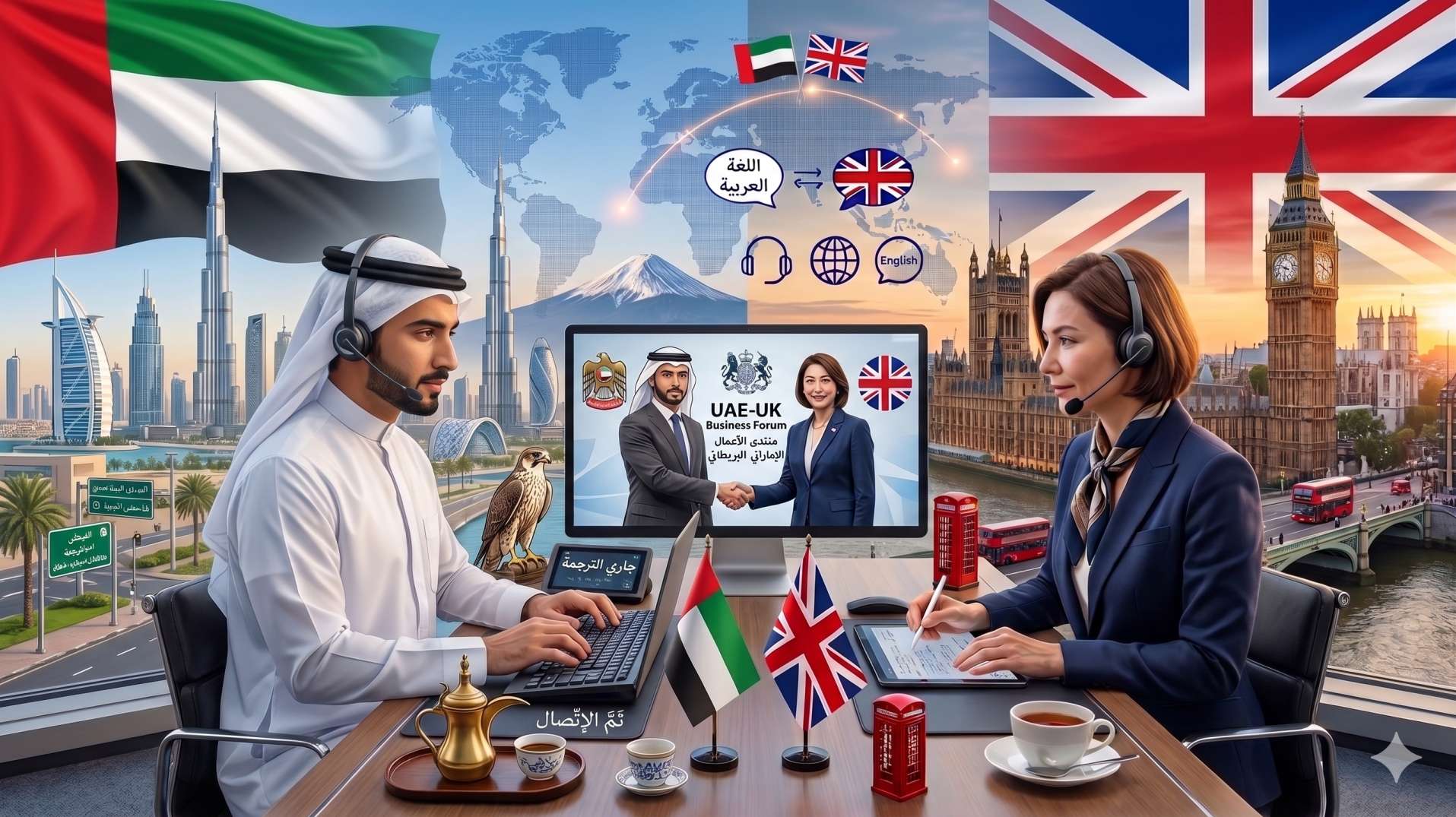
Securing a qualified Arabic interpreter in Lincoln is paramount for effective communication across vital sectors, including legal, healthcare, and business. In a city like Lincoln, which serves as a hub for professional services and boasts a growing international community, the need for accurate, culturally sensitive interpretation is more critical than ever. Whether you are a legal professional navigating complex proceedings at His Majesty’s Courts and Tribunals Service (HMCTS), a healthcare provider ensuring patient safety within the United Lincolnshire Hospitals NHS Trust or the Lincolnshire Community Health Services NHS Trust, or a business engaging with Arabic-speaking clients, the availability of professional interpreters is non-negotiable. This service ensures that all parties understand and are understood, upholding the principles of justice, patient care, and commercial integrity within the UK’s stringent regulatory framework.
Translation vs Interpretation: Understanding the Nuances for Arabic Services in Lincoln
While often used interchangeably, translation and interpretation are distinct disciplines, each requiring specialised skills and qualifications. For businesses and public services in Lincoln requiring Arabic language support, understanding this difference is the first step towards engaging the right professional. Interpretation involves the real-time, spoken rendition of a message from one language to another. This is crucial in live interactions such as court hearings, medical appointments, or business meetings. A skilled Arabic interpreter in Lincoln must not only possess fluency in both Arabic and English but also a deep understanding of cultural nuances, idiomatic expressions, and the specific terminology relevant to the context. They are the voice facilitating immediate understanding, ensuring no meaning is lost in the dynamic flow of conversation. This is distinct from translation, which deals with the written word. A translator works with documents, converting text from Arabic to English or vice versa. This process allows for more time for research, editing, and ensuring absolute accuracy in written materials, such as legal contracts, medical reports, or marketing collateral. For those seeking Arabic translation services in Lincoln, the focus is on producing precise written documents that adhere to UK standards and legal requirements.
Legal Defence, Immigration, and Courtroom Interpretation: Upholding Justice in Lincoln
The administration of justice in the UK relies heavily on the principle of equal access to legal representation and fair trial, regardless of a party’s language. For Arabic speakers involved in legal matters in Lincoln, access to qualified interpreters is not merely a convenience but a fundamental right. His Majesty’s Courts and Tribunals Service (HMCTS) mandates the provision of professional interpreters to ensure that all proceedings are conducted fairly and transparently. This includes cases heard in Magistrates’ Courts, Crown Courts, and various tribunals. Arabic interpreters working within the UK legal system must adhere to strict professional standards, often requiring accreditation from bodies such as the National Register of Public Service Interpreters (NRPSI) or holding qualifications like the Diploma in Public Service Interpreting (DPSI). These qualifications ensure a high level of linguistic competence, ethical conduct, and an understanding of legal procedures and terminology specific to UK law.
Immigration law is another area where the need for expert Arabic interpretation is significant. Individuals navigating the complexities of the UK Visas and Immigration (UKVI) system, or appealing decisions at the First-tier Tribunal (Immigration and Asylum Chamber), require interpreters who can accurately convey sensitive information. This ensures that applicants fully understand the process, their rights, and the requirements for their applications. The Home Office relies on accredited interpreters to facilitate interviews and hearings, ensuring that decisions are made based on accurate communication. The role of an Arabic interpreter in these settings is critical in bridging language barriers, preventing misunderstandings that could have profound consequences for individuals and families seeking to establish their lives in the UK. The integrity of the legal process, from initial police interviews to final court judgments, depends on the impartiality and accuracy of these language professionals.
Healthcare and NHS Patient Safety: Bridging Language Gaps in Lincoln
Patient safety and effective communication are cornerstones of the National Health Service (NHS) in the UK. For Arabic-speaking patients in Lincoln, accessing healthcare services without a language barrier is essential for receiving appropriate care and making informed decisions about their health. The United Lincolnshire Hospitals NHS Trust and Lincolnshire Community Health Services NHS Trust, along with other local NHS providers, are committed to adhering to NHS England’s Language Access guidelines. These guidelines stipulate the need for competent interpreters to ensure that patients understand diagnoses, treatment options, and consent forms, and that healthcare professionals fully grasp patient symptoms and concerns.
The Care Quality Commission (CQC) also emphasizes effective communication as a key aspect of high-quality care. An Arabic interpreter working within the NHS must not only be linguistically proficient but also understand medical terminology and the sensitive nature of healthcare interactions. They must maintain strict confidentiality, adhering to principles aligned with UK GDPR, ensuring that patient information is protected. The presence of a qualified interpreter can significantly reduce the risk of medical errors, improve patient satisfaction, and enhance the overall effectiveness of healthcare delivery. This is particularly important in emergency situations or when discussing complex chronic conditions, where clarity and precision are vital. The professional standards expected of NHS interpreters align with those of public service interpreters, ensuring a consistent level of quality and reliability across all healthcare settings.
Technical Interpretation Modalities: Choosing the Right Approach for Arabic in Lincoln
Effective communication often depends on selecting the appropriate interpretation modality. For businesses and organisations in Lincoln requiring Arabic interpretation, understanding the different methods available ensures the most efficient and effective outcome. Consecutive interpretation is commonly used in smaller meetings, one-on-one consultations, or interviews. The interpreter listens to a segment of speech, then renders it into the target language once the speaker has finished. This allows for a natural conversational flow but can extend the duration of the interaction. Simultaneous interpretation is employed in larger conferences, formal presentations, or court proceedings where immediate comprehension is required. The interpreter speaks almost concurrently with the source speaker, often using specialised equipment like booths and headsets. This is the most demanding form of interpretation, requiring exceptional concentration and linguistic skill.
Escort interpretation, also known as liaison interpretation, facilitates communication between two or more parties who speak different languages during informal settings, such as business negotiations, site visits, or social events. The interpreter acts as a cultural bridge, conveying not just words but also nuances and context. For situations where face-to-face interaction is not feasible, remote interpretation services, including telephone interpreting (OPI) and video remote interpreting (VRI), offer a flexible and cost-effective solution. These modalities leverage technology to connect clients with Arabic interpreters, ensuring access to language support regardless of geographical location. The choice of modality depends on the specific requirements of the communication, the number of participants, the formality of the setting, and the urgency of the need for an Arabic interpreter in Lincoln.
Economic and Social Fabric of Lincoln: The Role of Arabic Language Services
Lincoln’s economy is diverse, with strengths in sectors ranging from advanced manufacturing and engineering to agriculture and professional services. The city’s growing international connections necessitate robust language support. Arabic language services play a crucial role in fostering business relationships, facilitating trade, and integrating diverse communities.
Corporate and Industry Engagement
For businesses in Lincoln operating in or looking to engage with markets in Arabic-speaking countries, professional Arabic interpretation and translation are indispensable. This includes facilitating negotiations, translating technical documentation, marketing materials, and ensuring compliance with international business standards. The ability to communicate effectively in Arabic builds trust and opens doors to new commercial opportunities, contributing to the economic vitality of the region. Companies involved in sectors such as food production, advanced manufacturing, or technology, which have potential export markets in the Middle East, will find significant value in these services.
Tourism and Hospitality
Lincoln’s rich history, including its magnificent cathedral and castle, attracts tourists from around the globe. As visitor numbers from Arabic-speaking countries potentially increase, providing Arabic language support in the tourism and hospitality sector becomes increasingly important. This can range from translated visitor information and signage to on-site interpretation services for tour groups. Enhancing the visitor experience for Arabic-speaking tourists contributes positively to Lincoln’s reputation as a welcoming destination and supports the local tourism economy.
Legal Infrastructure and Access to Justice
The presence of a strong legal infrastructure, including solicitors’ firms and access to HMCTS, means that Arabic interpretation is vital for ensuring equal access to justice for the Arabic-speaking population in Lincoln. Law firms advising on matters ranging from commercial disputes to family law and immigration require interpreters who are not only linguistically competent but also understand the intricacies of UK legal practice. This ensures that all individuals, regardless of their language, can fully participate in legal proceedings and understand their rights and obligations under UK law.
NHS Healthcare Accessibility
As highlighted previously, the NHS in Lincoln serves a diverse population. Ensuring that Arabic-speaking patients can communicate effectively with healthcare professionals is a priority for the United Lincolnshire Hospitals NHS Trust and other local health services. Professional Arabic interpreters facilitate accurate diagnosis, treatment, and patient care, contributing to better health outcomes and upholding the NHS’s commitment to equitable service delivery. This also supports the trust’s obligations under the NHS Constitution and CQC standards for patient communication.
Local Infrastructure and Transport: Facilitating Connections in Lincoln
Lincoln’s infrastructure plays a key role in its connectivity and accessibility. The city is served by a network of roads, including major routes like the A15 and A46, facilitating travel within Lincolnshire and to other parts of the UK. Lincoln Central railway station provides regular services to major cities such as London, Manchester, and Sheffield, connecting residents and businesses to national networks. For international travel, airports like East Midlands Airport and Doncaster Sheffield Airport are within reasonable driving distance, offering further connectivity. The availability of reliable public transport, including local bus services, ensures that residents and visitors can navigate the city and surrounding areas efficiently. For businesses requiring an Arabic interpreter in Lincoln, understanding the city’s transport links is also beneficial for planning on-site meetings, site visits, or client engagements across the region, ensuring that interpreters can reach their destinations promptly and efficiently.
Conclusion: Your Trusted Partner for Arabic Interpretation in Lincoln
For any organisation or individual in Lincoln requiring professional Arabic interpretation services, partnering with a reputable provider is essential. Whether for critical legal proceedings at HMCTS, vital healthcare consultations within the NHS, complex immigration matters, or crucial business negotiations, accuracy, cultural sensitivity, and adherence to UK professional standards are paramount. We offer a comprehensive suite of Arabic interpretation services designed to meet the diverse needs of Lincoln’s professional landscape. Our commitment to excellence ensures that language barriers are overcome, facilitating clear communication, upholding legal rights, ensuring patient safety, and fostering economic growth. Engage with our expert Arabic interpreter in Lincoln services today to guarantee seamless communication and achieve your objectives with confidence.