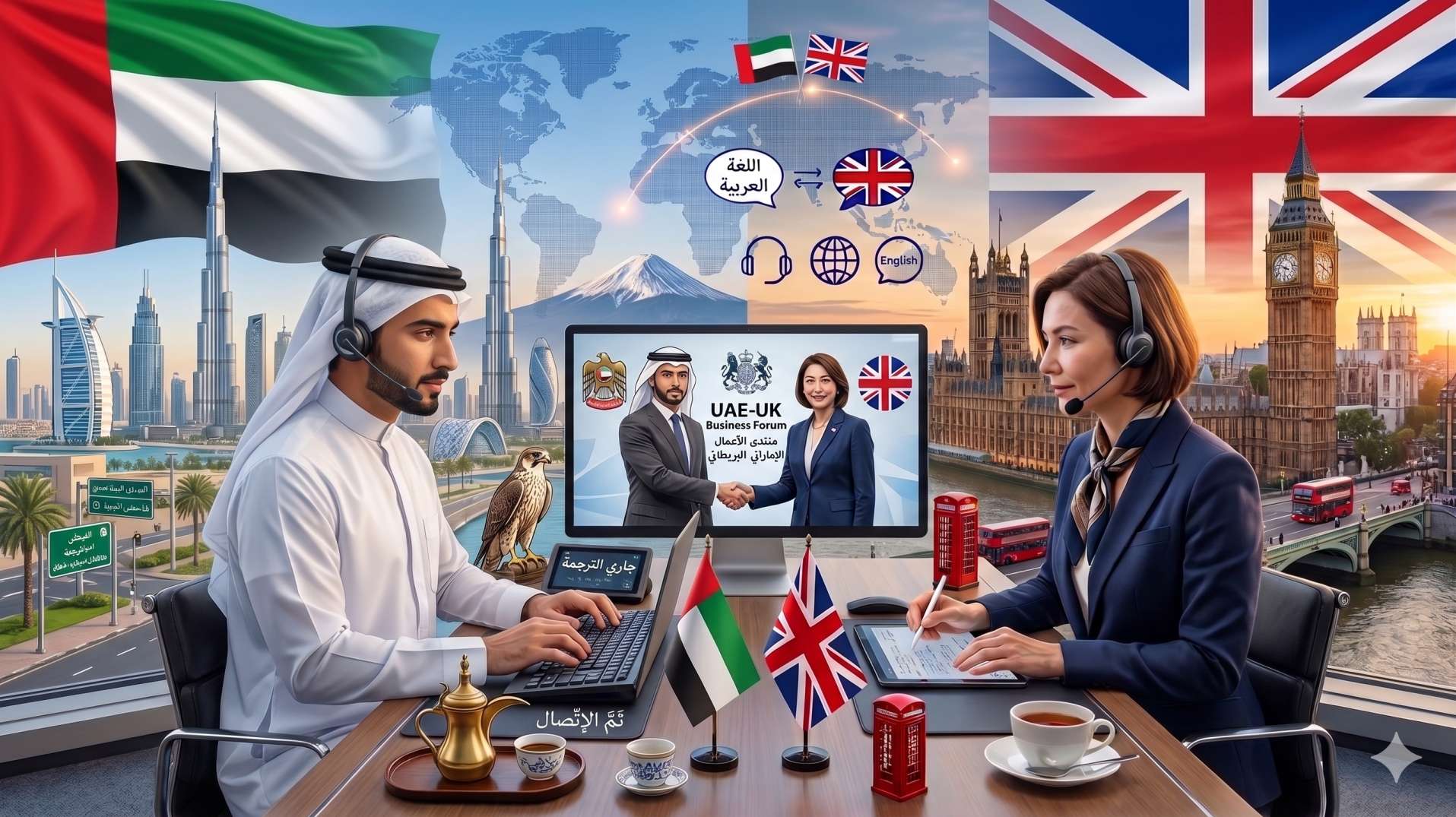

Securing a qualified Arabic interpreter in Liverpool is paramount for effective communication across diverse sectors, from legal proceedings within His Majesty’s Courts and Tribunals Service (HMCTS) to critical patient care within the National Health Service (NHS). Liverpool, a city with a rich maritime history and a burgeoning modern economy, hosts a vibrant multicultural population, necessitating professional language services to bridge communication gaps. For instance, essential healthcare services for Liverpool residents are provided by trusts such as Liverpool University Hospitals NHS Foundation Trust and Mersey Care NHS Foundation Trust, both of which rely on accurate interpretation to ensure patient safety and equitable access to care, adhering to strict NHS England Language Access guidelines and UK GDPR principles.
Understanding the Nuances: Translation vs. Interpretation
While often used interchangeably, translation and interpretation are distinct disciplines requiring different skill sets and methodologies. Translation involves the conversion of written text from one language to another, demanding meticulous attention to detail, cultural context, and stylistic accuracy. This is crucial for documents such as legal contracts, medical reports, and official correspondence. Interpretation, on the other hand, is the real-time, spoken rendition of communication from one language to another. This requires not only linguistic proficiency but also exceptional auditory processing, memory recall, and the ability to convey meaning, tone, and intent instantaneously. For businesses and public services in Liverpool, engaging a professional Arabic translator in Liverpool for written materials ensures clarity and compliance, while a certified Arabic interpreter is indispensable for live interactions.
Legal Defence, Immigration, and Courtroom Interpretation
The UK’s legal system is built on principles of natural justice and the right to a fair trial, which inherently includes the right to understand proceedings and to be understood. For individuals who do not speak English, access to a qualified Arabic interpreter is not merely a convenience but a fundamental legal right. His Majesty’s Courts and Tribunals Service (HMCTS) mandates the provision of interpreters in criminal, civil, and family courts to ensure all parties can participate fully. Professional interpreters working within the legal sphere must adhere to stringent ethical codes and professional standards, often requiring accreditation from bodies such as the National Register of Public Service Interpreters (NRPSI) or holding qualifications like the Diploma in Public Service Interpreting (DPSI). This ensures impartiality, confidentiality, and accuracy, which are vital in sensitive cases heard before HMCTS, including those at the Royal Courts of Justice or local Liverpool courts. Immigration law, overseen by the Home Office and the UK Visas and Immigration (UKVI) department, also heavily relies on accurate interpretation for asylum claims, visa applications, and appeals before the First-tier Immigration Tribunal. Solicitors and legal professionals in Liverpool require interpreters who understand the specific terminology and procedural nuances of UK immigration law, ensuring their clients’ cases are presented effectively and fairly.
Healthcare and NHS Patient Safety
Patient safety and equitable access to healthcare are cornerstones of the National Health Service (NHS). For Arabic-speaking patients in Liverpool, effective communication with healthcare professionals is critical for accurate diagnosis, informed consent, and adherence to treatment plans. The NHS England Language Access guidelines stipulate that providers must ensure that patients have access to competent interpreters when needed, regardless of the language. This is particularly important when dealing with complex medical information, sensitive personal histories, or emergency situations. Interpreters working within the NHS must not only possess advanced Arabic and English language skills but also a thorough understanding of medical terminology and the ethical considerations surrounding patient confidentiality, in line with UK GDPR. The Care Quality Commission (CQC) also inspects healthcare providers on their ability to meet the diverse needs of their patients, including those with communication barriers. Liverpool’s primary NHS trusts, including Liverpool University Hospitals NHS Foundation Trust and Mersey Care NHS Foundation Trust, are committed to providing high-quality care, and this includes ensuring that Arabic-speaking patients receive the support they need through professional interpretation services. This commitment extends to all levels of care, from GP appointments and community health services to complex hospital treatments and mental health support.
Technical Interpretation Modalities
The nature of the communication often dictates the most appropriate interpretation modality. For high-stakes, fast-paced environments such as conferences, international business meetings, or court hearings, simultaneous interpretation is often employed. In this mode, the interpreter conveys the message almost instantaneously as the speaker talks, typically using specialised equipment like booths and headsets. Consecutive interpretation is more suited for smaller meetings, interviews, or one-on-one discussions, where the interpreter speaks after the source speaker has finished a segment of speech. Escort interpretation, also known as liaison interpretation, facilitates communication between parties speaking different languages in social or business settings, such as factory tours, site visits, or business negotiations. Finally, remote interpretation, facilitated by telephone or video conferencing, offers flexibility and cost-effectiveness, especially for situations where in-person interpreters are not readily available or practical. Choosing the right modality ensures that the communication flow is seamless and effective, whether for a legal deposition, a medical consultation, or a business negotiation in Liverpool.
The Economic and Social Fabric of Liverpool
Liverpool’s dynamic economy and diverse society present a constant need for professional Arabic interpretation and translation services. The city’s strategic location, historical significance, and ongoing regeneration projects attract international investment, tourism, and a diverse workforce, all of which contribute to a rich tapestry of linguistic needs.
Corporate and Industry Engagement
As Liverpool continues to expand its reach in sectors such as advanced manufacturing, digital technology, and professional services, businesses increasingly engage with international partners and clients. Arabic-speaking markets represent significant opportunities for trade and investment. Companies operating in or looking to engage with the MENA region require accurate translation of marketing materials, contracts, and technical documentation, alongside interpretation services for business meetings, negotiations, and conferences. Professional bodies like the Chartered Institute of Linguists (CIOL) and the Association of Language Companies (ALC) uphold standards for businesses seeking reliable language partners. The presence of a skilled Arabic interpreter in Liverpool facilitates these crucial business interactions, fostering stronger international relationships and driving economic growth for the city.
Tourism and Hospitality
Liverpool is a world-renowned tourist destination, attracting visitors from across the globe, including a significant number from Arabic-speaking countries. The tourism and hospitality sector benefits immensely from accessible language services. Providing Arabic-speaking staff or readily available interpretation services for hotel check-ins, restaurant bookings, guided tours, and customer service interactions enhances the visitor experience, encouraging repeat business and positive word-of-mouth referrals. This linguistic support is vital for ensuring that all visitors feel welcomed and catered to, reflecting Liverpool’s reputation as an inclusive and hospitable city.
Legal Infrastructure and Access to Justice
Liverpool boasts a robust legal infrastructure, with numerous law firms specialising in various fields, including immigration, commercial law, and personal injury. The city’s courts, under the purview of HMCTS, handle a significant caseload. For Arabic-speaking individuals involved in legal matters, whether as defendants, plaintiffs, witnesses, or clients, access to qualified interpreters is non-negotiable. Law firms and legal aid organisations in Liverpool rely on accredited interpreters to ensure their clients understand their rights, the legal process, and can effectively communicate their case. The availability of interpreters registered with bodies like the NRPSI ensures that the principles of justice are upheld for all, regardless of their linguistic background.
NHS Healthcare Provision
The healthcare system in Liverpool, primarily delivered through NHS trusts like Liverpool University Hospitals NHS Foundation Trust and Mersey Care NHS Foundation Trust, serves a diverse population. Ensuring that Arabic-speaking patients can communicate effectively with doctors, nurses, and other healthcare professionals is a critical aspect of providing safe and effective care. This involves not only providing interpreters for consultations but also translating patient information leaflets, consent forms, and discharge instructions. Adherence to NHS England’s Language Access Policy and UK GDPR ensures that patient confidentiality is maintained and that all individuals receive equitable treatment. The local NHS Integrated Care System for Cheshire and Merseyside, https://www.cheshireandmerseydoes.nhs.uk/, plays a role in coordinating these essential services across the region.
Local Infrastructure and Transport
Liverpool’s well-developed infrastructure supports the seamless operation of its diverse economic and social activities. The city benefits from excellent transport links, including a major international airport, extensive rail networks connecting to the rest of the UK, and a busy port. These transport hubs facilitate the movement of people and goods, further underscoring the need for multilingual communication. For businesses and public services, reliable interpretation and translation are essential for navigating these logistical complexities, whether it involves coordinating international shipping, managing diverse workforces, or ensuring that visitors can navigate the city with ease. The availability of professional Arabic language services ensures that Liverpool remains an accessible and efficient hub for both domestic and international engagement.
In conclusion, the demand for a skilled Arabic interpreter in Liverpool is driven by the city’s vibrant economy, diverse population, and commitment to equitable access across legal, healthcare, and commercial sectors. Engaging certified and experienced professionals ensures that communication barriers are overcome, fostering trust, facilitating justice, and promoting successful outcomes for all parties involved.